Healthy Rice Bowl: Main Course Meals Inspired By Traditional Japanese Recipes
July 10, 2026
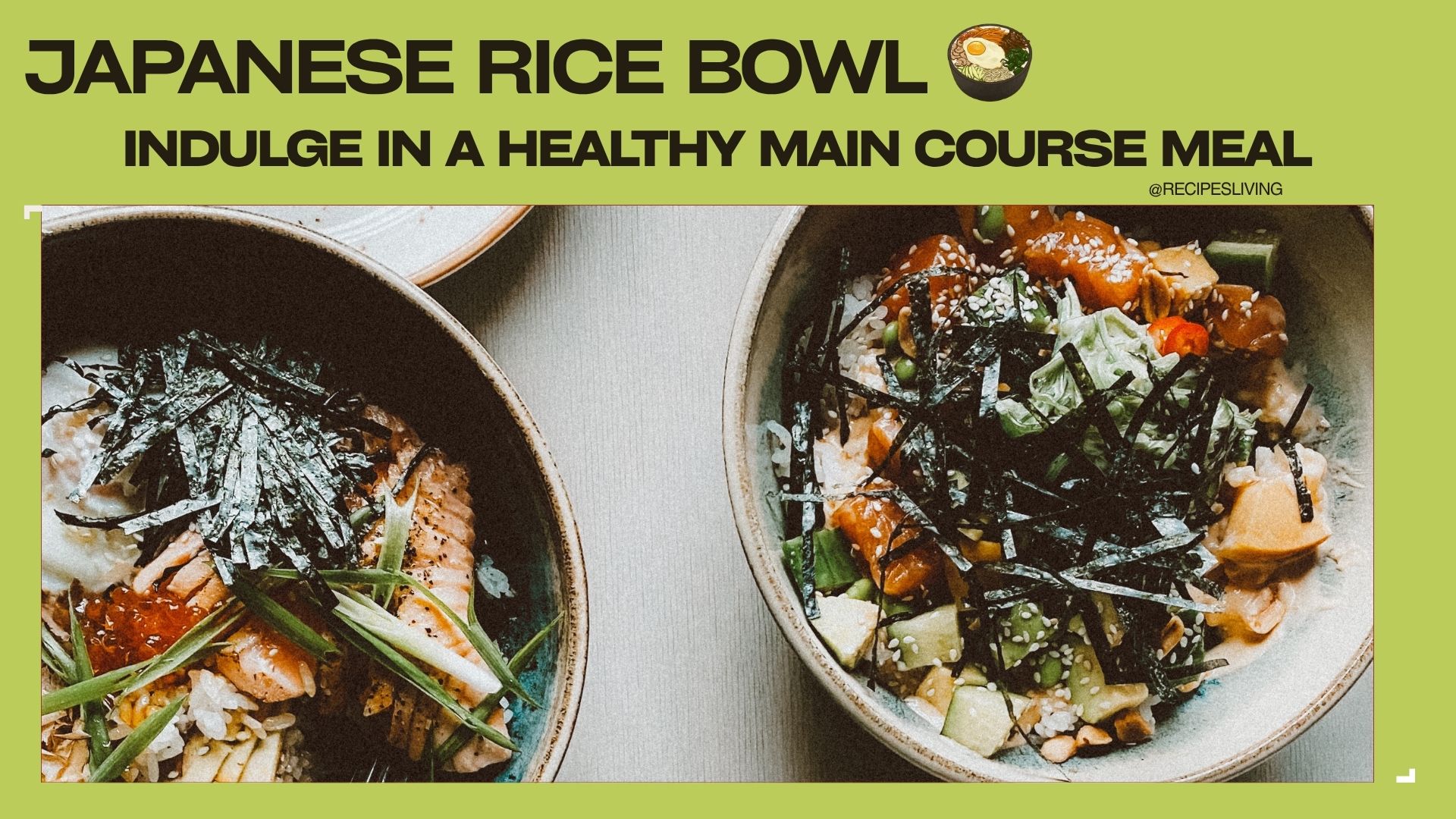
When it comes to healthy eating, few cuisines strike the perfect balance between nutrition, flavor, and simplicity quite like Japanese cuisine. Rooted in the philosophy that "healthy is wealthy," traditional Japanese home cooking emphasizes fresh, seasonal ingredients, mindful portions, and meals that nourish both the body and mind.
Rather than relying on heavy sauces or processed foods, Japanese meals are thoughtfully crafted to include a balance of complex carbohydrates, lean protein, healthy fats, fiber, and colorful vegetables. This approach, often referred to as ichiju-sansai (one soup and three side dishes), ensures that every meal provides essential nutrients without feeling overly indulgent.
Rice bowls, or donburi, are a wonderful example of this philosophy. They combine wholesome rice with protein, vegetables, and flavorful seasonings in one comforting bowl, making them perfect for busy weeknights, meal prep, or a satisfying lunch. Today, let's explore two healthy Japanese home-style rice bowl recipes that are easy to prepare and packed with nutrition.
Two Japanese Timeless Classic Main Course Meal Recipes
Japanese Teriyaki Salmon & Edamame Rice Bowl
This bowl can be your perfect main course meal recipe because it is rich in omega-3 fatty acids, lean protein, fiber, healthy fats, and vitamins, making it a complete and satisfying meal.
Ingredients (Serves 2, Preparation 45 min)
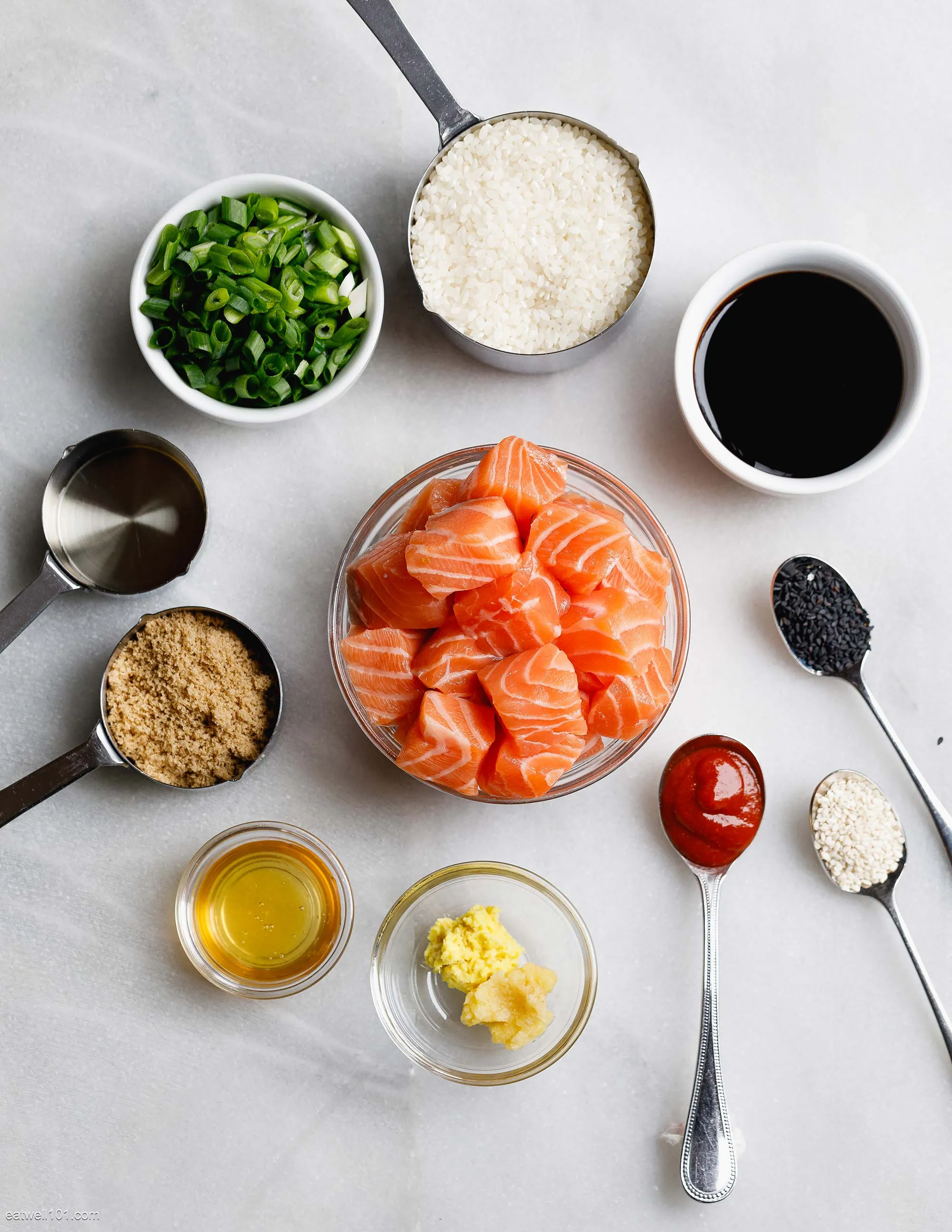
For the Salmon
- 2 salmon fillets
- 2 tablespoons low-sodium soy sauce
- 1 tablespoon mirin
- 1 teaspoon honey
- 1 teaspoon sesame oil
- 1 teaspoon grated ginger
- 1 garlic clove, minced
For the Bowl
- 2 cups cooked Japanese short-grain or brown rice
- 1 cup shelled edamame
- 1 cucumber, thinly sliced
- 1 carrot, julienned
- 1 avocado, sliced
- 2 tablespoons pickled ginger
- 1 teaspoon toasted sesame seeds
- 2 spring onions, chopped
- Nori strips (optional)
Method:
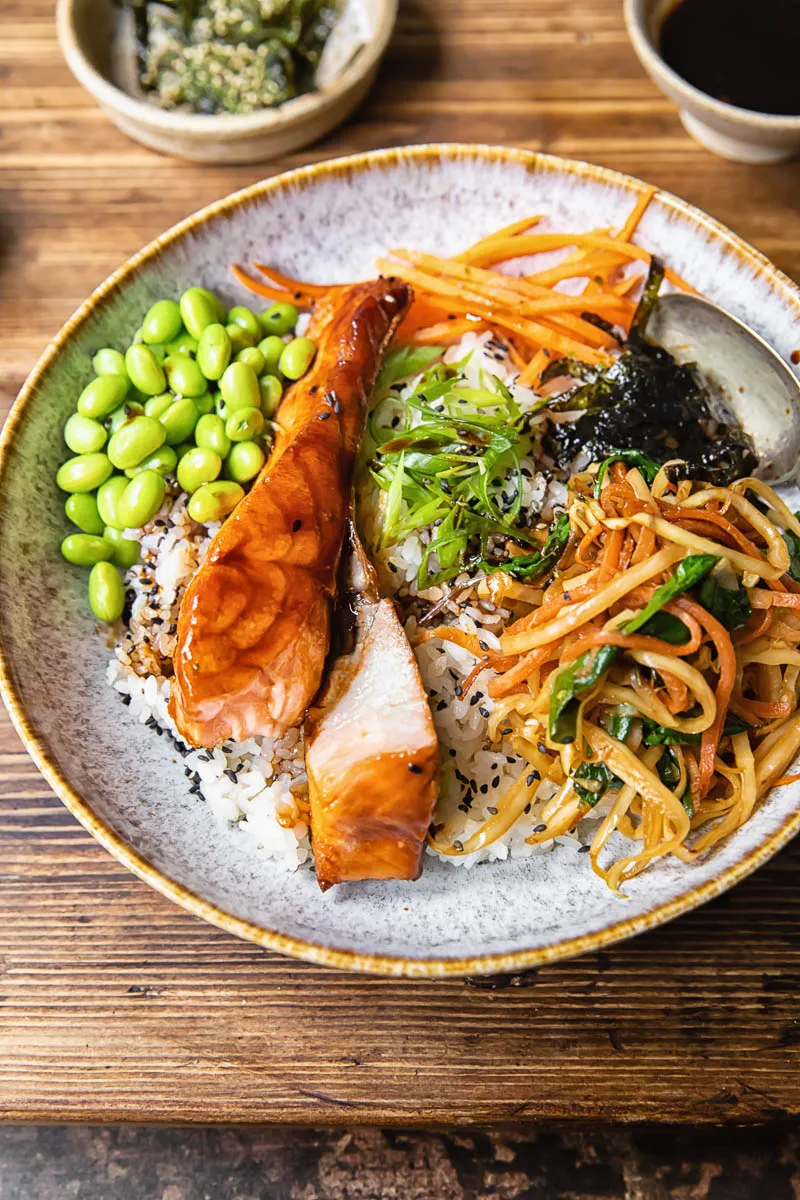
Marinate the Salmon
- For marination, mix soy sauce, mirin, honey, sesame oil, ginger, and garlic.
- Coat the salmon and let it marinate for 15–20 minutes.
- You can keep marinated salmon in the refrigerator for 2 days for meal prep on your busy weekdays.
Cook the Salmon
- Heat a non-stick pan over medium heat and cook the salmon for 4–5 minutes on each side until caramelized and flaky.
- Be cautious not to overcook, or the taste might change.
Prepare the Vegetables
- Steam the edamame until tender.
- Slice the cucumber, carrot, and avocado.
- You make a stir-fry with veggies like bell peppers, cabbage, and spring onion. I prefer lots of veggies as Japanese rice seasoning.
Assemble the Bowl
- Divide the cooked rice between two bowls.
- Arrange the salmon, edamame, cucumber, carrot, avocado, and pickled ginger neatly over the rice.
Garnish
- Sprinkle sesame seeds, spring onions, and shredded nori before serving.
Chicken Soboro Rice Bowl (Healthy Japanese Minced Chicken Bowl)
Chicken Soboro is a staple in many Japanese households because it's high in protein, low in fat, quick to prepare, and ideal for meal prep. Combined with vegetables and rice, it creates a balanced meal that keeps you energized for hours and is easily among the recipes you can double.
Ingredients (Serves 2, Preparation Time 30 minutes)
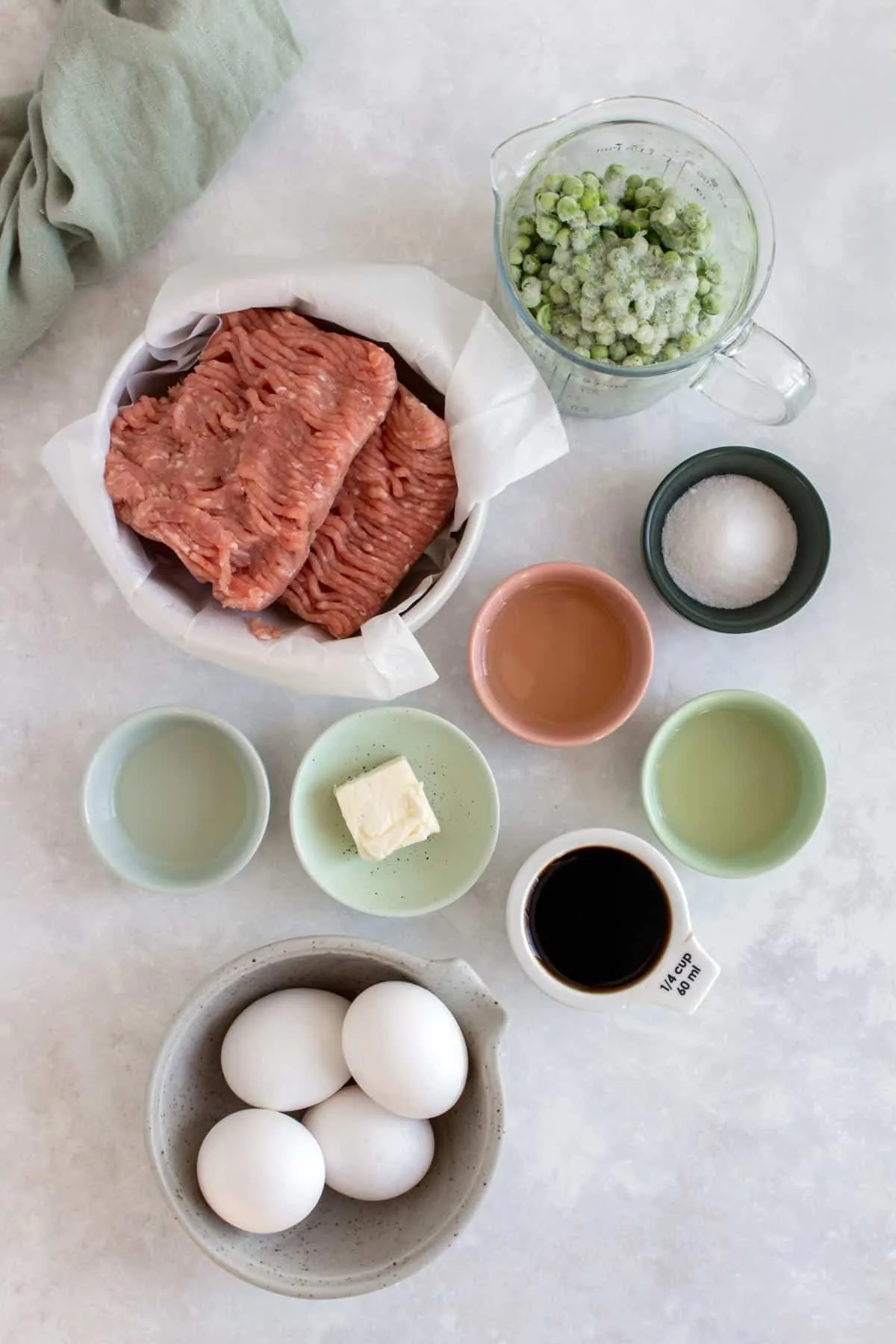
For the Chicken Soboro
- 300 g lean chicken mince
- 2 tablespoons low-sodium soy sauce
- 1 tablespoon mirin
- 1 teaspoon grated ginger
- 1 teaspoon sesame oil
- 1 teaspoon honey
For the Toppings
- 2 eggs
- 2 cups cooked Japanese rice or brown rice
- 1 cup steamed spinach
- ½ cup shredded carrots
- ½ cup steamed green beans
- Sesame seeds
- Chopped spring onions
Method:
Cook the Chicken
- Heat sesame oil in a pan.
- Add ginger and cook briefly before adding the chicken mince.
- Break the mince into fine crumbles as it cooks.
Season the Chicken
- Add soy sauce, mirin, and honey.
- Use light soy sauce; depending on your liking, you can add 1 portion of dark soy sauce to enhance the umami flavour.
- Cook until the liquid reduces and coats the chicken evenly.
Prepare the Eggs & Vegetables
- Lightly beat the eggs and cook over low heat while stirring continuously to create soft scrambled egg crumbles.
- You can prepare a roasted egg or the classic Japanese egg roll to switch up the taste each time.
- Steam the spinach and green beans until just tender to retain their nutrients they are traditionally used.
- If you want to increase the green, add in sprout greens or microgreens, lotus root fries, spring onions, mushrooms, etc.
Assemble The Main Course Meal Bowl
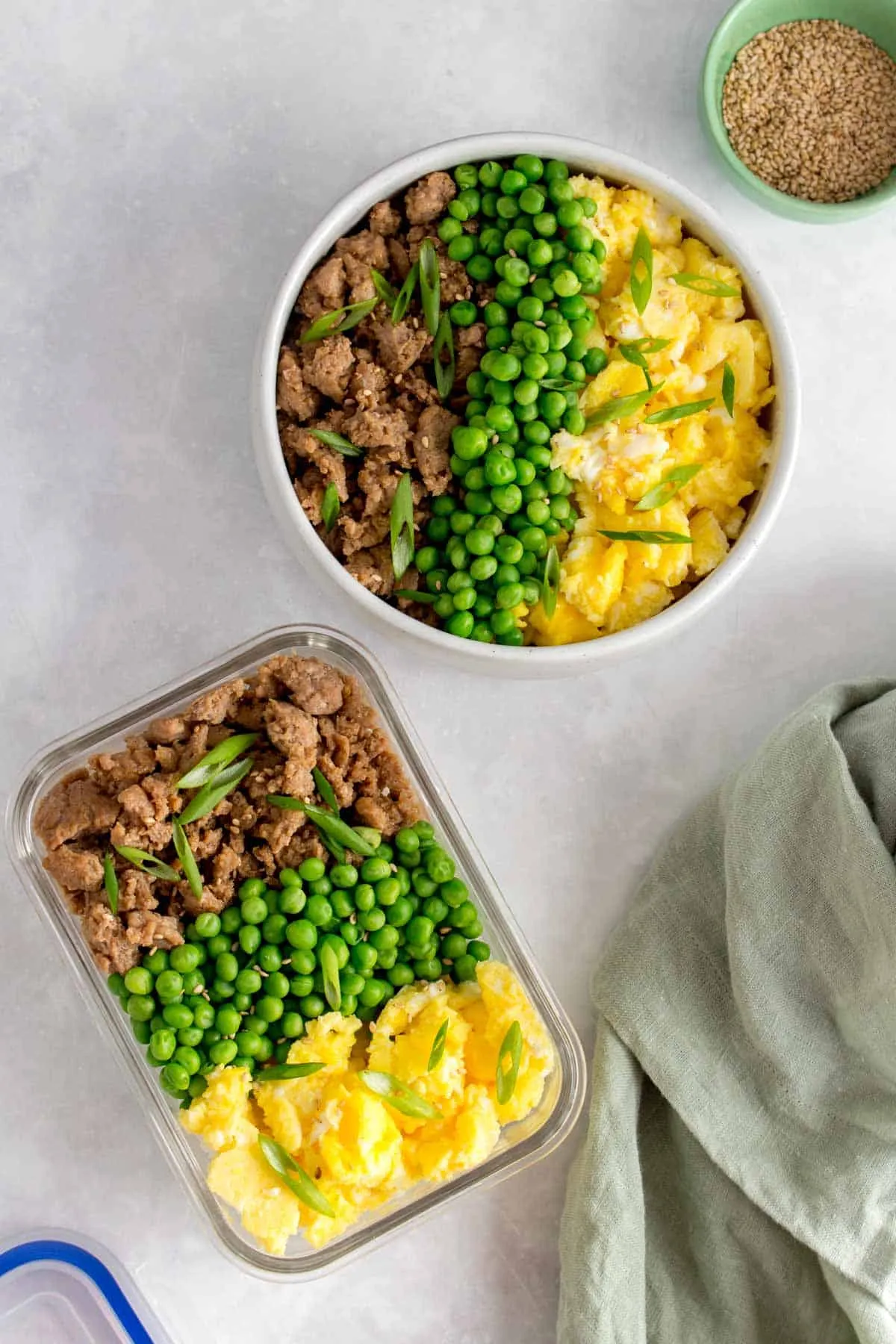
- Fill serving bowls with warm rice. Arrange the seasoned chicken, scrambled eggs, spinach, carrots, and green beans in separate sections.
- Finish with sesame seeds and chopped spring onions.
Tips for Making Healthier Japanese Rice Bowls
- Replace white rice with brown rice or multigrain rice for extra fiber.
- Add seasonal vegetables; they provide more vitamins and antioxidants.
- Choose lean proteins like chicken, salmon, tofu, or edamame, and combine with adequate greens for fiber.
- Use low-sodium soy sauce to reduce salt intake.
- Keep sauces light to let the natural flavours shine. If you like to indulge in umami flavour, mix light and dark soy sauce in equal proportions.
- Finish with sesame seeds or seaweed for added minerals and texture.
- And for the authentic feel, don't forget the fermented sides; these timeless classic vintage grandma’s recipes would enhance your Japanese indulgence.
Frequently Asked Questions:
1. What is in a classic Japanese rice bowl?
Ans) A classic Japanese rice bowl, or donburi, consists of steamed short-grain rice topped with ingredients like beef, chicken, seafood, eggs, vegetables, or tofu. Popular varieties include gyudon, oyakodon, katsudon, and tendon. The toppings are often seasoned with soy sauce, mirin, dashi, and sugar for a balanced, savory flavor.
2. What are the most famous Japanese rice seasonings?
Ans) Popular Japanese rice seasonings include furikake, sesame seeds, nori flakes, shichimi togarashi, bonito flakes, umeboshi, and toasted sesame oil. Traditional seasonings such as soy sauce, mirin, dashi, and miso are also commonly used to enhance rice dishes, adding umami, sweetness, and depth of flavor to everyday meals.
3. What is a traditional Japanese rice bowl made of?
Ans) A traditional Japanese rice bowl is made with steamed short-grain Japanese rice topped with protein, vegetables, or seafood. Common ingredients include sliced beef, grilled eel, tempura, chicken, tofu, mushrooms, onions, and eggs, all flavored with soy sauce, mirin, sake, and dashi to create a comforting, well-balanced meal.
4. Are Japanese rice bowls healthy?
Ans) Yes, Japanese rice bowls can be very healthy when prepared with lean proteins, fresh vegetables, and moderate seasoning. They provide a balanced mix of carbohydrates, protein, healthy fats, vitamins, and minerals. Choosing grilled or steamed toppings instead of fried options further increases their nutritional value while keeping calories in check.
5. Is using fish normal in a Japanese rice bowl?
Ans) Yes, fish is a traditional and widely used ingredient in Japanese rice bowls. Popular choices include salmon, tuna, eel (unagi), mackerel, and sashimi-grade seafood. Fish adds high-quality protein and healthy omega-3 fatty acids, making it a nutritious and flavorful topping commonly enjoyed throughout Japan.
Final Thoughts
As I believe, most blue zone recipes prove, and nutritionist supplements, that healthy eating doesn't have to be complicated; Japanese home cooking proves just that. Every ingredient has a purpose, every portion is thoughtfully balanced, and every meal is designed to nourish without sacrificing flavor.
These main course meal recipes bring the warmth of a Japanese home kitchen straight to your table. With wholesome ingredients, vibrant vegetables, and perfectly cooked rice, they're a delicious reminder that the simplest meals are often the most satisfying. So the next time you're looking for a nutritious one-bowl meal, take inspiration from Japan's timeless approach to cooking, where balance, freshness, and mindful eating come together in every bite.
And don't forget to follow Recipesliving for more such indulgent-healthy recipes, along with food and culture stores from global cuisines.
By P. Manika (Performist Content Writer)