Quick, Clean, and Green: Simple Blue Zone Recipes To Boost Your Well-being
November 05, 2025
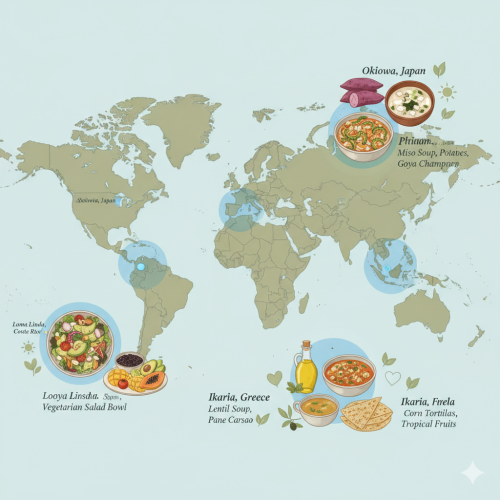
When food is life, you tend to explore many types of food, and with the intention of going on a balanced, healthy diet, I stumbled upon Blue Zone diet recipes. As previously mentioned in our article about what is blue zone is, their philosophy of life is healthy and purposeful living. Among these, they focus a lot on what they eat, with fresh and healthy ingredients, minimal additives, no processed foods, and more vegetables in the diet. The recipes are worth a try.
Today, in this blog, I will share with you 2 easy and quick healthy dinner recipes that would make your dinner meals more happening and healthy. So let's dive in.
Why Choose Blue Zone Diet Recipes For a Healthy Meal Plan?
Embracing the Blue Zone diet means accepting a lifestyle proven to promote longevity, vitality, and balance. These are rich in plant-based meals that are inspired by the world’s longest-living communities, including ingredients like whole grains, beans, and healthy fats like olive oil.
Blue Zone diet recipes focus on natural, unprocessed foods nourishing the body; they encourage mindful eating, social meals, and moderation, making health effortless and enjoyable. By adopting Blue Zone-inspired cooking, you’re embracing a way of living that blends flavor, sustainability, and wellness for a healthier, happier life.
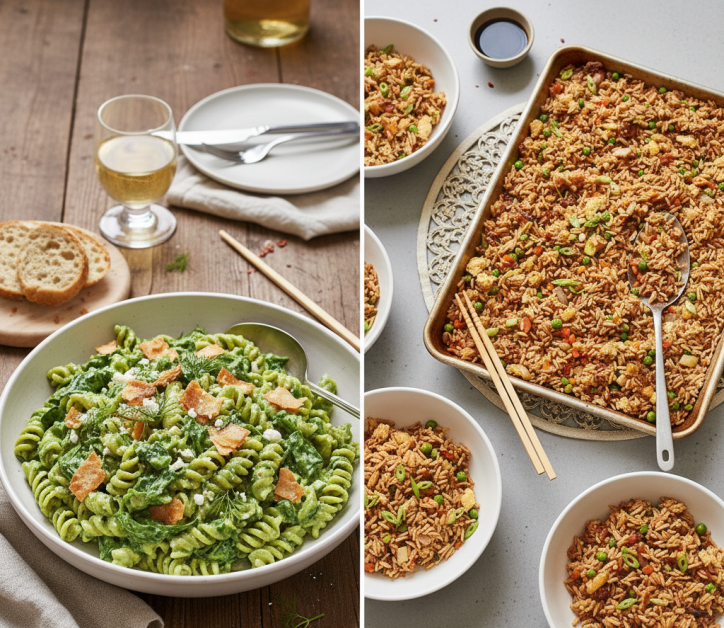
Second-Chance Sheet Pan Fried Rice (Blue Zone–Inspired Version)
Blue zone philosophy focuses on healthy foods, sustainability, and waste reduction. This dish is called Second-Chance Fried Rice because it gives new life to leftover rice and veggies, a sustainable and nutrient-packed meal reflecting Blue Zone habits justifiably.
Ingredients (Serves 4):
3 cups cooked brown rice or mixed grain rice (preferably day-old)
2 cups chopped vegetables (bell peppers, carrots, peas, broccoli, or any leftovers)
3 tbsp extra-virgin olive oil
1 tbsp low-sodium soy sauce or tamari
1 tbsp rice vinegar or apple cider vinegar
1 tsp toasted sesame oil
2 cloves garlic, minced
1 inch of ginger, grated
½ cup edamame or chickpeas (optional for extra protein)
2 spring onions, sliced
Salt & pepper, to taste
Toasted sesame seeds, chili flakes, or a drizzle of tahini (optional toppings)
Method:
Preheat oven to 200°C (400°F) and line a large sheet pan with parchment paper.
Mix the ingredients in a large bowl. Combine rice, chopped veggies, olive oil, soy sauce, vinegar, garlic, ginger, and a dash of sesame oil. Toss well to coat evenly.
Spread evenly on the sheet pan and bake for 20–25 minutes, stirring halfway until veggies are slightly crispy and golden.
Add edamame or chickpeas during the last 10 minutes for extra texture.
Remove from the oven, toss with chopped spring onions, and sprinkle sesame seeds or chili flakes before serving.
For a healthier version, use whole grains, olive oil instead of butter, and plenty of seasonal vegetables, staples of long-living communities like Okinawa and Ikaria.
Spanakopita Pasta (The Blue Zone–Inspired Greek Fusion)
This plant-based meal recipe is inspired by Greece’s famous Spanakopita (spinach pie). This version turns the traditional pastry into a lighter, whole-grain pasta dish packed with greens, olive oil, and plant protein, just like the diets in Ikaria, Greece. Now, to truly indulge in the recipe,
Ingredients( Serves 4):
250g whole-grain pasta (penne or rigatoni)
2 tbsp extra-virgin olive oil
3 cloves garlic, minced
1 onion, finely chopped
300g fresh spinach, roughly chopped
½ cup crumbled feta cheese (or use tofu for a vegan option)
¼ cup Greek yogurt or cashew cream (optional for creaminess)
1 tbsp lemon juice
1 tsp dried dill or fresh dill, chopped
Salt & black pepper, to taste
Crushed walnuts or pine nuts, for topping
Method:
Cook pasta in salted water until al dente. Reserve ½ cup of pasta water.
Now, in a large pan, sauté the onion and garlic in olive oil until fragrant. Add spinach and cook until wilted. Season with salt, pepper, and dill.
Lower the heat and stir in feta cheese, or tofu and Greek yogurt. Add pasta water gradually to form a creamy sauce.
Toss in cooked pasta, mix well, and finish with lemon juice.
Serve hot, topped with crushed walnuts or pine nuts for that spanakopita crunch.
For some veggie delight, you can add broccoli and zucchini, maintaining the green theme of the pasta.
These were 2 of the Blue Zone Diet Recipes, packed with wholesome ingredients perfect for a balanced diet. These recipes are perfect for your healthy living lifestyle, and the cherry on top is that they are made with a few ingredients and are easy to make. For more such recipes, stay tuned. Until then, keep indulging, keep healthy, and keep cooking up a storm.
FAQs:
1. What do Blue Zone people eat for breakfast?
Ans) People in Blue Zones start their day with simple, wholesome foods — often oatmeal, whole-grain bread, fruits, nuts, beans, or sweet potatoes. In Okinawa, breakfast may include miso soup and rice; in Ikaria, Greek yogurt and fruit. Their breakfasts are high in fiber, plant protein, and healthy fats for sustained energy.
2. What foods are in the Blue Zone diet?
Ans) The Blue Zone diet focuses on plant-based, minimally processed foods. Staples include beans, lentils, whole grains, nuts, vegetables, fruits, and olive oil. Meat is eaten rarely, dairy is limited, and refined sugar is minimal. The emphasis is on moderation, mindful eating, and seasonal produce — promoting heart health and longevity.
3. Is rice used in Blue Zone diet recipes?
Ans) Yes, rice is commonly used, especially brown rice or mixed grains. In Okinawa, people traditionally eat rice paired with vegetables, tofu, and seaweed. The key is choosing unrefined, fiber-rich rice varieties and portion control. It’s part of a balanced, plant-forward plate, eaten mindfully rather than as a filler.
4. How to start the Blue Zone diet?
Ans) Begin by shifting 90–95% of your meals to plant-based foods, beans, veggies, fruits, and whole grains. Use olive oil for cooking, cut down on meat and dairy, and avoid processed sugar. Practice portion control, eat slowly, and connect meals with social time, all core habits in Blue Zone communities.
5. Is amla better than blueberries?
Ans) Both are rich in antioxidants, but amla (Indian gooseberry) has significantly higher vitamin C content and supports immunity, digestion, and skin health. Blueberries, meanwhile, are rich in anthocyanins, beneficial for heart and brain health. Amla is more potent nutritionally, while blueberries offer diverse phytonutrients; both are excellent longevity foods.
P. Manika (Performist Content Writer)