The Art of Simplicity: Decoding Ichiju Sansai Japan’s Timeless Meal Philosophy
March 10, 2026
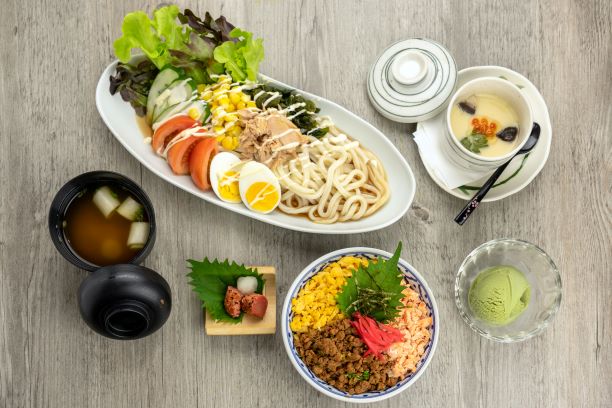
Ever since I started exploring Japanese cuisine one thing that stuck with me that is applied in all my mindful meals is adequate food portion. This is what makes the Japanese dishes unique; the controlled portion and complementing ingredients make it feel light on the stomach, nourishing for the body, yet deeply satisfying because of its layered umami flavours.
If you are also a Japanese cuisine fan, you know that it is not a culinary art built on heavy creams, sauces, or excessive spices, but a gastronomy of mindful eating. I am all about indulgence in food, yet Japanese food taught me how to celebrate natural taste: miso, soy sauce, dashi, seasonal vegetables, fresh fish, and fermented elements. The result is a meal that feels indulgent without being overwhelming, comforting, clean, and quietly luxurious. At the heart of this culinary harmony lies a timeless philosophy: Ichiju Sansai.
Today, let’s explore Ichiju Sansai recipes and the philosophy behind the term, which makes Japanese food unique, healthy, and promotes feeding the body and soul, not just eating. With this guide and trick, you can be anywhere in the world and make a healthy, tasty Japanese meal.
Ichiju Sansai Meaning: Decoding The Japanese Meal Philosophy
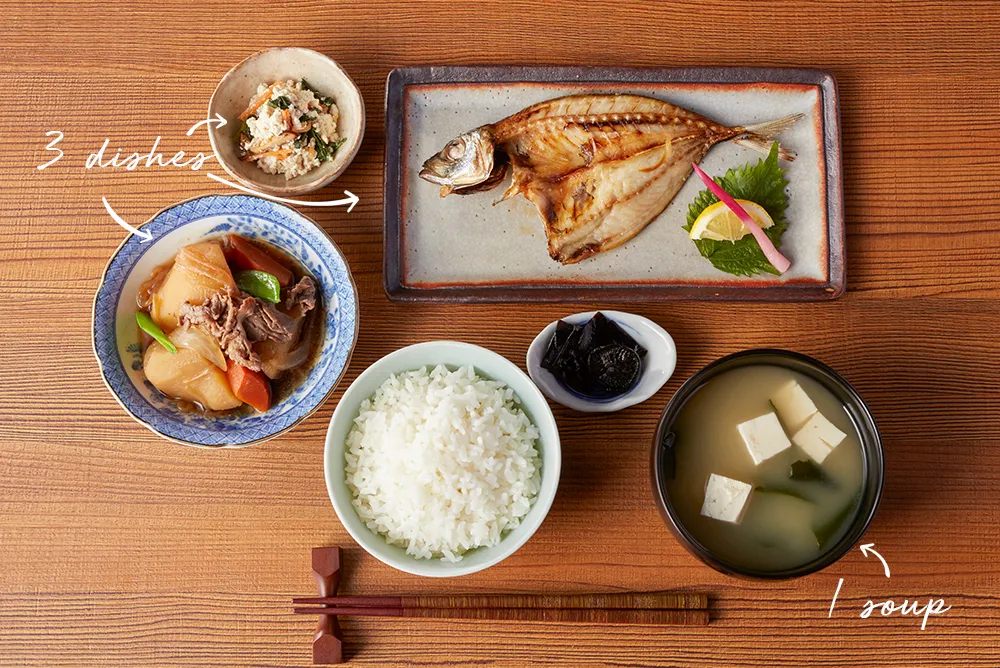
Decoding the meaning, the term Ichiju Sansai literally translates to: Ichi (一) – One, Ju (汁) – Soup, San (三) – Three, Sai (菜) – Dishes. It refers to a traditional Japanese meal structure consisting of one soup and three side dishes, served with rice and pickles
This simple framework creates nutritional balance, variety, and seasonal alignment in one sitting. And that is the whole idea behind the traditional Japanese dishes: balanced and healthy food, and owing to these Japan is one of the Blue Zone countries.
Ichiju Sansai Historical Origins: Story Behind Healthy Food Philosophy
Ichiju Sansai evolved during Japan’s medieval period and became structured during the Muromachi era (14th–16th century). It was influenced by Buddhist temple cuisine (shojin ryori), which emphasized plant-based ingredients, simplicity, and mindfulness.
As the samurai class rose to prominence, formal meal arrangements developed. Over time, the structure filtered into everyday homes, becoming the foundation of what we now call washoku (traditional Japanese cuisine). In 2013, washoku was recognized by UNESCO as an Intangible Cultural Heritage, highlighting its respect for seasonality, aesthetics, and balance.
The Philosophy Behind Balanced Japanese Meals
- Ichiju Sansai is not about quantity; it is about harmony, and this philosophy is all about a carefully curated meal that is comforting to the body, along with being nourishing.
- Nutritional Balance: A typical layout includes Rice (carbohydrate base), Soup (hydration and probiotics), Main protein (fish, tofu, or legumes), Two vegetable sides (raw, simmered, or pickled). This ensures fibre, protein, micronutrients, and healthy fats without heaviness.
- Seasonality (Shun): Meals change with the seasons, bamboo shoots in spring, cucumber in summer, mushrooms in autumn, and root vegetables in winter.
- Variety in Cooking Techniques: Raw, Grilled, Simmered, Steamed, Fermented. Different textures and temperatures support digestion and sensory satisfaction.
- Mindful Portioning: Small dishes encourage slower eating and appreciation.
- Umami as the Core Flavour: Instead of overpowering spices, flavour is built through Dashi (seaweed & bonito stock), Miso, Soy sauce, Fermented ingredients
A Slow & Steady Weekend Ichiju Sansai Meal Set
This Ichiju Sansai recipe is perfect for a calm Saturday lunch, easy to make, and you can also prep it ahead and even make it for your weeknight dinner.
Steamed Japanese Rice:

Short-grain rice, rinsed and cooked until glossy and sticky. The anchor of the meal.
Miso Soup (The “One Soup”)
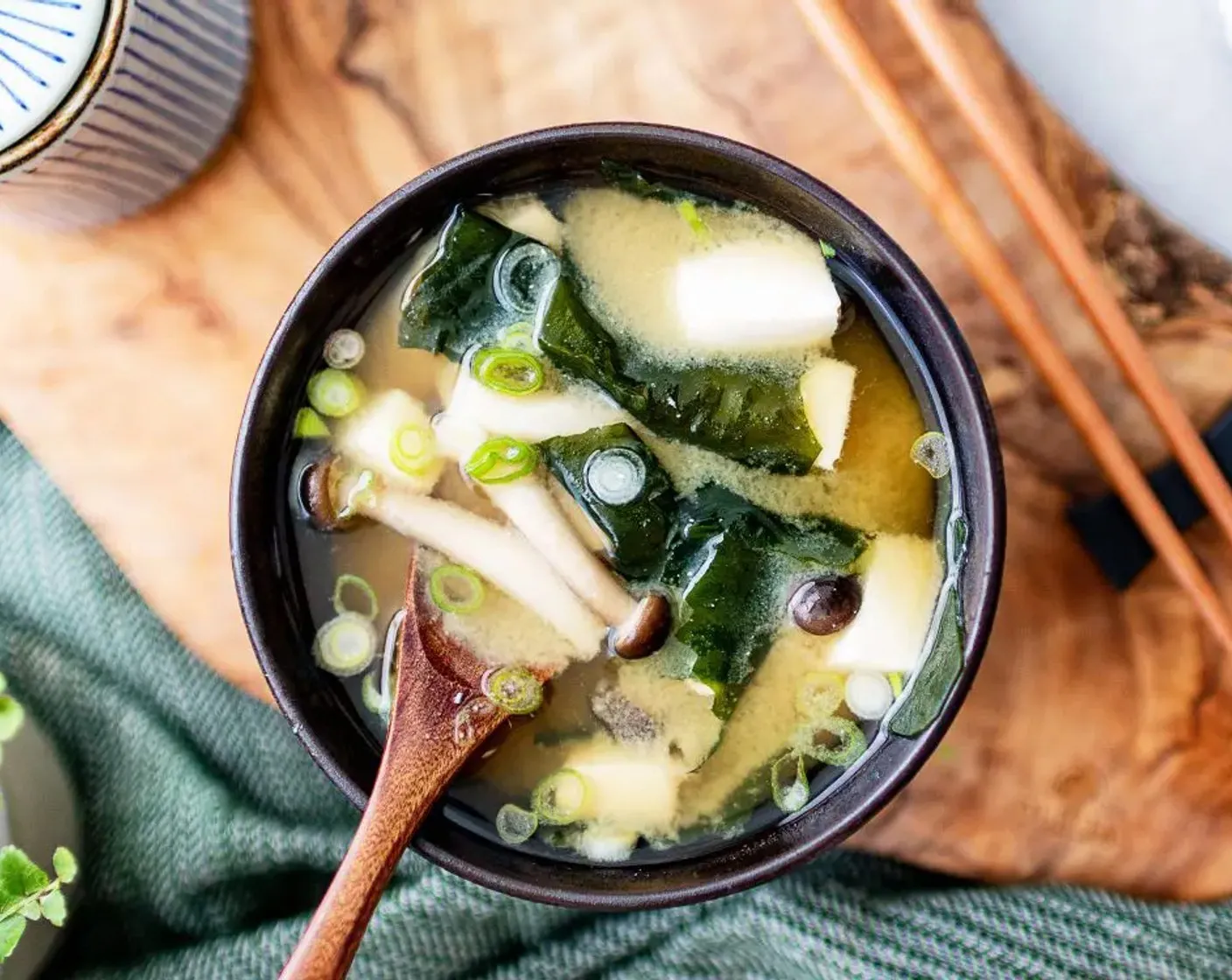
Ingredients: Dashi stock, white miso paste, tofu cubes, wakame seaweed, and spring onions.
Method:
- Warm dashi gently. Dissolve miso without boiling (to preserve probiotics). Add tofu and soaked wakame. Garnish with spring onions.
- Light, soothing, and gut-friendly.
Grilled Teriyaki Salmon (Main Dish)
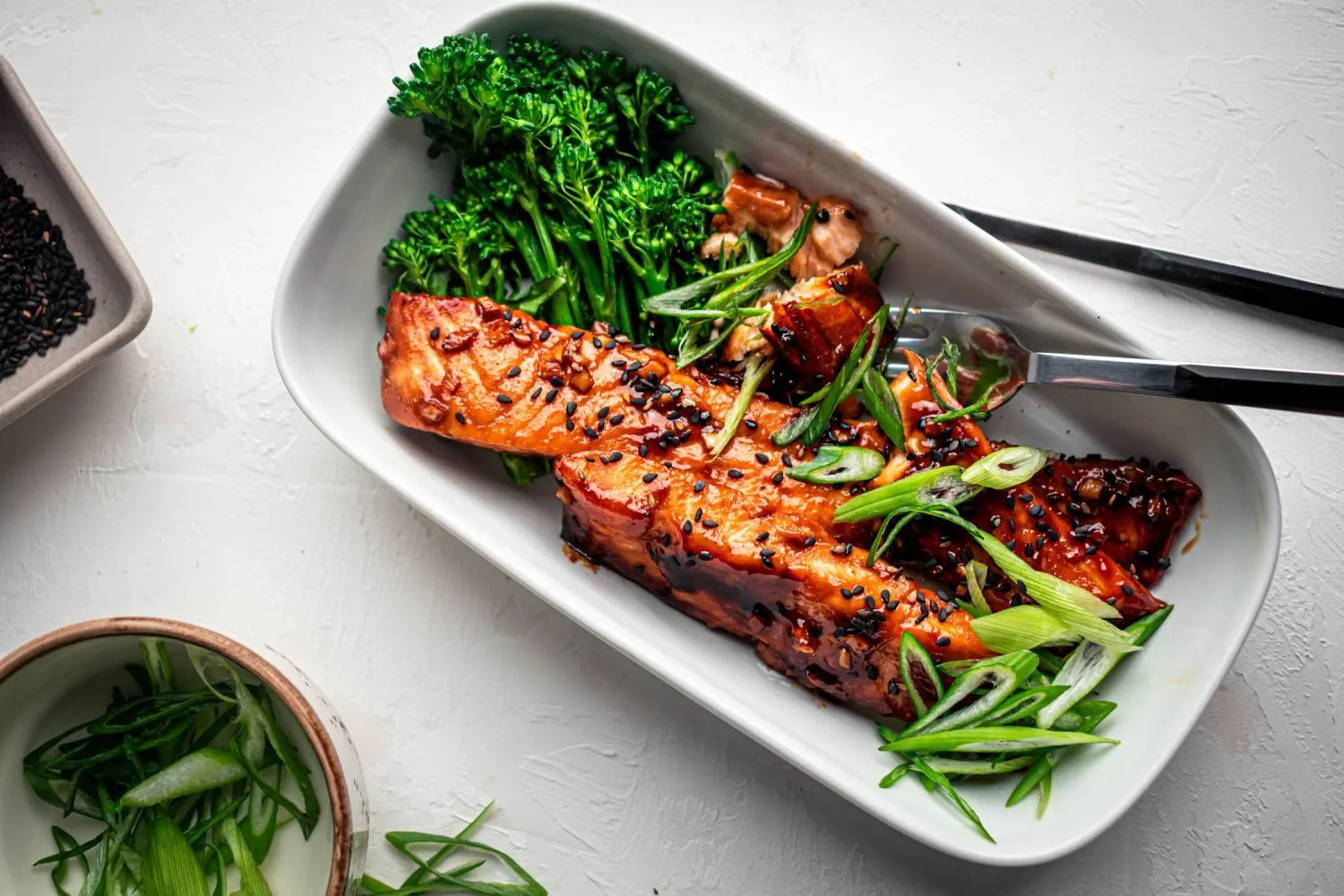
Ingredients: Salmon fillet, soy sauce, mirin, sake, sugar.
Method:
- Marinate briefly. Grill until caramelized outside and tender inside. The glaze creates subtle sweetness with umami depth.
Spinach Ohitashi (Blanched Greens)
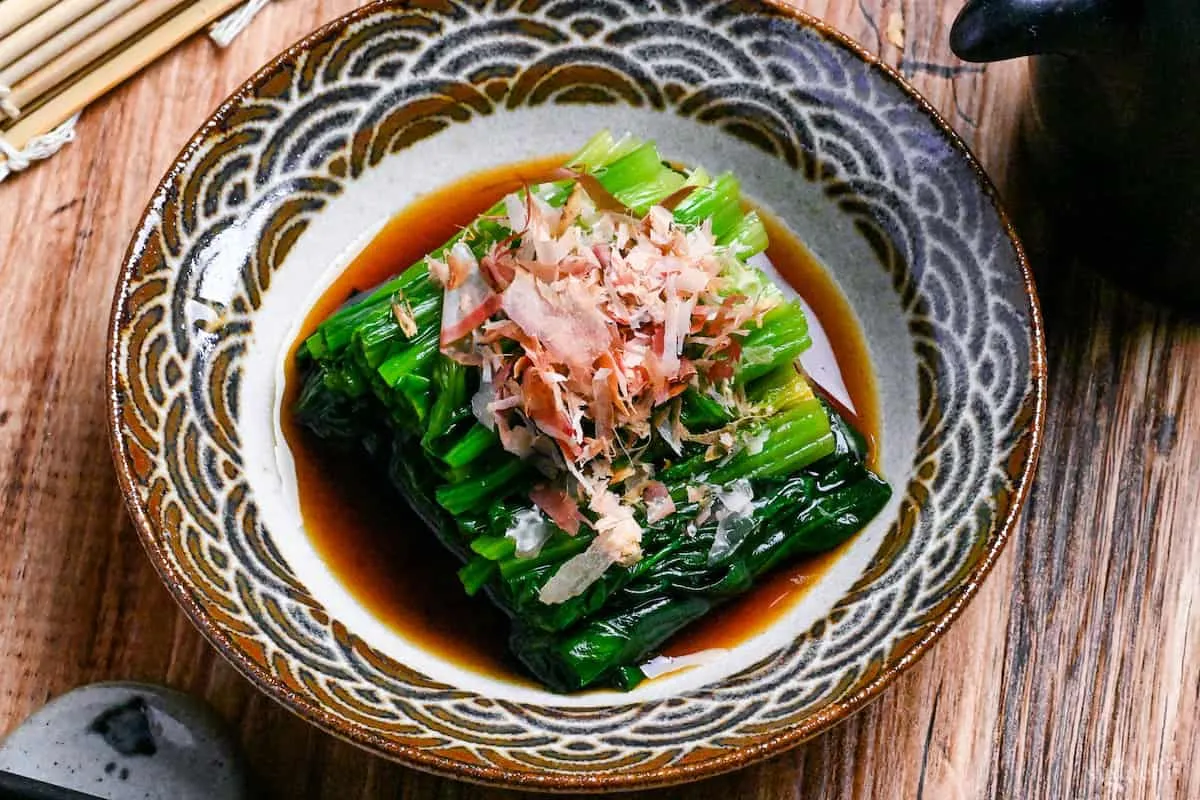
Ingredients: Spinach, soy sauce, dashi, sesame seeds.
Method:
- Blanch spinach, squeeze gently, and cut into portions. Marinate lightly in soy-dashi mixture. Sprinkle toasted sesame. Simple and mineral-rich.
Nimono (Simmered Vegetables)

Ingredients: Carrot, daikon radish, shiitake mushrooms, light soy sauce, mirin, dashi.
Method:
- Simmer until tender but structured. Flavours remain delicate, not overpowering.
Tsukemono (Pickles)
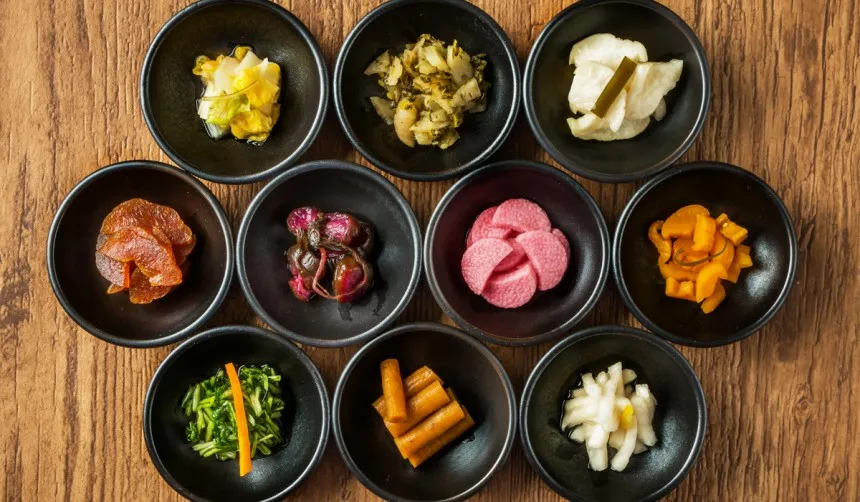
Quick-pickled cucumber with rice vinegar and salt. Adds brightness and aids digestion.
People Are Curious About
1. Is Japanese clear soup good for your stomach?
Ans) Japanese clear soups, such as Miso Soup or light broth soups, are gentle on digestion. They are usually made with Dashi, vegetables, tofu, and seaweed, providing minerals and probiotics. These soups are low in fat, hydrating, and easy to digest, making them beneficial for gut health and ideal for light, balanced meals.
2. What are examples of Ichiju Sansai recipes?
Ans) The Ichiju Sansai meal structure includes one soup and three side dishes with rice. A typical set may include Steamed Rice, Miso Soup, grilled fish, simmered vegetables, and a small pickled dish. This arrangement provides balanced nutrition with proteins, vegetables, and carbohydrates in moderate portions.
3. What are sansai vegetables?
Ans) In Japanese cuisine, Sansai refers to wild mountain vegetables traditionally foraged in spring. Examples include fiddlehead ferns, bamboo shoots, and bracken. These vegetables have earthy flavours and are often lightly cooked, pickled, or added to rice dishes, representing seasonal eating and the deep connection between Japanese food culture and nature.
4. What is a 7-day Japanese diet?
Ans) A typical Japanese-style weekly diet focuses on balance, portion control, and seasonal foods. Meals may include rice, grilled fish, vegetables, tofu, fermented foods like Natto, and soups. Inspired by the Ichiju Sansai approach, it prioritizes variety, light cooking methods, and nutrient-dense ingredients throughout the week.
5. What is Japan’s comfort food?
Ans) One beloved Japanese comfort food is Ramen, a hearty noodle soup with broth, meat, vegetables, and eggs. Other comforting dishes include Katsu Curry and Onigiri. These foods provide warmth, nostalgia, and satisfying flavours that many people associate with home-style cooking in Japan.
Why Ichiju Sansai Feels So Healthy
- It emphasizes whole, seasonal ingredients. People generally don't understand it, but seasonal ingredients in your region are according to what your body needs during that time, that aids you body adjust to the climate and keep your digestion on track.
- Minimal processed sugars or heavy fats are used; they include more natural ingredients, so they are easy on your gut health.
- Fermented elements are used to support the gut microbiome; they are the natural aids used in Japanese cuisine mindfully.
- The meal in Ichiju Sansai recipes is curated with balanced macronutrients that nourish your body.
- Ichiju Sansai recipes are made in smaller portions, thus encouraging mindful eating.
- The meal is satisfying but never sluggish. With natural and seasonal ingredients, controlled portions and umami flavour, you are rejuvenated and not overeaten.
The Beauty of Simplicity

Japanese cuisine teaches restraint, and Ichiju Sansai recipes are the best as they allow ingredients to speak. Even the indulgent dishes feel clean because they are balanced by vegetables, soup, and fermentation. There is rhythm in the layout of the serving and consuming. “Rice first. Soup sipped gently. Small bites alternated. No rush.”
A Slow-Fermenting Final Note
Generally, Japanese dishes in themselves are nourishing and fulfilling, and the Ichiju Sansai recipes are more than a meal structure; it is a lifestyle of balance. It reminds us that nourishment is not about excess but harmony. When soup warms gently, vegetables simmer patiently, and miso ferments quietly over months, flavour deepens with time, just like wellbeing.
In a world that moves fast, the philosophy of Ichiju Sansai invites us to slow down, savour thoughtfully, and let balance ferment naturally, one bowl at a time. So indulge in this lavish, yet rooted and healthy meal set to nourish your body, until next time.
By P. Manika (Performist Content Writer)
