Low Carb Indian Mutton Dishes: Perfect Solution For Your Main Course Meal
April 29, 2026
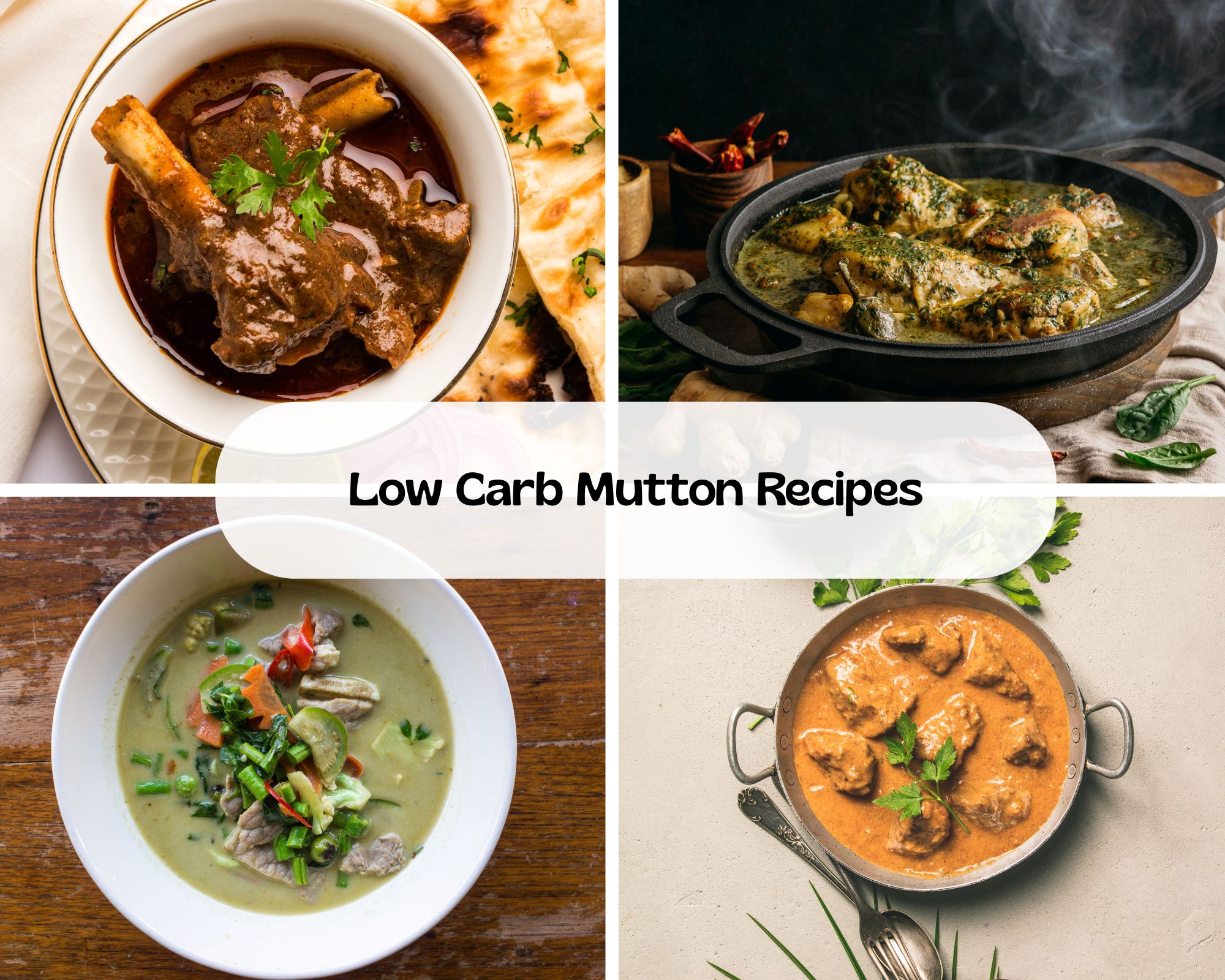
When we talk of high-fat and low-carb recipes, meat and fish dishes are popular choices, and making them the Indian way is my favourite. Indian cuisine is a spectrum of flavours, techniques, and traditions, each dish telling a story of region, culture, and comfort. With tasteful masala preparation and slow cooking this dishes become the best choices for main course meals.
Mutton recipes, however, are often seen as indulgent and heavy. But what if we flipped that idea? Today, we’re exploring two hearty, nourishing mutton dishes that are not only rich in flavour but also align beautifully with a high-fat, low-carb lifestyle, perfect for those seeking comfort food without compromise. Let’s dive into two classics: the soulful Hyderabadi Marag and the regal Mutton Dum Pukht.
Low Carb High Fat Mutton Recipes For Main Course Meal
Hyderabadi Marag: A Bowl of Comfort & Strength
It is rich in collagen and protein from bone-in mutton, it has healthy fats from ghee and nuts, low in carbs, making it ideal for keto-inspired diets and perfect for a protein-rich, low-carb meal.

Ingredients
- 500g mutton with bones
- 1 onion (sliced)
- 2 tbsp ghee
- 1 tbsp ginger-garlic paste
- Whole spices (cinnamon, cloves, cardamom, bay leaf)
- 2 tbsp cashew paste
- 1 tbsp poppy seed paste
- ½ cup yogurt
- Salt to taste
- Fresh coriander
Method
- Start by heating the ghee and sautéing the whole spices until aromatic.
- Now add onions and cook until soft and golden, ensuring they are cooked perfectly to get a caramelised taste.
- Stir in ginger-garlic paste, then add mutton pieces. You can use boneless or with bones, as you like.
- Sear well, then add yoghurt, cashew paste, and poppy seed paste. I go less on poppy seed paste and more on pumpkin seed paste with mint to balance the heat of the dish, especially during summers, if it is on my menu.
- Pour water as per your liking and let it simmer on low heat for 45–60 minutes, traditionally it is around 2 hours, but you can even pressure cook it for 30 minutes if you want a quick meal.
- Once the mutton is cooked, taste and adjust the seasoning according to your taste and garnish with fresh coriander.
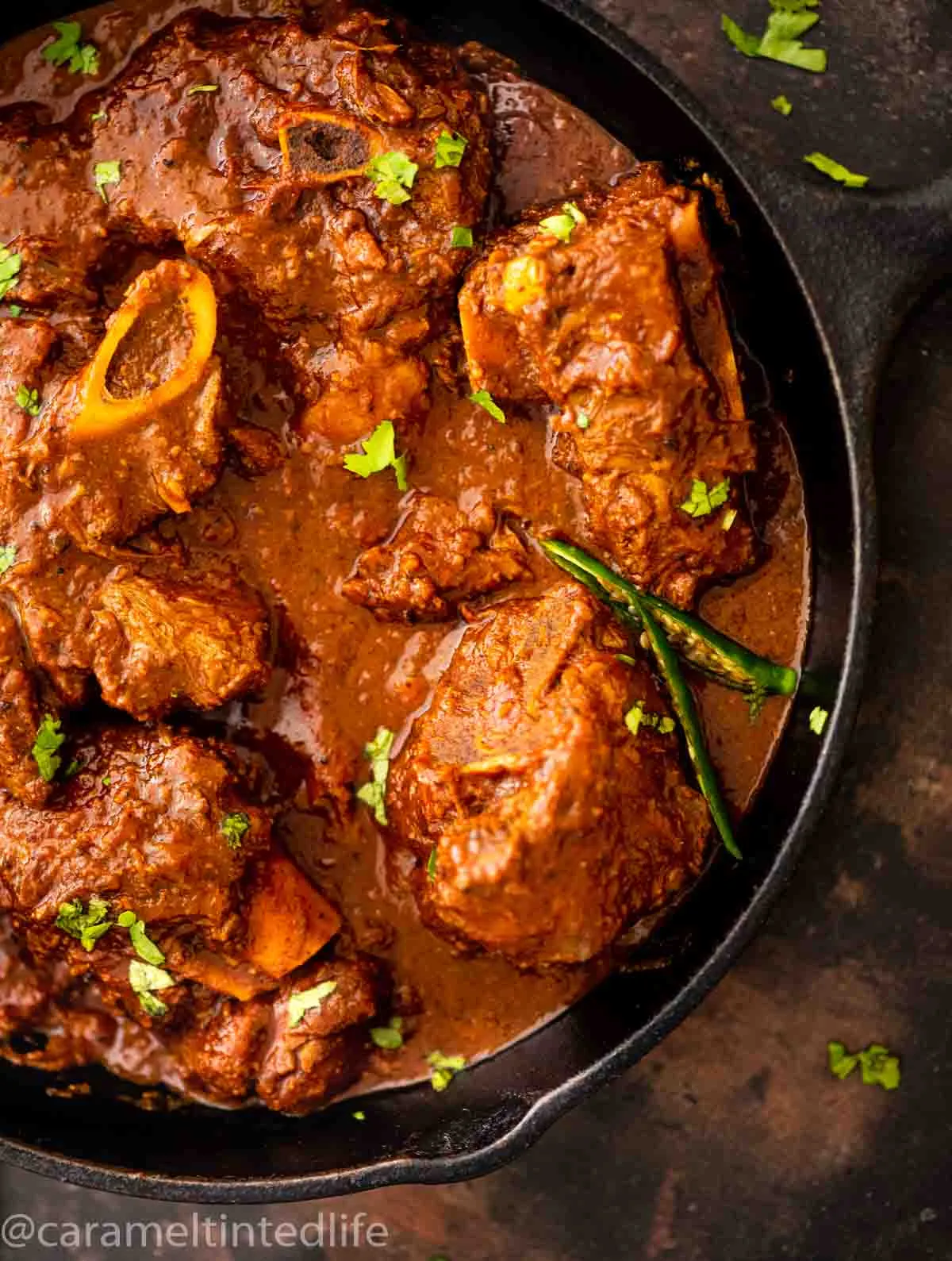
Mutton Dum Pukht: Slow-Cooked Royal Indulgence
Mutton Dum Pukht is a legacy dish from Mughlai cuisine, where mutton is cooked slowly in a sealed pot “dum,” locking in flavours and nutrients. It’s a rich, aromatic, and deeply satisfying classic vintage recipe. This is high in healthy fats and protein, has minimal carbs, especially when paired with salads instead of rice. And the slow cooking method with covering retains nutrients and improves the digestibility of this main course meal.
Ingredients
- 500g mutton
- 2 onions (fried)
- ½ cup yogurt
- 2 tbsp ghee or mustard oil
- 1 tbsp ginger-garlic paste
- Whole spices (cardamom, cloves, cinnamon)
- 1 tsp garam masala
- Saffron soaked in warm milk (optional)
- Salt to taste
Method
- For this dish, you need to marinate mutton with yoghurt, spices, and ginger-garlic paste for 2–3 hours; overnight is suggested for deep flavouring. Marination meal prep is another idea to make your Indian curry preparation easy and enhance flavours.
- During marination of meat dishes, I like to add coriander, fennel seed, and mint leaves paste to balance the heat, especially in summer, making it season-compliant. You can try the same.
- Now, in a pot, heat the ghee, add the whole spices, and layer the marinated mutton.
- Add fried onions and saffron milk on top.
- Now seal the pot with dough and cook on low heat for 1–1.5 hours. Traditionally, in the royal kitchens, it was done overnight on charcoals or low flames.
- Let it rest before opening; this enhances flavour absorption.
- Mutton dum pukth needs to be cooked slowly on seal, so avoid a pressure cooker for authentic taste.
- You can layer this with rice on top and have a tasty and healthy Dum pukht recipe ready.
Food Facts
- Hyderabadi Marag was traditionally served as a starter to aid digestion before heavy meals.
- Dum cooking (Dum Pukht) dates back to royal Mughal kitchens, emphasising slow cooking for maximum flavour.
- Mutton is a great source of iron, zinc, and B vitamins, supporting energy and immunity. Making this main dish idea among nutrition-rich and healthy recipes.
Frequently Asked Questions:
1. What makes mutton marag unique?
Ans) Mutton Marag is a Hyderabadi delicacy known for its light, aromatic broth enriched with tender mutton, milk, and subtle spices. Unlike heavy curries, it has a silky, soup-like texture with fried onions and cashew paste, making it both comforting and refined, often served as a royal starter.
2. Are Marag and Paya the same?
Ans) No, Marag and Paya are different. Marag is a mild, creamy mutton soup from Hyderabadi cuisine, while Paya is a rich, slow-cooked stew made from trotters, popular in North India and Pakistan. Paya has a gelatinous texture, whereas Marag is lighter and more delicately spiced.
3. How long does Dumpukht take to cook?
Ans) Dum Pukht is a slow-cooking technique that can take anywhere from 1.5 to 6 hours, depending on the dish. Food is sealed in a pot and cooked on low heat, allowing flavours to develop gradually. The process ensures tender meat, aromatic richness, and deep infusion of spices.
4. What is the history of Dum pukht?
Ans) Dum Pukht originated in the royal kitchens of Awadh during the Mughal era, especially under Nawab Asaf-ud-Daula. It involves slow cooking in sealed pots, allowing ingredients to cook in their own juices. This technique became synonymous with luxurious, aromatic dishes like biryanis and rich meat curries.
Final Note
In a world leaning toward mindful eating, these dishes prove that traditional recipes can be both indulgent and nourishing. Recipesliving is all about food, from healthy to indulgent, and these main course meal dishes focus on quality fats, protein, and slow cooking, which fit seamlessly into modern dietary preferences like low-carb meals and keto lifestyles.
Mutton is considered a heavy meal, but it doesn’t have to be; it can be healing, wholesome, and incredibly satisfying when prepared right with some tweaks for all seasons. Whether you’re sipping a warm bowl of Marag or savouring the richness of Dum Pukht, you’re not just eating, you’re experiencing a legacy.
So, the next time you crave something comforting yet nourishing, give these recipes a try, and rediscover mutton in a whole new light. To know more such delicious dishes, follow us on Recipesliving.
– P. Manika (Performist Content Writer)
