Zero-Waste Holiday Feasting: A Guide to Root-to-Stem Cooking and Food Preservation
November 25, 2025
By Marium Arsalan (Content Contributor for Performist Pte Ltd)
The holiday season is one of the most magical times of the year—filled with laughter, gatherings, and tables overflowing with delicious dishes. But let’s be honest: it’s also the season when food waste skyrockets. Between ambitious recipes, oversized portions, and leftovers forgotten in the fridge, so much good food ends up in the bin.
This year, let’s try something different. Imagine a holiday table where every ingredient is valued, every scrap is used, and nothing goes to waste—without compromising taste or festivity.
That’s the beauty of zero-waste holiday feasting. By embracing root-to-stem cooking and smart food preservation, you can create memorable, flavorful meals while caring for your wallet—and the planet.
Why Zero-Waste Cooking Matters—Especially During the Holidays
Studies show that roughly 30–40% of all food produced globally is wasted, and holiday seasons account for a significant share of that. When food is thrown away, it’s not just the ingredient we lose—it’s the resources behind it: water, energy, transportation, packaging, and labor.
By choosing a zero-waste approach, you get:
a) Healthier, fresher meals packed with nutrients.
b) Lower grocery bills—you’ll be amazed at how much goes further when nothing is wasted.
c) Better flavors, since many “scraps” are surprisingly tasty.
d) Mindfulness in the kitchen, turning cooking into a more intentional and rewarding experience.
And the best part? Zero-waste cooking does not mean compromising on taste or festive flair. In fact, it enhances both.
What Is Root-to-Stem Cooking?
Root-to-stem cooking is all about using every edible part of vegetables and fruits, including stems, leaves, peels, and seeds that most of us normally toss. Not only does this reduce waste, but it also introduces new flavors and textures to your dishes.
For example:
a) Carrot tops can become a fresh, herby pesto.
b) Broccoli stems can add crunch to a salad or soup.
c) Citrus peels can be candied, zested, or infused into drinks.
It’s a simple concept, but it can transform your holiday meals.
Root-to-Stem Cooking Ideas for Your Holiday Menu

Here are some ways I love using the whole ingredient:
1. Carrot Tops → Pesto or Chimichurri
Carrot greens have a fresh, earthy flavor similar to parsley. Toss them with garlic, olive oil, nuts, and a squeeze of lemon to make a vibrant pesto. Use it as:
a) A pasta sauce
b) A topping for roasted potatoes
c) A spread for bread or sandwiches
2. Broccoli & Cauliflower Stems → Soups or Stir-Fries
Most people discard stems, but they’re tender and full of flavor.
a) Dice and sauté for creamy soups
b) Slice thinly for stir-fries
c) Grate into salads or slaws
3. Pumpkin Seeds → Roasted Snacks
Instead of tossing seeds, roast them with a little oil, salt, and paprika. Sprinkle them on soups, salads, or just enjoy as a crunchy snack.
4. Herb Stalks → Flavorful Broths
Coriander, parsley, or mint stalks are packed with flavor. Toss them into:
a) Homemade broth
b) Rice water for extra aroma
c) Herb butter for roasting
5. Citrus Peels → Zest, Syrup, or Infused Drinks
Leftover lemon, orange, or lime peels can be:
a) Zested for desserts
b) Simmered into a simple syrup
c) Added to tea or cocktails
d) Roasted with vegetables for extra aroma
6. Potato Skins → Crispy Snacks
Season potato skins with paprika, garlic powder, and salt, then bake until crispy. Instant, healthy chips!
Preserving Food: The Other Half of Zero-Waste Cooking
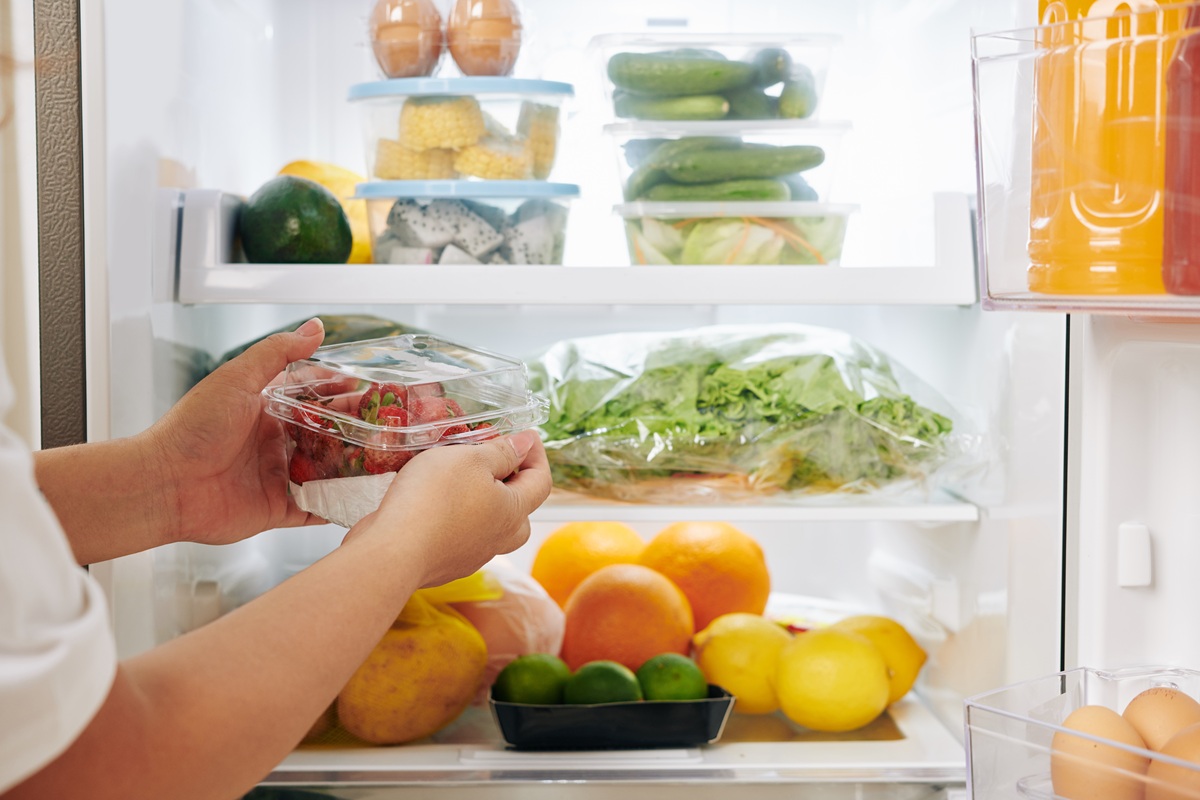
Even with root-to-stem cooking, leftovers and extra ingredients can pile up. Food preservation is your holiday superhero, keeping food fresh, tasty, and ready for future meals.
1. Refrigeration Tips
a) Leafy greens: Store in airtight containers with a paper towel to absorb moisture.
b) Carrots, celery, cucumbers: Keep in cold water to stay crisp.
c) Berries: Rinse in a vinegar-water solution (1:3), dry, then refrigerate.
d) Cooked dishes: Store in shallow glass containers for faster cooling and label with dates.
2. Freezing Hacks
a) Vegetables: Blanch before freezing to retain color and nutrients.
b) Herbs: Chop and freeze in ice cube trays with olive oil for soups or sautés.
c) Meat & poultry: Freeze in meal-sized portions with labels.
d) Leftover dishes: Turkey, mashed potatoes, stuffing, soups, and casseroles freeze well. Avoid freezing cream-heavy sauces—they can separate.
3. Pickling & Fermentation
Pickling and fermenting are great ways to transform extras into long-lasting, flavorful additions. Quick pickles or fermented vegetables like kimchi and sauerkraut can last weeks or even months while adding delicious tang to meals.
4. Dehydrating or Oven-Drying
a) Citrus slices: Tea, cocktails, or décor
b) Tomato skins: Make tomato powder for soups or pasta sauces
c) Apple & pear peels: Healthy snacks
Dehydration turns scraps into pantry staples that last and taste great.
Smart Tips for a Zero-Waste Holiday Kitchen
1. Plan Your Menu Carefully
Buy only what you need, and choose versatile ingredients that can appear in multiple dishes.
2. Reinvent Leftovers
You can give your leftovers a second life by transforming them into new, tasty meals:
a) Turkey: Use it later to make sandwiches, wraps, fried rice, or hearty soups.
b) Roasted vegetables: Turn them into frittatas, grain bowls, or blended soups.
c) Bread: Repurpose it as croutons, stuffing, or a sweet bread pudding.
3. Organize Your Fridge
Use clear containers, place older items in front, and follow the “first in, first out” principle.
4. Compost What Can’t Be Eaten
Even with zero-waste cooking, some scraps can’t be used. Composting is an eco-friendly way to handle them.
Zero-Waste Doesn’t Mean Less Celebration—It Means More Value
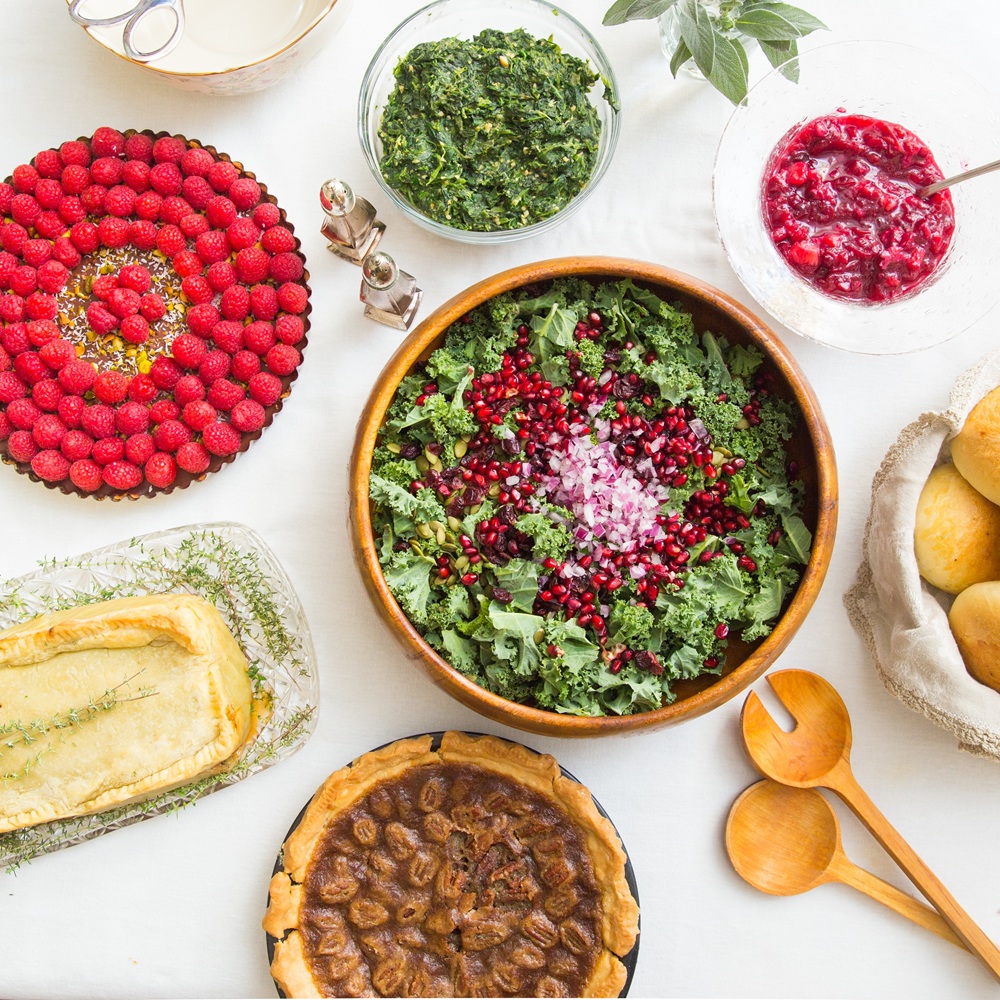
A zero-waste holiday feast is not about limiting your menu or cutting back on joy. Instead, it’s about valuing every ingredient, cooking creatively, and using smart preservation techniques that extend the life of your food.
From turning vegetable scraps into flavorful dishes to using freezing and pickling to preserve leftovers, this approach brings sustainability and mindfulness to your holidays—while still keeping the table full and festive.
This season, celebrate with intention. Let every part of your ingredients shine, and enjoy a holiday feast that nourishes your family, your wallet, and the planet.
FAQs – Your Zero-Waste Questions Answered
1. What is zero-waste cooking?
It’s about using every edible part of ingredients, planning meals thoughtfully, and storing or preserving food to prevent waste.
2. Is root-to-stem cooking safe?
Absolutely! Just wash your produce thoroughly and avoid any parts that are extremely tough or bitter.
3. Can all vegetables be used root-to-stem?
Not all, but many can. Carrots, beets, broccoli, cauliflower, squash, citrus, and herbs all have edible scraps.
4. What foods freeze well during the holidays?
Soups, roasted meats, mashed potatoes, casseroles, cooked vegetables, bread, and herbs freeze wonderfully.
5. How long can leftovers stay in the fridge?
Most cooked holiday foods last 3–4 days. Label containers and freeze anything you won’t eat in that time.
6. How can I organize my fridge to prevent waste?
Place older items in front, newer ones in back. Use clear containers and dedicate drawers for vegetables to keep them fresh.
7. How can I use leftover vegetable scraps quickly?
Soups, sauces, stir-fries, frittatas, pestos, and smoothies are all perfect ways to use scraps.
8. What can I do if I’m tired of leftovers?
Transform them! Turkey → sandwiches, fried rice, soups. Vegetables → bowls, soups, smoothies. Bread → croutons, pudding.
9. Are pickling and fermentation good long-term preservation methods?
Yes! They extend shelf life, add flavor, and even provide healthy probiotics.
10. How can I compost at home?
Use a countertop bin, backyard composter, or bokashi system. Compost fruit, vegetables, coffee grounds, and eggshells. Avoid meat, dairy, and oily foods unless using a specialized system.