Building a Sustainable Kitchen: From Foodservice Trends to Home Chef Habits
March 20, 2026
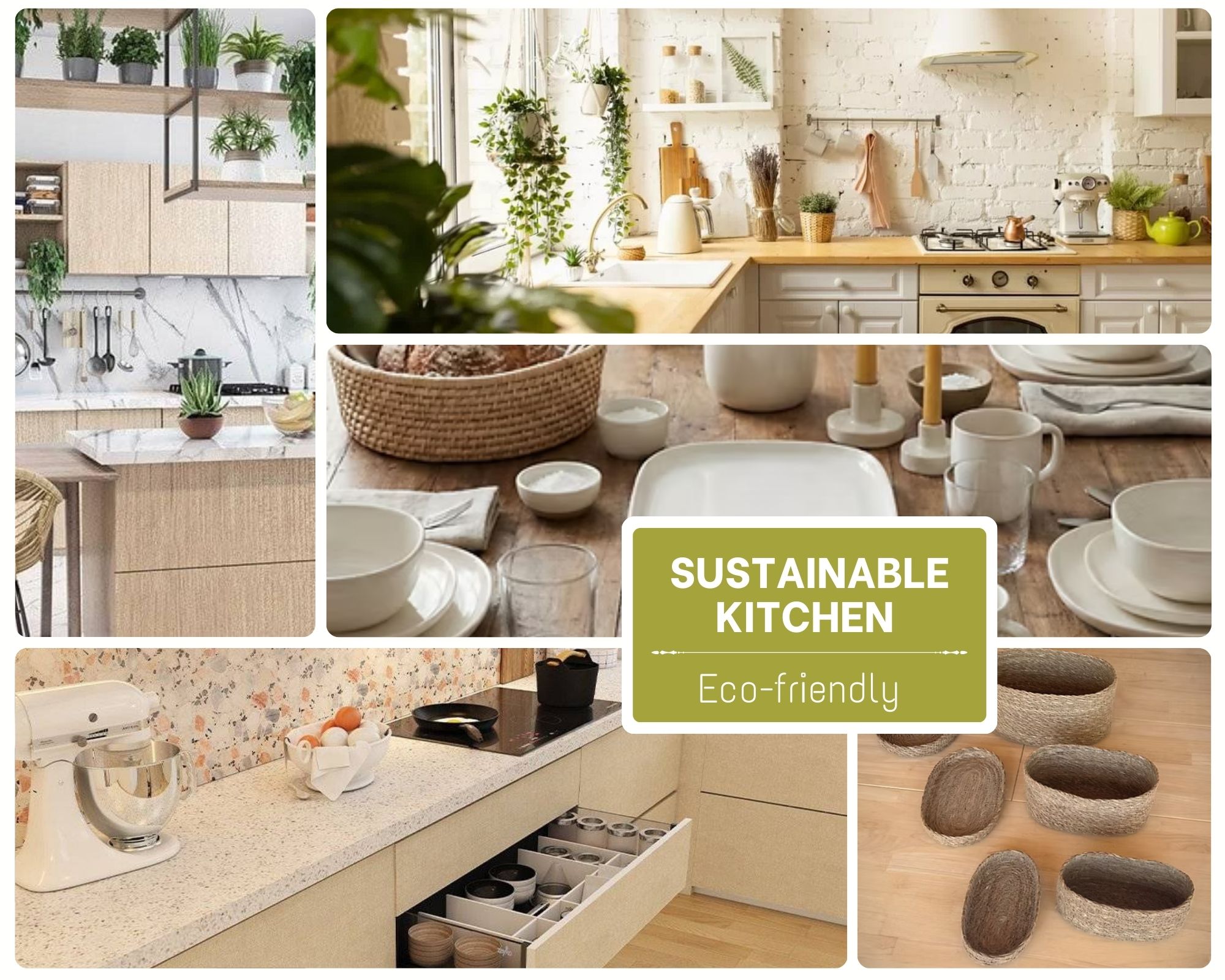
The world is running here, consumption is fast, and waste is faster. A mindful life with mindful and relaxed habits has been overturned by fast food, disposable utensils, and quick solutions. But those disposable items have turned non-disposable in nature, making sustainability no longer optional, but an essential. As a home cook, when I started working, the difference was starkly clear to me. My long cooking hours turned into rushed half meals, and glassware turned into foil or butter paper, the safe-to-wrap options that are disposable.
And one day it strikes you that your old ways were sustainable, your meals were healthy and mindful, but no longer, then you either upgrade to sustainable solutions that are not harmful to your body. Days like Global Recycling Day remind us that small, consistent actions can create meaningful environmental impact. And one of the most powerful places to start? Our kitchens.
From professional foodservice systems to home cooking routines, a shift toward sustainable packaging, zero-waste practices, and compostable solutions is redefining how we cook, store, and consume food.
Why Sustainable Kitchens Matter
A sustainable kitchen refers to a well-organised and devised kitchen system that has utensils, ingredients, storage, and working areas that support environmental sustainability. Kitchens generate a significant amount of waste, plastic packaging, food scraps, and single-use items. By making mindful changes, we can reduce landfill waste, lower our carbon footprint, save money through efficient usage, and support a healthier lifestyle.
Sustainability in the kitchen isn’t about perfection; it’s about progress and conscious choices. One needs to upgrade from the quick disposables to sustainable and long-lasting items. Refurbish ingredients waste, and practise zero waste cooking practises. This would reduce waste and aid in adapting practises that will aid the environmental cause.
And I feel it's about exploring old practices that were environmentally friendly, for instance, using earthen pots, using washed water for plants, avoiding using disposable items, and using ingredients to their full potential. Let's explore such practise in both food services and give you a few tips on how you can include the same in your kitchen.
The Rise of Sustainable Foodservice
Restaurants and food businesses are leading the way with eco-conscious practices that can inspire home kitchens:
Sustainable Packaging:
- Food brands are shifting from plastic to biodegradable and recyclable materials like paper-based packaging, bamboo containers, and plant-based plastics. For instance;
- Many brands like Toblerone, McVitie's, Digestive biscuits, and Natural Valley use paper-heavy or rather paper packaging for their food products.
Compostable Solutions:
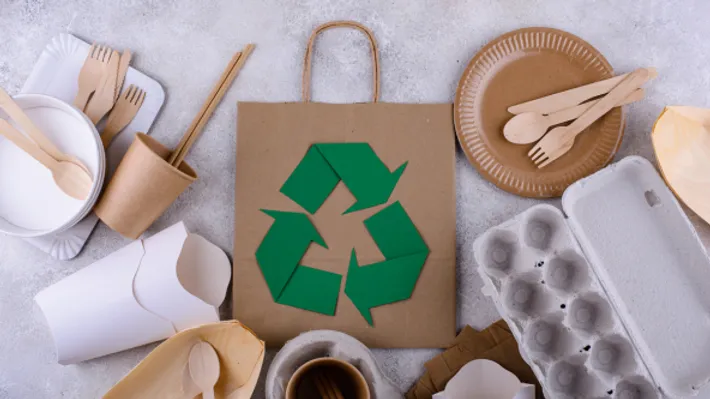
- Cutlery, takeaway boxes, and even coffee cups are now being made from compostable materials that break down naturally without harming the environment.
- Many food chain brands have adopted this practice and have denied plastic disposable, opting for compostable cutlery. For instance;
- Keventers delivers its product in reusable glass bottles.
- McDonald's has reduced plastic cutlery and replaced to paper and compostable fibre materials in many regions.
- Starbucks promotes reusable cups and is investing in compostable and recyclable packaging solutions.
- Many Southeast Asian food businesses and brands use leaf packaging with wooden cutlery as part of eco-friendly packaging in the food industry.
Waste Reduction Systems:
- Professional kitchens are adopting smart inventory systems to minimise food waste, an approach home cooks can easily replicate with better planning.
- For instance, they analyse their sales patterns and forecast demand, then ensure their kitchens prepare only what’s needed, reducing overproduction, food spoilage, and overall waste while improving efficiency and cost control.
Zero-Waste Kitchen: A Home Chef’s Guide
Creating a zero-waste kitchen doesn’t require a complete overhaul. Start small and build habits gradually.
Plan Before You Cook
- Make weekly meal plans, create a list for shopping accordingly, and buy only what you need.
- This prevents over-purchasing and reduces food spoilage.
Use Every Ingredient Fully
- Think of food as a resource, not waste, for instance.
- Turn vegetable peels into stock, wash them thoroughly and boil them for stock
- Use leftover rice for stir-fries.
- Repurpose stale bread into croutons or crumbs.
Store Smartly
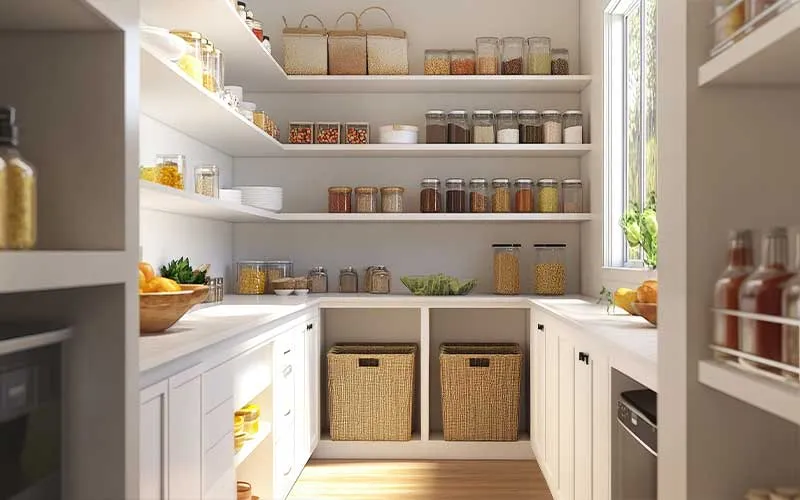
- Use glass jars or airtight containers.
- Label and date stored food, and freeze excess meals for later use.
- Smart storage extends shelf life and minimises waste.
Sustainable Packaging Swaps for Home Kitchens
- Simple swaps can significantly reduce plastic use:
- Replace cling wrap with beeswax wraps
- Use glass or steel containers instead of disposable plastic
- Carry reusable bags for groceries
- Choose products with minimal or recyclable packaging
- These changes are easy, affordable, and long-lasting.
Composting: Turning Waste into Value
/english-betterindia/media/post_attachments/uploads/2022/12/Composting-1-1670248031.jpg)
- Instead of throwing away food scraps, compost them.
- You can compost Fruit and vegetable peels, Coffee grounds, and Eggshells.
- This has its own benefits, like it reduces landfill waste, creates nutrient-rich soil, and supports home gardening.
- Even small indoor compost bins can make a big difference.
Smart Freezing: The Sustainability Hack
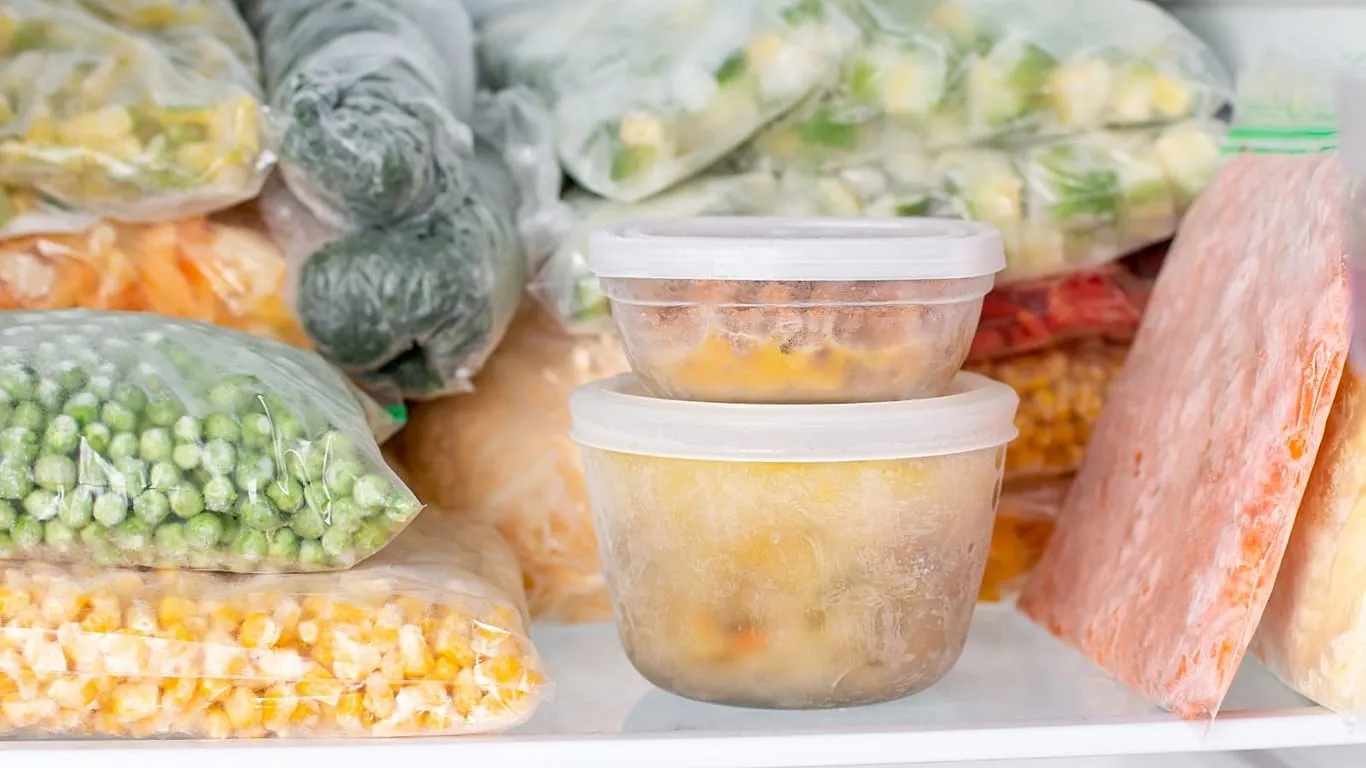
- Freezing is one of the easiest ways to reduce food waste.
- Freeze leftovers in portions
- Store seasonal produce
- Preserve herbs in oil or water
- A well-managed freezer helps you waste less and cook more efficiently.
Mindful Cooking Habits
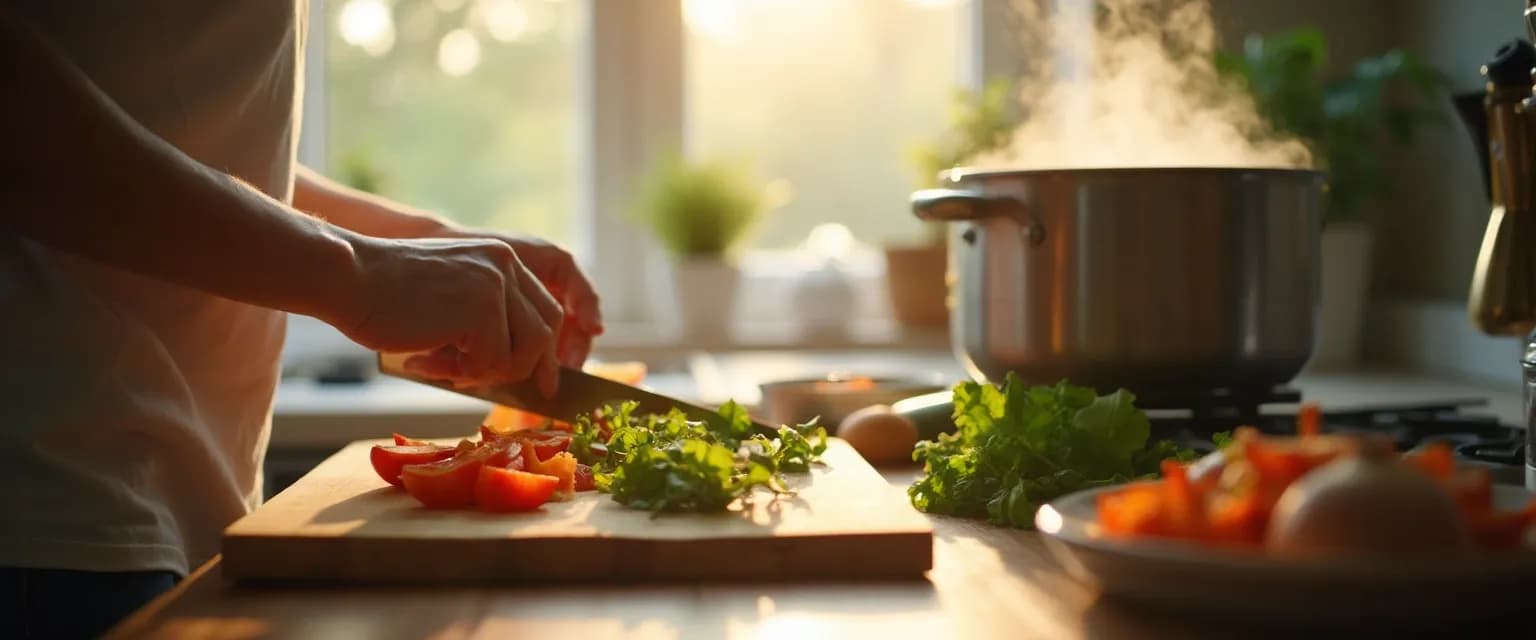
- Sustainability also comes from how we cook:
- Cook in batches to save energy
- Use lids to reduce cooking time
- Opt for seasonal and local produce
- Avoid overcooking and over-serving
- These habits not only reduce waste but also enhance efficiency in the kitchen.
Building Your Eco-Friendly Kitchen
- Transforming your kitchen into a sustainable space is a journey. Focus on:
- Reducing single-use plastics
- Managing food waste effectively
- Choosing reusable and compostable options
- Practising mindful cooking
- Every small step contributes to a larger impact.
A Greener Way Forward
Global Recycling Day is more than a reminder; it’s an opportunity to rethink how we live and cook. By adopting sustainable practices in our kitchens, we not only protect the environment but also create a more thoughtful, efficient, and nourishing way of life. Old ways of cooking included many such practices, and this Global Recycling Day, let’s learn a few old ways to save the environment, be mindful and purposeful in using our kitchen ingredients.
Because the future of food isn’t just about taste, it’s about responsibility, sustainability, and conscious living. Food is sacred to be preserved and elevated to a different level of culinary craft that is sustainable and eco-friendly.
By P. Manika (Performist Content Writer)
