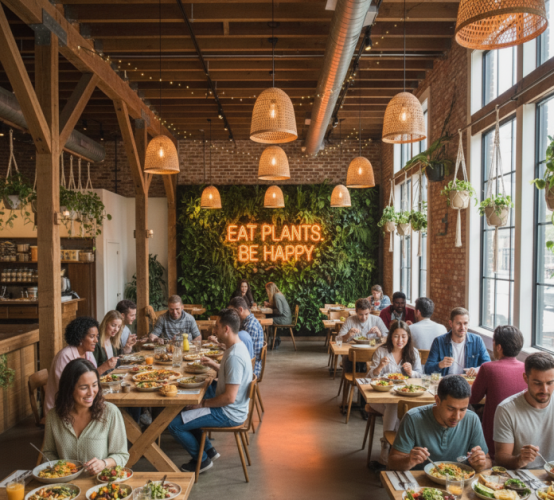
The Beginner's Guide to Plant-Based Eating: Essential Swaps & 3 Easy Recipes
January 16, 2026

Embracing a plant-based lifestyle is one of the most impactful choices you can make for your health, the environment, and animal welfare. However, for many, the transition into plant based diet feels like standing at the foot of a daunting mountain. You might wonder: Will I get enough protein? Will the food taste bland? How do I even start?
The good news is that eating plant based food isn't about restriction; it’s about abundance. It is an invitation to explore a vibrant world of grains, legumes, nuts, seeds, and colorful produce. By shifting the focus from what you are "removing" to what you are "adding," you can transform your kitchen into a hub of nutrition and flavor.
Mastering the Art of the Swap
The secret to a sustainable transition lies in "crowding out" animal products with delicious plant-based alternatives. You don’t need to reinvent your entire culinary repertoire overnight. Instead, look at your favorite meals and apply these essential swaps:
1. The Protein Pivot
Instead of ground beef in tacos or pasta, try lentils or crumbled tempeh. For a "meaty" texture in stir-fries, extra-firm tofu or seitan works wonders. If you miss the convenience of deli meats, smoked chickpeas or thinly sliced marinated portobello mushrooms offer savory satisfaction. It can be a good vegan meat and a good source of protein(high protein vegan foods).
2. Dairy Transitions
The dairy-free market has exploded in recent years with plant-based milk. For coffee, oat milk provides a creamy frothiness that rivals cow's milk. For cooking, unsweetened soy milk is a sturdy, high-protein choice. If you’re craving cheese, nutritional yeast offers a nutty, umami flavor that mimics parmesan, while cashew cream serves as a perfect base for alfredo sauces.
3. The Egg Exchange
For baking, a "flax egg" (1 tbsp ground flaxseed mixed with 3 tbsp water) acts as an excellent binder. For a savory breakfast, a tofu scramble seasoned with turmeric and black salt (kala namak) provides the same texture and sulfurous scent as scrambled eggs.
3 Easy Recipes for a day
To help you get started, here are three high-protein, nutrient-dense recipes. These are designed to be simple, flavorful, and packed with health benefits.
1. The "Power Start" Tofu Scramble
This is a delicius healthy breakfast meal. Unlike eggs, tofu is cholesterol-free and loaded with phytonutrients that support heart health.
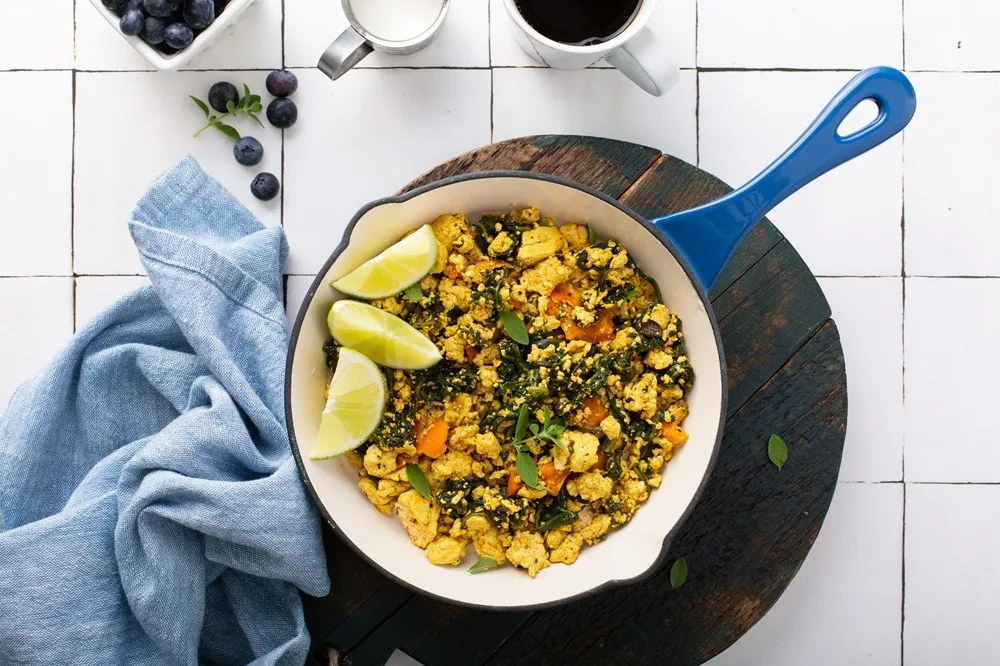
Portion Size: Serves 2
Prep Time: 5 mins | Cook Time: 10 mins
Ingredient | Amount | Calories | Protein | Fiber | Main Benefit |
Firm Tofu | 14 oz (1 block) | 120 kcal | 12g | 2g | High in complete protein & calcium |
Nutritional Yeast | 2 tbsp | 40 kcal | 5g | 2g | B-vitamins & cheesy flavor |
Baby Spinach | 2 cups | 14 kcal | 1.8g | 1.4g | Iron & Vitamin K |
Turmeric | 1/2 tsp | 4 kcal | 0.1g | 0.2g | Anti-inflammatory properties |
Instructions:
Drain the tofu and pat it dry. In a bowl, crumble it into small pieces using a fork.
Heat a non-stick skillet over medium heat with a splash of water or oil.
Add the tofu, turmeric, nutritional yeast, and a pinch of salt/pepper. Sauté for 5 minutes.
Fold in the spinach and cook until wilted.
Serve on whole-grain toast or inside a warm tortilla.
2. Hearty Red Lentil "Bolognese"
Lentils are the unsung heroes of plant-based eating. They are incredibly cheap, shelf-stable, and provide a massive hit of fiber which stabilizes blood sugar levels.
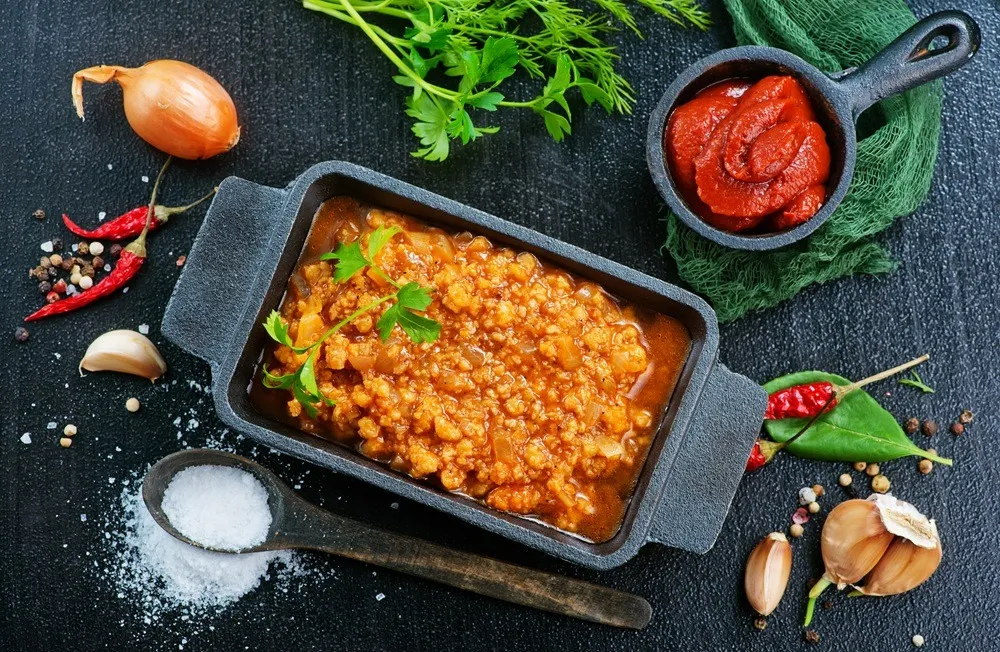
Portion Size: Serves 4
Prep Time: 10 mins | Cook Time: 20 mins
Ingredient | Amount (per serving) | Calories | Protein | Fiber | Main Benefit |
Dry Red Lentils | 1/2 cup | 115 kcal | 9g | 8g | Supports digestive health |
Marinara Sauce | 1 cup | 130 kcal | 3g | 4g | Rich in Lycopene (antioxidant) |
Walnuts (crushed) | 1 tbsp | 45 kcal | 1g | 1g | Omega-3 fatty acids |
Whole Wheat Pasta | 2 oz (dry) | 200 kcal | 8g | 7g | Sustained energy release |
Instructions:
Boil the whole wheat pasta according to package instructions.
In a separate pot, simmer the red lentils in 1.5 cups of water for about 10–12 minutes until soft but not mushy. Drain any excess water.
Stir the marinara sauce into the lentils and add the crushed walnuts for texture. Heat through.
Pour the sauce over the pasta. Top with fresh basil or extra nutritional yeast.
3. Creamy Chickpea & Sweet Potato Curry
This dish is a "one-pot wonder." Sweet potatoes provide complex carbohydrates and Vitamin A, while chickpeas offer a satisfying chew and plant-based iron. This is a good vegan dish for dinner.
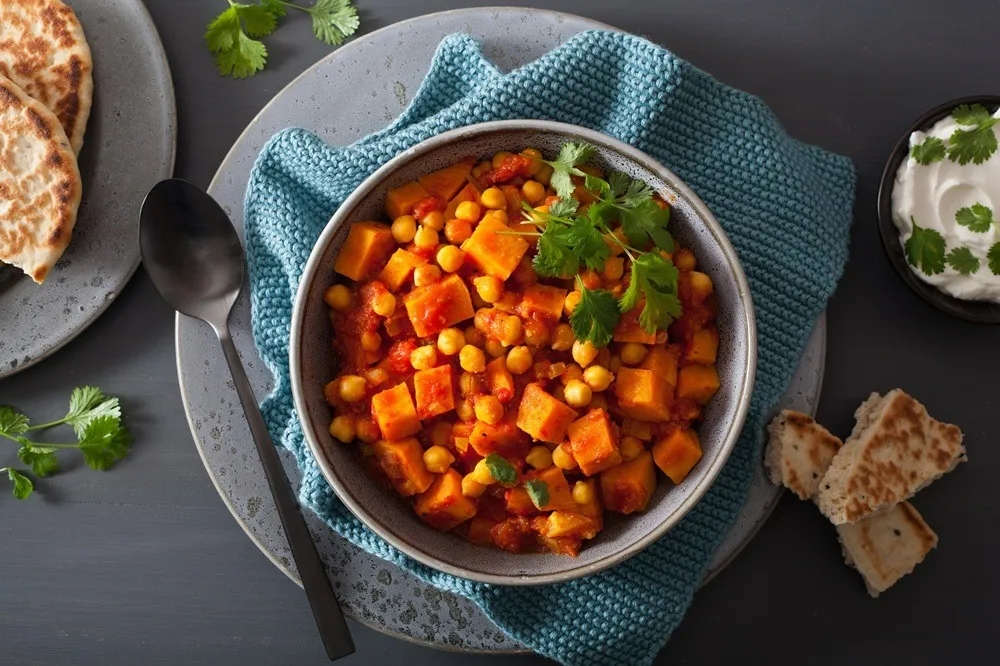
Portion Size: Serves 3
Prep Time: 15 mins | Cook Time: 25 mins
Ingredient | Amount (per serving) | Calories | Protein | Fiber | Main Benefit |
Canned Chickpeas | 1/2 cup | 135 kcal | 7g | 6g | High in manganese & folate |
Sweet Potato | 1 medium | 110 kcal | 2g | 4g | Beta-carotene for eye health |
Coconut Milk (lite) | 1/2 cup | 75 kcal | 1g | 0g | Medium-chain triglycerides (MCTs) |
Kale | 1 cup | 33 kcal | 2g | 2g | High in antioxidants & Vit C |
Instructions:
Peel and cube the sweet potato into 1/2 inch pieces.
In a large pot, sauté a small onion and garlic (optional) until soft.
Add the sweet potatoes, drained chickpeas, and 1 tbsp of curry powder. Stir for 1 minute.
Pour in the coconut milk and 1/2 cup of vegetable broth. Cover and simmer for 15–20 minutes until potatoes are fork-tender.
Stir in the kale at the very end until it softens. Serve over brown rice or quinoa.
Conclusion
Transitioning to a diet which focuses on plant-based food is a journey, not a sprint. By focusing on simple swaps—like trading beef for lentils or eggs for tofu—you reduce the "friction" of changing your habits. The recipes provided above demonstrate that you don't need expensive "superfoods" to thrive; humble ingredients like chickpeas, spinach, and sweet potatoes offer all the macro and micronutrients your body needs to feel energized.
Remember to listen to your body, stay hydrated, and don't be afraid to experiment with spices. Each plant-based meal or vegan food you enjoy is a win for your health and the planet.
FAQS
Q1. Where will I get my protein?
You’ll find abundant high-quality protein in "whole food" sources like lentils, chickpeas, tempeh, and quinoa.They are a source of vegan protein. By eating a diverse range of plant based food like legumes and grains, you easily hit your daily requirements while fueling your muscles with clean, fiber-rich energy.
Q2. Is a plant-based diet more expensive?
Actually, it’s often budget-friendly! While processed "fake meats" can be pricey, the staples of a plant-based food—dried beans, brown rice, oats, and seasonal produce—are some of the most cost-effective and nutrient-dense foods on the planet.
Q3. Do I need to take supplements?
While plants provide almost everything, Vitamin B12 is the one essential nutrient not reliably found in plant foods. Most experts recommend a B12 supplement or consuming fortified foods (like nutritional yeast and plant milks) to support nerve function and brain health.
Q4. Will I feel full without meat?
Yes! The secret is fiber and healthy fats. Unlike animal products, plants are packed with fiber, which slows digestion and keeps you satiated longer. Adding avocados, nuts, or seeds to your meals provides that "rich" mouthfeel and lasting fullness.
Q5. How do I handle social situations?
Focus on flexibility and communication. Most restaurants now offer vegan-friendly swaps, and bringing a delicious plant-based dish to a potluck is a great way to share your lifestyle. It’s about progress, not perfection, so give yourself grace as you navigate menus.
By Chithra Sooraj (Content Contributor)