Protein The Vegan Way: Delicious and Sustainable Protein Source
October 23, 2025
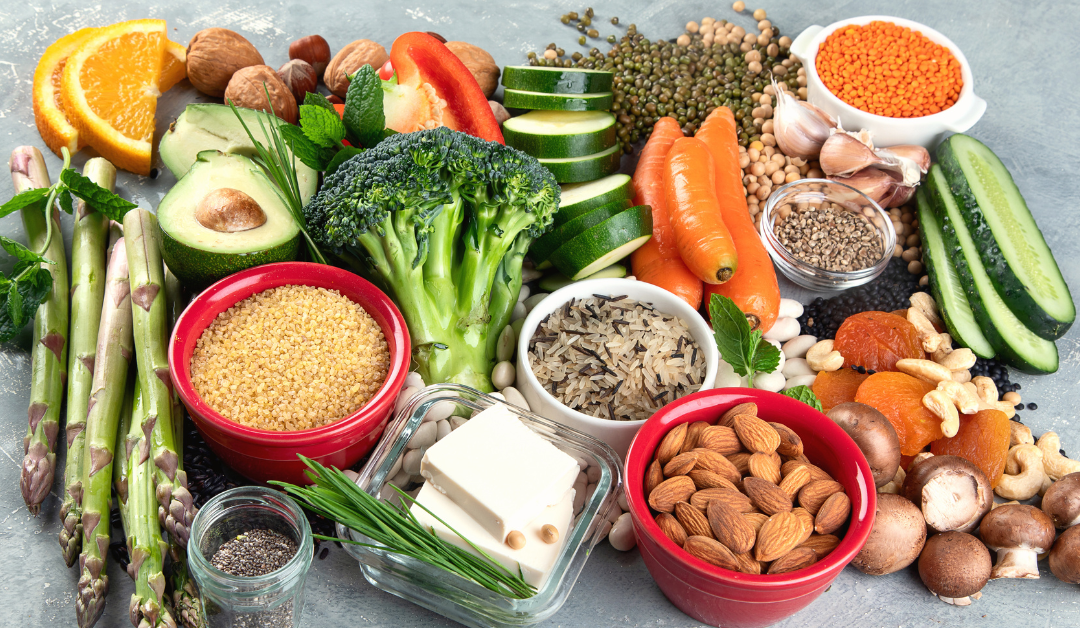
Veganism is the most controversial concept when it comes to exploring global cuisine, and it's filled with misunderstanding. And the biggest would be that Vegan food cannot achieve the necessary protein or have ample protein-rich ingredients. Highlighting that is not true, I have been on a Vegan diet for almost a year now and have no issues with nutritional value or protein intake. There are even alternatives to animal-based products, like dairy, which have been in our preparations for years, yet we, as consumers, are ignorant of the raw ingredients in our cuisine. So, in this blog, let’s explore veganism and plant-based protein sources.
Veganism and Protein Source: Breaking The Myths
While Veganism is a modern concept that started spreading in 1944, it is not new to civilizations. So those who think that changing to a Vegan diet would be inconvenient, and you have to eat a crafted diet. It's more or less a vegetarian diet, only abstaining from dairy and other products obtained from animals. Veganism simply means consuming purely plant-based foods and abstaining from any animal products, in support of abolishing animal cruelty.
Yet, whether it is Vegetarian or vegan, one question that always pops up is getting an adequate protein source. Well, you don't need to worry as nature has an answer for all. Switching to a plant-based diet does not mean compromising on protein source; it merely means changing the source and proportion of your food. In this blog, we bring you a Vegan Protein Source list that you can not and should include in your diet in appropriate proportions.
Protein Paradise: Vegan Superfood That Packs a Punch
1. Tofu
Let's start with the most popular high-protein vegan foods and the best alternative for paneer, made from Soy milk, which is also called Soy Paneer. It is used prominently in East and Southeast Asian cuisine, like, China, Japan, Korea, Thailand, and Vietnam. Tofu is high in protein, containing about 10g of protein per 100 g of Tofu, and you can conveniently get it in stores or online now. It can be used as a substitute in any paneer recipe, so you don't have to worry about what to make out of it. Also, there is stir-fried tofu salad, the most healthy meal prep you can make of Tofu.
2. Rajma (Black Beans/Kidney Beans)
It is largely used in North India and Pakistani Cuisine, along with Latin American, Thai, African, and Caribbean cuisine. In India and Pakistan reddish colored kidney beans are used, while their variety in black is used in other Asian and American-Mexican dishes. It has double benefits as it contains 15g of protein per cup, along with being rich in iron, said to be the best plant-based protein for muscle gain. Popular dishes like Rajma Chawal, Mexican burrito, Black bean soup, Quesadillas, and black bean paste are used as toppings in sweets or with sticky rice.
3. Chickpeas (Garbanzo Beans)
Let me tell you a delicious truth: the classic Chole used largely across Indian states, the Italian and the Middle Eastern famous dish, Vegan protein sources list, and all-time favorites to include in a vegan protein diet plan. One can enhance it by preparing dishes like classic chana masala, curry Chole, hummus with falafel, plain roasted chickpea salad, and beetroot chickpea hummus.
4. Lentils (Moong, Masoor, Toor, Chana dal)
After the mighty legume, moving to the customary food used in many countries' daily diet, which contains 52g of protein per 100g. They are none other than the lentils, or famously known dal, in south asian countries' cuisine. Another great alternative is said to be one of the best plant-based proteins for muscle gain. As suggested, one needs to manipulate the proportion to increase protein content in meals. The most famous dishes made of lentils are Dal, Sambar, Khichdi, Soups, and Cheela (lentil omelet with veggies). One can even try making cutlets of lentils by adding veggies and keeping a thick binding consistency
5. Soya Chunks/ Nutri Nuggets
These are popularly used as mock meat due to their texture and contain 52g of protein per 100g of serving. They can be prepared in a variety of ways and are popularly used in dishes like Soya biryani, Soya Cunk Masala, Stir-fry Soya Chunks, Soya keema, Tikis, and wraps, making them the best to include in a Vegan protein diet plan. Soya chunks are considered the most pocket-friendly Protein substitute. There is an Indonesian dish, Tempeh, prepared from soybeans through fermentation. It is popular domestically for being rich in protein, nearly 18g per 100g of serving, along with fiber, and all 9 types of amino acids.
6. Edamame (Green Soybeans)
Popularly known as Valpapdi or Soyaphalli in India, it is also a high-protein vegan food, containing 8g of protein per 100g of cooked edamame. This can be boiled and fried to eat as snacks or made across Maharashtra in a coconut paste with potatoes. Edamame are widely used in China and Japan as well, but they are cleaned and eaten whole, many times, rather than removing the beans separately.
7. Nuts and Seeds
Nuts and seeds are included in our daily diet, yet not many realize they are recommended because they are high-protein vegan foods. They are the unsung heroes of our daily diet. Let's also know what they are and their ideal consumption proportion. These measurements I have noted from a health-related website. But as per my dietitian's recommendation, one can have 5-8 pieces of nuts according to their health ratio, and for those looking for weight loss, 2-4 soaked pieces.
Peanuts (9g per ¼ cup): one can eat homemade peanut butter or snack on peanuts directly, but they should be roasted and eaten in moderation, that is, not more than ¼ or ½ per day
Almonds (7g per ¼ cup): The most classic method I remember is soaking almonds in water at night, making a paste in the morning, and mixing them with Kesar milk. Other than that, there are smoothies, butter, and energy bites. One can snack on almonds directly, but not more than 8 at a time
Almondette (18-19g per 100g): These are the widely used Charoli or Chironji seeds in Indian Sweets
Pumpkin Seeds (7g per ¼ cup): They are roasted and used for snacking, in sweets, along with nuts, or in energy and granola bars
So turning vegan doesn't mean missing out on protein, but rather it is healthier, sustainable, affordable, and endlessly creative. That being said, we have a lot of plant-based protein alternatives that can give a kick start to your Vegan protein diet plan and yet keep your taste buds satisfied. Hope this helps!
FAQs:
1. What are plant-based protein sources?
Ans) Plant-based protein sources are foods derived from plants that provide essential amino acids. Common examples include lentils, chickpeas, tofu, tempeh, quinoa, nuts, seeds, and beans. These proteins help maintain muscle, repair tissues, and support overall health.
2. Can vegans get enough protein without meat?
Ans) Yes! By eating a variety of legumes, grains, nuts, seeds, and soy products, vegans can meet their daily protein needs. Combining different plant proteins ensures all essential amino acids are consumed, and it can be included accordingly in your vegan protein diet meal.
3. Which are the highest protein plant foods?
Ans) Some of the most protein-rich plant foods include:
Lentils (≈18g per cup cooked)
Chickpeas (≈15g per cup cooked)
Tempeh (≈31g per cup)
Quinoa (≈8g per cup cooked)
Seitan (≈25g per 100g)
4. How much protein do vegans need daily?
Ans) The recommended daily protein intake for adults is around 0.8–1.2 grams per kilogram of body weight, depending on activity level. Active vegans or athletes may require higher amounts.
5. Can plant proteins build muscle like animal proteins?
Ans) Yes! Plant proteins can support muscle growth, especially when combined to provide all essential amino acids. Foods like soy, seitan, tempeh, lentils, and quinoa are highly effective for muscle repair and growth.
6. Are protein powders necessary on a vegan diet?
Ans) Not always, but vegan protein powders (like pea, hemp, rice, or soy protein) are convenient for those with high protein requirements or busy lifestyles. Whole foods should remain the primary protein source whenever possible.
7. What are some easy vegan meals high in protein?
Ans) Most of the Vegan meals are curated around protein-rich ingredients, but some that are high in protein would be,
Chickpea & quinoa salad with veggies
Tofu stir-fry with soy sauce and sesame seeds
Lentil soup with herbs and spices
Vegan chili with beans and vegetables
Nut & seed butter on whole-grain toast
P. Manika
(Performist Content Writer)
