Plant-Based Power Bowl for Energy & Strength
February 16, 2026
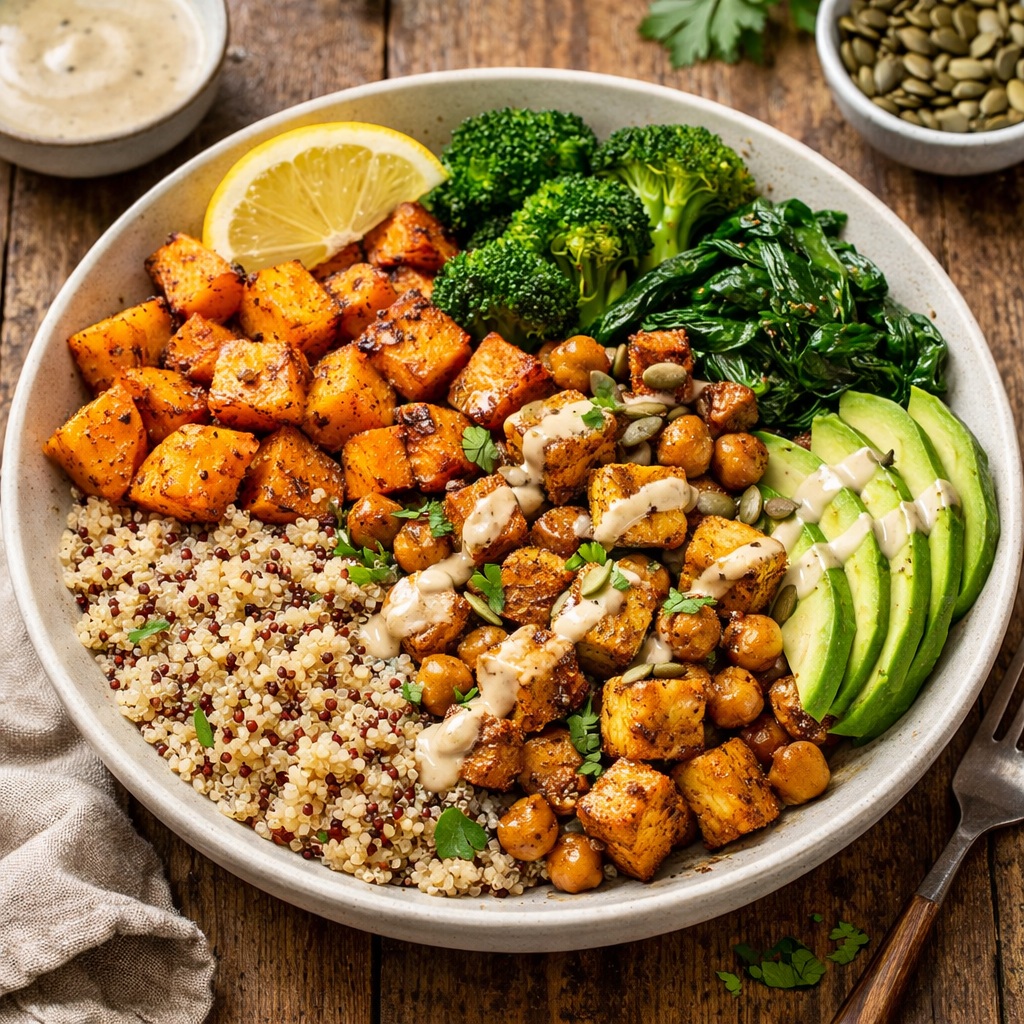
Introduction:
Healthy recipes are no longer about cutting calories or eating bland food in the name of fitness. Today’s plant-based power meals are designed for sustained energy, muscle strength, mental clarity, and long-term wellness—without relying on processed ingredients or artificial supplements.
A well-balanced plant-based protein meal can outperform many animal-based dishes when it comes to nutrition, digestion, and daily energy levels. This recipe sits right at the intersection of clean eating, strength-focused nutrition, and real-world practicality. It’s ideal for professionals, fitness enthusiasts, and those following a high protein vegetarian diet plan or looking for high protein vegetarian foods that actually keep them full.
Whether you are looking for a high protein vegan meal plan or simply exploring vegan food, this dish is one of the most reliable vegan protein sources you can add to your weekly routine. Let’s dive into a meal designed for energy and strength.
The Recipe: Plant-Based Power Bowl for Energy & Strength

Why This Recipe Is Special
This isn’t just another vegan bowl thrown together for aesthetics.
The specialty of this recipe lies in its strategic nutrient pairing:
Complex carbohydrates for sustained energy
Complete plant proteins for muscle repair
Healthy fats for hormone balance and brain function
Micronutrients that support immunity and digestion
Every ingredient has a purpose. Nothing is decorative. Nothing is filler.
This plant-based power meal is designed to:
Prevent energy crashes
Support strength training and active lifestyles
Keep you full for hours
Taste deeply satisfying without heavy sauces
Recipe Overview
Recipe Type: Healthy plant-based main course
Cuisine Style: Modern whole-food vegan
Difficulty Level: Easy to Moderate
Best For: Beginners, fitness-focused individuals, meal prep
Preparation Time & Cooking Duration
Prep Time: 20 minutes
Cooking Time: 30 minutes
Total Time: 50 minutes
Servings & Portions
Serves: 2 large portions or 3 moderate portions
Calories (Approx.)
Per Serving: ~520–560 calories
Difficulty Level & Beginner Suitability
Difficulty Level: ★★☆☆☆ (2/5)
Beginner-Friendly: Yes
Kitchen Techniques Required
For beginners, you should be comfortable with:
Basic chopping
Sautéing on medium heat
Oven roasting
Seasoning to taste
No advanced culinary skills needed. No special equipment required.
This makes it one of the most accessible healthy plant-based recipes for anyone starting out.
Nutritional Facts (Per Serving – Approximate)
Protein: 26–28g
Carbohydrates: 55–60g
Healthy Fats: 18–20g
Fiber: 14–16g
Iron: ~30% of daily value
Magnesium: ~25% of daily value
Vitamin C: ~40% of daily value
This places the dish squarely among high-protein healthy recipes and plant-based power meals for energy & strength.
Ingredients: Whole Foods That Work Together
Base Ingredients
1 cup cooked quinoa (or tri-color quinoa)
1 cup cooked chickpeas (boiled or pressure-cooked)
1 medium sweet potato, cubed
1 cup broccoli florets
1 cup spinach or kale (lightly sautéed or raw)
Protein & Healthy Fats
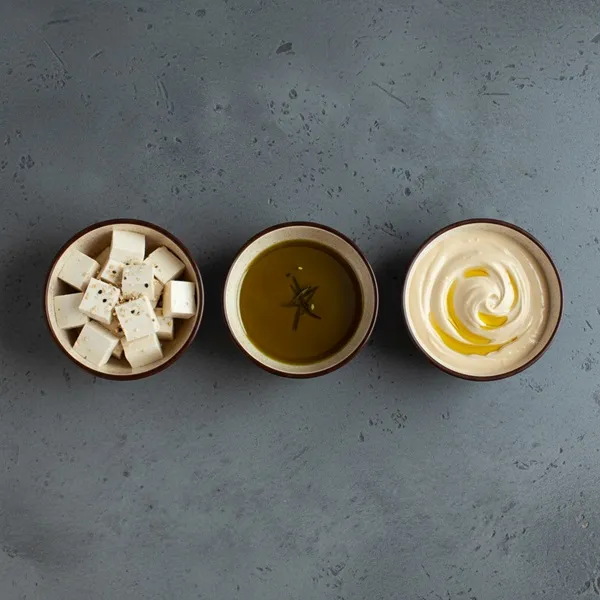
150g extra-firm tofu, cubed
1 tablespoon olive oil
1 tablespoon tahini (optional but recommended)
Flavor & Seasoning
1 teaspoon smoked paprika
½ teaspoon cumin powder
½ teaspoon turmeric
1 teaspoon garlic (minced)
Salt to taste
Black pepper to taste
Fresh lemon juice (½ lemon)
Optional Add-ons (Highly Recommended)
Pumpkin seeds or sunflower seeds (1 tablespoon)
Avocado slices
Fresh herbs like parsley or coriander
Cooking Method & Step-by-Step Instructions
Step 1: Roast the Sweet Potato (15–18 minutes)
Preheat your oven to 200°C (392°F).
Toss the cubed sweet potato with:
½ tablespoon olive oil
Smoked paprika
Salt and pepper
Spread evenly on a baking tray and roast until golden and soft. This roasting method enhances natural sweetness and keeps nutrients intact.
Technique Tip for Beginners:
Even-sized cubes cook evenly. This is one of the most basic and essential kitchen skills.
Step 2: Prepare the Protein (10 minutes)
Heat a pan on medium heat. Add the remaining olive oil and sauté:
Garlic
Tofu cubes
Once lightly golden, add chickpeas, cumin, turmeric, and a pinch of salt. Stir gently to avoid breaking the tofu.
Why This Matters:
This combination creates a complete amino acid profile, making the dish ideal for strength and recovery.
Step 3: Cook the Greens (5 minutes)
Add broccoli to the same pan and sauté briefly. Then add spinach or kale and cook just until wilted.
Beginner Technique:
Avoid overcooking greens. Bright color = preserved nutrients.
Step 4: Assemble the Power Bowl (5 minutes)
In a wide bowl:
Layer quinoa as the base
Add roasted sweet potatoes
Spoon over tofu-chickpea mix
Add greens
Drizzle tahini and lemon juice
Top with seeds and herbs
Meal Prep & Storage Tips
Keeps well in the refrigerator for 3 days
Store sauce separately for best texture
Ideal for lunchboxes and post-workout meals
Why This Is a True Plant-Based Power Meal
This recipe qualifies as a plant-based power meal for energy & strength because:
Quinoa provides slow-release carbohydrates and complete protein
Chickpeas support muscle repair and gut health
Tofu adds dense, low-fat protein
Sweet potatoes fuel workouts and recovery
Healthy fats improve nutrient absorption
Unlike many “healthy recipes” that leave you hungry, this meal keeps energy levels stable for hours.
Conclusion: A Healthy Recipe That Delivers on Every Level
This plant-based power bowl isn’t about trends or labels. It’s about eating intelligently, enjoying real food, and giving your body what it actually needs to perform.
As someone deeply invested in both food and content quality, I can say with confidence: this is the kind of healthy recipe readers return to, save, and cook repeatedly.
If you’re serious about clean eating, strength-focused nutrition, and sustainable energy—this meal belongs in your weekly rotation.
Frequently Asked Questions (FAQs)
1. Is this recipe suitable for weight loss?
Yes. Despite being nutrient-dense, the high fiber and protein content promote satiety, helping reduce unnecessary snacking.
2. Can I replace quinoa with another grain?
Absolutely. Brown rice, millet, or buckwheat work well while keeping the recipe plant-based and energy-focused.
3. Is this plant-based power meal good for gym-goers?
Yes. The protein-to-carb ratio supports muscle recovery and sustained energy, making it ideal for pre- or post-workout meals.
4. Can beginners cook this recipe successfully?
Definitely. The steps are straightforward, and the techniques used are basic kitchen fundamentals.
5. How can I increase protein further?
Add lentils, edamame, or increase tofu quantity. A sprinkle of hemp seeds also boosts protein naturally.
By Chithra Sooraj(Digital marketing Executive)
