How to Store Food Properly and Keep It Healthy in the Fridge
November 27, 2025
By Marium Arsalan (Content Contributor for Performist Pte Ltd)
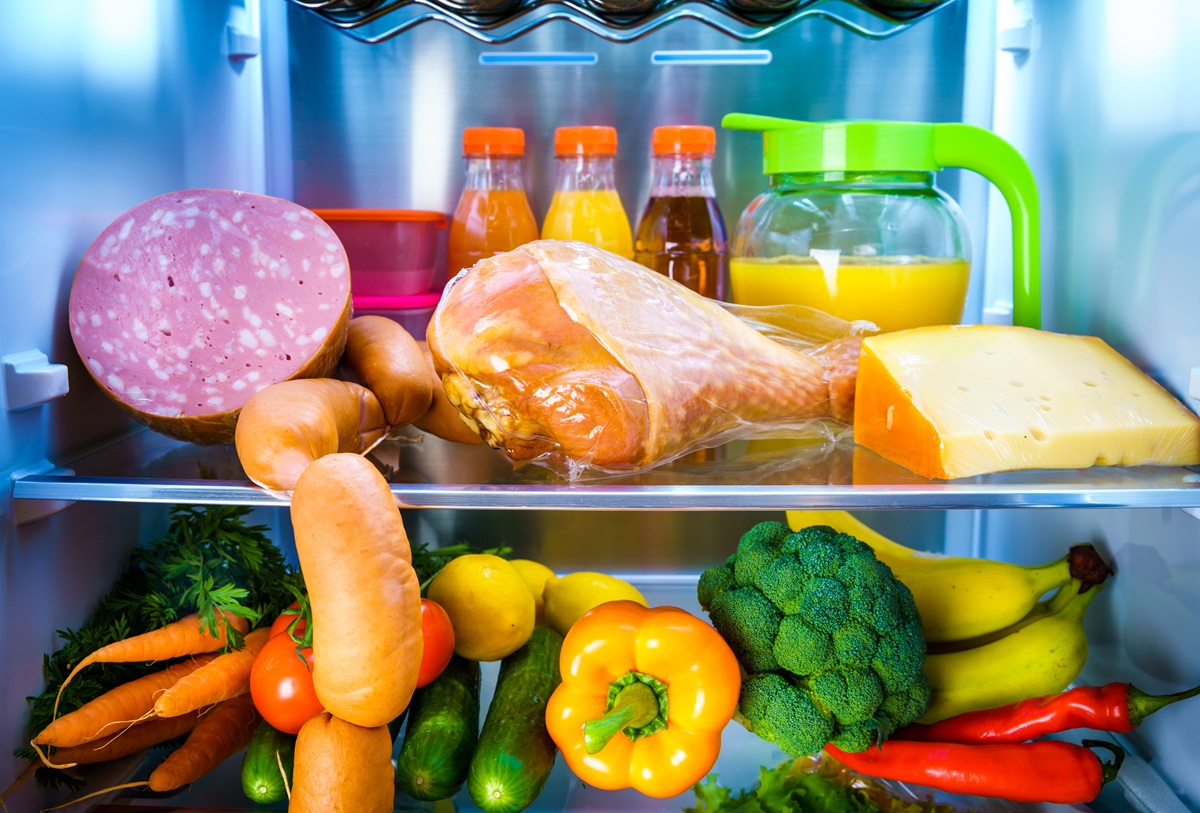
Ever opened your fridge and found wilted lettuce, soggy leftovers, or half-forgotten fruits pushed to the back? You’re not alone. Many of us load our fridge without much thought, tossing items wherever they fit. But how you store food — from temperature settings and container choice to placement and hygiene — plays a huge role in how long it stays fresh, safe, and nutritious.
Learning how to store food properly in the fridge isn’t just about keeping things organized; it’s about protecting your health, saving money, and reducing food waste. In this guide, we’ll cover fridge storage tips, freezing food the right way, and simple strategies to keep your fruits, vegetables, dairy, and leftovers at their best. Follow these practical tips, and your food will stay fresher, tastier, and healthier for longer.
Why Proper Food Storage Matters
Storing food correctly is not just about organization; it directly affects your health. When food is stored improperly, bacteria multiply quickly, increasing the risk of food poisoning. Fresh produce spoils faster, leftovers develop off-flavors, and dairy items may go bad before their expiry date. With rising grocery costs globally, letting food spoil also means wasting money.
By learning smart storage habits, you can stretch the life of fruits, vegetables, dairy, meats, and cooked meals — all while maintaining nutrition and taste.
Keep the Right Temperature
1. Refrigerator
Ideal temperature: 1°C–4°C
This keeps food cold enough to slow bacterial growth but not so cold that it freezes.
2. Freezer
Ideal temperature: –18°C or lower
At this temperature, bacteria stop multiplying, keeping food safe for months.
Using a small fridge thermometer helps ensure your appliances are always at the correct temperature.
Organize Your Fridge in Functional Zones
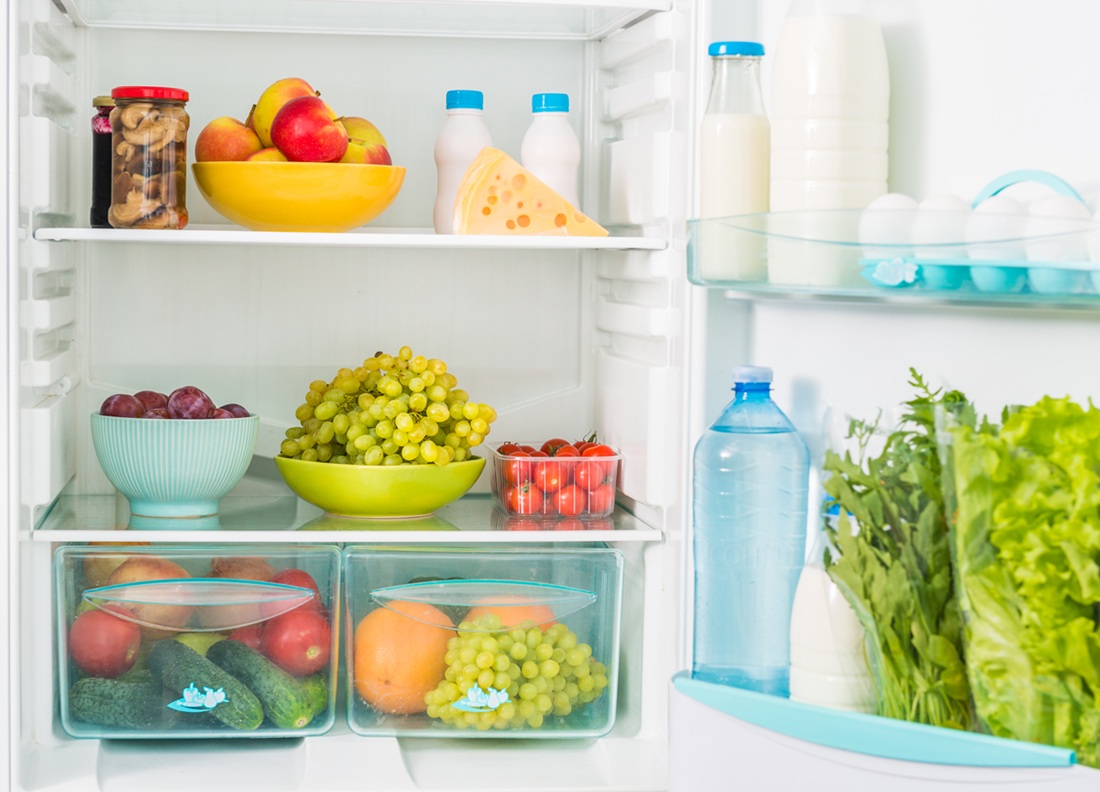
Each part of the fridge serves a purpose. Placing food in the right zone increases freshness and prevents contamination.
1. Top Shelf – Ready-to-Eat Foods
Stable temperatures make this area ideal for:
a) Leftovers
b) Cooked meals
c) Dairy items
d) Ready-to-eat packaged foods
e) Drinks
2. Middle Shelf – Snacks, Milk & Eggs
Good for:
a) ilk (stays cooler here than on the door)
b) Eggs (in original carton)
c) Snacks and boxed items
3. Bottom Shelf – Raw Meat, Poultry & Fish
This is the coldest part of your fridge.
a) Always store raw meats here
b) Use airtight or leak-proof containers
c) Do not mix raw and cooked food
4. Crisper Drawers – Fruits & Vegetables
These drawers have controlled humidity.
a) Use one drawer for fruits
b) Use the other for vegetables
c) Keep leafy greens in containers with paper towels
5. Door Compartments – Warmest Area
Suitable for:
a) Condiments
b) Sauces
c) Jams
d) Pickles
e) Juices
Avoid storing milk and eggs in the door.
How to Store Different Types of Food in the Fridge
Vegetables
a) Wash leafy greens, dry completely, store with a paper towel.
b) Mushrooms → paper bag, not airtight plastic.
c) Carrots, broccoli, peppers → crisper drawer.
d) Avoid refrigerating potatoes and onions — they sprout or become mushy.
Fruits
a) Berries → wash only before eating.
b) Grapes, apples, pears → breathable bags.
c) Bananas → store outside until ripe.
d) Cut fruit → airtight glass containers for freshness.
Dairy
a) Cheese → wrap in parchment for better airflow.
b) Milk → middle shelf, not the door.
c) Yogurt & butter → sealed and stored cold.
Leftovers
a) Refrigerate within 2 hours of cooking.
b) Allow slight cooling before storing.
c) Consume within 3–4 days.
Freezer Storage: Freeze Food the Right Way
Freezing is one of the best ways to extend the life of meat, vegetables, fruits, bread, and even cooked meals. When done correctly, freezing preserves taste, texture, and nutrients.
Freezer Basics: How to Prevent Freezer Burn
Freezer burn occurs when food loses moisture due to air exposure.
Prevent it by:
a) Using airtight freezer-safe bags or containers
b) Pressing out air before sealing
c) Double-wrapping meat or using foil
d) Labeling items with date + contents
c) Rotating older food to the front
How to Freeze Vegetables
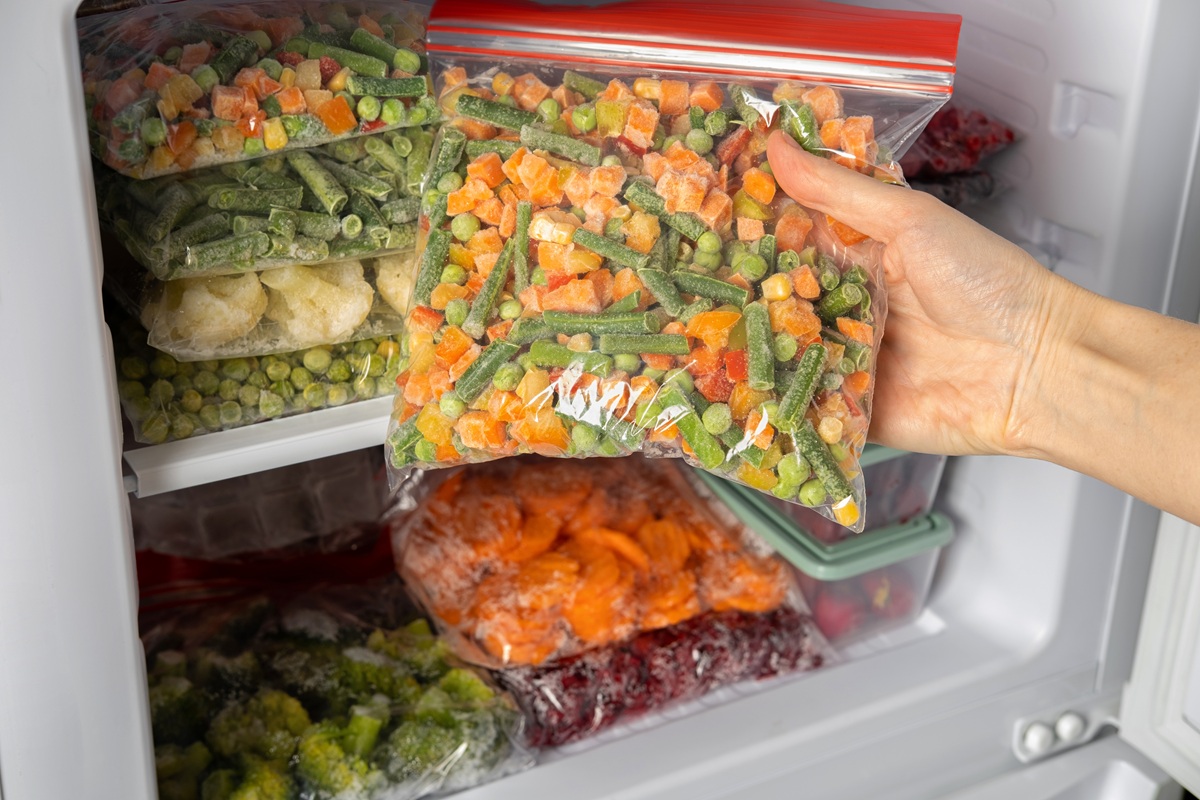
Many vegetables freeze extremely well when prepared properly.
Blanching is Key
Most vegetables need blanching before freezing to preserve color, texture, and nutrients.
How to blanch:
a) Boil water
b) Add the vegetables for 1–3 minutes
c) Transfer immediately into ice water
d) Drain and dry completely
e) Freeze in airtight freezer bags
Good for freezing:
Carrots, broccoli, cauliflower, peas, spinach, corn, green beans
Not recommended:
Lettuce, cucumbers, tomatoes, radishes (become soggy)
Freezing Meat, Poultry & Fish

Freezing meat is simple but must be done safely.
1. Raw Meat
a) Store short-term in original packaging
b) For long-term, wrap airtight and remove air
Shelf-life in the freezer:
a) Chicken: 9–12 months
b) Beef: 6–12 months
c) Fish: 2–6 months
d) Ground meat: 3–4 months
2. Cooked Meat
a) Cool completely before freezing
b) Store in airtight containers
c) Best used within 2–3 months
Freezing Fruits (Best for Smoothies & Desserts)
Flash freeze method:
a) Wash & dry fruit
b) Spread separately on a tray
c) Freeze 1–2 hours
d) Transfer to bags
Best frozen fruits:
Berries, mango, pineapple, bananas (peeled), peaches
Freezing Bread, Herbs & Meals
1. Bread
a) Slice before freezing for easy use
b) Wrap in foil or airtight bags
2. Herbs
a) Freeze chopped herbs in ice cube trays with olive oil
3. Cooked Meals & Leftovers
Soups, stews, pasta, rice, curries, casseroles freeze extremely well.
Tips:
a) Never freeze hot food
b) Leave space in containers for expansion
c) Label everything
d) Use within 2–3 months
Foods That Should NOT Be Refrigerated or Frozen
Some foods lose quality when chilled or frozen.
| Don’t Refrigerate: | Don’t Freeze: |
Tomatoes | Lettuce |
Potatoes | Sour cream |
Onions | Cream cheese |
Bread (unless freezing) | Cucumbers |
Honey | Mayonnaise |
Whole melons | Fried foods (lose crispiness) |
Keep Your Fridge & Freezer Clean
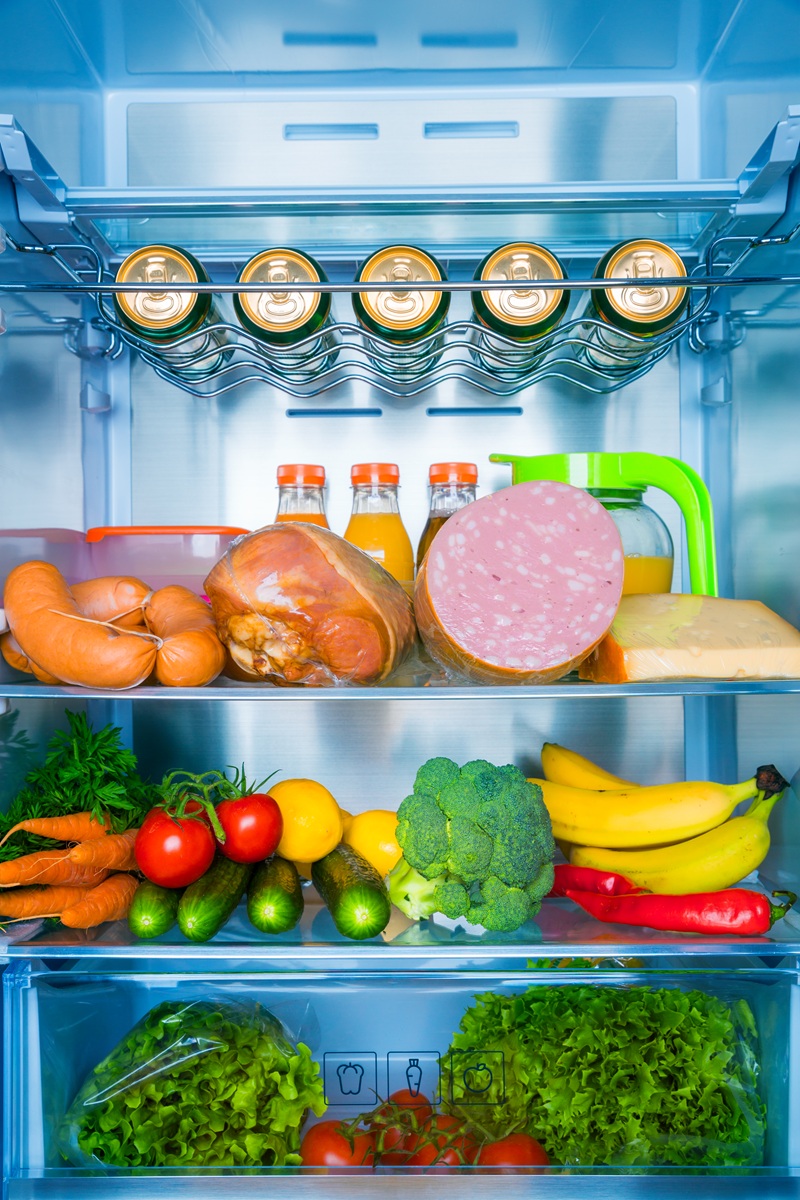
A hygienic fridge means safer food.
a) Clean spills immediately
b) Wipe shelves weekly
c) Deep clean monthly
d) Check expiry dates regularly
e) Avoid overpacking — airflow matters
f) Defrost freezer if required
A clean appliance improves airflow and keeps temperatures stable.
Conclusion
Storing food properly in the fridge and freezer is one of the smartest ways to protect your health, save money, and reduce waste. By using the right temperatures, organizing food into proper zones, storing items in airtight containers, and freezing foods correctly, you can extend the freshness of everything you buy. Whether it’s vegetables, meat, fruits, or full meals, proper refrigeration and freezing help maintain taste, nutrition, and safety — making your kitchen more efficient and your food more enjoyable.
FAQs
1. Why is refrigerating food important?
Refrigeration slows down bacterial growth, keeping food fresher for longer and reducing the risk of spoilage or foodborne illness.
2. How long can leftovers stay fresh in the fridge?
Typically 3–4 days, depending on the ingredients. It’s best to store leftovers in airtight containers, clearly labeled with dates to avoid confusion.
3. Can I store cooked and raw food together?
Ideally no. Always keep raw meat, poultry, and seafood on the lower shelf in sealed containers to prevent cross-contamination with cooked food or vegetables.
4. What foods should not be refrigerated?
Tomatoes, onions, potatoes, bananas, garlic, and honey generally last longer and taste better when kept at room temperature.
5. Can vegetables and fruit be frozen for long-term storage?
Yes. Blanch vegetables before freezing to maintain texture and nutrients. Fruits like berries, mango, and bananas freeze well and are great for smoothies.
6. How can I extend the shelf life of dairy products?
Keep dairy items in the coldest part of the fridge (not the door), store them properly sealed, and avoid leaving them out at room temperature for long.
7. Is freezing cooked meals better than refrigerating them long-term?
Yes—freezing extends shelf life far more than refrigeration. Meals can last from 1 to 6 months when stored properly.
8. How do I prevent food wastage when storing meals?
Freeze extra portions, plan meals ahead, label storage containers, and rotate items using the first-in, first-out rule.
Recommended Reading
a) Zero Wastage and food Preservation – Reduce food waste at home and make the most of every ingredient with practical, sustainable strategies.
b) Vegan-Friendly Desserts That Stay Fresh – Healthy, fridge- and freezer-friendly dessert ideas that taste great and last longer.
c) Greek Yogurt Benefits: A Nutritional Powerhouse – Learn why Greek yogurt is a nutritious addition to your meals and how to maximize its freshness.
d) Coffee for Weight Loss: What Science Says – Discover how coffee can support metabolism and promote healthy weight management.
