How To Make Authentic Handmade Pasta? Indulge in Vintage Grandma’s Recipes Secret
July 06, 2026
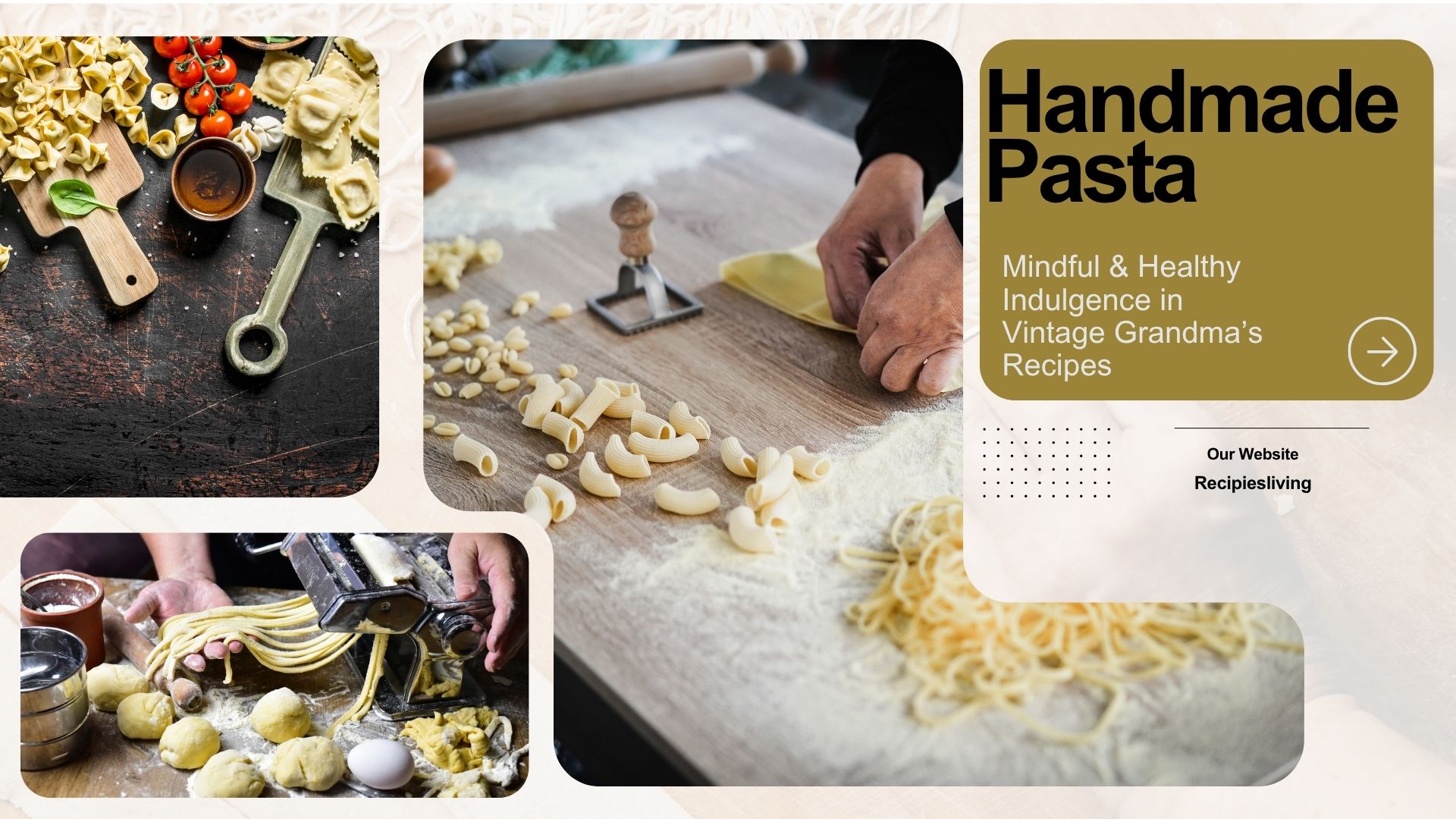
Some moments completely change the way you look at food. For me, that moment arrived on a quiet weekend when I decided to make pasta from scratch. While simply trying something new, I encountered a life-changing experience. And after that first silky strand of homemade fresh pappardelle pasta hit my plate, there was no going back.
The difference wasn't subtle. The texture was softer yet had a delicate bite; it absorbed flavor, making it richer even without an elaborate sauce, and somehow every bite felt more satisfying. It was as if the pasta were the star and not just the sauce game anymore. Since then, every packet of dried pasta on supermarket shelves has felt like a compromise.
That's the beauty of handmade pasta. It isn't just a dish for a main course meal; it is craftsmanship, patience, mindful indulgence rolled into one and easy cooking for large groups.
Handmade Pasta: Italy's Timeless Grandma’s Vintage Kitchen Tradition
Long before pasta-making machines and supermarket aisles, Italian families gathered around wooden tables to make fresh pasta together. Then grandmothers kneaded dough by feel rather than measurements, mothers rolled paper-thin sheets with long rolling pins, and children eagerly helped cut ribbons to make tagliatelle or shape tiny gnocchi. Making pasta wasn't a chore; it was a ritual. Let’s rediscover these lost traditional recipes.
Today, the most famous are 5 types of pasta, but each region of Italy developed its own pasta shapes inspired by local ingredients and traditions. While southern Italy embraced durum wheat and dried pasta, northern regions became famous for silky, fresh egg pasta. The recipes were simple, but the techniques were passed down through generations like treasured family heirlooms.
While in today's fast-paced world, that tradition has slowly faded. Yet every time someone chooses to knead dough by hand instead of opening a packet, they're keeping this beautiful culinary heritage alive.
Why Handmade Pasta Tastes Better And Is Relaxing To Make
While making fresh pasta, the magic lies in its simplicity. It contains only a handful of ingredients. But because it is prepared and cooked immediately, the dough retains its natural flavor and delicate texture, has better absorption of sauces, and endless customization with herbs, vegetables, and spices.
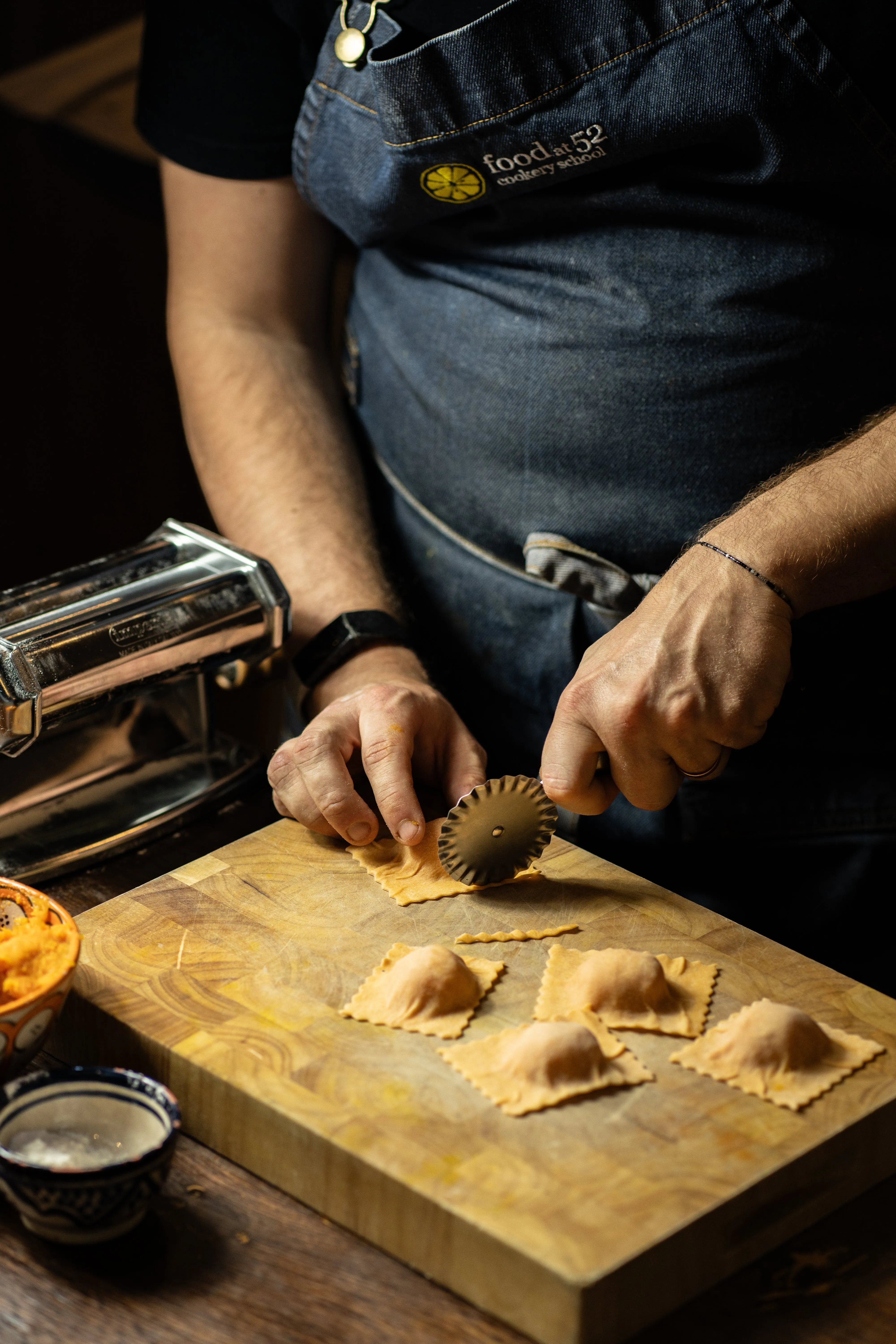
We often think indulgence means rich desserts or extravagant dinners. But true indulgence is slowing down and immersing in taste and experience. When you make pasta from scratch, your hands become the measuring tools. You notice the elasticity of the dough, the smoothness after kneading, and the satisfaction of watching simple ingredients transform into something extraordinary.
It's almost therapeutic. For an hour, notifications disappear, deadlines fade away, and you're completely present. The reward isn't just dinner; it's the joy of creating something with your own hands.
3 Fresh Homemade Pasta: The Timeless Classic Recipes
Classic Handmade Spaghetti
If you enjoy the slurping Aglio e olio as your relaxing night main dish ideas, then this is the fresh pasta you can make, no machine required.
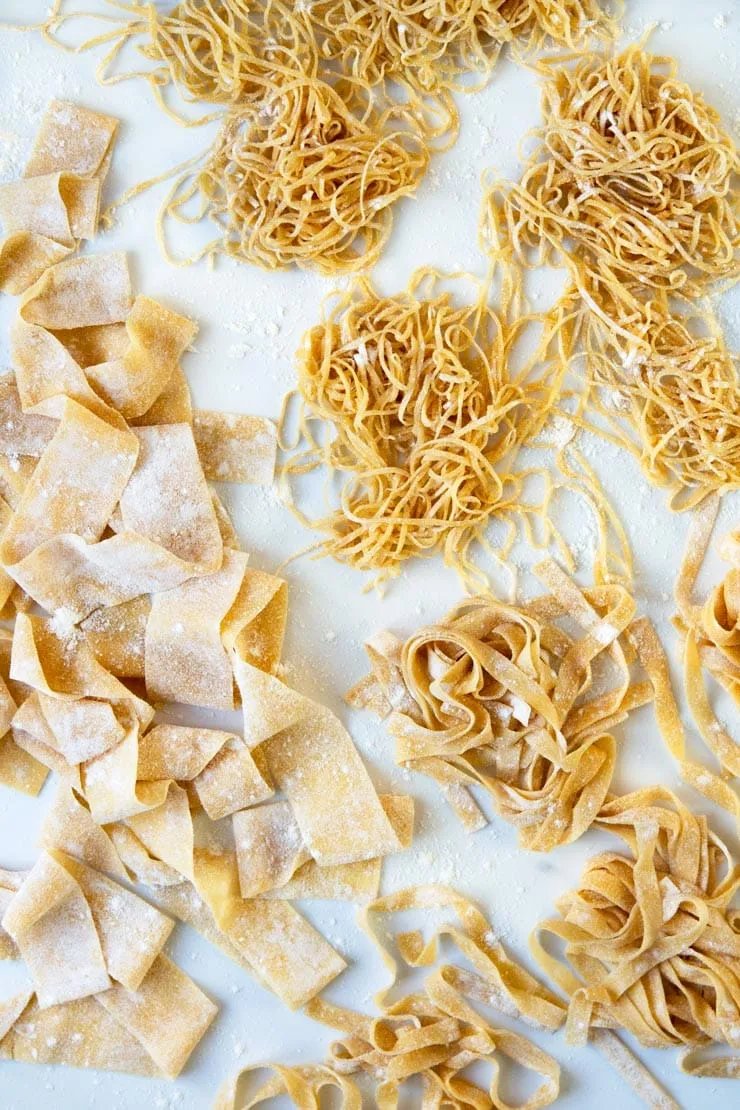
Ingredients:
- 2 cups all-purpose flour (or Italian 00 flour)
- 3 large eggs
- 1 tablespoon olive oil
- Pinch of salt
Method:
- Place the flour on a clean surface and create a well in the center.
- Crack the eggs into the middle, add olive oil and salt. (You can add flavoured olive oil to enhance the taste; I sometimes use garlic chilli oil)
- Slowly mix the flour into the eggs using a fork.
- Knead for 10–12 minutes until smooth and elastic.
- Wrap the dough and let it rest for 30 minutes.
- Roll the dough into thin sheets using a rolling pin or pasta machine.
- Fold gently and slice into thin spaghetti strands; dust lightly with flour to prevent sticking.
- Cook in boiling salted water for 2–3 minutes.
- Best Pairings: Garlic butter, Fresh basil pesto, Aglio e olio, Pomodoro sauce, or Creamy mushroom sauce.
Soft Homemade Gnocchi
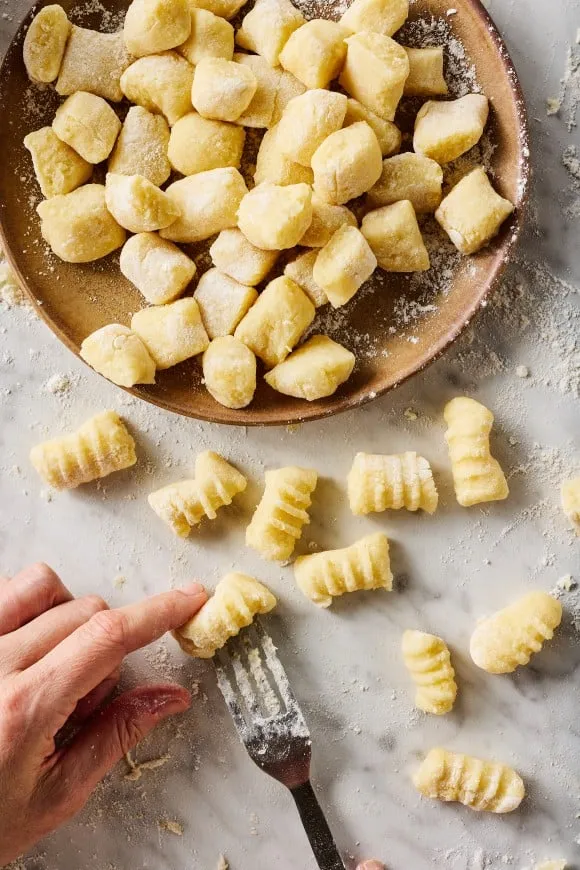
Among pasta handmade gnocchi is most customizable, soft, and tasty to enjoy for your main course meal.
Ingredients:
- 500 g starchy potatoes (alternate, sweet potato, pumpkin)
- 1 cup all-purpose flour
- 1 egg
- Salt
- Nutmeg (optional)
Method:
- Boil potatoes until tender, then peel and mash while still warm. I generally use a potato masher.
- Add egg, flour, salt, and nutmeg.
- Mix gently until a soft dough forms, and divide into long ropes.
- Cut into small pillow-shaped pieces and roll each piece over the back of a fork to create ridges.
- You get a gnocchi maker, yet using a fork is quite resourceful.
- Boil until the gnocchi float to the surface.
- Then toss immediately in butter, sage, or tomato sauce.
- Avoid overworking the dough. The lighter your touch, the softer the gnocchi.
Fresh Spinach Pappardelle
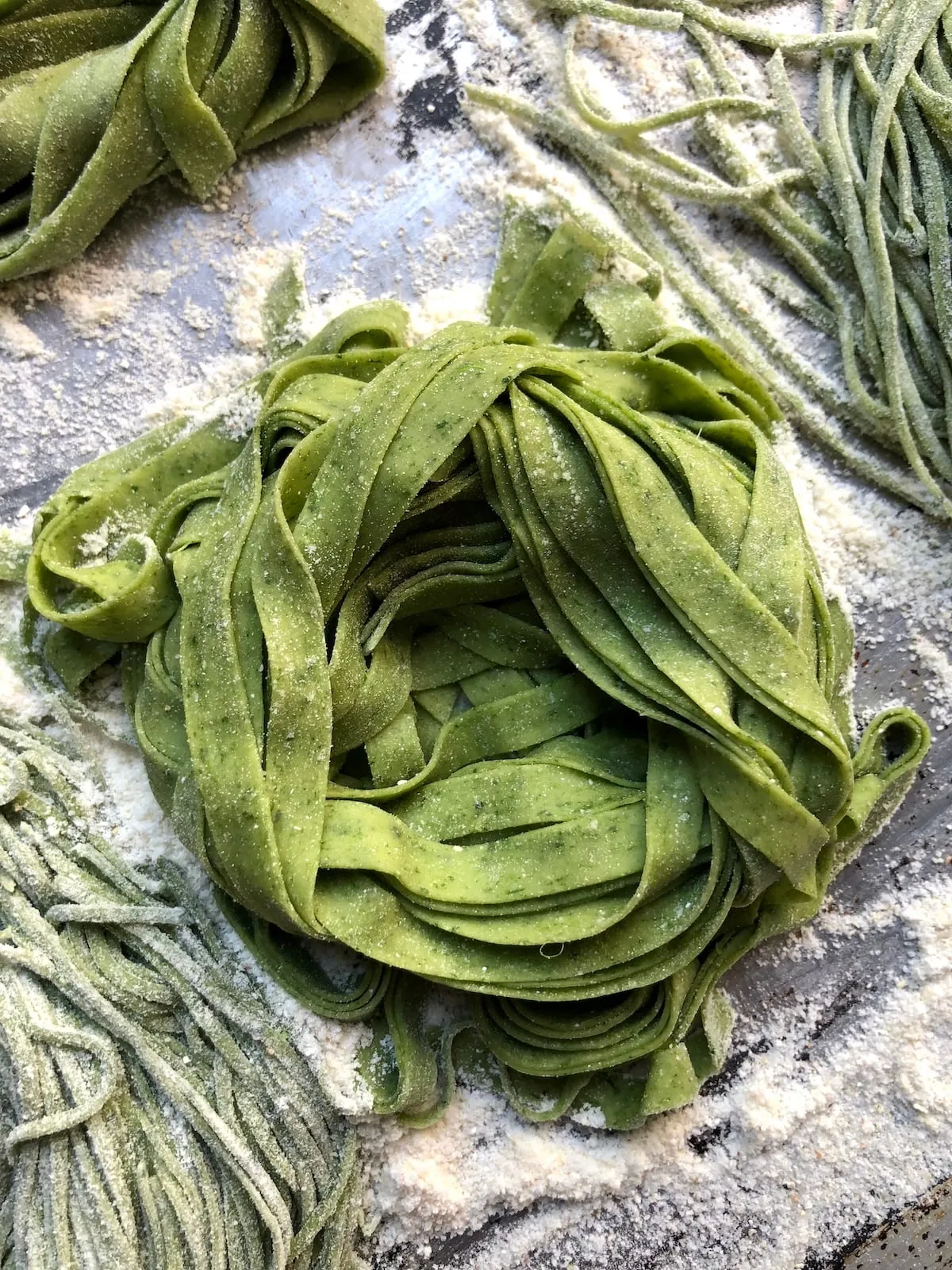
Nothing showcases handmade pasta better than vibrant green ribbons infused with spinach, so let’s learn how to make fresh pappardelle pasta.
Ingredients:
- 2 cups Italian 00 flour
- 2 eggs
- 1 cup blanched spinach
- 1 tablespoon olive oil
- Pinch of salt
Method:
- Start with blending spinach into a smooth puree.
- Mix flour, eggs, spinach puree, olive oil, and salt.
- Knead until smooth, and rest for 30 minutes.
- Roll it into thin sheets and slice into wide pappardelle ribbons.
- Cook for 2–3 minutes, and add your choice of sauce and add-ons.
- Perfect Sauces would be Creamy mushroom sauce, Brown butter and sage, Slow-cooked beef ragù, or Lemon parmesan cream.
- You can add veggies like baby corn, mushrooms, bell peppers, or zucchini.
Frequently Asked Questions:
1. Is homemade pasta healthy?
Ans) Homemade pasta can be a healthy choice because it contains simple, fresh ingredients without preservatives. You can make it more nutritious by using whole wheat flour, spinach, beetroot, or other vegetables in the dough. Pair it with lean proteins and vegetable-rich sauces to create a balanced, satisfying meal.
2. What are the 4 stages of making fresh pasta?
Ans) The four main stages are mixing the ingredients, kneading the dough until smooth, resting it to relax the gluten, and rolling and shaping it into your desired pasta. Finally, cook the fresh pasta in boiling salted water for just a few minutes before serving with your favorite sauce.
3. Can I eat homemade pasta every day?
Ans) Yes, you can enjoy homemade pasta regularly if it is part of a balanced diet. Keep portions moderate and pair them with vegetables, healthy fats, and protein like grilled chicken, seafood, beans, or tofu. Using whole-grain flour or vegetable-infused dough can also boost its nutritional value.
4. Can pasta making be mindful and therapeutic?
Ans) Absolutely. Making pasta by hand encourages you to slow down, focus on each step, and enjoy the creative process. Kneading, rolling, and shaping dough can be calming and meditative, helping reduce stress while providing the satisfaction of creating a delicious meal from scratch with your own hands.
5. What are the easy-to-make at-home handmade pasta types?
Ans) Some beginner-friendly handmade pasta varieties include spaghetti, tagliatelle, pappardelle, fettuccine, gnocchi, and ravioli. These require simple ingredients and basic techniques, making them ideal for home cooks. Once comfortable, you can experiment with flavored doughs using spinach, herbs, beetroot, or squid ink.
Tips for Making Fresh Pasta: Perfecting Patter
- Let the dough rest before rolling to relax the gluten; this allows pasta to mould easily with sauces once boiled.
- Use plenty of flour while rolling to prevent sticking.
- Don't overcook while making fresh pasta; it cooks much faster than dried pasta, taking 3-4 minutes, rest you can cook it with sauce.
- Freeze extra pasta in nests for quick homemade meals later; you can store it for about 1 week.
- Invest in a pasta roller if you plan to make pasta regularly, though a rolling pin works beautifully too.
Why This Old Nonna’s Tradition Deserves a Comeback
Fresh handmade pasta reminds us that good things take time, very twist of handmade gnocchi, every ribbon of fresh pappardelle pasta, and every strand of spaghetti carries something machines cannot replicate: care.
The process of making fresh pasta for a main course meal is a process that teaches patience, rewards creativity, and turns an ordinary dinner into an unforgettable experience. Whether you're cooking for family, friends, or simply yourself, making pasta by hand transforms eating into an occasion rather than just another meal.
So the next time you're tempted to grab a packet of pasta off the supermarket shelf, consider reaching for flour and eggs instead. Roll up your sleeves, dust your countertop with flour, and embrace a classic vintage tradition that has warmed Italian kitchens for centuries. You may discover, just as I did, that once you've tasted fresh handmade pasta, there's simply no going back.
And if you want to indulge in more such meaningful cooking activities, keep following Recipesliving to know more about cooking and global cuisine.
By P. Manika (Performist Content Writer)