Homemade Vegan Butter Recipes: 10 Creamy Plant-Based Spreads You'll Never Buy Again
July 14, 2026
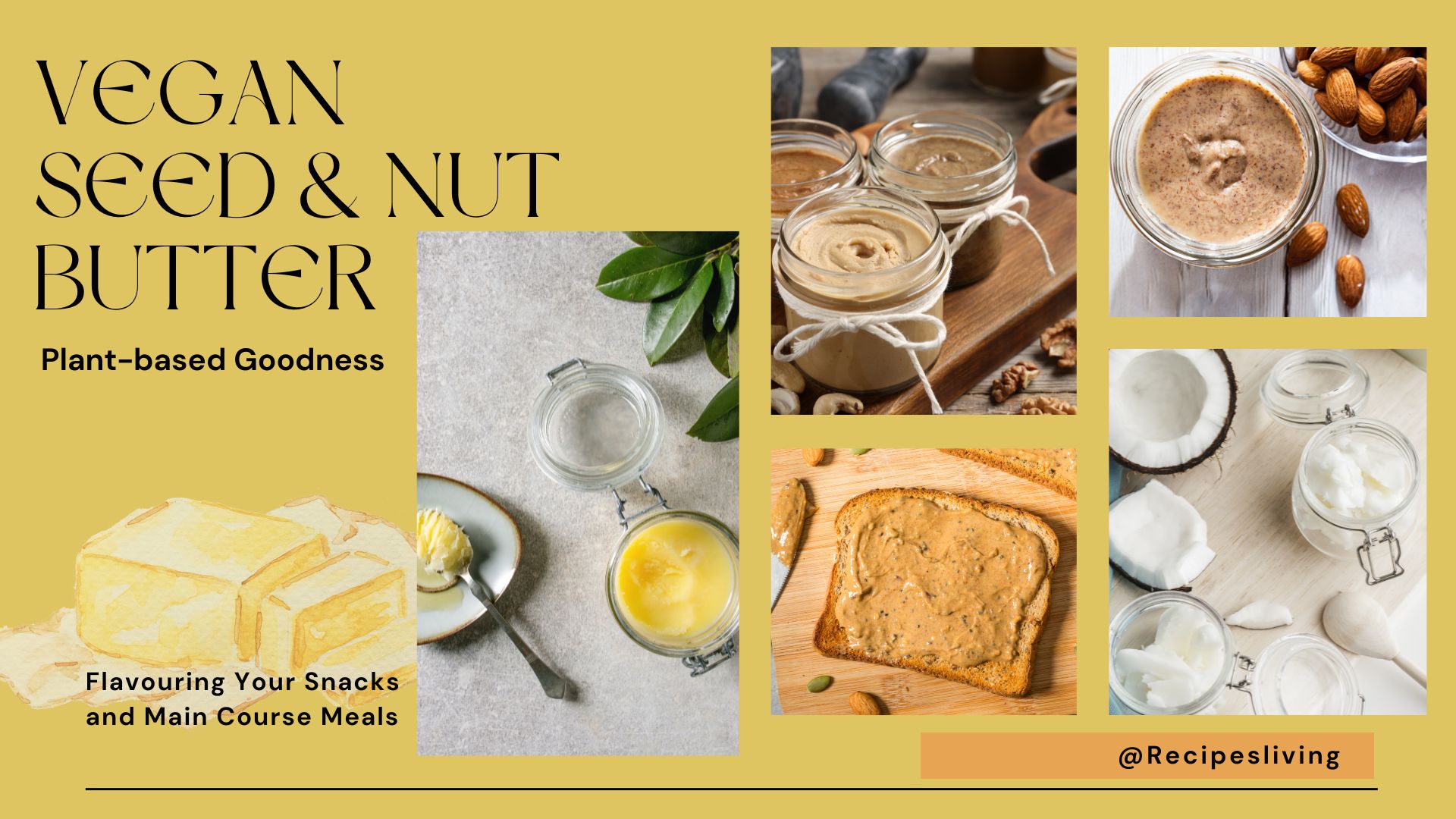
Butter, I feel, is the most underrated ingredient in our kitchen; most of us just buy it from the market and use it. But for vegans, that's not an option either. Well, we get vegan versions in the market, yet finding butter alternatives is a constant struggle. My sister has dairy product restrictions, and she has grown tired of the same store-bought peanut butter every morning.
While supermarket shelves offer plenty of non-dairy butter spreads, they often come with added oils, preservatives, refined sugar, and a hefty price tag. But now you can forget all of that because making vegan butter and nut spreads from scratch is surprisingly easy, and storing them is even easier. With just a handful of wholesome ingredients and a food processor, you can create rich, creamy, and nutrient-packed spreads that taste fresher and can be customized to suit your preferences. This will elevate your butter game and give your snack time additions you haven't imagined before with a healthy living twist.
Whether you love the earthy flavor of pumpkin seeds, the tropical richness of coconut, or the indulgence of homemade vegan Nutella, these recipes will transform your breakfast, baking, and snacking routine. Let's get blending!
10 Delicious Homemade Vegan Butter Recipes
If you're looking for a creamy, spreadable non-dairy butter that's perfect for toast, baking, sautéing, cooking, or even quick snacks, this homemade version is your solution. We will learn one that closely mimics traditional butter, using simple plant-based ingredients, and another seed & nut butter that will elevate your kitchen snack counter and overall food experience. These are easily the recipes you can double that can be used for snacks and while cooking main course meals.
Homemade Non-dairy Butter
It is made with healthy oils having a buttery texture, creaminess, natural buttery color, and a subtle tang due to the ingredients used, perfect substitutes for the dairy-based butter.
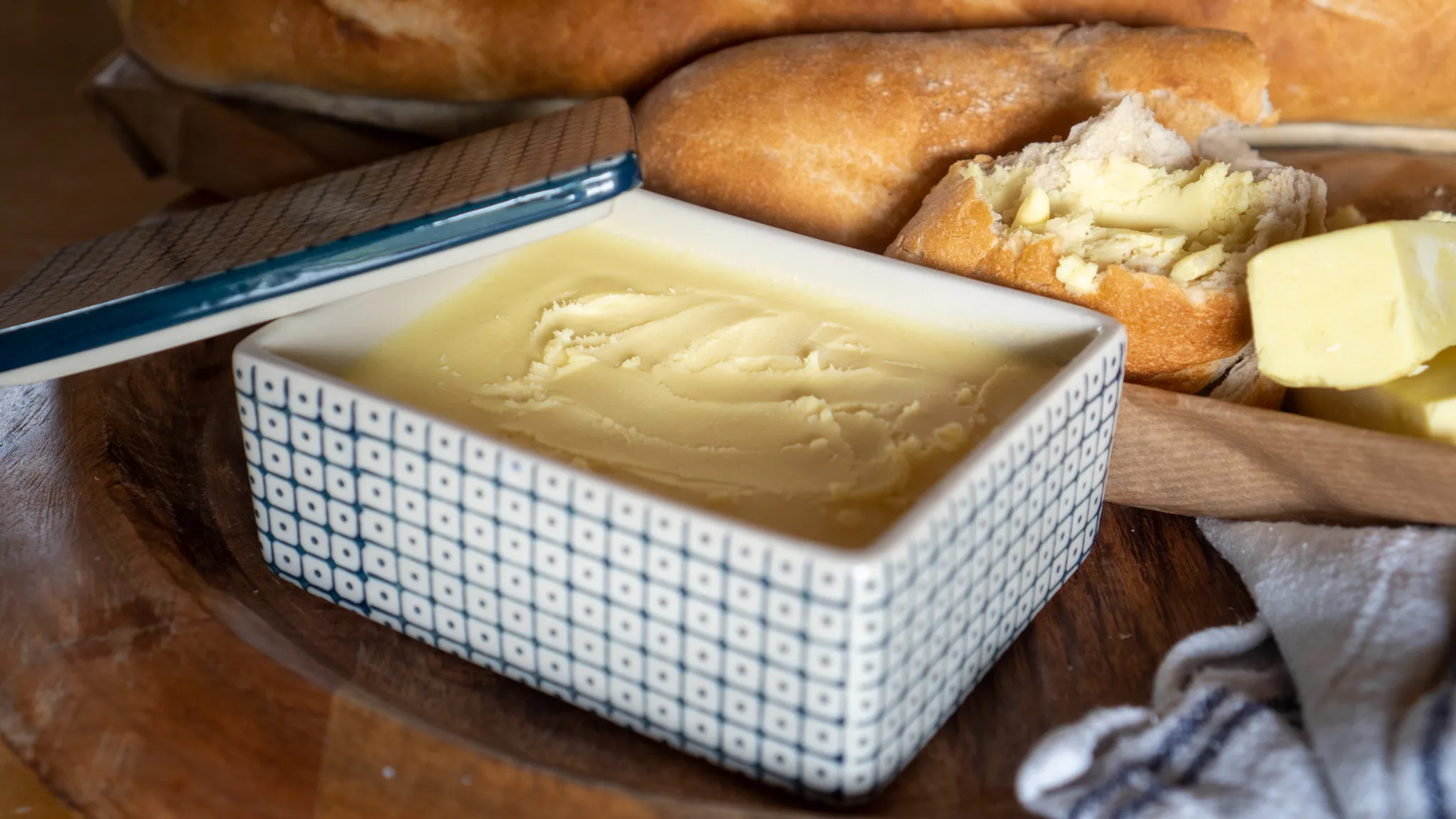
Ingredients:
- 1 cup refined coconut oil, room temperature
- ¼ cup extra virgin olive oil (or light olive oil for a milder flavor)
- ½ cup unsweetened almond milk, soy milk, or melon seed milk
- 1 teaspoon lemon juice
- ½ teaspoon sea salt
- ¼ teaspoon turmeric powder (for color, just a pinch)
- ½ teaspoon apple cider vinegar (optional, for a cultured butter flavor)
- 1 teaspoon nutritional yeast (optional, for extra buttery flavor)
Method:
- In a blender, combine the plant-based milk, lemon juice, sea salt, turmeric, apple cider vinegar (if using), and nutritional yeast. Blend for about 20–30 seconds until smooth.
- Slowly pour in the melted coconut oil, followed by the olive oil.
- Blend for another 30–45 seconds until the mixture becomes smooth and emulsified.
- Pour the mixture into a clean glass jar, silicone mold, or butter container.
- Tap gently to remove any air bubbles and Refrigerate.
- Uses: This is the perfect non-dairy substitute for butter, so be it toast, paratha, for garnish, for scrambled eggs, or pancakes, you can use it.
Creamy Pumpkin Seed Butter
This is a slightly earthy, nutty-flavored vegan butter naturally rich in magnesium, zinc, iron, and plant-based protein.
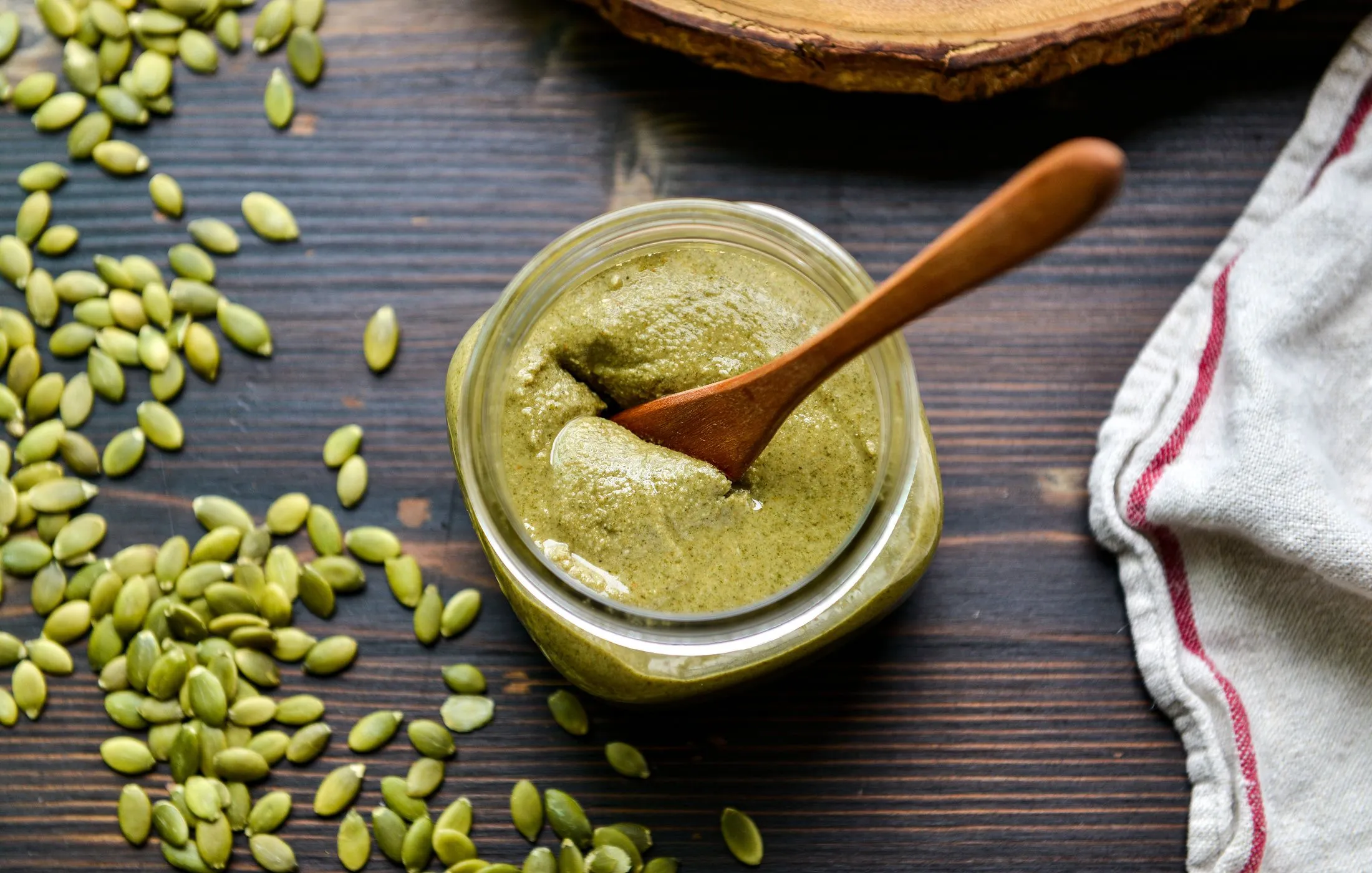
Ingredients:
- 2 cups roasted pumpkin seeds
- 1 tablespoon neutral coconut or olive oil (optional)
- ½ teaspoon sea salt
- 1 teaspoon maple syrup (optional)
Method:
- Blend roasted pumpkin seeds in a food processor.
- Scrape down the sides occasionally during the procedure.
- Continue blending for 8–12 minutes until smooth.
- Add oil if needed for extra creaminess.
- Stir in salt and maple syrup.
- Uses: Toast, smoothie bowls, crackers, or oatmeal; you can use it for pasta in sauces and dressings; just make the unsweetened version without maple syrup.
Homemade Coconut Butter
Unlike coconut oil, coconut butter uses the entire coconut flesh, giving it a naturally sweet and creamy texture. It is one of the recipes you can double as dried coconut shavings, and cuts are easily available in the market.
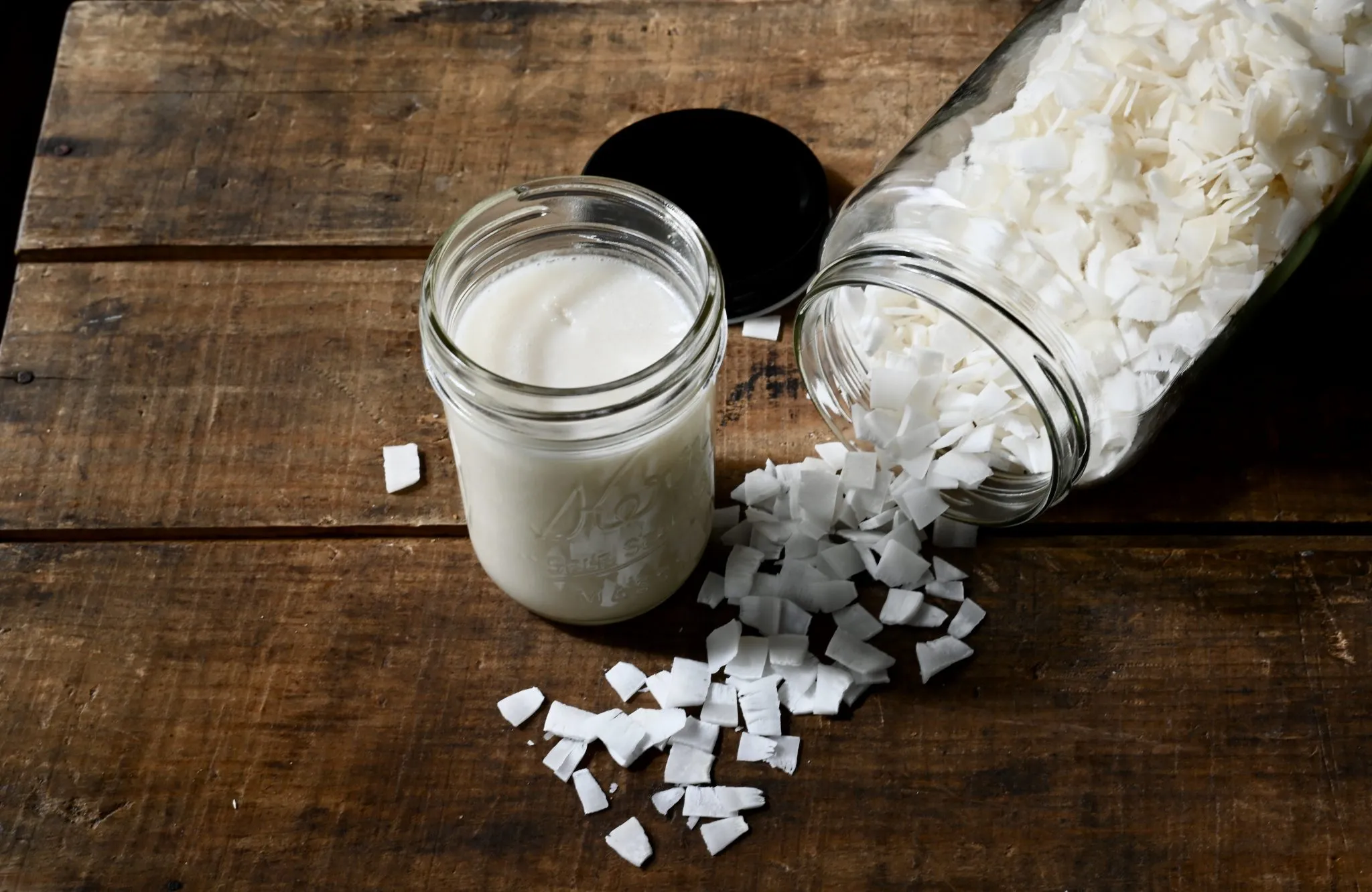
Ingredients:
- 3 cups unsweetened dried coconut flakes (roasted optional)
- Pinch of salt
- ½ teaspoon vanilla extract
Method:
- Blend coconut flakes continuously.
- After several minutes, they release natural oils.
- Continue until silky smooth.
- Mix in salt and vanilla if desired.
- If you use roasted coconut, the colour will turn brown, and if you use normal dry coconut, it will be white in colour.
- Uses: best for sweets like pancakes, cakes, waffles, tropical desserts, and also along with fruit.
Classic Peanut Butter
There's nothing quite like fresh homemade peanut butter, which requires just 2 ingredients, and you are done, no more preservative-filled buys from the supermarket.
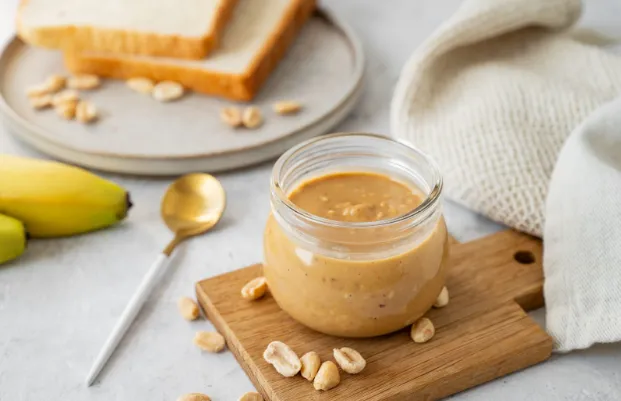
Ingredients:
- 2 cups roasted peanuts
- ½ teaspoon sea salt
- 1 teaspoon maple syrup (optional for sweet version)
Method:
- Blend peanuts until they become creamy.
- Pause occasionally to scrape the bowl.
- Add salt and sweetener.
- Blend until smooth.
- Uses: Sandwiches to make your classic PB&Js, cookies, smoothies, energy balls, granola bars, and overnight oats.
Smooth Almond Butter
Almond butter has a naturally rich flavor and is packed with vitamin E and heart-healthy fats, the most versatile vegan butter, if you ask me.
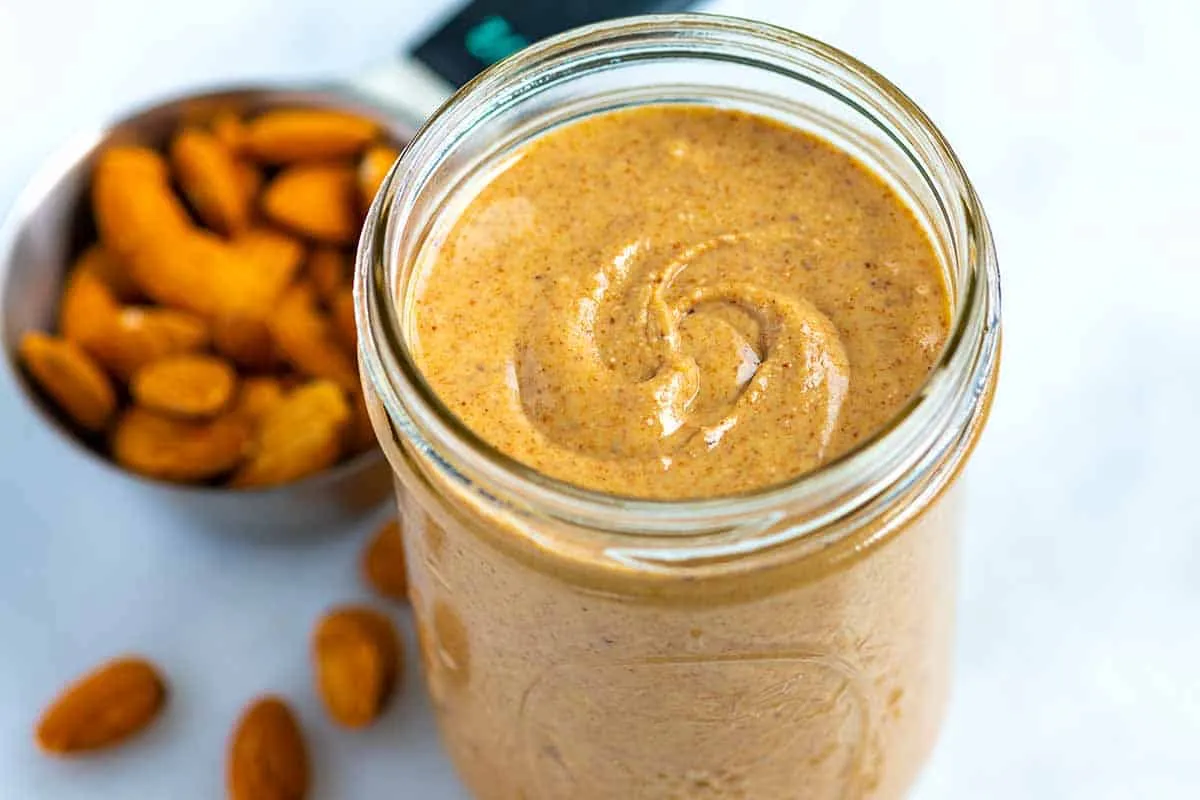
Ingredients:
- 2 cups roasted almonds
- ½ teaspoon sea salt
- 1 teaspoon maple syrup (optional for sweet version)
Method:
- You can either soak the almonds, remove the skin, and roast them, or roast the almonds directly.
- Once roasted, blend the almonds until the oils release.
- Add salt, but the sweetener is completely optional.
- Blend again until creamy.
- Uses: Apples, bananas, toast, granola, baking or cooking main course meals like pasta, give a nutty flavour and creamy texture.
Sunflower Cocoa Butter
This is a nut-free spread recipe you can double and is perfect for schools, allergy-friendly households, or anyone looking for a chocolatey twist.
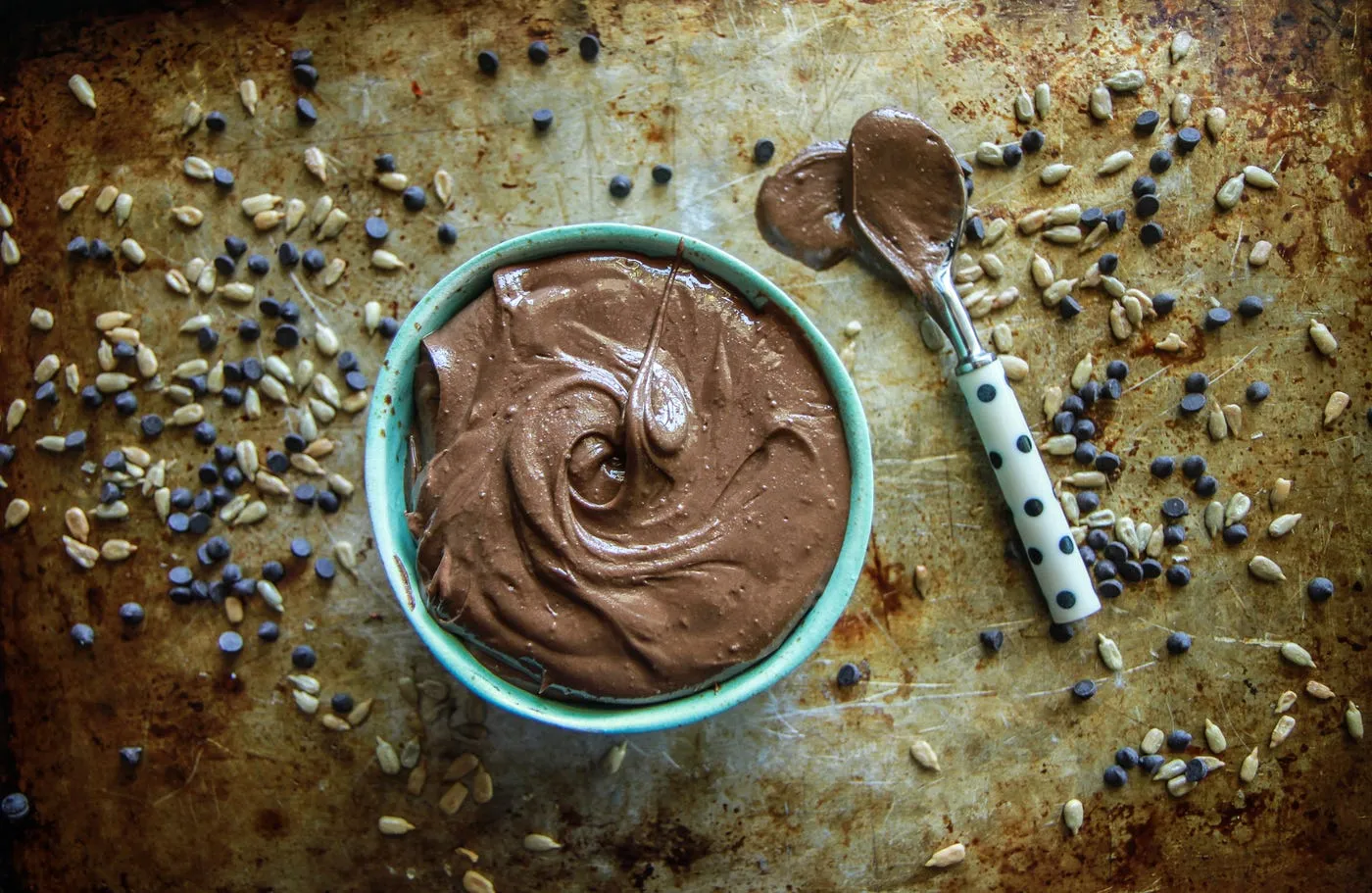
Ingredients:
- 2 cups roasted sunflower seeds
- 2 tablespoons cocoa powder
- 2 tablespoons maple syrup
- 1 teaspoon vanilla extract
- Pinch of sea salt
Method:
- Blend roasted sunflower seeds until creamy.
- Add cocoa powder, maple syrup, vanilla, and salt.
- Blend until fully incorporated.
- Tip: You can skip the second step and use salt instead to make cooking butter for pasta, pizza, or any other cooking use.
- Uses: On bread toast, fruit slices, muffins, cookies, bagels, crackers, energy balls, granola bars, and waffles.
Walnut Butter
Walnuts create a luxurious butter with a naturally bold flavor and are an excellent source of omega-3 fatty acids.
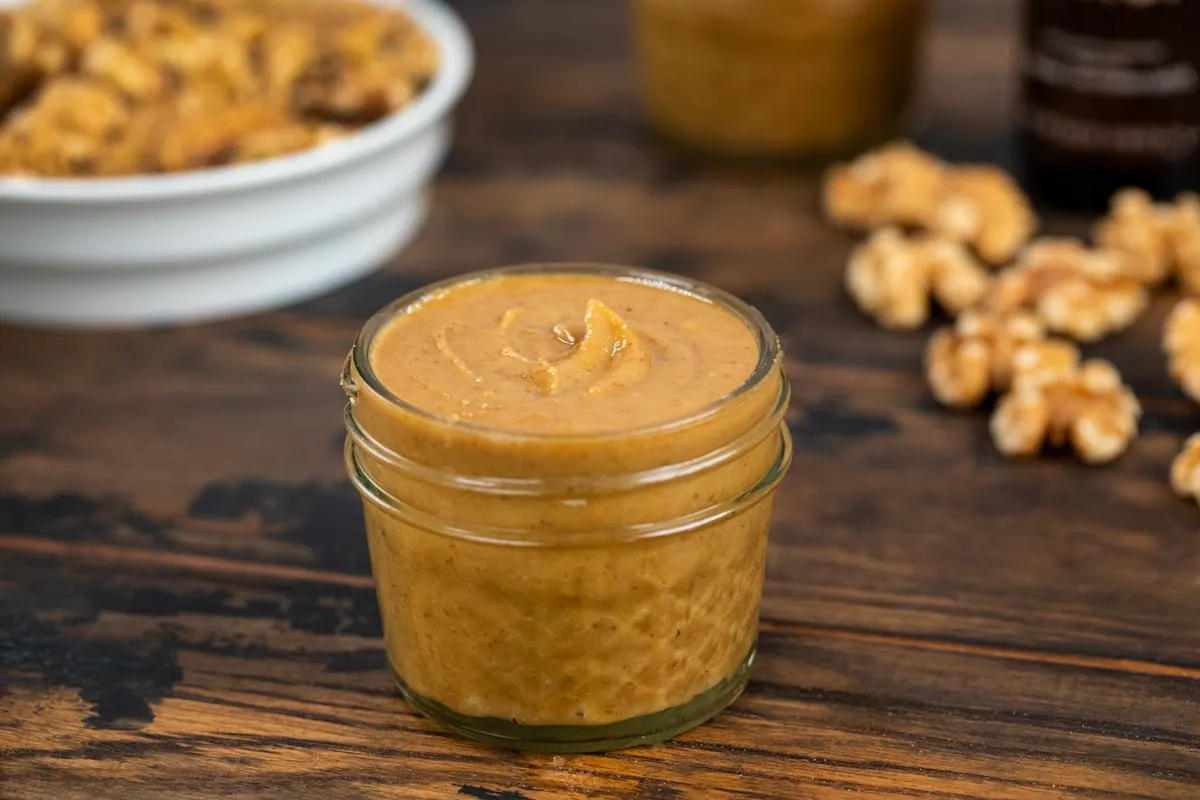
Ingredients:
- 2 cups roasted walnuts
- Pinch of sea salt
- 1 teaspoon maple syrup (optional for sweetened version)
Method:
- Slightly roast and blend walnuts until creamy.
- Add salt and sweetener.
- Continue blending until smooth.
- Tip: Add sweetener only if you want the sweet version for toast and topping, or make two batches; one can be used for cooking and sandwiches, pizza, pasta, and the other for baking.
- Uses: Banana toast, pancakes, cookies, oatmeal, yogurt alternatives, energy balls, granola bars, cooking, or baked goods.
Pecan Butter
Pecans naturally become silky smooth and have a buttery, caramel-like taste.
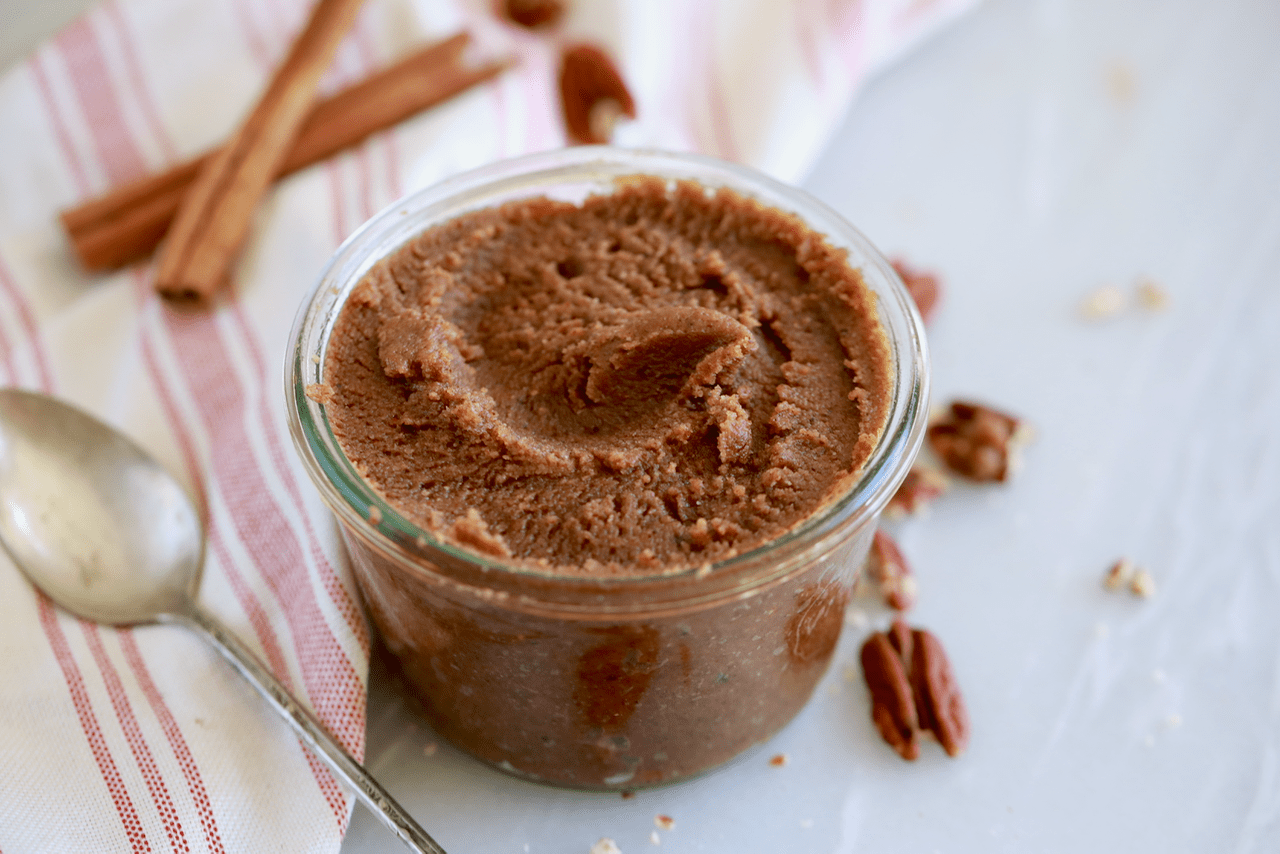
Ingredients:
- 2 cups roasted pecans
- Pinch of cinnamon (optional)
- ½ teaspoon sea salt
- 1 teaspoon maple syrup
Method:
- Blend roasted pecans.
- Allow their natural oils to release.
- Add cinnamon, salt, and maple syrup.
- Blend until velvety soft and smooth.
- Uses: Cinnamon toast, pancakes, muffins, cakes, bagels, crackers, sauces, dressings, energy balls, granola bars, and vegan desserts.
Mixed Walnut Butter
Looking for a richer flavor? Blend walnuts with a handful of almonds or cashews for a creamy mixed butter that's full of texture and nutrition.
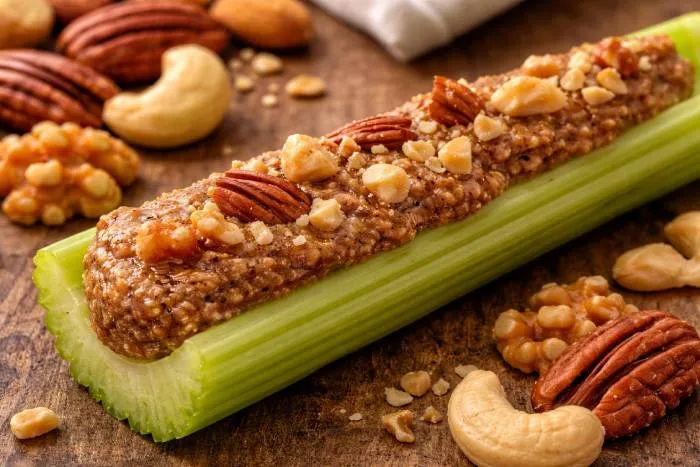
Ingredients:
- 1½ cups walnuts
- ½ cup almonds/cashew nuts
- Pinch of salt
- 1 teaspoon maple syrup
Method:
- Roast the nuts lightly if needed.
- Blend until creamy.
- Add salt and maple syrup.
- Store in a clean jar.
- Uses: Smoothies, toast, porridge, and energy balls.
Bonus Recipe: Homemade Vegan Nutella
Forget the store-bought chocolate spread & Nutella loaded with palm oil and refined sugar. This homemade version is creamy, chocolatey, and made with wholesome ingredients. And this recipe can aid in making savoury and sweet food for a big group during parties you host.
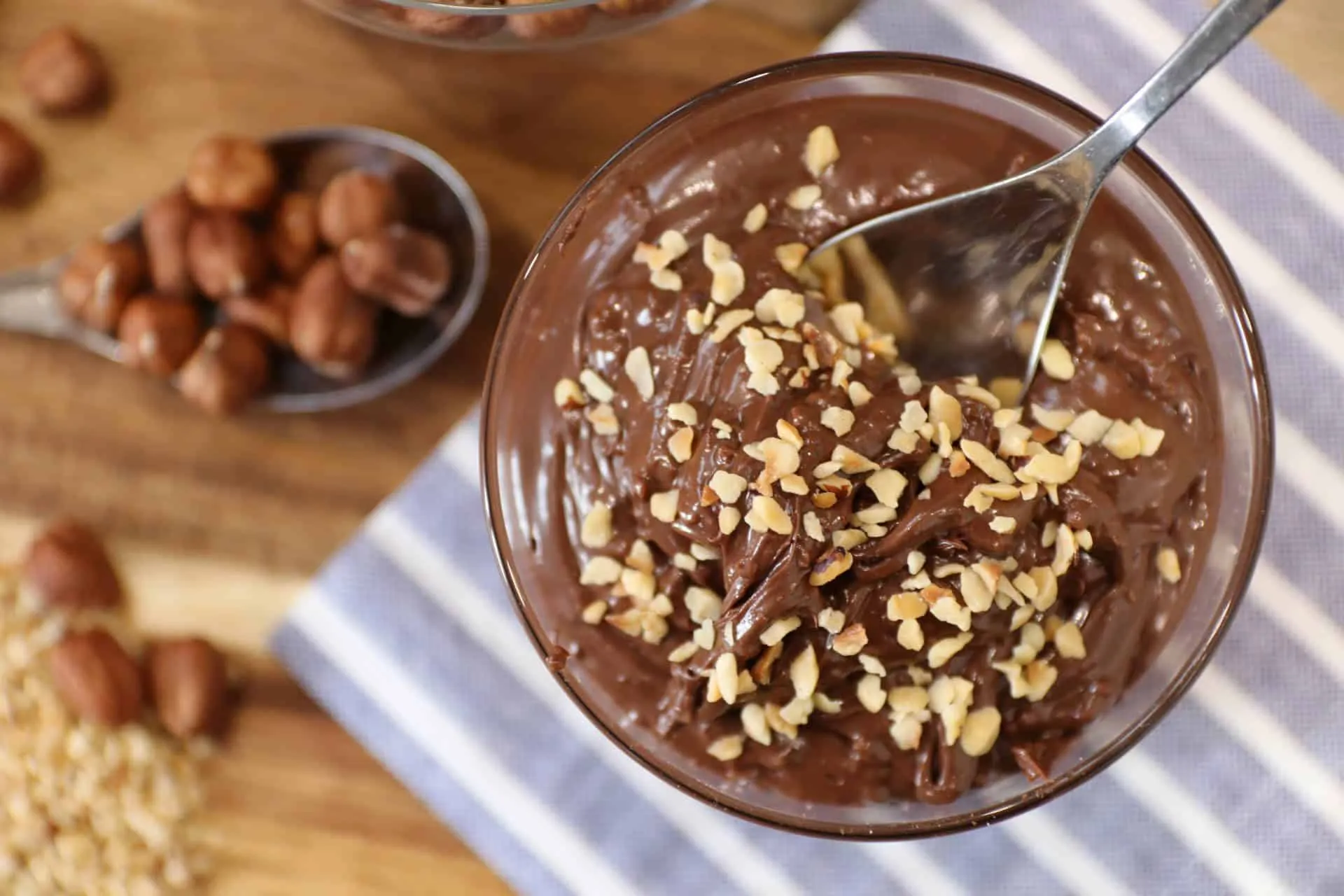
Ingredients:
- 2 cups roasted hazelnuts
- 3 tablespoons cocoa powder
- 3 tablespoons desi khand (or adjust to taste)
- 1 teaspoon vanilla extract
- Pinch of sea salt
- 2–3 tablespoons oat milk or almond milk (if needed)
Method:
- Blend roasted hazelnuts until they become smooth and buttery.
- Add cocoa powder, desi khand, vanilla extract, and salt.
- Blend again until silky.
- Add plant-based milk gradually if you prefer a softer consistency.
- Store in an airtight glass jar in the refrigerator.
- Uses: Toast, pancakes, crepes, waffles, fresh strawberries, banana slices, bagels, crackers, energy balls, granola bars, or as a filling for cakes and cookies.
Tips for Perfect Homemade Vegan Butter
- Roast nuts and seeds lightly in a large batch; they stay for 3 months, and grind in batches to make butter each week; this enhances flavor and makes it easy for you to make butter when needed.
- It is advised to use a high-powered food processor or blender for the smoothest texture.
- Be patient; most butters take 8–15 minutes to become creamy.
- Avoid adding water and milk, as it can shorten the shelf life.
- Store spreads in sterilized, completely dry, airtight glass jars so it does not spoil.
- You can add plant-based protein powder while making coconut or peanut butter to enhance.
- Stir before use if natural oils separate; this is completely normal.
- For the best non-dairy butter, use refined coconut oil if you prefer a neutral, buttery taste. Virgin coconut oil will add a noticeable coconut flavor.
- Always use a clean, dry spoon to prevent contamination and extend the life of your homemade spreads.
How to Store Homemade Vegan Butter
Proper storage helps maintain freshness and flavor.
Butter Type | Pantry (Cool, Dry Place) | Refrigerator | Freezer | Best Storage Method |
Coconut Butter | 5–7 days | 2–4 weeks | Up to 3 months | Store in a sterilized airtight glass jar. If refrigerated, allow it to soften at room temperature before use; it naturally hardens. |
Non-Dairy Vegan Butter | 1–2 days (only in cool weather) | 2–3 weeks | Up to 3 months | Keep refrigerated in an airtight container or butter dish. Freeze in portions and thaw overnight in the refrigerator before use. |
Seed Butter (Pumpkin, Sunflower, Melon, Sesame, etc.) | 3–5 days | 3–4 weeks | Up to 3 months | Store in a clean, airtight glass jar. Stir before use if natural oil separation occurs. Keep away from sunlight and moisture. |
Nut Butter (Peanut, Almond, Walnut, Pecan, Hazelnut, Cashew, etc.) | 2–3 weeks | 1–3 months | Up to 6 months | Store in a sterilized airtight jar. Refrigeration helps prevent the natural oils from turning rancid. Stir well before serving if oils separate. |
Why Make Vegan Butter at Home?
- Free from preservatives and artificial additives
- Naturally dairy-free and vegan
- Easy to customize with sweet or savory flavors
- Rich in healthy fats, protein, and fiber
- More affordable over time
- Perfect for toast, smoothies, baking, sauces, and desserts
- Most homemade spreads can be refrigerated for 2–4 weeks in airtight glass jars, making meal prep simple and convenient.
Frequently Asked Questions:
1. What is Vegan butter made of?
Ans) Vegan butter is typically made from plant-based oils such as coconut, olive, avocado, sunflower, or canola oil, combined with ingredients like soy, oat, almond, or cashew milk. It may also include lecithin, salt, natural flavors, and a small amount of turmeric or beta-carotene for a buttery yellow color.
2. Is vegan non-dairy butter healthier than dairy butter?
Ans) Vegan non-dairy butter can be healthier if it contains unsaturated plant oils and minimal additives. It is cholesterol-free and suitable for lactose-intolerant individuals. However, some varieties are highly processed and rich in saturated fats from coconut oil, so nutritional value depends on the ingredients and portion size consumed.
3. What is the difference between vegan butter and margarine?
Ans) Vegan butter is entirely plant-based and formulated to mimic the taste and texture of dairy butter. Margarine is also made from vegetable oils but may contain dairy-derived ingredients like whey or milk solids, making some varieties unsuitable for vegans. Always check the ingredient label before purchasing.
4. Which butter is 100% real?
Ans) Traditional dairy butter is considered 100% real butter because it is made by churning cream, usually containing at least 80% milk fat. It contains no vegetable oils and offers a rich, natural flavor. European-style butter often has a higher butterfat content, making it especially creamy and flavorful.
5. Is ghee healthier than butter?
Ans) Ghee contains more concentrated milk fat because the water and milk solids are removed during clarification. It has a higher smoke point and contains very little lactose or casein, making it suitable for some people with dairy sensitivities. Both ghee and butter should be enjoyed in moderation as part of a balanced diet.
Final Thoughts
Making your own vegan butter at home is one of the simplest ways to elevate your plant-based kitchen. From the earthy richness and the tropical sweetness to the creamy classics, each recipe offers wholesome ingredients, fresh flavors, and complete control over what goes into your food.
So next time you are at the supermarket and think of buying the vegan butter available, think again, would you have the processed non-dairy butter or make your own customizable plant-based butter that hardly takes 15 minutes? And the additional Nutella just proves that plant-based treats can be every bit as satisfying as their traditional counterparts.
Do follow Recipesliving for more such interesting homemade recipes for your processed food, and explore other global cuisines.
By P. Manika (Performist Content Writer)
