The Classic Grandma’s Recipes Comeback: Rise of Indian Millets
May 22, 2026
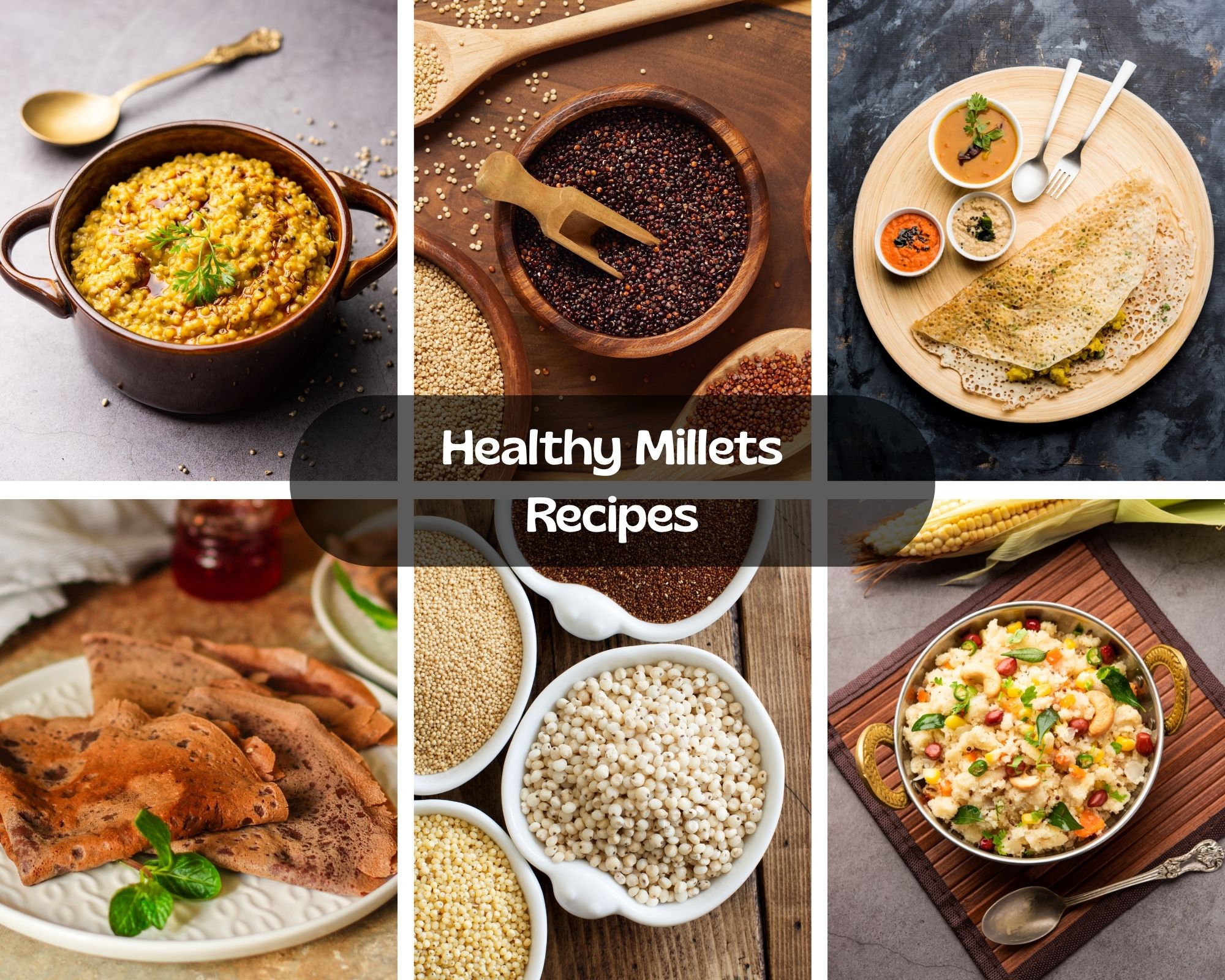
In the wake of life, healthy food consumption has become more than a lifestyle; it is a necessity. But where today people are chasing superfoods and healthy organic ingredients, Indian kitchens were already cooking them as a part of everyday meals. Long before quinoa bowls and protein powders became trends, our grandmothers quietly cooked nutrient-rich meals using humble local grains, seasonal vegetables, homemade spices, and age-old wisdom.
These timeless classic grandma’s recipes were not designed by nutritionists, yet they perfectly balance health, taste, digestion, and climate needs. One such ingredient that stood at the heart of traditional Indian cooking was millet.
Today, as people move back toward mindful eating, these vintage millet recipes are making a beautiful comeback. Let's know millets and their recipes that can become your main dish ideas for healthy and quick recipes.
The Rise of Ancient Indian Millets
Millets were heroes from the dry lands of Rajasthan to the farms of Karnataka and Maharashtra; they were deeply woven into regional food culture. They were affordable, filling, naturally gluten-free, rich in fibre, and ideal for the Indian climate. Most importantly, they kept the body nourished without relying on processed ingredients.
Another plus point would be they are quick, wholesome, easy on the stomach, and surprisingly perfect for busy modern lifestyles. So here are 3 traditional millet-based Indian recipes inspired by grandma-style cooking that are healthy, comforting, and ready in under 30 minutes for your busy weeknight main course meal.
Millet-Based Main Course Meal Recipes
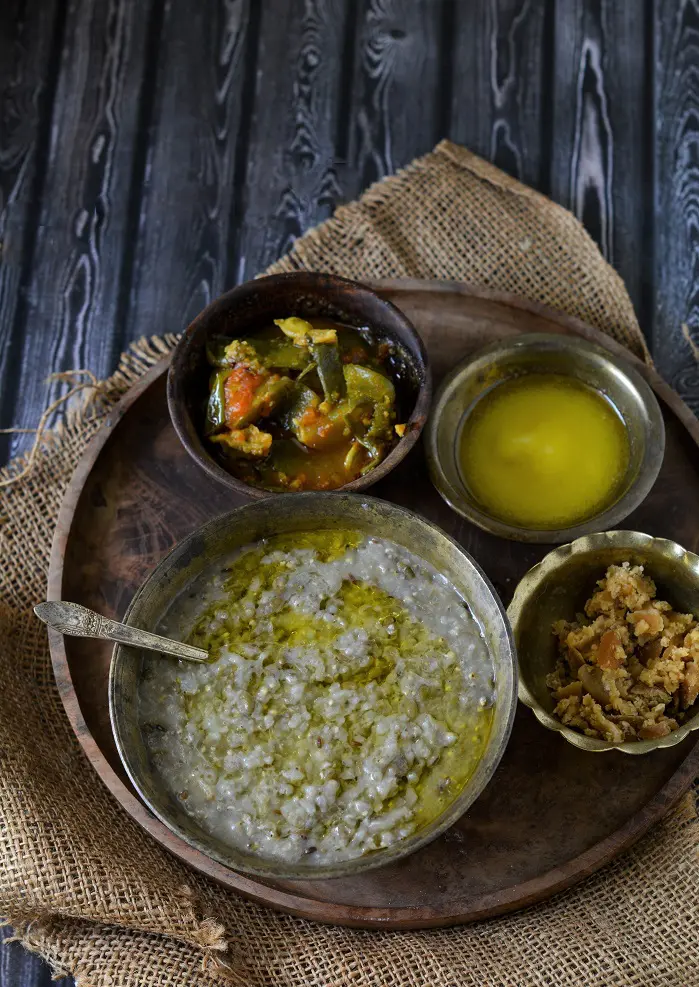
Bajra Khichdi: The Winter Comfort Bowl
A staple in many North Indian homes, especially in Rajasthan and Haryana, bajra khichdi was often cooked during colder months because bajra naturally generates warmth in the body. Combined with lentils and simple spices, this dish becomes a complete meal rich in protein, iron, and fibre.
Ingredients:
- 1 cup bajra (pearl millet), soaked overnight
- ½ cup moong dal
- 1 small onion, chopped
- 1 tomato, chopped
- 1 tsp cumin seeds
- 1 tsp ginger paste
- ½ tsp turmeric powder
- Salt to taste
- 1 tbsp ghee
- 4 cups water
- Chopped Vegetables(for stir fry veggies)
Method
- Start by washing and crushing soaked bajra lightly in a mixer for a coarse texture. Traditionally, a stone mortar was used to coarsely crush it.
- Wash the moong dal and mix it with the bajra.
- Now, heat ghee in a pressure cooker and add cumin seeds.
- Add onions, ginger, and tomatoes. Sauté for 2–3 minutes.
- Add turmeric, salt, bajra, and dal.
- Pour water and pressure cook for 5–6 whistles, it will cook perfectly.
- Remember, Bajra millet takes time to cook, so adjust the consistency you like of your kichdi and pressure cook it accordingly.
- Serve hot with curd, pickle, or garlic chutney, or stir-fry veggies
- Bajra Khicdi in itself is nutritional, but if you want to elevate it and take it to the next level p[air it with stir-fry veggies.
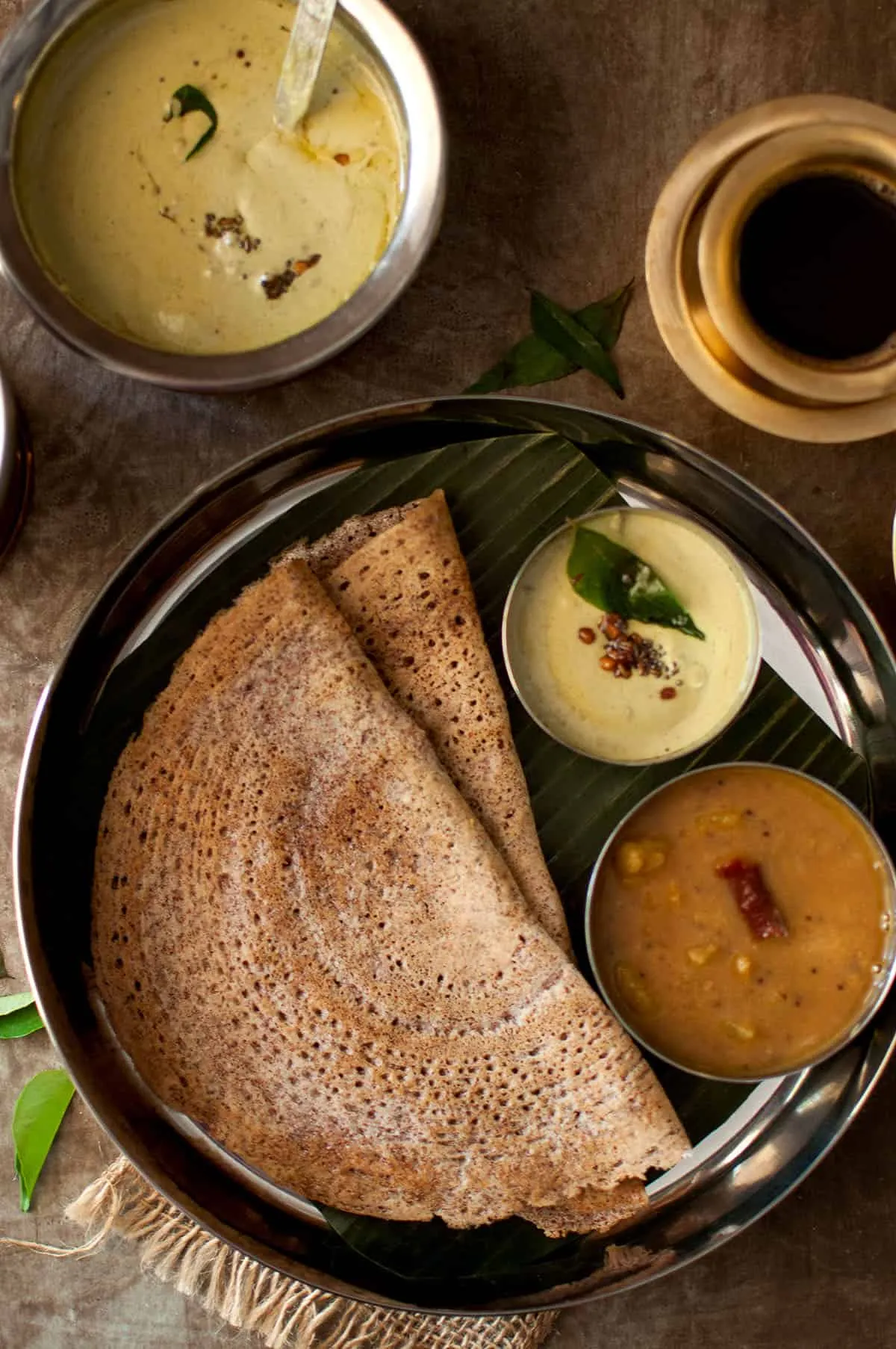
Ragi Vegetable Dosa: South Indian Nourishment on a Plate
Ragi, also known as finger millet, has been a treasured grain in South Indian households for generations. Packed with calcium, iron, and fibre, this quick ragi dosa recipe is perfect for breakfast or a light dinner. It is naturally cooling for the body, easy to digest, and quick to make.
Ingredients
- 1 cup ragi flour
- ¼ cup rice flour
- ½ cup curd
- 1 small grated carrot
- 1 small grated beetroot (optional)
- 1 cup finely chopped spinach (optional)
- 1 finely chopped onion
- 1 green chilli, chopped
- Curry leaves, chopped
- Salt to taste
- Water as needed
Method
- Mix ragi flour, rice flour, and curd in a bowl. This is a quick method instead of making the fermented batter.
- Add vegetables, curry leaves, salt, and enough water to make a thin batter.
- Heat a dosa pan and spread the batter gently.
- Drizzle a little oil and cook until crisp on both sides.
- Serve with coconut chutney or tomato chutney.
- You can make the fermented batter for plain dosa and make the stuffing veggies separately, adding boiled potatoes or crushed paneer for added flavour or protein as per your choice.
Meal Prep Idea:
- Soak ragi and rice overnight with skinned urad dal
- Grind it the next morning and let it ferment
- Add in salt, and you can store it for 3-4 days
- Keep grated veggies ready and store they stay fresh for 2 days, so making vegetable dosa for your weekday main course meal will be easy.
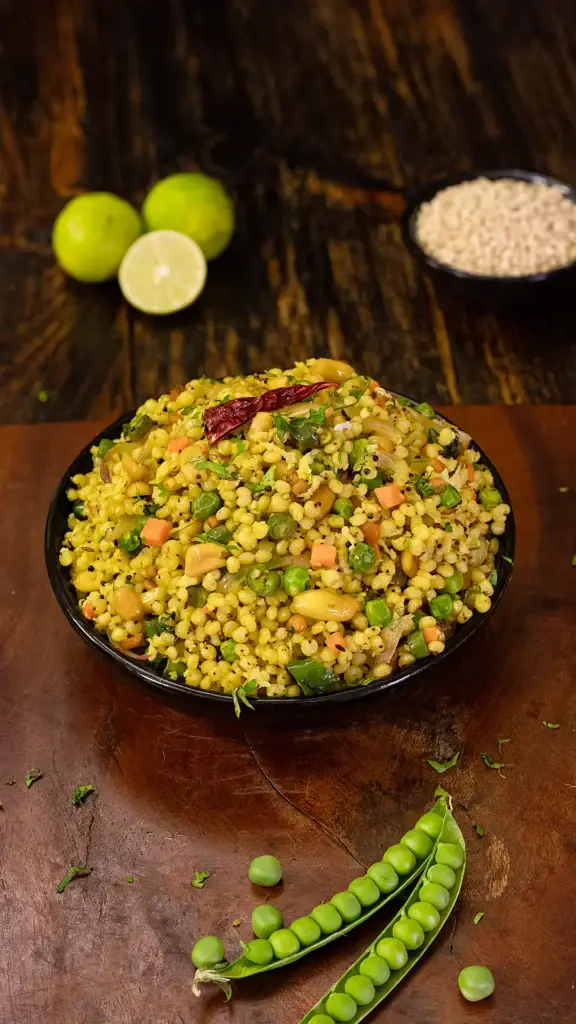
Jowar Upma: A Rustic Maharashtrian Breakfast Revival
Before packaged cereals entered Indian homes, simple jowar upma was a nourishing breakfast in many rural kitchens. Jowar is naturally rich in antioxidants and works beautifully in warm-weather diets. It's light yet filling and helps maintain energy levels.
Ingredients:
- 1 cup jowar rawa (sorghum semolina)
- 1 onion, chopped
- 1 green chilli
- 1 tsp mustard seeds
- 1 tsp Cumin seeds
- 1 tsp urad dal
- Curry leaves
- 2 tbsp peanuts
- 2½ cups hot water
- Salt to taste
- 1 tbsp ghee or oil
Method
- Dry roast jowar rawa for 3–4 minutes and keep aside.
- Heat ghee in a pan and add mustard seeds, cumin seeds, urad dal, peanuts, curry leaves, and chilli.
- Add onions and sauté until soft. Pour hot water and add salt.
- Slowly add roasted jowar rawa while stirring continuously.
- Cover and cook for 5–7 minutes until fluffy.
- I generally roast jowar rava along with onions and veggies, which gives it a roasty flavour and then add water slowly as needed.
Frequently Asked Questions
1. What dishes can be made from millets?
Ans) Millets can be used to make a variety of dishes such as khichdi, dosa, upma, porridge, pulao, rotis, laddoos, pancakes, salads, and even desserts. They are highly versatile grains that fit both traditional and modern recipes, offering nutritious alternatives for breakfast, lunch, dinner, snacks, and healthy baked foods.
2. Are millets better than rice?
Ans) Millets are often considered healthier than rice because they contain more fibre, protein, vitamins, and minerals. They have a lower glycemic index, helping manage blood sugar levels better. Millets also support digestion and heart health, making them a nutritious option for people seeking balanced and wholesome everyday meals.
3. What is the traditional use of millet?
Ans) Traditionally, millets have been used as staple grains in rural and arid regions for making rotis, porridges, fermented foods, and animal fodder. Their drought-resistant nature made them important in ancient agriculture. Millets were widely valued for their long storage life, nutritional richness, and ability to grow in harsh climates.
4. Which country eats millets the most?
Ans) India is considered one of the largest consumers and producers of millets in the world. Millets are deeply connected to Indian agriculture, especially in states like Rajasthan, Karnataka, and Maharashtra. African countries such as Nigeria and Niger also consume millets extensively as staple foods, and in countries like China, Burma, and North Korea.
5. Which millet is famous in India?
Ans) In India, pearl millet, commonly called bajra, is among the most famous millets. Other popular varieties include ragi and jowar. Bajra is widely consumed in western and northern regions because of its nutritional value, energy content, and suitability for dry climates, making it an important traditional grain.
Why Millet Recipes Deserve a Comeback
Traditional Indian recipes were never random. Every ingredient had a purpose. Summer meals focused on cooling foods, winter meals brought warmth, and monsoon cooking emphasised digestion and immunity. The vintage grandma’s recipes were cooked according to seasons, local produce, and the body’s natural needs.
After turning back to millets, I learned it fit perfectly into food wisdom. They required less water to grow, adapted to regional climates, and provided long-lasting nourishment. Unlike many ultra-processed modern meals, these millet recipes support energy, digestion, and overall wellness naturally.
Final Thought
The beauty of these vintage dishes lies in their simplicity. They do not demand expensive ingredients or complicated techniques. Just a few wholesome staples, some patience, and recipes passed lovingly through generations. And these vintage millet recipes are best for the main course meals and for a heavy breakfast.
As modern lifestyles become faster and health concerns rise, perhaps the answer has always been sitting quietly in our grandmother’s kitchens, warm bowls of millet khichdi, crispy ragi dosas, and rustic jowar breakfasts that nourish both body and soul. For more such recipes and nutritional food details, keep following Recipesliving.
By P. Manika (Performist Content Writer)
