The Simple, Nutrient-Dense Foods That Can Truly Sustain Us
March 13, 2026
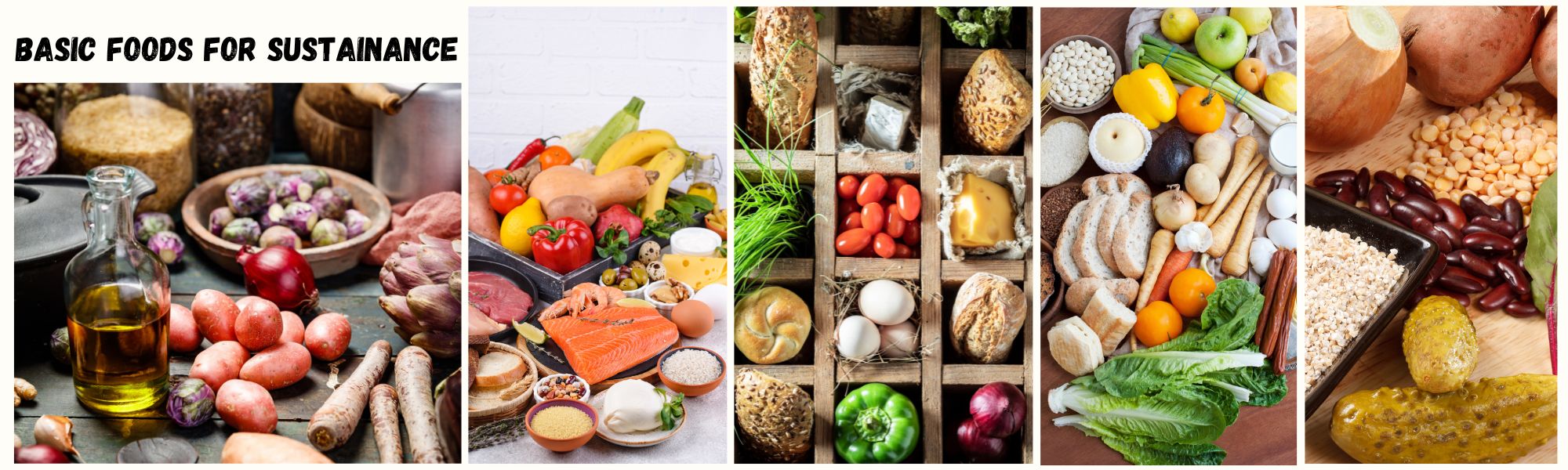
In the modern world, where things appear at our fingertips, even as much as groceries, we deem it abundant and available at any time. Life feels stable with supermarkets stocked with food from every corner of the planet, restaurants delivering meals at the tap of a phone, and global supply chains moving ingredients across continents. But history has shown us that life can change overnight.
Be it going through a pandemic, an epidemic, a natural disaster, or a war, such a situation can cause chaos, loss of transportation, and a diminished stock of food. For instance, when the COVID-19 lockdowns began in 2020, cities that never slept suddenly stood still. Shelves started to be emptied, deliveries slowed, and the restaurants closed for safety. People realized something profound: our sophisticated food system is more fragile than we imagine.
In moments of uncertainty, the most essential truth resurfaced: food is not just comfort or indulgence; it is survival at times. From pandemics and climate events to economic disruptions, the world has always been unpredictable. Yet humanity has endured for thousands of years without supermarkets, packaged snacks, or imported luxuries. Our ancestors survived through simple, nutrient-dense foods that were local, seasonal, and resilient.
This is the key if the world were to face another major crisis; returning to these old ways could help sustain us. So the foods that are nutritionally dense, easy to grow or store, and widely available can be our ultimate saviour at such a time. In this blog, we will explore some of the most basic foods that can nourish us when resources are limited.
Wholesome Foods That Can Sustain Us in Any Situation
Grains: The Foundation of Survival
Rich in calories, and affordable food grains have sustained civilizations for millennia because they are easy to store for long periods. Staples like rice, wheat, millet, oats, and barley provide carbohydrates for energy along with essential vitamins and minerals. Traditional grains such as millets are particularly resilient. They grow in dry conditions, require minimal resources, and are packed with fiber, iron, and protein. This is why ancient communities relied on them long before industrial agriculture.

In many cultures, a simple bowl of grain paired with vegetables or legumes has been enough to sustain families for generations. In a crisis, grains remain one of the easiest foods to store in bulk and cook in simple ways, from porridges to flatbreads.
Lentils and Legumes: The Protein Powerhouses
Protein is an essential component in nutrient sources as it helps build and repair body tissues, including muscles, skin, and organs. And the prime and rich source of protein is considered meat, but when meat becomes scarce or expensive, legumes step in as one of the most important sources of protein. Foods like lentils, chickpeas, beans, and peas are rich in plant protein, fiber, iron, and essential nutrients. They are inexpensive, easy to store dried, and can last for months or even years.

Across cultures, legumes have always been the backbone of everyday meals: dal with rice in India, beans with tortillas in Latin America, or lentil soups across the Middle East and Europe. A pot of lentils cooked with simple spices can deliver comfort, nutrition, and satiety even in the toughest times.
Root Vegetables: Nature’s Underground Pantry
Potatoes, in particular, have historically sustained populations during difficult times. They are the most reliable form of food source. Being root vegetables, they are remarkable survival foods because they grow underground and store nutrients naturally. These humble vegetables remind us that some of the most powerful nutrition comes from the simplest sources.
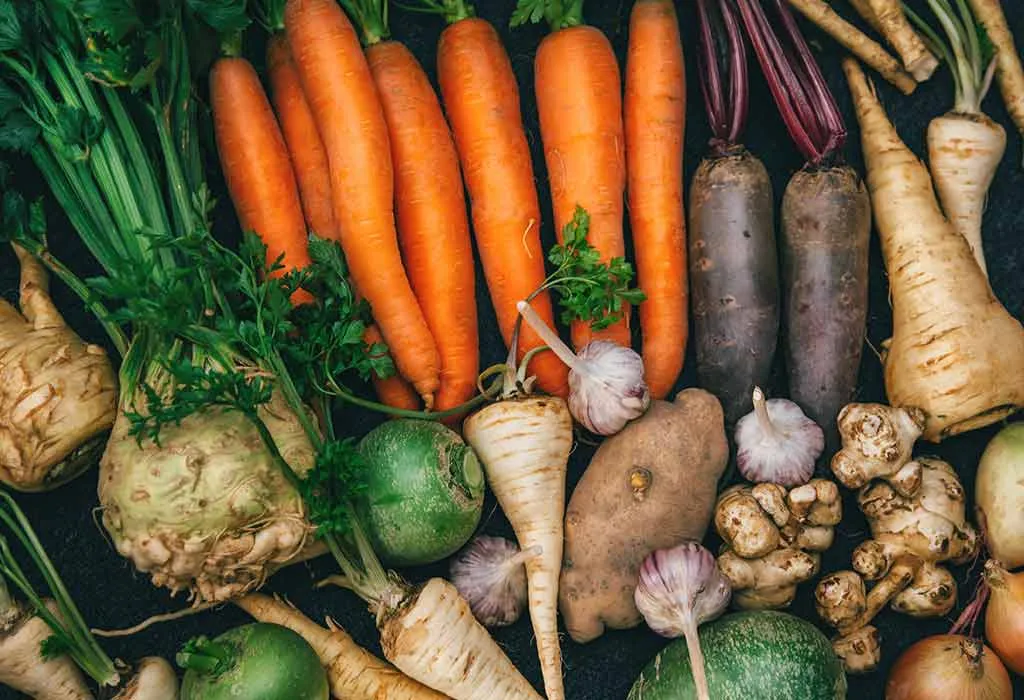
Potatoes, sweet potatoes, carrots, yams, and turnips are packed with carbohydrates, fiber, potassium, and vitamins. Many of them grow easily in small gardens and can survive in a range of climates. They are filling, versatile, and can be roasted, boiled, mashed, or added to soups.
Eggs: Small but Nutrient-Dense
Raising chickens has long been part of traditional households across the world because they require relatively little space and provide a steady supply of food. A person can get both meat and eggs. And keeping them for eggs primarily is the best option. When it comes to high-quality protein, healthy fats, vitamins, and essential minerals, eggs are one of the most complete foods available.
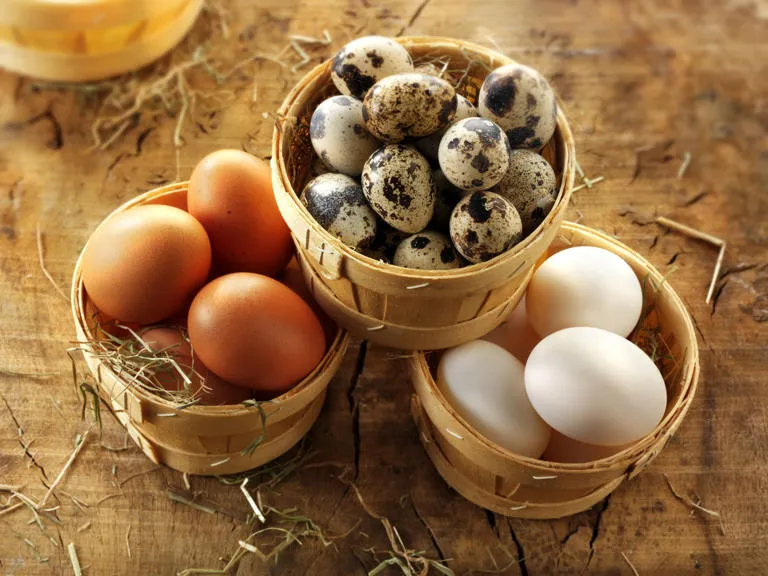
In uncertain times, a backyard coop could offer an incredibly reliable source of nourishment.
Seasonal Vegetables and Greens
In primitive times, when refrigeration and global shipping were nonexistent, people ate what grew around them. Seasonal vegetables and leafy greens are best consumed as they grow according to the surrounding climate necessity; they are the vital sources of vitamins, minerals, and antioxidants. Eating seasonally also means food is fresher, more nutritious, and environmentally sustainable.

Vegetables like spinach, cabbage, pumpkin, gourds, and leafy greens can grow in small plots and offer immense nutritional value. Many traditional societies also relied on foraged greens and herbs, which often grow wild and require little care.
Fermented Foods: Old Wisdom for Gut Health
Fermented food, which is enjoyed in many cuisines as a delicacy today, is something that started as humanity’s original preservation technique. Long before refrigeration existed, fermentation helped communities store food safely while boosting nutritional value.
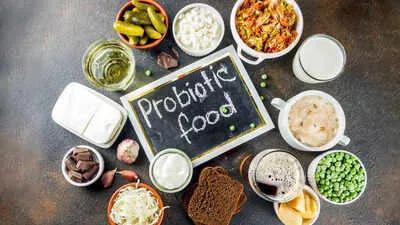
Foods like yogurt, pickles, sauerkraut, and fermented grains not only extend shelf life but also improve digestion and gut health through beneficial bacteria. In a crisis, these techniques could once again become essential skills.
Nuts and Seeds: Compact Nutrition
Nuts and seeds are tiny but incredibly powerful sources of nutrition. Even a small handful can provide sustained energy.
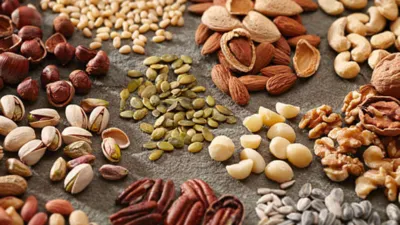
Almonds, peanuts, sesame seeds, sunflower seeds, and flaxseeds contain healthy fats, protein, and important minerals. Because they are calorie-dense and store well, they have historically been valued during travel, famine, or harsh winters.
The Wisdom of Old Ways
One thing is what we notice when we look back at traditional diets is that survival was never dependent on luxury foods. Crafting cuisine is art and a luxury that has emerged as people adjusted to modern life with artful liberty. But in olden times or in times of crisis, humans thrived on simple combinations of grains, legumes, vegetables, and natural fats. Communities preserved harvests, shared meals, and relied on knowledge passed down through generations.
Cooking was slower but more mindful. Food was seasonal, local, and rarely wasted. Modern life may have distanced us from these practices, but they still hold valuable lessons. And going back to basics and learning the basic skill of mindful food consumption is essential.
Being frugal with food products is another practice that can be followed. Any edible item available should be used to the maximum and not be wasted. Just like in olden days, once food was consumed, the leftovers were not thrown away; they were used as fertilizer or fed to animals, and nothing ended up wasted.

Serve yourself what you can eat, eat what you can, and feed the rest to animals and nature. A lesson I learned from my grandma, who comes from a generation that witnessed tough times and had to live on a few supplies. But their adjusting ways help them live abundantly.
Preparing for an Uncertain Future
Thinking about global crises can feel dramatic, yet the real takeaway is not fear; it is resilience. Knowing how to cook basic foods, grow simple vegetables, store grains, or ferment produce are skills that empower us regardless of circumstances.
Take the COVID-19 lockdown as an example; it reminded us that even when life pauses, kitchens remain active. Families returned to home cooking, simple meals, and pantry staples. Many even started growing their own food, and never looked back. In the fast-paced, quick-on-the-table life, that pause taught us that life is unpredictable, and we should be ready for all the challenges it throws at us.
Food, in its most basic form, continues to be the thread that holds life together. So, indulging while we can is okay, but being mindful of food ingredients, being able to make a whole meal out of minimal availability, and, if time calls, being able to grow sustainable food items is necessary. And these are a few basic foods that can sustain us for longer.
A Simple Truth
Truth is always simple and direct, and no matter how much we have come to an era of indulgence in culinary craft, at the heart of survival is not gourmet cuisine or complicated recipes. It is the humble bowl of grains, a pot of lentils, fresh vegetables from the soil, and food shared with those around us.
If the world ever forces us back to basics, we may rediscover something powerful: the old ways were never primitive; they were sustainable, nourishing, and deeply wise. And perhaps in returning to them, we might learn how to live a little better, even when the world feels uncertain. Your plate would make you feel blessed for that moment.
By P. Manika (Performist Content Writer)
