Master the Ultimate Indian Curry Base: The Secret to 10-Minute Gourmet Meals
January 27, 2026
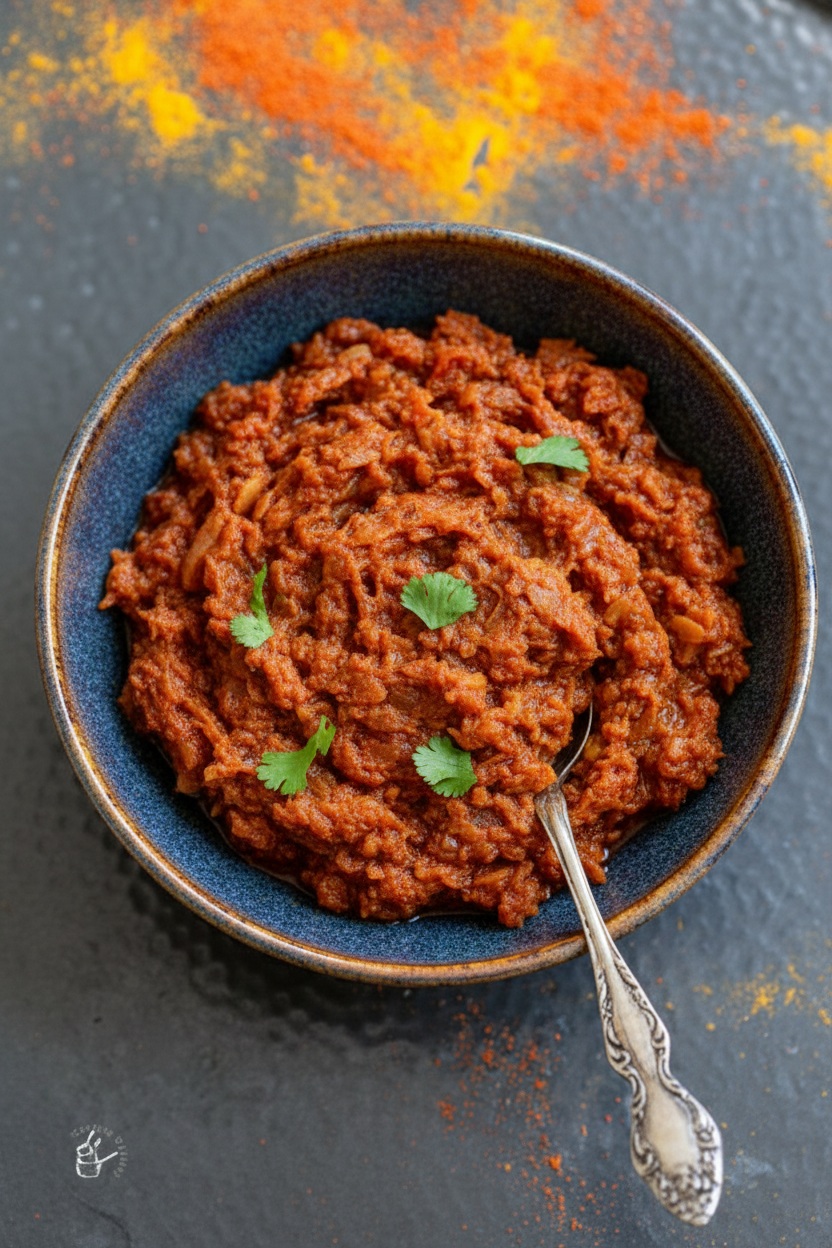
By spending one hour on a weekend preparing this versatile base, you can unlock the ability to cook authentic Butter Chicken, Rogan Josh, or Chana Masala on a busy Tuesday night in under 15 minutes. In this guide, we’ll break down the high-quality ingredients, precise cooking methods, and pro storage tips to elevate your home cooking and save you hours in the kitchen.
Why Every Home Cook Needs a Curry Base
A traditional Indian curry relies on the slow caramelization of onions and the careful tempering of spices. Doing this from scratch every night is exhausting. A pre-made base:
- Reduces cooking time by 80%.
- Ensures consistency in flavor and texture.
- Minimizes cleanup, as the "heavy lifting" is already done.
Ingredients List (Bulk Batch)
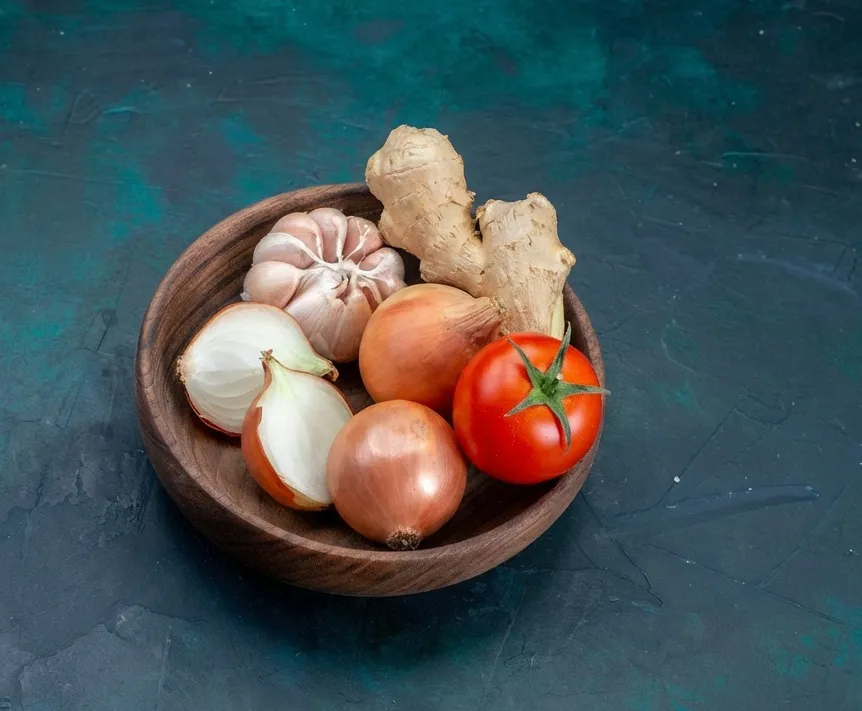
To make approximately 1.5 liters of concentrated curry base (enough for 6–8 family-sized meals), you will need:
- The Aromatics:
1 kg Red Onions (finely chopped or processed)
100g Ginger (peeled and minced)
100g Garlic (peeled and minced)
- The Base:
800g Canned Plum Tomatoes (pureed) or fresh vine-ripened tomatoes
200ml Neutral Oil (Vegetable, Sunflower, or Ghee)
- Whole Spices (The Tempering):
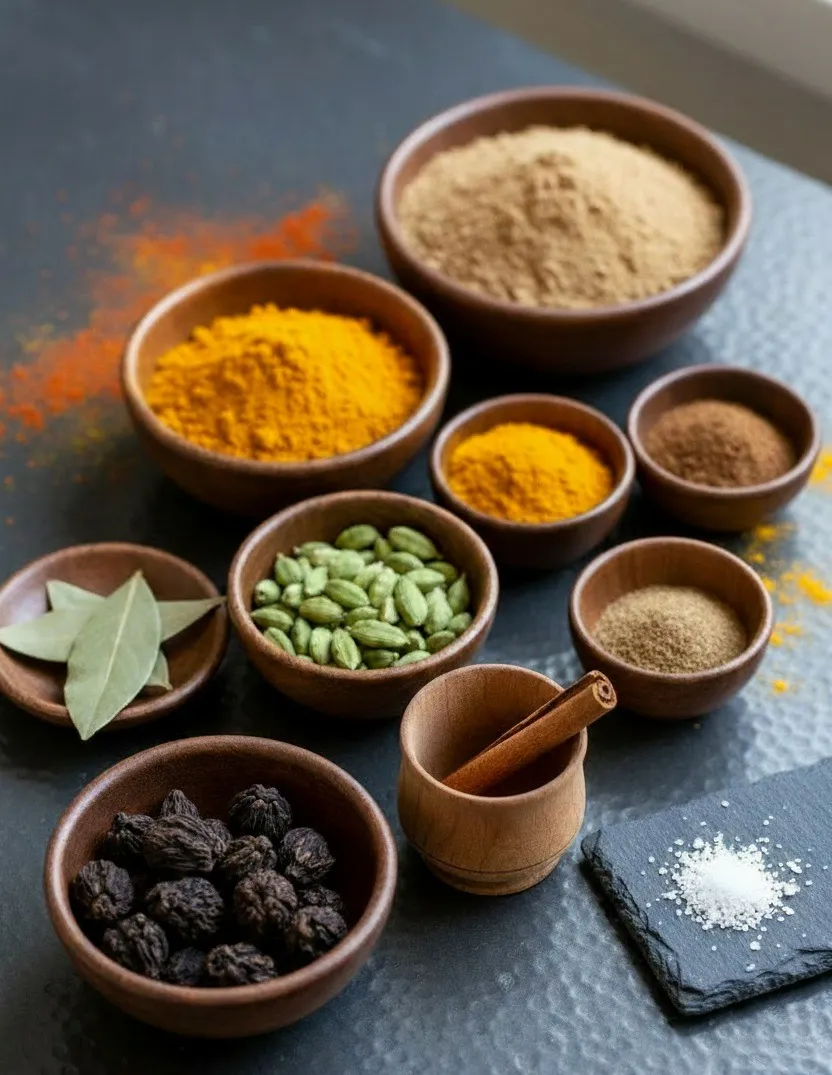
2-3 Black Cardamom pods
1 stick Cinnamon (approx. 2 inches)
4-5 Green Cardamom pods
2 Bay leaves
- Ground Spices:
2 tbsp Turmeric Powder
3 tbsp Kashmiri Red Chili Powder (for vibrant color without excessive heat)
4 tbsp Coriander Powder
1 tbsp Cumin Powder
Salt to taste
Step-by-Step Cooking Method
1. Sautéing the Aromatics
Heat the oil in a heavy-bottomed pot. Add the whole spices and let them sizzle for 30 seconds until fragrant. Add the chopped onions and a pinch of salt. This is the most crucial step: sauté the onions on medium heat until they are deep golden brown. This process, known as Bhuna, creates the depth of flavor characteristic of Indian cuisine.
2. The Ginger-Garlic Paste
Once the onions are caramelized, add the ginger and garlic paste. Sauté for another 3–4 minutes until the raw smell disappears. If the mixture sticks to the pan, add a splash of water.
3. Spice Integration
Lower the heat and add your ground spices (Turmeric, Chili, Coriander, Cumin). Stir constantly for 1 minute. The oil should begin to take on a dark, rich hue.
4. The Tomato Reduction
Pour in the tomato puree. Stir well and cover the pot. Cook on low-medium heat until the oil separates from the masala and rises to the top. This "splitting" is a visual cue that the water has evaporated and the flavors are fully concentrated.
5. Cooling and Blending (Optional)
Once the base is cooked, let it cool completely. You can leave it chunky for a rustic feel or blend it into a smooth paste for a restaurant-style finish.
Portion Sizes and Usage
The beauty of this base is its concentration. Because the water has been cooked out, a little goes a long way.
Dish Type | Portion of Base | Added Liquid |
Dry Dish (Bhuna) | 1/2 Cup | Minimal water |
Classic Gravy | 1 Cup | 1/2 Cup water or stock |
Creamy Curry | 1 Cup | 1/4 Cup heavy cream or coconut milk |
Pro Tip: For a standard serving of 500g protein (chicken, paneer, or chickpeas), use 150ml to 200ml of this concentrated base.
Kitchen Tips: Storing and Freezing
To maintain the high quality of your curry base, follow these storage protocols:
- Refrigeration: Store in an airtight glass jar for up to 7 days. Ensure a thin layer of oil remains on top to act as a natural preservative.
- Freezing: Use silicone ice cube trays or muffin tins to freeze the base in individual portions. Once frozen, transfer the "curry pucks" to a Ziploc bag. They stay fresh for up to 3 months.
- Labeling: Always label your containers with the date. Since the base is highly concentrated, you don't want to mistake it for a finished sauce!
How to Use Your Base for Different Dishes
- For Tikka Masala: Add the base to a pan with heavy cream, dried fenugreek leaves (Kasuri Methi), and a pinch of sugar.
- For Jalfrezi: Sauté bell peppers and onions briefly before adding the base and a splash of vinegar.
- For Spinach Curry (Saag): Blend the base with blanched spinach puree.
Conclusion
Mastering the Indian curry base is the single best investment an aspiring home chef can make. It transforms Indian cooking from a daunting, multi-hour task into a simple, healthy, and incredibly flavorful routine. By focusing on the Bhuna process (caramelizing onions) and proper storage, you’ll have the foundation for a hundred different meals right at your fingertips.
Stop ordering takeout and start building your "curry library" today. Your taste buds—and your schedule—will thank you.
FAQS
Q1. What is the best type of container for storing curry base?
Ans) For refrigerator storage, glass airtight containers or Mason jars are ideal. Indian curry base contains turmeric and oil, which can permanently stain and permeate plastic containers. Glass is non-porous, keep the flavors pure, and is easy to clean. If you are freezing the base, high-quality, BPA-free silicone molds or freezer-safe glass jars (leaving space for expansion) work best.
Q2. How should I portion the base for long-term storage?
Ans) The most efficient way to store the base is in individual meal-sized portions. Use a silicone muffin tin or large ice cube trays to freeze the sauce into "pucks." Once frozen solid, pop them out and store them in a heavy-duty freezer bag. This allows you to grab exactly 2 or 3 portions for a quick dinner without thawing the entire batch.
Q3. How long does the curry base stay fresh?
Ans) In the refrigerator, the base will stay fresh for 5 to 7 days. In the freezer, it maintains peak flavor for up to 3 to 4 months. While it remains safe to eat after that, the potency of the spices may begin to fade.
Q4. Can I use this base for vegetarian and vegan dishes?
Ans) Absolutely. As long as you use vegetable oil instead of ghee, the base is 100% vegan. It works beautifully with chickpeas (Chana Masala), lentils (Dal), or mixed vegetables like cauliflower and peas (Aloo Gobi).
Q5. Why is there a layer of oil on top of my stored sauce?
Ans) This is actually a good sign! In Indian cooking, this is called the Roghan. The oil acts as a natural preservative, sealing the masala from air and preventing spoilage. When you're ready to cook, just stir the oil back into the sauce.
Q6. Does this base work for "White" or "Korma" curries?
Ans) This specific recipe is a "Red/Brown Base." For a Korma or Mughlai-style curry, you would typically use a base made with boiled onions, yogurt, and cashew paste. However, you can turn this red base into a "creamy" curry by adding coconut milk or heavy cream at the very end of cooking.
Q7. Can I add salt later, or should I add it to the base?
Ans) It is best to add a moderate amount of salt to the base to help the onions break down during cooking. However, since you will likely add different proteins or vegetables later, keep the base slightly under-salted so you can adjust the final dish to your preference.
By Chithra Sooraj (Digital Marketing Executive)
