Winter Warmers from Thailand: Exploring Tom Yum and Tom Kha Variations
December 17, 2025
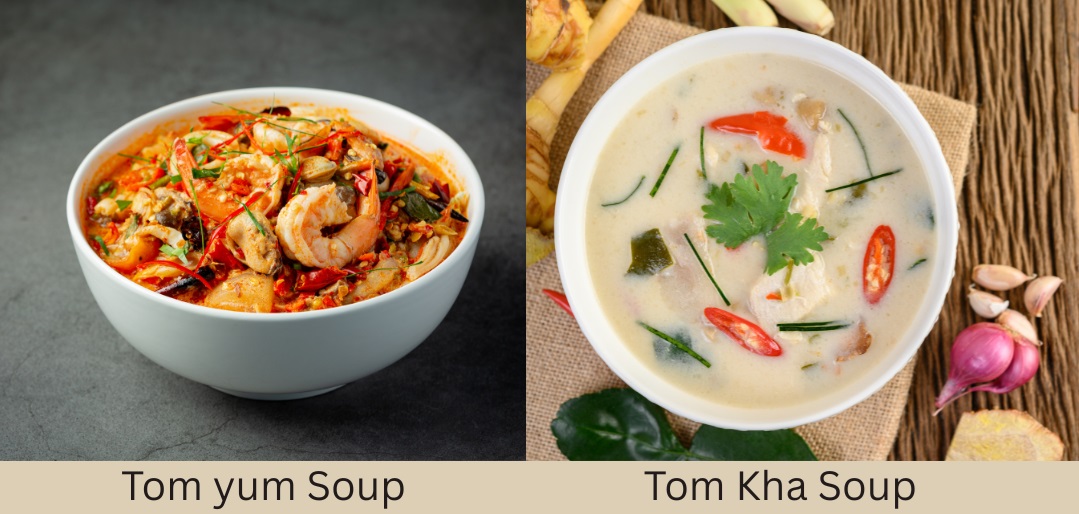
When the winter chill sets in, nothing warms you up quite like a steaming bowl of Thai soup. Tom Yum and Tom Kha are the stars of the season, perfectly balancing spicy, sour, salty, and sweet flavors to hit every spot. These fragrant broths are more than just a meal—they feel like a restorative hug in a bowl on a cold evening. While both use fresh herbs like lemongrass and galangal, each offers a unique texture that makes it a perfect, cozy choice for a winter dinner.
Understanding the fundamental difference between these two famous Thai dishes is key to choosing your ideal bowl of Thai comfort food. The main distinction lies in the broth's base and resulting richness.
Feature | Tom Yum (Spicy & Sour) | Tom Kha (Galangal & Coconut) |
Primary Base | Clear or Thin Broth (Often with Chili Paste) | Rich, Creamy Coconut Milk Base |
Flavor Profile | Intense Sour, Fiery Spicy, Bright | Creamy, Velvety, Balanced Sweet/Sour, Mildly Spicy |
Aromatics Focus | Lemongrass, Kaffir Lime, Chili Heat | Galangal (Kha), Coconut, Lime |
Typical Protein | Shrimp (Goong) or Mixed Seafood (Talay) | Chicken (Gai) or Tofu/Mushrooms |
Texture | Light, Watery, Pungent | Thick, Smooth, Opulent |
Long-Tail Keyword | Authentic spicy Thai shrimp soup | Creamy keto-friendly chicken coconut soup |
Recipe 1: Tom Yum Goong (Spicy Shrimp Soup)
Tom Yum Goong is the classic, clear, or slightly creamy version known for its aggressive sourness and invigorating chili kick. It’s a perfect low-calorie Thai soup for those managing weight or seeking a spicy soup for immunity.
Ingredients
Category | Ingredient | Quantity | Notes |
Broth Base | Low-Sodium Chicken or Vegetable Broth | 4 cups (950 ml) | |
Aromatics | Galangal (fresh, sliced) | 1-inch piece | Use fresh, not dried. |
Lemongrass (stalks, bruised) | 2 stalks | Bruising helps release oils. | |
Kaffir Lime Leaves (torn) | 5 leaves | ||
Protein & Veggies | Medium Shrimp (peeled & deveined) | 1 lb (450 g) | Goong is the Thai word for shrimp. |
Straw or Oyster Mushrooms (halved/sliced) | 1 cup | ||
Seasoning & Heat | Fish Sauce (Nam Pla) | 2 tbsp | Adjust to taste for saltiness. |
Tom Yum Paste (or Chili Paste/Nam Prik Pao) | 1-2 tbsp | Adds heat and color. | |
Fresh Lime Juice | 3 tbsp | Added after cooking. | |
Thai Bird’s Eye Chilies (optional) | 2-4 chilies | Sliced or crushed for maximum heat. | |
Garnish | Cilantro & Basil Leaves | Handful | For fresh aroma. |
Yields: 4 Servings
Prep Time: 15 minutes2
Cook Time: 15 minutes
Instructions to Cook
1. Infuse the Broth: In a medium pot, bring the broth, galangal, lemongrass, and kaffir lime leaves to a boil. Reduce heat and simmer gently for 5-7 minutes to allow the flavors to deepen.
2. Add Heat and Umami: Stir in the Tom Yum Paste and Fish Sauce until fully dissolved. If using fresh chilies, add them now.
3. Cook Protein: Add the shrimp and mushrooms.3 Simmer for 3-5 minutes, until the shrimp are pink and cooked through and the mushrooms are tender. Do not overcook.
4. Finish the Flavor: Remove the pot from the heat. Stir in the fresh lime juice. Tasting is crucial: balance the sour (lime), salty (fish sauce), and sweet (natural sweetness from shrimp/mushrooms).
5. Serve: Ladle into bowls and garnish with fresh cilantro and Thai basil.
Approximate Nutritional Facts (per serving)
Component | Amount Per Serving | % Daily Value* |
Calories | ~180 kcal | 9% |
Protein | ~20 g | 40% |
Total Fat | ~4 g | 5% |
Total Carbs | ~15 g | 5% |
Sodium | ~1,100 mg | 48% |
Iron | ~3 mg | 17% |
Note: Sodium is often high due to fish sauce/paste; use low-sodium broth and adjust fish sauce to manage intake.
Recipe 2: Tom Kha Gai (Chicken Galangal Soup)
Tom Kha Gai is the creamy cousin, milder in heat and richer in texture thanks to coconut milk. It is a comforting, high-fat, keto-friendly Thai soup option due to its use of full-fat coconut milk.
Ingredients
Category | Ingredient | Quantity | Notes |
BrothBase | Full-Fat Coconut Milk | 4 cups (2 cans, 13.5 oz each) | Essential for creamy texture. |
Low-Sodium Chicken Broth (or water) | 1 cup (240 ml) | ||
Aromatics | Galangal (fresh, sliced) | 1.5-inch piece | More prominent than in Tom Yum. |
Lemongrass (stalks, bruised) | 2 stalks | ||
Kaffir Lime Leaves (torn) | 4 leaves | ||
Protein & Veggies | Boneless Chicken Thighs or Breast | 1 lb (450 g) | Sliced thin (about 1/2-inch). |
Straw or Oyster Mushrooms (halved/sliced) | 1 cup | ||
Seasoning & Heat | Fish Sauce (Nam Pla) | 2-3 tbsp | For savory saltiness. |
Palm Sugar (or honey/brown sugar) | 1 tsp | Balances the sourness. | |
Fresh Lime Juice | 3 tbsp | Added after cooking. | |
Garnish | Fresh Cilantro & Spring Onion | Handful | Chopped for garnish. |
Yields: 4 Servings
PrepTime: 15 minutes5
CookTime: 20 minutes6
Instructions to Cook
1. Infuse the Cream Base: In a medium pot, combine the coconut milk and chicken broth.7 Bring to a gentle simmer (do not boil rapidly).
2. Add Aromatics: Add the sliced galangal, lemongrass, and kaffir lime leaves.8 Simmer gently for 7-10 minutes, allowing the coconut milk to fully absorb the rich galangal aroma.
3. Cook Protein: Add the sliced chicken and mushrooms. Cook for about 5 minutes, ensuring the chicken is fully cooked.
4. Season and Balance: Remove the pot from the heat. Stir in the fish sauce, palm sugar, and fresh lime juice.
5. Adjust Flavors: The final flavor should be a delicate balance—rich and creamy, with a subtle sweetness and bright finish of sour lime. Adjust seasoning as needed.
6. Serve: Ladle into bowls and garnish with chopped cilantro and spring onions.
Approximate Nutritional Facts (per serving)
Component | AmountPerServing | % Daily Value* |
Calories | ~350 kcal | 18% |
Protein | ~23 g | 46% |
Total Fat | ~25 g | 32% |
Total Carbs | ~10 g | 4% |
Saturated Fat | ~20 g | 100% |
Note: Tom Kha is higher in fat and calories due to the coconut milk, but it is an excellent source of healthy fats.
FAQs
Q1. Can I substitute ginger for galangal in these Thai soups?
Ans: While related, ginger is not a perfect substitute for galangal. Galangal has a more pungent, piney, and citrusy flavor. Use it if you can for an authentic Thai flavor.
Q2. What is the purpose of bruising the lemongrass?
Ans: Bruising the lemongrass stalk (using the back of a knife) releases its essential oils, allowing the maximum amount of lemon-citrus flavor to infuse the broth, which is key for a fragrant Thai winter soup.
Q3. Are these soups naturally gluten-free?
Ans: Yes, both Tom Yum and Tom Kha are naturally gluten-free, provided you use pure fish sauce and check that any pre-made paste or broth is also gluten-free.
Q4. How do I make Tom Yum soup creamy (Nam Khon)?
Ans: To make a creamy Tom Yum (Tom Yum Nam Khon), add 1/4 cup of evaporated milk or a splash of coconut milk along with the Tom Yum paste.
Q5. Can I freeze Tom Kha or Tom Yum soup?
Ans: It is generally not recommended. The dairy in Tom Kha (coconut milk) can separate, and the delicate herbs in both soups can lose their fresh flavor and vibrant texture upon thawing.
Q6. What vegetables work best for a vegetarian Thai soup variation?
Ans: Use firm tofu for protein and a variety of textures like shiitake, oyster, or straw mushrooms, carrots, and baby corn.
Q7. Is Tom Kha always less spicy than Tom Yum?
Ans: Typically yes, but heat can always be customized. For a spicier Tom Kha, simply add more crushed Thai Bird's Eye chilies during the simmering stage.
Q8. What is the key to balancing the flavor in these dishes?
Ans: The secret is to balance all four tastes: sour (lime), salty (fish sauce), sweet (sugar/coconut milk), and hot (chili). The Thai goal is a complex, harmonious blend, not dominance by any one flavor.
Q9. What gives the Tom Yum a red/orange color?
The color comes from the addition of chili paste (Nam Prik Pao), which contains chili and oil.
Q10. What is the difference between kaffir lime leaves and regular lime leaves?
Kaffir lime leaves (often called Makrut lime leaves) have a distinct, pungent, and intensely fragrant citrus aroma that is indispensable to traditional Thai cooking.9 Regular lime leaves are not a suitable substitute.
By Chithra Sooraj (Digital Marketing Executive)
