Wholesome and Quick: 30-Minute Japanese Meal for Busy Schedules
February 25, 2026
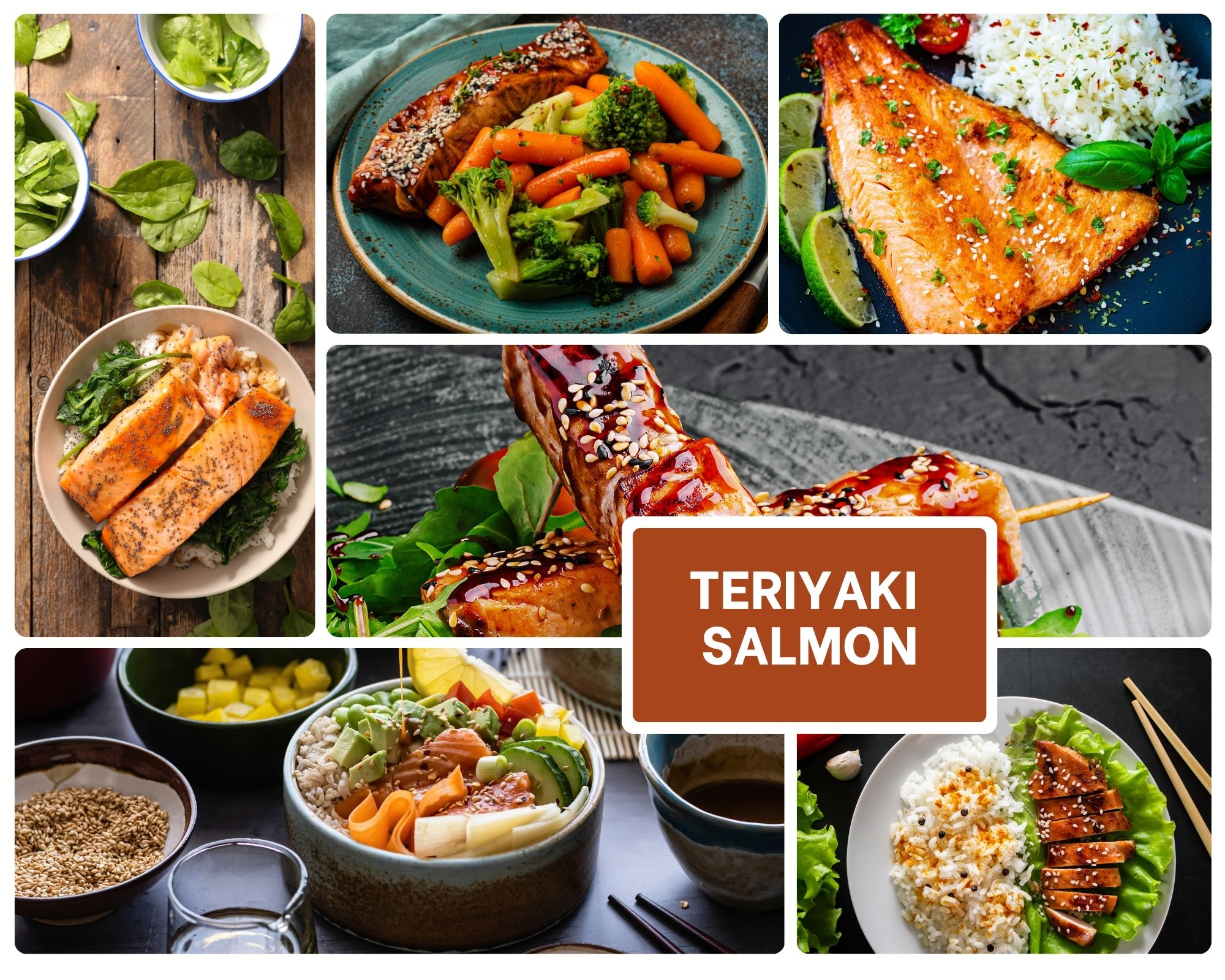
There’s something truly comforting about Japanese food that always draws me in. Maybe it’s the balance, the simplicity, or the way every ingredient feels intentional rather than overwhelming. I love how Japanese cuisine focuses on light, clean flavors, minimal spice, and mindful eating, qualities often associated with long-living cultures like Japan, which is frequently discussed in the context of Blue Zone-inspired eating patterns. Fresh ingredients, gentle cooking methods, and portion balance make Japanese meals both nourishing and satisfying without feeling heavy.
And that’s exactly why today’s recipe is perfect for busy schedules. If you love healthy meals that are quick, light, and delicious, this 30-minute Teriyaki Salmon Rice Bowl is a wonderful addition to your weekly routine. It’s wholesome, protein-rich, and incredibly easy to prepare, even on hectic days.
Teriyaki Salmon Rice Bowl (Healthy 30-Minute Recipe)
Ingredients (Serves 2):
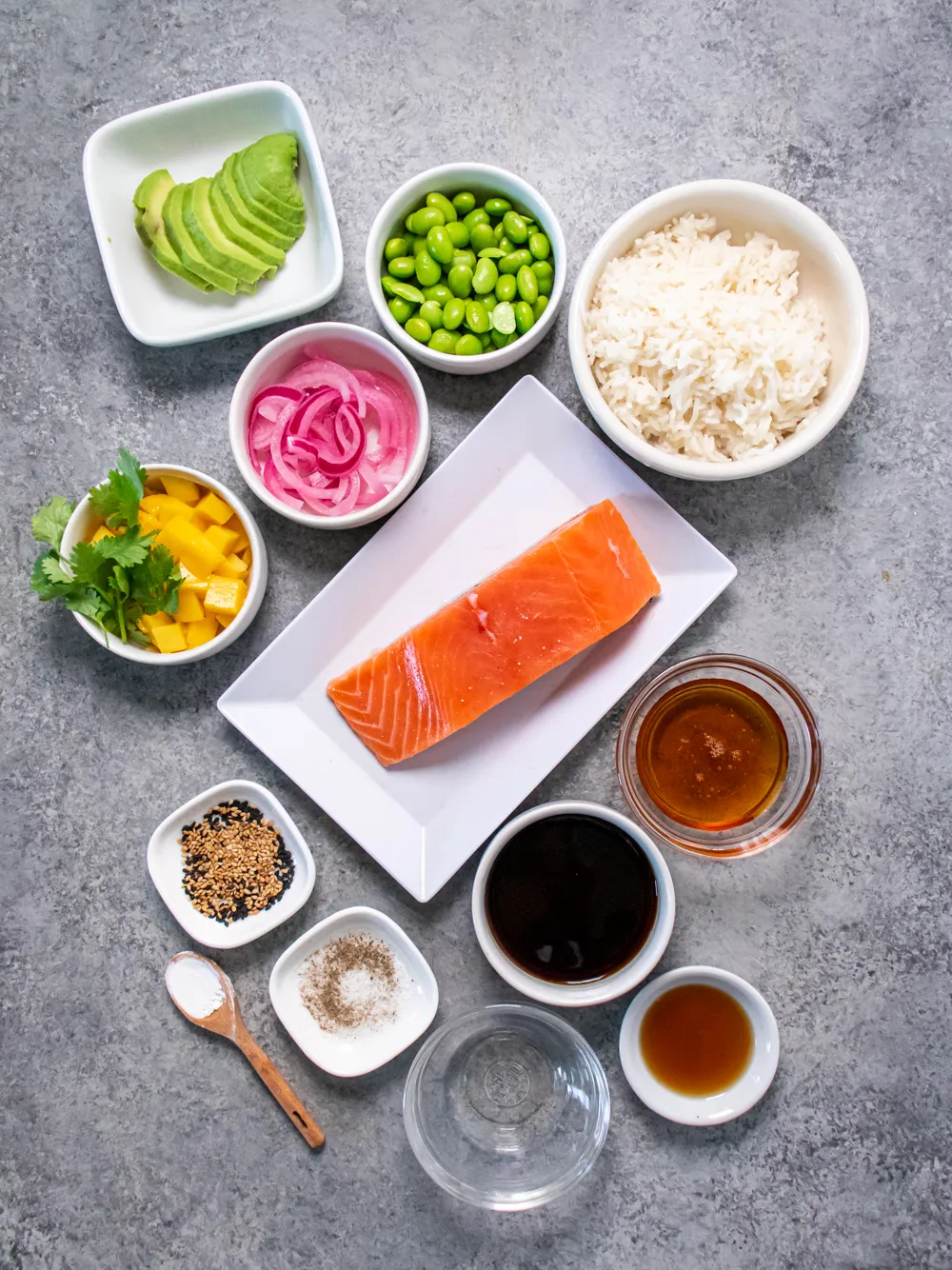
- 2 salmon fillets
- 2 cups cooked short-grain rice (or brown rice)
- 2 tablespoons soy sauce (low sodium preferred)
- 1 tablespoon honey or maple syrup
- 1 tablespoon rice vinegar
- 1 teaspoon grated ginger
- 1 teaspoon minced garlic
- 1 teaspoon sesame oil
- 1 cup steamed broccoli or edamame
- 1 small cucumber (sliced)
- 1 carrot (julienned)
- Sesame seeds (for garnish)
- Spring onions (chopped)
- 1 teaspoon olive oil
Detailed 30-Minute Making Method
Prepare the Rice (5 minutes)
- If you don’t have pre-cooked rice, start by cooking short-grain or brown rice.
- While it cooks, prep your vegetables by slicing the cucumber and carrot, along with steaming the broccoli or edamame.
Make the Teriyaki Sauce (5 minutes)
- How to make teriyaki sauce authentically is always a straining question, well its not that difficult, just a few simple steps.
- First, simmer the light soy sauce, then add honey, rice vinegar (sake), grated ginger, minced garlic, and sesame oil. Whisk well until slightly glossy.
- This homemade sauce keeps the dish healthier and lower in preservatives compared to store-bought versions.
- You can cool it and store it in a clean, airtight glass jar in the refrigerator. Traditional teriyaki uses fermented soy sauce (shoyu), which gives umami depth.
- Homemade sauce stays fresh for 1–2 weeks refrigerated; longer if low moisture and properly sealed.
Cook the Salmon (8–10 minutes)
- You can use whole salmon or a cut piece of deboned salmon.
- Heat olive oil in a pan over medium heat. Place the salmon fillets skin-side down and cook for about 4–5 minutes.
- Flip gently and pour half the teriyaki sauce over the salmon. Let it simmer until the salmon is tender, glazed, and fully cooked.
- You can make teriyaki salmon in the oven, just coat the salmon with teriyaki sauce, and bake it in a preheated oven to 200°C (400°F). Place the salmon fillets skin-side down. Brush with sauce and bake for 12–15 minutes, depending on thickness.
- Airfryer teriyaki salmon is another healthy option if you don’t have an oven. Just coat it with sesame oil and teriyaki sauce, and cook in preheat air fryer to 200 °C. Cook the fillets 8–10 minutes until flaky, tender, and lightly crisp on the edges
Sauté & Glaze (3–4 minutes)
- Spoon the remaining sauce over the salmon and let it thicken slightly.
- This creates a beautiful glossy coating and deep umami flavor without excessive seasoning or spice.
Assemble the Bowl (5 minutes)
- Bet you bowl and add a generous scoop of warm rice to your bowl.
- Place the glazed teriyaki salmon on top.
- Arrange steamed broccoli, cucumber slices, and carrots neatly around the rice.
- Sprinkle sesame seeds and chopped spring onions for freshness and crunch.

People Are Curious About:
1. Does Teriyaki sauce go well with salmon?
Ans) Yes, teriyaki sauce pairs exceptionally well with salmon because its sweet and savory flavor complements the rich, buttery texture of the fish. The Teriyaki salmon bowl is quite famous; the soy-based glaze caramelizes beautifully when cooked, enhancing taste and aroma. It balances umami and sweetness, making teriyaki salmon a popular choice in Japanese-inspired bowls, grilled dishes, and healthy meal recipes.
2. Is Teriyaki salmon healthy to eat?
Ans) A teriyaki salmon rice bowl can be a healthy meal when prepared with moderate sauce and minimal oil. Salmon is rich in omega-3 fatty acids, high-quality protein, and essential vitamins like B12 and D. Using a homemade, low-sugar teriyaki sauce and pairing it with rice and vegetables creates a balanced, nutritious, and satisfying dish suitable for a wholesome diet.
3. What is teriyaki sauce made of?
Ans) How to make teriyaki sauce is the most asked question. Teriyaki sauce is typically made from soy sauce, mirin, sugar, and sake or rice vinegar. Garlic, ginger, and honey are often added for extra flavor. The sauce is simmered until slightly thick and glossy. Its signature taste is a balance of sweet, salty, and umami, commonly used in Japanese cooking for glazing meats, fish, and vegetables.
4. What food ingredients go well with the teriyaki sauce recipe?
Ans) Teriyaki sauce pairs well with salmon, chicken, tofu, shrimp, and beef. It also complements vegetables like broccoli, bell peppers, carrots, mushrooms, and snap peas. For grains, steamed rice, brown rice, and noodles work perfectly. Sesame seeds, spring onions, and avocado enhance flavor, texture, and presentation in bowls, stir-fries, and grilled dishes.
5. Is Teriyaki sauce an Indian or a Chinese sauce recipe?
Ans) Teriyaki sauce is a Japanese sauce, not Indian or Chinese. It originated in Japan and is traditionally used as a glaze or marinade for grilled and broiled foods. The word “teriyaki” refers to a cooking technique where foods are glazed with a soy-based sauce and cooked until shiny and caramelized in classic Japanese cuisine.
6. Is salmon high in calories?
Ans) Salmon is moderately high in calories compared to lean fish, but it is highly nutritious. It contains healthy fats, especially omega-3 fatty acids, along with protein and essential nutrients. Despite its calorie content, it supports heart health, brain function, and overall wellness, making it a healthy choice when eaten in balanced portions.
7. What are the best recipes for Salmon?
Ans) Some of the best salmon recipes include teriyaki salmon bowls, grilled lemon garlic salmon, baked herb salmon, honey-glazed salmon, salmon poke bowls, and pan-seared salmon with vegetables. You can also try salmon sushi, salmon salads, and miso-glazed salmon. These recipes are flavorful, nutritious, and suitable for both quick meals and gourmet dining.
Why This Bowl is Healthy and Fulfilling
When we talk of meal bowls, be it any, they are curated with proportions that involve an adequate amount of nutrients, fiber, protein, and carbohydrates. In the same way reason for the Teriyaki salmon bowl recipe being healthy is.

- This Teriyaki Salmon Rice Bowl is a perfect balance of protein, fiber, and healthy fats. Salmon is rich in omega-3 fatty acids that support heart and brain health, while rice provides steady energy.
- The fresh vegetables add vitamins, antioxidants, and digestive fiber.
- Unlike heavily spiced meals, this dish uses mild seasoning, natural sweetness, and a mindful portion, making it light on the stomach yet deeply satisfying.
- It aligns beautifully with clean, longevity-inspired eating habits that prioritize nourishment over excess.
A Mindful and Delicious Ending
To live a healthy life, the basic is eating healthy, and in this busy lifestyle, this simple, nourishing, and ready in just 30 minutes, Teriyaki Salmon Rice Bowl is your answer. It proves that healthy eating doesn’t have to be complicated or time-consuming.
Japanese dishes are often said to be health-wrapped with ingredients, and this Teriyaki salmon bowl recipe is the kind of meal that fuels your body, calms your mind, and fits seamlessly into a busy lifestyle. Stay tuned for more quick, wholesome 30-minute recipes that bring you healthy results without sacrificing taste, because mindful eating should always feel effortless and joyful.
By P. Manika (Performist Content Writer)

