Truth on Your Plate: 5 Nutrition Myths You Should Stop Believing
January 16, 2026
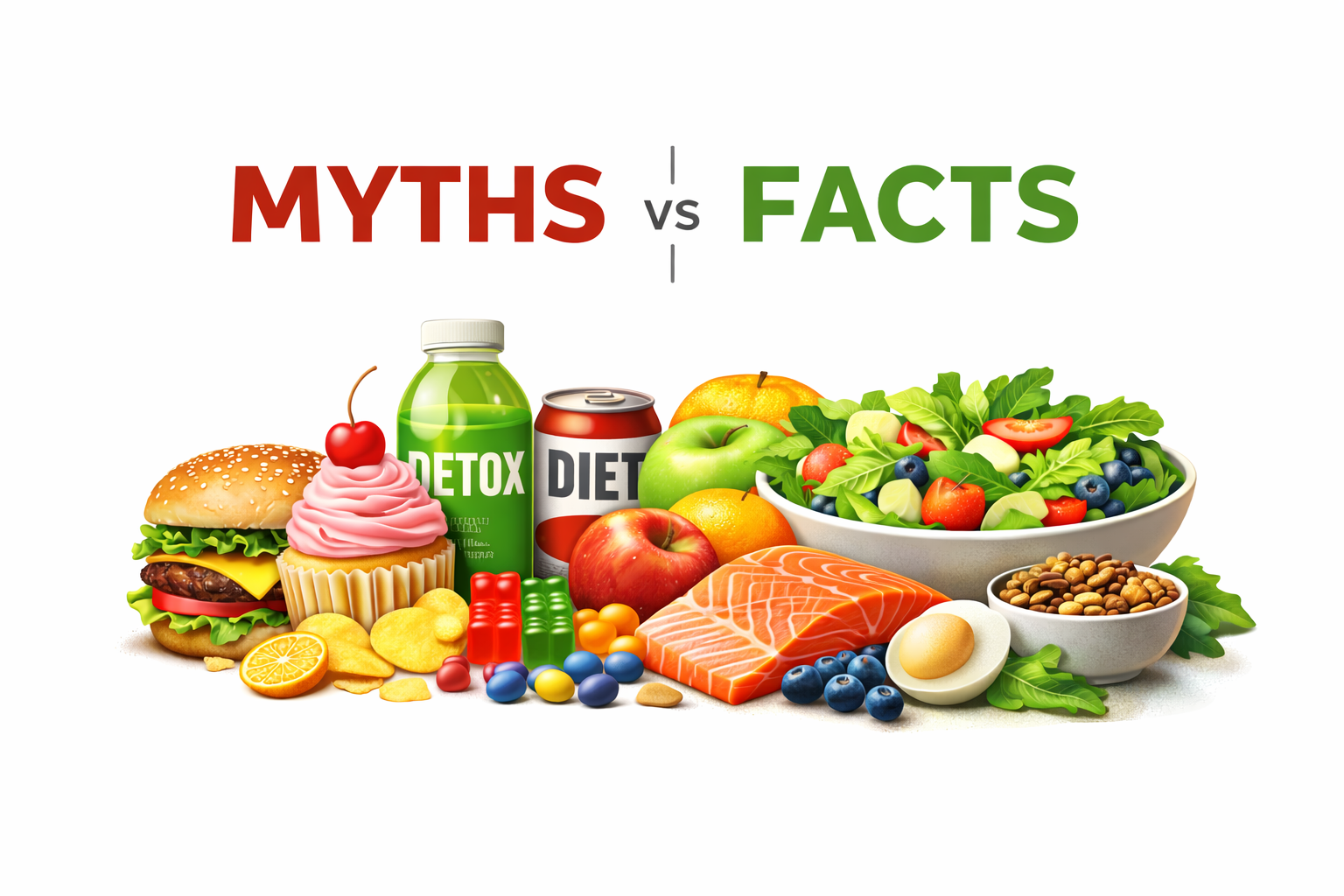
As much as art is making the food, so is its consumption; there is science behind food, and rightly, benefits and setbacks are part of food consumption in a certain way. It is necessary to understand the food we eat, yet with wellness trends flooding social media and diet advice changing every other week, it’s easy to feel confused about what’s actually healthy.
Many food myths vs facts trend online, and many of them sound convincing, but how many of them are actually true? Most of them don’t stand up to science. Let’s fact-check five common food and nutrition myths and uncover what truly supports long-term health.
5 Food and Nutrition Myths Debunked
Some common food myths say curd would give you a cold, even a banana, but I have seen my mom and Nani eat curd to cure their cold, and it does happen. Maybe it's their body's reaction to the food, but even eating curd does not cause cold I haven't anytime. So there are many such food myths vs facts. Let's look at the famous 5 food myths.
Carbohydrates Are Bad for You??
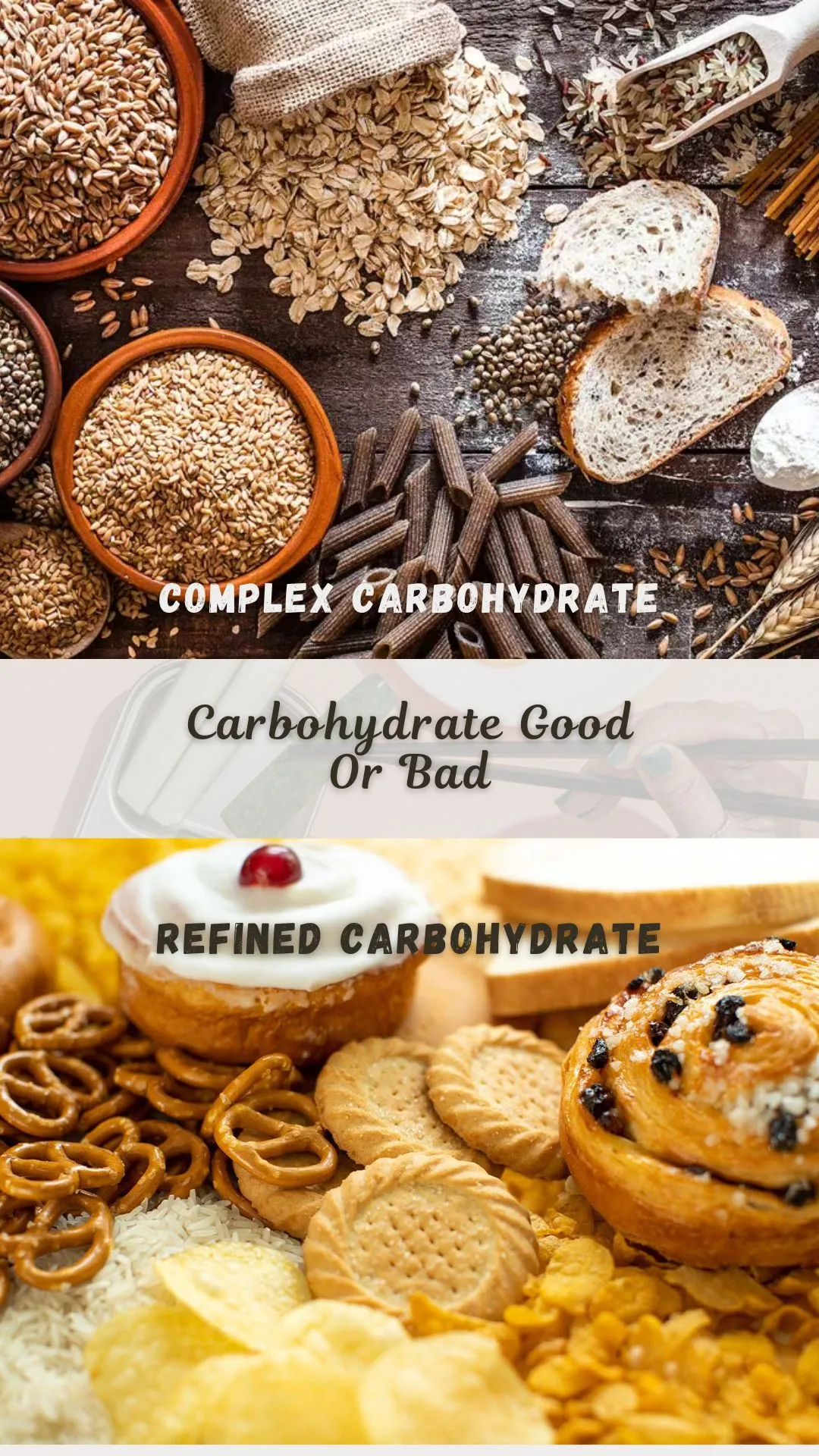
- The Myth: Consuming carbs causes weight gain, spikes blood sugar, and should be avoided for better health.
- The Fact: Carbohydrates are the body’s main source of energy, especially for the brain and muscles. The issue isn’t carbs, it’s refined and highly processed carbs like sugary snacks and white flour products. Healthy carbs such as whole grains, fruits, vegetables, and legumes provide: fibre for digestion, sustained energy, essential vitamins and minerals
- Hard Facts: Cutting out carbs completely can lead to fatigue, nutrient deficiencies, and poor gut health, and stopping carb consumption does not aid in healthy weight loss.
Fat Makes You Fat??
- The Myth: Eating fat leads directly to heavy weight gain and heart disease. It makes one fat.
- The Fact: ‘If you know, you know’ drinking fat is a ritual for healthy weight management. Provided they are healthy, fats are essential for brain health, hormone balance, and nutrient absorption. Unsaturated fats found in nuts, seeds, olive oil, avocados, and fatty fish are beneficial when eaten in moderation. The real concern lies with excess trans fats and ultra-processed foods that contain unhealthy fats.
- Hard Facts: Healthy fats increase satiety and can actually support weight management, yet I would suggest that you get a suggestion from your doctor or nutritionist on the proportions and healthy fats recommended for you, as each body type is different.
Skipping Meals Helps You Lose Weight??

- The Myth: Eating less often, or skipping meals, boosts fat loss and controls calories.
- The Fact: This is the greatest myth: not eating food for a long time or fasting can cause weight loss, well some cases it might work for detox, but in certain cases only. However, it is not often advisable, as complete meals are necessary for the human body. Skipping meals can backfire by slowing metabolism, increasing cravings, and leading to overeating later. It can also affect blood sugar levels, energy, and concentration. A Consistent, balanced meal helps one to regulate hunger hormones, maintain stable energy, and prevent binge eating
- Hard Facts: Sustainable weight management comes from balanced meals, not starvation tactics. And when people talk of fasting or intermittent fasting, they have a technique that should be practised after proper consultation with a nutritionist, if you ever decide. But skipping meals is not advisable as it reduces your body's nutrient intake, leading to weakness, hair loss, and low heamoglobin kind of problems.
Eating Late at Night Causes Weight Gain??
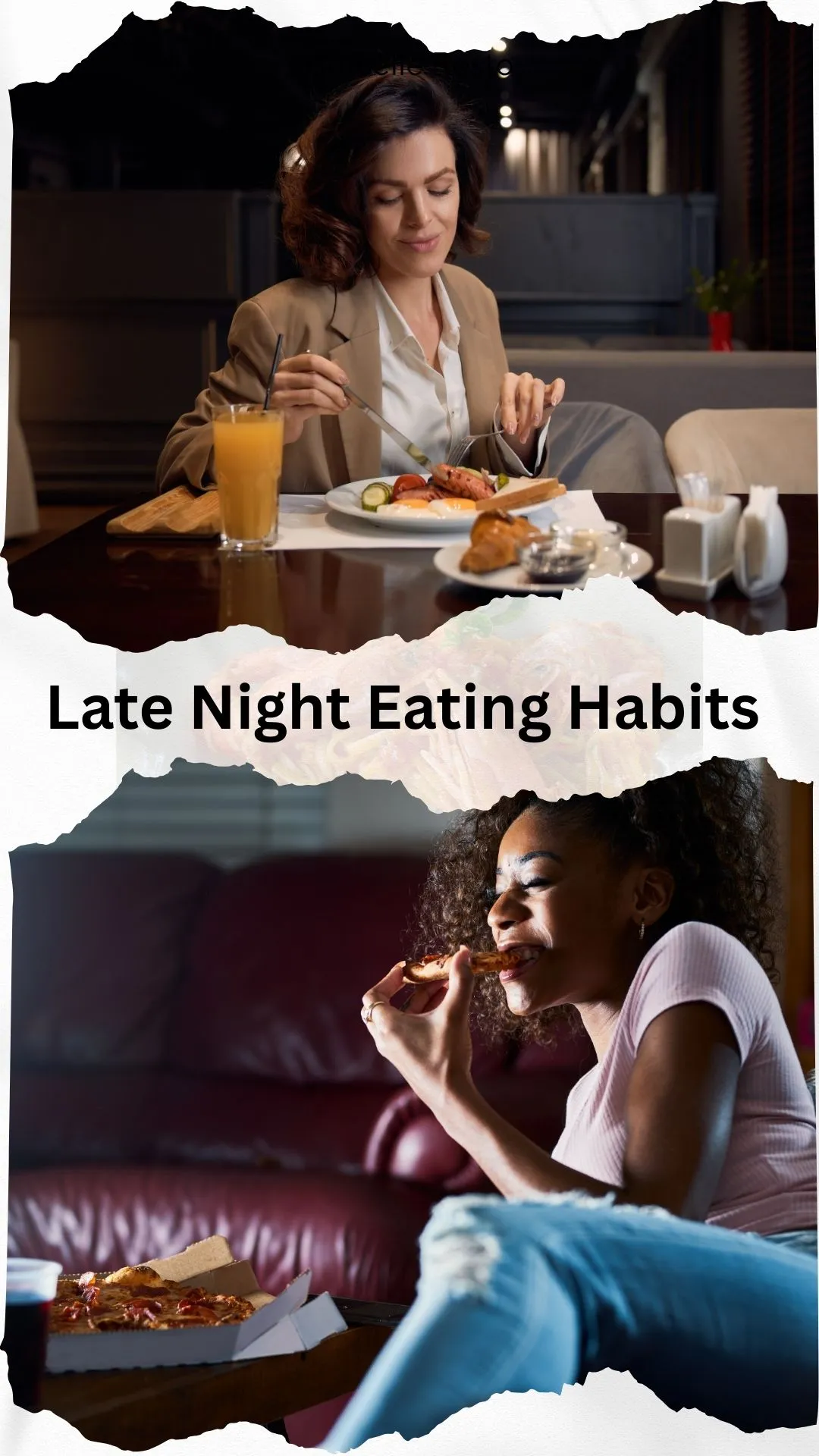
- The Myth: Food eaten at night automatically turns into fat. It is always advisable not to eat after 8 o'clock, as digestion slows and food doesn't fully digest
- The Fact: This food myth is true to one point. Let me explain, yes, according to ayurveda eating late after sunset causes us to have slow digestion, causing weight problems. But one needs to know that weight gain depends on overall calorie intake and food quality, not the time on the clock. Late-night eating becomes problematic when it involves high-calorie, low-nutrient snacks eaten mindlessly. People with shift work or irregular schedules may need to eat later, and that’s perfectly okay; you just need to plan the meal accordingly. But ensure that if you are eating close to your sleeping time, keep your meals light and easy to digest.
- Hard Facts: What you eat and how much you eat matter far more than when you eat. If you are eating healthy food like Greek yogurt with berries, a handful of nuts, roasted chana, boiled eggs, air-popped popcorn, or vegetable sticks with hummus. These choices satisfy cravings, support digestion, and help prevent unnecessary weight gain when eaten in moderation.
“Healthy” Labels Mean Healthy Food??

- The Myth: Foods labelled “organic,” “low-fat,” “gluten-free,” or “natural” are automatically nutritious. This is the greatest food myth.
- The Fact: Many so-called health foods are still high in sugar, salt, or refined ingredients. For example:
- Low-fat foods often contain added sugar
- Gluten-free snacks can be highly processed
- Organic doesn’t always mean low-calorie
- It is not necessary that what the cover says is always true; they can have some substitute that is used to balance, which can be harmful. Another factor is the preservatives used for long-lasting shelf life, which can be problematic, causing digestive issues. If you notice snacking on long-shelf life food causes digestive and gastric issues, off-course with a fast-moving lifestyle, it is unavoidable at a point, but ensure you maintain moderation and exercise regularly to maintain health
- Hard Fact: Always check the ingredient list and nutrition label; marketing claims can be misleading. Check for preservative details and avoid high contain preservative foods
Origin of Food Myths: Why They Keep Spreading
Social media trends and influencers:
Social media made widespread access easy, and it has opened a doorway to opinions without a filter. People need to understand that what can work for one is not necessarily true for others; each person's physique is different. Some food myths circulate due to such misconceptions, and once they become famous, truth or not becomes the least of the factors.
Quick-fix diet culture:
There is nothing quick; everything takes effort and takes time, so the quick fixes are a myth. One cannot stay on their belief, as it can cause a nutritional imbalance
Fear-based food messaging:
Social media often uses fear-based food messaging that uses alarmist language to label certain foods as “bad,” “toxic,” or “forbidden,” creating guilt and anxiety around eating. Over time, this approach can harm mental well-being, distort healthy eating habits, and increase confusion rather than supporting informed, sustainable food choices.
Lack of nutrition education:
Lack of nutrition education leaves people vulnerable to misinformation, fad diets, and misleading marketing. Without a basic understanding of nutrients, portion sizes, and food labels, individuals struggle to make informed choices, often leading to poor dietary habits, falling for food myths and forming long-term health issues.
People Are Curious About:
1. What are the most basic 5 facts about food?
Ans) Food provides energy, supports growth and repair, supplies essential nutrients, affects mental and physical health, and must be balanced in quality and quantity. No single food contains all nutrients; variety is key: moderation, freshness, and proper cooking play major roles in overall nutrition and well-being.
2. What are some beliefs about food?
Ans) Common beliefs include that carbs cause weight gain, fats are unhealthy, organic food is always better, skipping meals aids dieting, and supplements can replace real food. Many of these beliefs are influenced by culture, trends, and marketing rather than scientific evidence or individual nutritional needs.
3. What are the facts of healthy eating?
Ans) Healthy eating focuses on balance, variety, and moderation. It includes whole foods like fruits, vegetables, grains, proteins, and healthy fats while limiting processed foods and excess sugar. Portion control, hydration, and mindful eating are equally important for maintaining long-term health and energy.
4. What is the famous myth of dieting?
Ans) A famous dieting myth is that extreme calorie restriction leads to lasting weight loss. In reality, crash diets slow metabolism, increase cravings, and often cause weight regain. Sustainable results come from consistent, balanced eating habits rather than short-term, restrictive diet plans.

The Bottom Line: Focus on Balance, Not Extremes
Body nutritional value is highly individual, and extreme rules rarely work long-term. Good nutrition isn’t about restriction or perfection; it’s about variety, moderation, and consistency. Choose whole foods, listen to your body, and rely on evidence-based guidance instead of trends. When it comes to health, facts will always outperform fads.
Written By P. Manika (Performist Content Writer)
