The Soul of Korean Cuisine: The Story Behind the Living Legacy of Kimchi
January 22, 2026
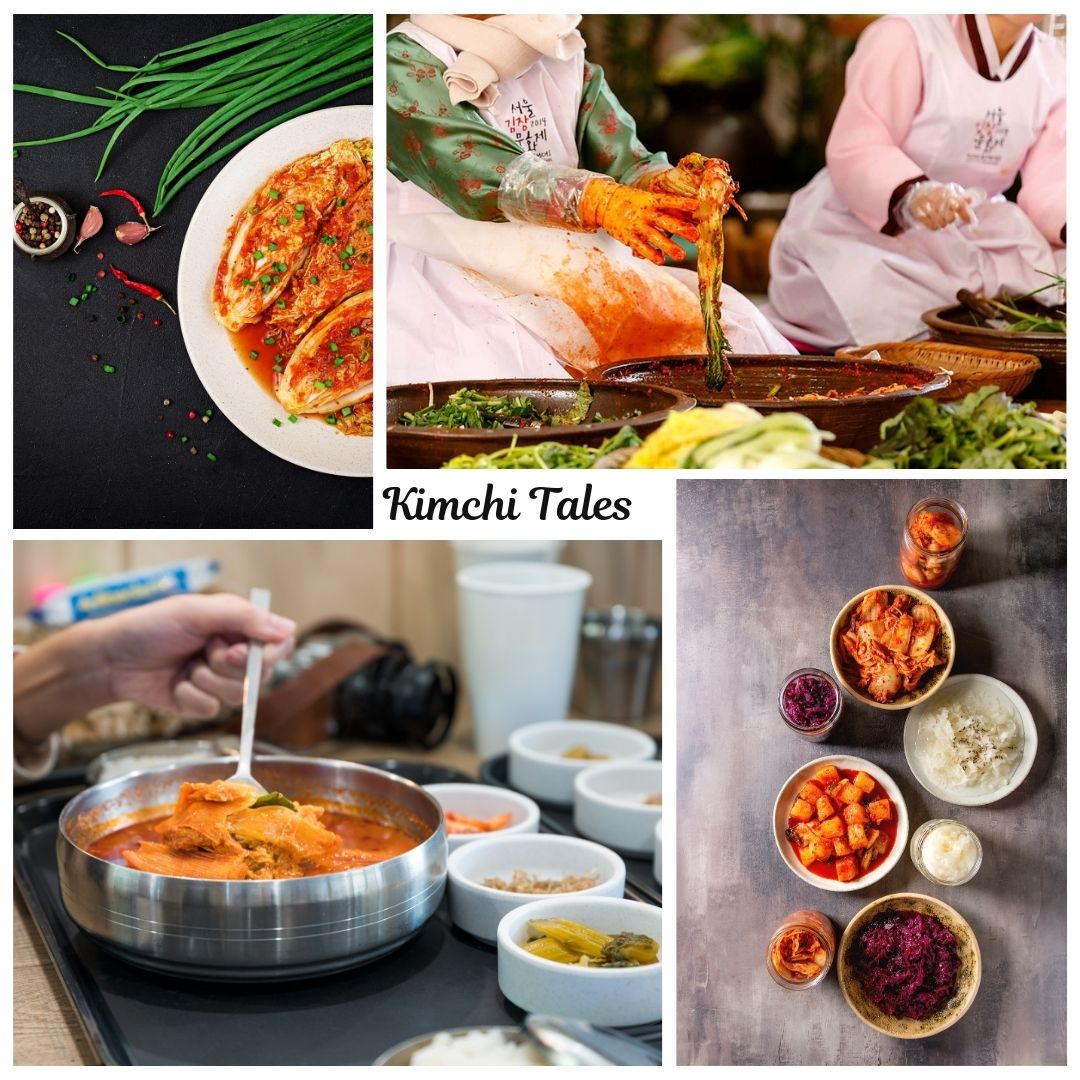
Exploring global cuisine has taught me that few dishes tell a rich, resilient, and communal story. Nestled in the ancient practices crafted with intentions and food science, these recipes just enhance the experience of eating and bonding with your family, friends, and community. One such Korean Cuisine recipe is kimchi; more than a side dish, it is the heart of Korean cuisine, an everyday staple, a cultural symbol, and a living tradition passed down through generations.
Ever since I was introduced to K-drama, Korean cuisine kimchi have been a frequent exposure to me, and even the making process of the dish has become familiar. My curiosity for food led me to first buy and then start making it.
After tasting and exploring a little, I found that its bold flavors of spice, tang, and umami carry centuries of history, survival, and togetherness in every bite.
The Making of Korean Icon: Kimchi’s Timeless Origin Story
While Kimchi dates back over 2,000 years, originating as a practical solution to a harsh reality: long Korean winters with limited access to fresh vegetables. It got a whole new twist and flavour in the 16th century when global trade routes were expanded.
Early forms of kimchi were simple, vegetables preserved with salt to extend their shelf life. The kimchi we recognize today began to take shape after chili peppers were introduced to Korea, along the global trade route. This addition transformed the kimchi recipe into the vibrant, spicy dish now known worldwide.
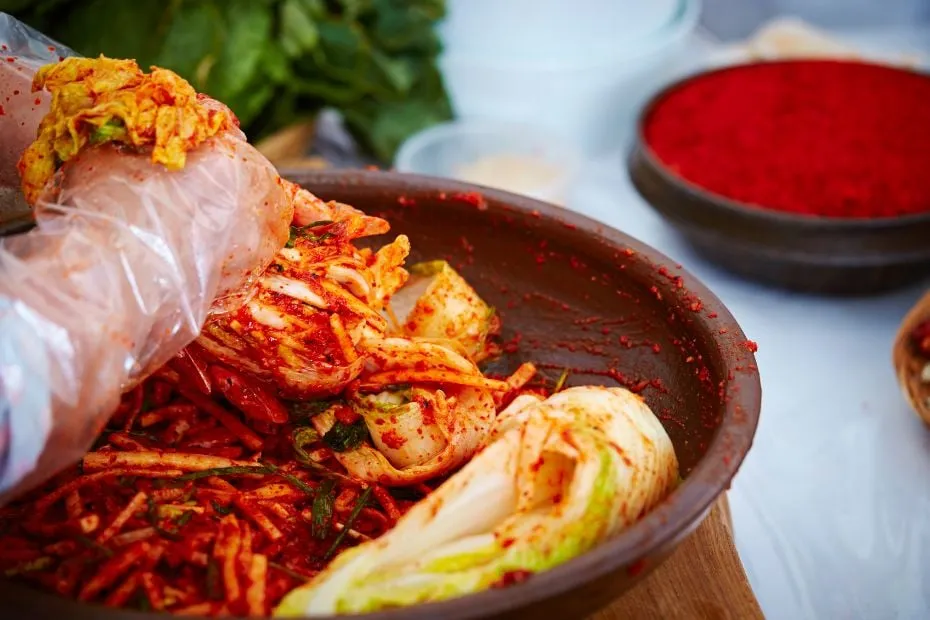
Over time, regional variations emerged, shaped by climate, available ingredients, and local tastes. Yet, kimchi history in Korea is an undeniable mindful practice and a perfect winter kitchen hack to preserve vegetables with added taste.
People Are Curious About:
1. What is the story behind kimchi?
Ans) Kimchi’s story dates back over 2,000 years to ancient Korea, when vegetables were preserved to survive harsh winters. Early kimchi was simply salted vegetables stored in earthen jars. Over time, ingredients like garlic, ginger, and chili peppers were added, transforming it into a bold, fermented dish. Kimchi evolved alongside Korean history, becoming a symbol of resilience, culture, and communal cooking traditions.
2. What is the traditional Kimchi dish called?
Ans) The most traditional and widely recognized kimchi is Baechu Kimchi, made from napa cabbage. It’s considered the foundation of Korean kimchi culture and is served with nearly every meal. Prepared with salted cabbage, gochugaru (Korean red chili flakes), garlic, ginger, and fermented seafood, Baechu Kimchi represents authenticity, heritage, and everyday Korean home cooking.
3. How long does kimchi take to ferment?
Ans) Kimchi fermentation time depends on temperature and personal taste. At room temperature, kimchi can start fermenting within 1–2 days. When refrigerated, it ferments slowly and develops deeper flavors over 1–3 weeks. Some prefer fresh kimchi, while others enjoy aged versions that can ferment for months, becoming tangier and more complex.
From Jar To Table: Korean Cuisine Kimchi Recipe
At its core, Kimchi is simply fermented vegetables. Napa cabbage is the most common base, though radish, cucumber, scallions, and mustard greens are also used. Let's dive into the making and understand the Kimchi recipe.
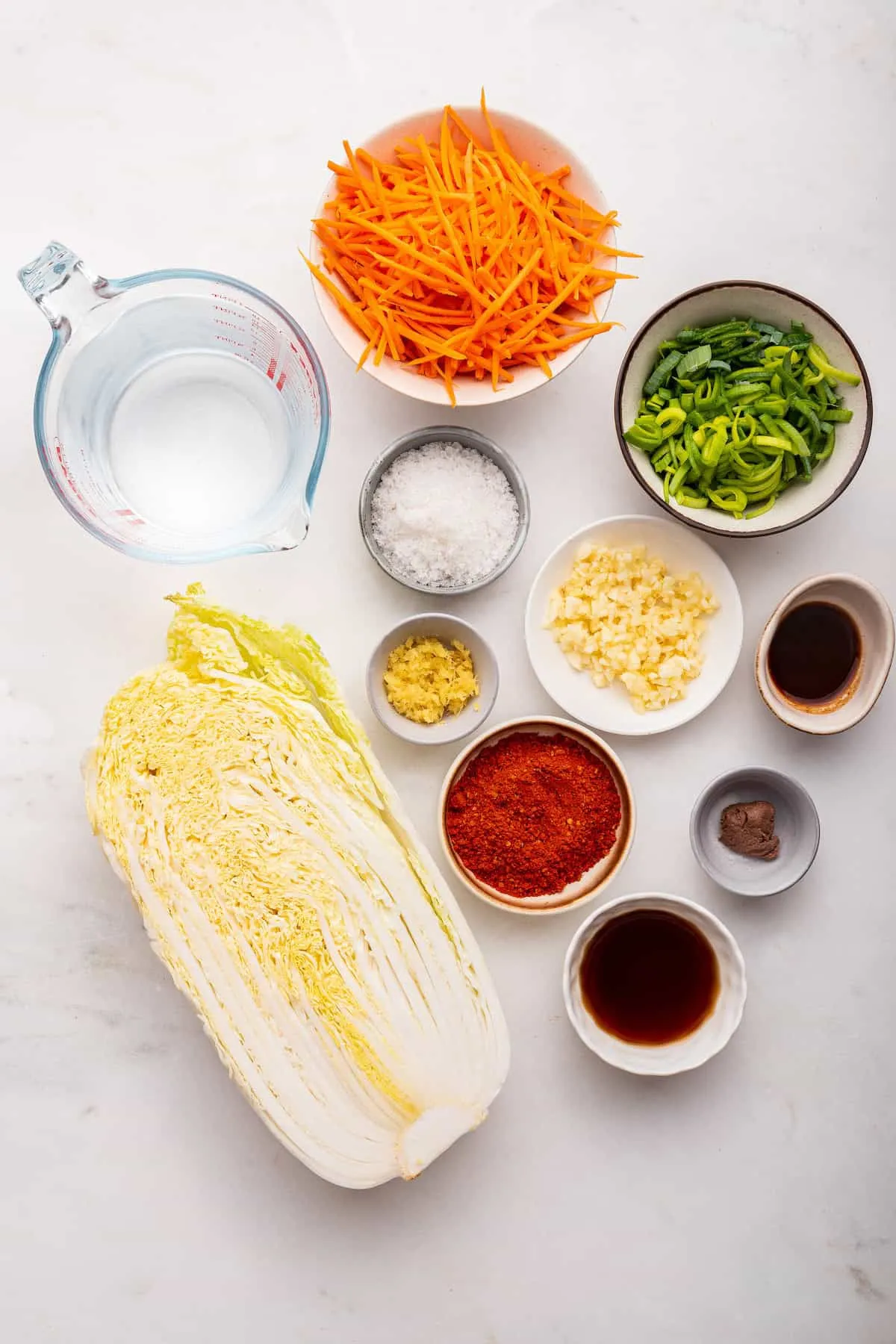
Ingredients:
- 1 large Napa cabbage
- ¼ cup sea salt
- 1 tablespoon sugar
- 1 cup Korean chili flakes (gochugaru)
- 5 cloves garlic, minced
- 1 tablespoon grated ginger
- 3 tablespoons fish sauce ( soy sauce for vegetarian version)
- 2 tablespoons salted shrimp paste (saeujeot) - optional
- 4 spring onions, chopped
- 1 small daikon radish, julienned
- Water (as needed)
Method:
- Salt the Cabbage: Cut cabbage into quarters, sprinkle salt between leaves, and soak for 2–3 hours, turning occasionally. Rinse thoroughly and drain.
- Prepare the Paste: Mix gochugaru, garlic, ginger, sugar, fish sauce, and shrimp paste to form a thick seasoning paste.
- Combine: Add radish and spring onions to the paste. Massage the mixture into the cabbage thoroughly. Remember to cover each leaf of the cabbage with the paste thoroughly with your hand. Do wear a glove; the spicy paste might burn your skin, so never mix it bare-handed.
- Ferment: Pack tightly into a clean jar, pressing down to remove air after every chunk is added. Leave at room temperature for 1–2 days, then refrigerate.
Kimchi continues to ferment slowly in the fridge, deepening in flavor over time. This fermentation not only preserves the vegetables but also enhances flavor and nutrition.
Science Behind the Kimchi Recipe and How It Is Used in Cooking
The traditional process includes fish sauce or shrimp paste, making it non-vegetarian, but with elaborate dietary changes, the vegan and kimchi vegetarian versions are available. Yet in the process, there is a science that aids the intention of the kimchi making. For instance,
- Salting vegetables to remove moisture
- Seasoning with aromatics like garlic, ginger, and chili flakes (gochugaru)
- Adding fermented elements such as fish sauce or shrimp paste
- Allowing natural fermentation to develop depth and complexity
- As kimchi ages, it becomes more sour, perfect for cooking and adding bold depth to dishes.
With this flavourful dish, Kimchi is becoming a global favourite not only because of its blend of taste but also due to its versatility, which is another reason, and it can be enjoyed along with the following,
- As a side dish with rice and soups (kimchi ramen bowl)
- In kimchi fried rice, pancakes (kimchijeon), and stews (kimchi jjigae)
- Mixed into noodles, the famous kimchi noodles you see in K-dramas
- Added as a topping to sandwiches, tacos, or grilled cheese
- Used as a flavour for boiled eggs, a drizzle
- Used as add-ons along with greens on burgers or grain bowls
People Are Curious About:
1. What exactly is Kimchi made of?
Ans) Kimchi is primarily made from napa cabbage or radish, salt, garlic, ginger, and Korean red chili flakes (gochugaru). Many traditional recipes also include fermented seafood like fish sauce or shrimp paste to add umami depth. The vegetables are seasoned, mixed with spices, and fermented, creating kimchi’s signature tangy, spicy, and savory flavor profile.
2. Can I eat Kimchi every day?
Ans) Yes, kimchi can be eaten daily as part of a balanced diet. It’s rich in probiotics, fiber, and vitamins that support digestion and gut health. However, kimchi can be high in sodium, so moderation is key. Pairing it with fresh foods and plenty of water helps maintain a healthy daily intake without overdoing salt levels.
3. Does the kimchi dish burn belly fat?
Ans) Kimchi doesn’t directly burn belly fat, but it can support weight management. Its probiotics aid digestion, while its low-calorie and high fiber content help you feel full longer. The chili content may slightly boost metabolism. Combined with a healthy diet and regular exercise, kimchi can contribute to overall fat loss.
Tradition, Community, and Connection: Kimchi as Korea’s Culinary Soul
Kimchi food is deeply woven into Korean identity. In 2013, UNESCO recognized Kimjang, the traditional practice of making kimchi collectively, as an Intangible Cultural Heritage of Humanity. The act of Kimjang typically takes place in late autumn, when families, neighbors, and communities gather to prepare large batches of kimchi for winter.
It’s a time of cooperation, storytelling, teaching, and sharing, where recipes are exchanged, and bonds are strengthened. Kimchi making isn’t just a food recipe; it’s a ritual of care and continuity. Even today, many Koreans associate kimchi making with home, comfort, and belonging. Whether prepared by a grandmother or bought from a local market, kimchi carries emotional significance far beyond the plate.
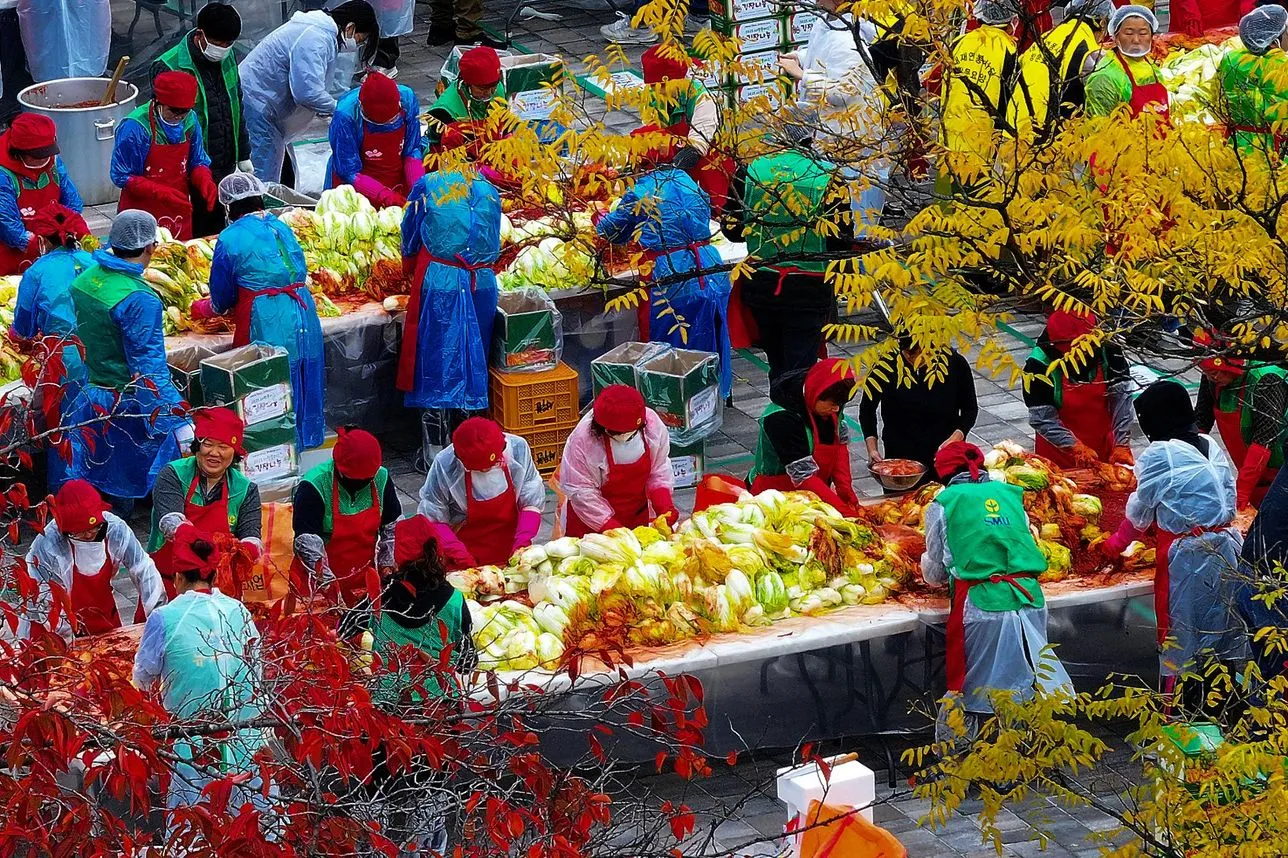
Kimchi represents generosity. Sharing homemade kimchi with neighbors, relatives, and friends is a long-standing tradition. The act of making kimchi at home together fosters unity and reinforces social ties.
Closing to Culinary Creation With Heartbeat
Kimchi is not static; it evolves with time, temperature, and care, much like culture itself. It reflects Korea’s history of resilience, respect for nature, and belief in community.
Behind every jar of kimchi is a story of hands that prepared it, people who shared it, and traditions that continue to thrive. Spicy, soulful, and alive, kimchi is more than a dish. It’s a legacy.
Written By P. Manika (Performist Content Writer)
