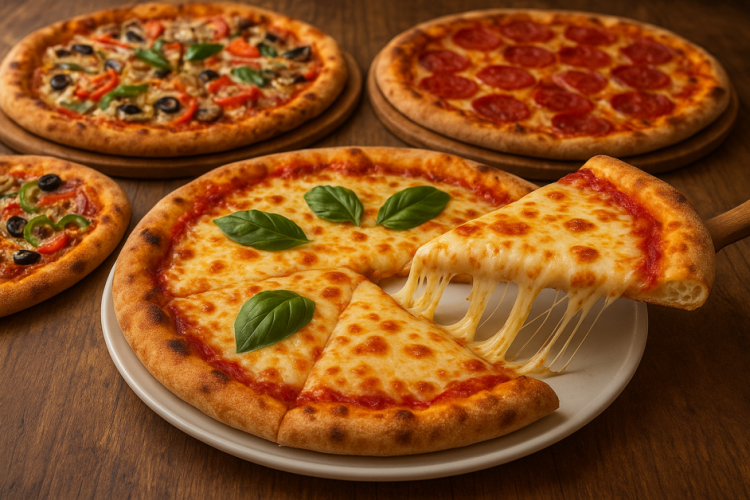
The Soul of Italy in Every Slice: The Story of Neapolitan Margherita
February 24, 2026

The Italian dish that has crossed boundaries, cultures and kitchens, Pizza has become a global favourite with variations, and you would find it from street corners to fine dining restaurants. It has earned its place as one of the world’s most loved comfort foods. With cheesy goodness and flexible ingredients, this foreign food has adapted to many tastebuds becoming just another resident.
Yet, you would see many just ordering or going to a pizza place nearby to have a delight, as many people believe that pizza making from scratch is complicated and time-consuming. When in reality, it's quite therapeutic, the process of kneading dough, shaping the base, and watching it rise can be a slow, mindful ritual that connects you to tradition, craft, and creativity. Baking is always indulging, something is calming about working with dough, letting time and patience transform simple ingredients into something extraordinary.
So imagine making a pizza with your own time, authentic flavour and your favourite add-ons, what more can you ask for? It is not just cooking; it is an experience rooted in culture and emotion.
The Origin Story: How and Why Pizza Was Developed
While we all eat pizza, not many know how and why it was made or invented, so let's know that first. The origin of Pizza is noted in the humble streets of Naples, where working-class communities needed affordable, filling, and flavourful food. Flatbreads topped with simple and flavourful ingredients like tomatoes, olive oil, and herbs became a staple because they were quick, economical, and satisfying.
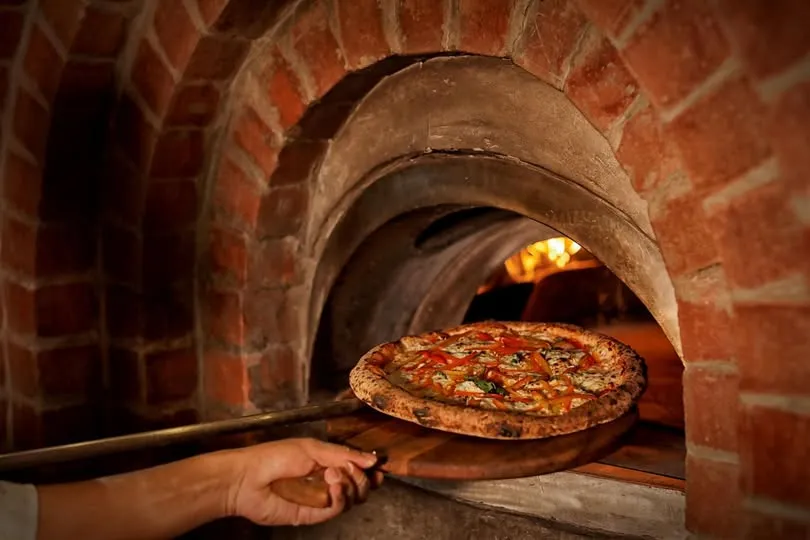
The turning point in pizza’s history came in 1889, with the invention of Margherita Pizza, named after Queen Margherita of Savoy, which was created by Raffaele Esposito to honour the queen. The pizza featured tomatoes, mozzarella, and basil, colours representing the Italian flag. This iconic creation symbolises simplicity, patriotism, and culinary artistry.
Over time, pizza spread from Italy to the rest of the world, evolving into countless variations while still preserving its traditional roots.
What is Neapolitan Pizza?
While eating pizza, we just know a bread with toppings, but there are various types of pizza variations like Sicilian pizza, Chicago deep dish pizza, Roman pizza, Sourdough pizza, Detroit style pizza, etc. So, what is so different in Neapolitan pizza? The authenticity of Neapolitan pizza lies in its ingredients, technique, and tradition. It is the original and most authentic form of pizza, characterised by a soft, thin centre, puffy, airy crust, minimal yet high-quality toppings, and quick baking at very high heat.
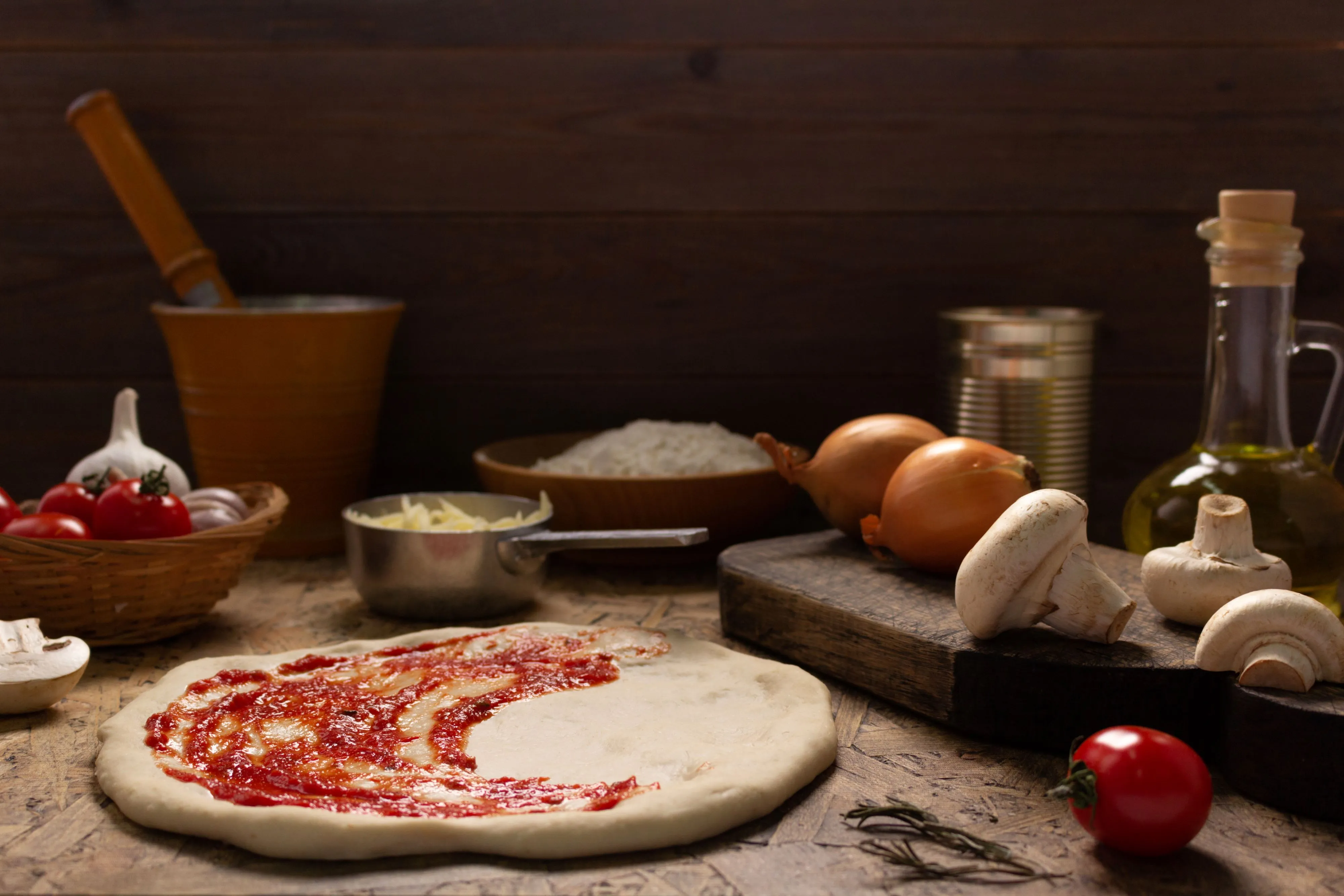
According to the standards preserved, true Neapolitan pizza uses: Tipo “00” flour, Fresh yeast, San Marzano tomatoes, Fresh mozzarella, Hand-stretched dough (never rolled), and wood-fired oven baking. Neapolitan pizza’s beauty lies in simplicity, fewer ingredients, but exceptional quality and balance.
People Are Curious About
1. What is a pizza stone?
Ans) A pizza stone is a flat, thick slab made of ceramic, cordierite, or stone used in ovens to bake pizza. It absorbs and retains high heat, distributing it evenly to cook the base quickly. This helps create a crispy crust similar to traditional brick-oven pizza while preventing soggy bottoms.
2. How to reheat pizza?
Ans) Reheat pizza in a skillet on medium heat for 2–3 minutes, then cover briefly to melt the cheese. Alternatively, use an oven at 180°C for 5–8 minutes for crisp results. Avoid microwaving if possible, as it softens the crust and makes it chewy instead of crisp and fresh.
3. How to make pizza dough at home?
Ans) Mix flour, yeast, salt, sugar, warm water, and olive oil to form a soft dough. Knead for 8–10 minutes until smooth, then let it rise until doubled. Punch down, divide, and rest before stretching. This resting step relaxes gluten and ensures a light, airy, and stretchy pizza base.
4. How to bake sourdough pizza bread?
Ans) Prepare sourdough pizza dough using active starter, flour, water, salt, and olive oil. Let it ferment slowly for better flavour. Stretch gently, add toppings, and bake on a preheated stone or tray at high temperature (230–250°C) for 10–15 minutes until the crust is crisp and golden.
Neapolitan Margherita Pizza at Home (Detailed Recipe)
Ingredients:
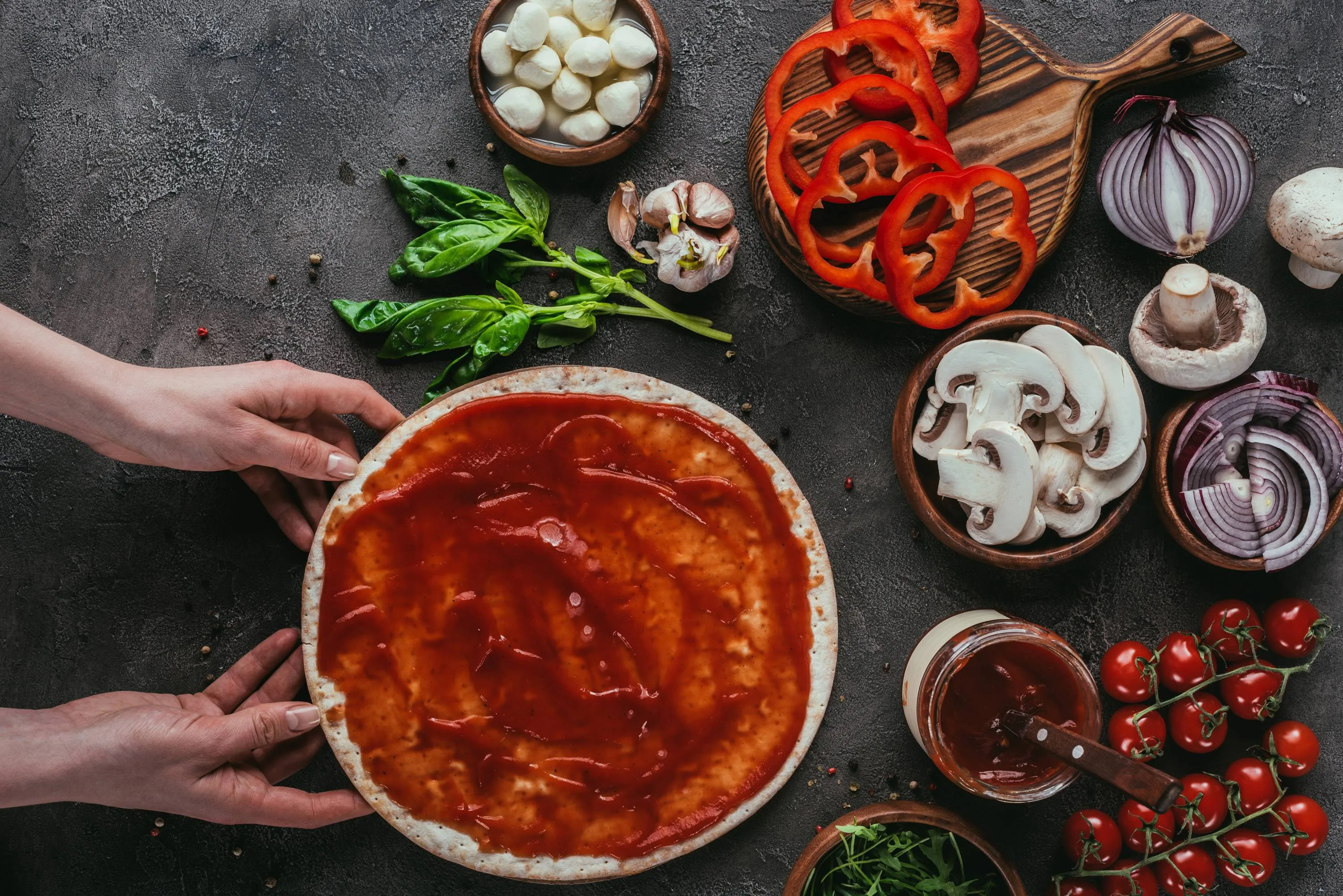
- For the Dough (Makes 2 Medium Pizzas)
- 500g Tipo “00” flour (or all-purpose flour)
- 325 ml lukewarm water
- 2g active dry yeast (or 5 g fresh yeast)
- 10g salt
- 1 tbsp olive oil (optional, for home baking ease)
- For the Toppings
- 200 g crushed San Marzano tomatoes (or good-quality tomato puree)
- 200 g fresh mozzarella (sliced and drained)
- Fresh basil leaves
- 2 tbsp extra virgin olive oil
- Salt to taste
Making the Dough (The Therapeutic Base)
- In a bowl, dissolve yeast in lukewarm water and let it sit for 5 minutes until slightly frothy. Let the yeast activate and rise.
- Gradually add flour into the water while mixing with your hands or a wooden spoon.
- Once combined, add salt and continue mixing until a sticky dough forms.
- Transfer the dough to a clean surface and knead for 10–12 minutes until smooth, elastic, and soft.
- Place the dough in a lightly greased bowl, cover with a cloth, and let it rise for 8–12 hours, or overnight at room temperature.
- After rising, divide into equal dough balls and let them rest for another 1–2 hours.
- Ensure you let it ferment properly, as this enhances flavour and makes the dough easier to digest, and gives it a deep flavour.
- If you want to upgrade to a sourdough pizza base, just add an active sourdough starter instead of yeast and let it ferment.
Preparing the Sauce
- To make an authentic and simple pizza sauce for Neapolitan pizza, use crushed tomatoes in their pure form for authenticity.
- Try to use a stone grinder for an authentic texture, add a pinch of salt and a drizzle of olive oil.
- Do not overcook. Neapolitan sauce is fresh, light, and uncooked.
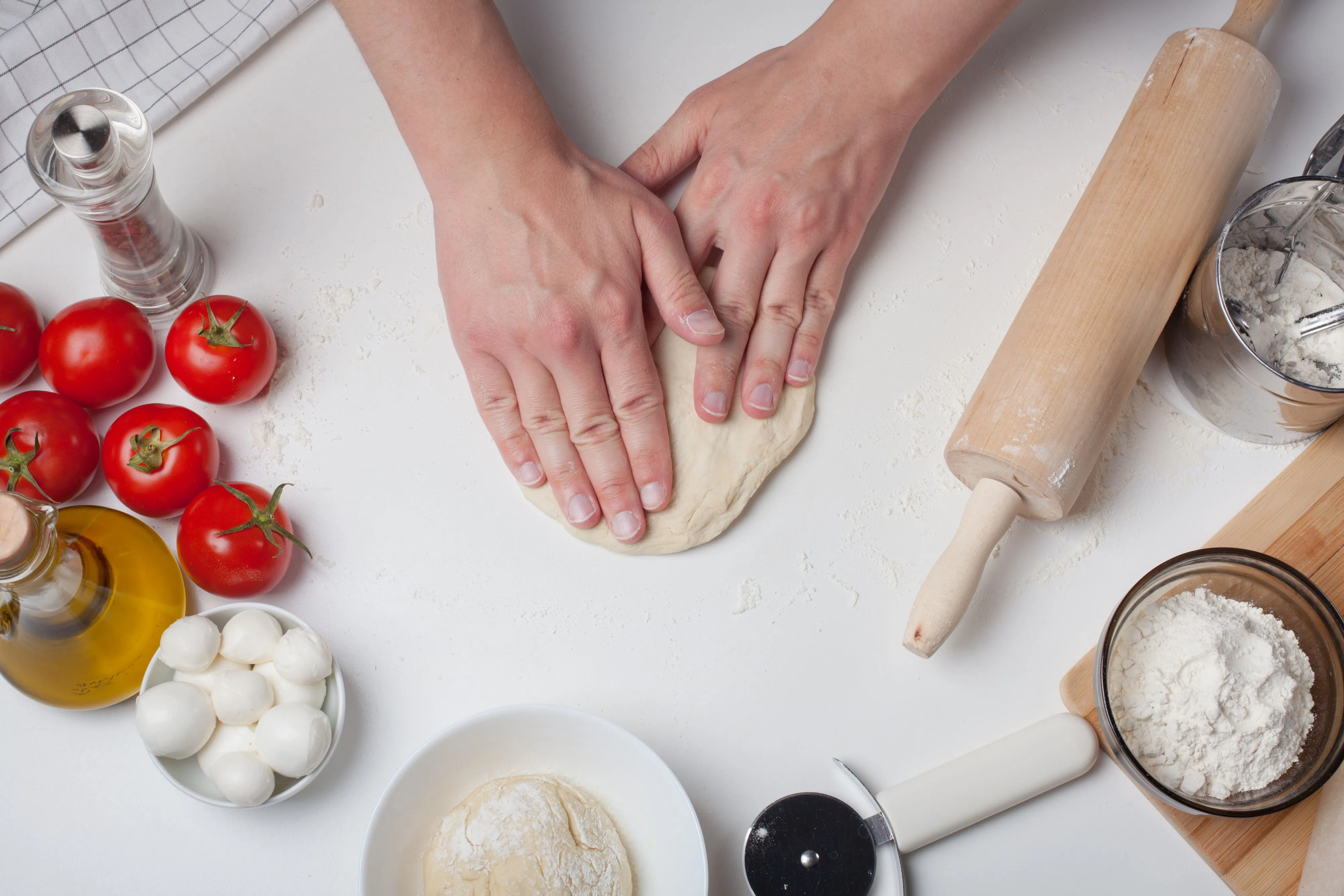
Shaping the Pizza Base
- While you start making the pizza base, preheat your oven to the highest temperature (250–280°C). Place a pizza stone or baking tray inside while preheating.
- Take one dough ball and gently stretch it using your fingers from the centre outward.
- Avoid using a rolling pin to preserve the airy crust structure.
- Shape into a 10–12 inch circle with slightly thicker edges.
Assembling the Margherita Pizza
- Once your base is created, assemble the whole thing, and spread a thin layer of tomato sauce over the base.
- Add fresh mozzarella slices evenly; you can buy or make them at home.
- Drizzle a little olive oil, and place a few fresh basil leaves on top.
Baking to Perfection
- After properly assembling, transfer the pizza onto the preheated stone or tray.
- Bake for 7–10 minutes until the crust is puffed and slightly charred.
- The cheese should melt beautifully while the base remains soft yet crisp underneath.
- For best results, bake on the top rack for intense heat exposure.
Upgrade Options (Modern Twists with Authentic Soul)
- To add the protein, you can use burrata or grilled chicken
- For a Gourmet touch, use buffalo mozzarella instead of regular mozzarella
- For healthy versions, use a whole wheat or sourdough base
- To get a flavour booster, add garlic-infused olive oil drizzle
- The global fusion always adds a twist, with roasted vegetables or pesto for a modern spin
People Are Curious About
1. What ingredients to put in a pizza?
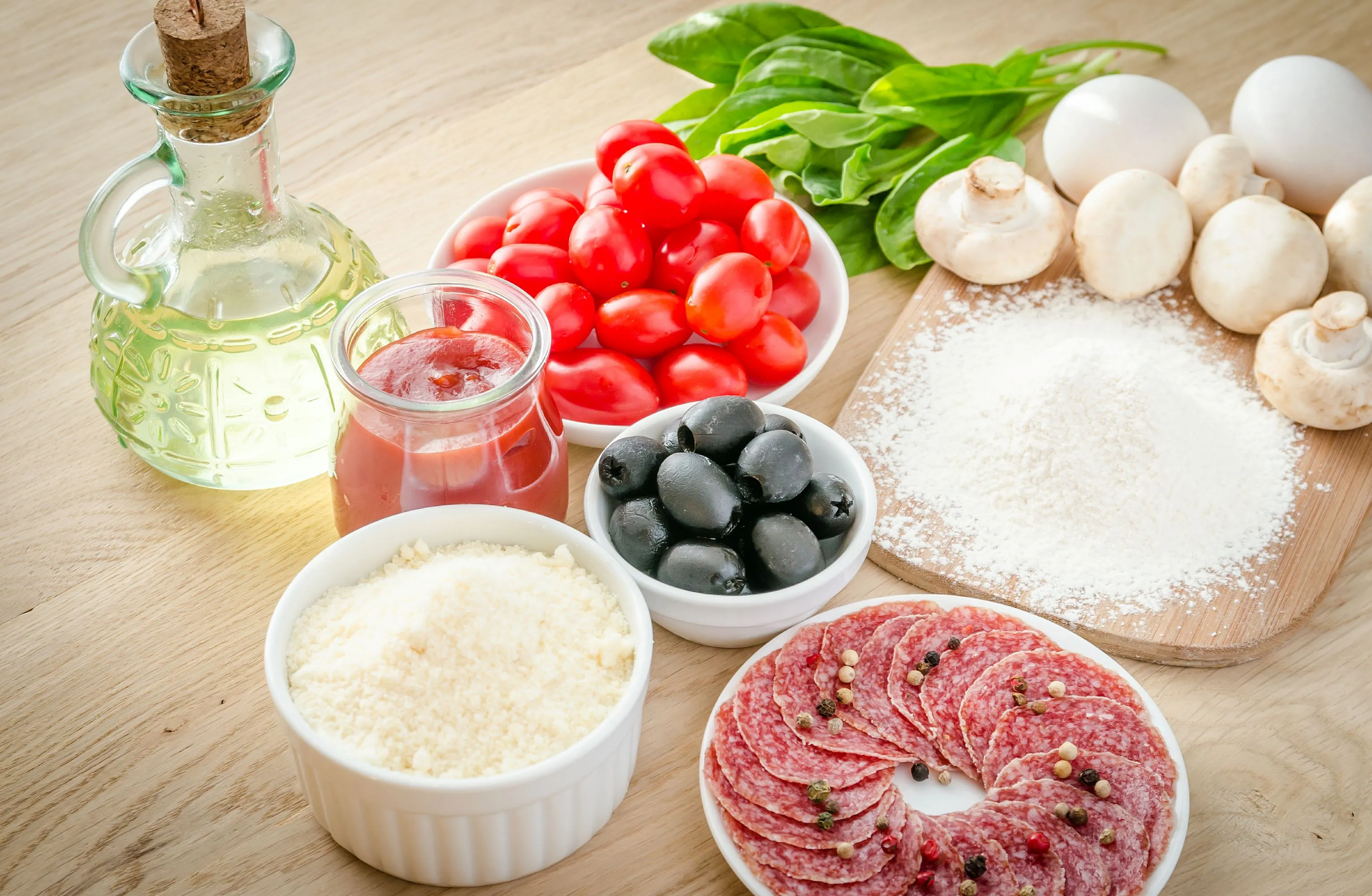
Ans) A classic pizza needs dough, tomato sauce, cheese (usually mozzarella), and toppings like vegetables, meats, or herbs. Add olive oil, garlic, and seasonings such as oregano or basil for flavour. You can customise with mushrooms, peppers, onions, olives, paneer, or chicken depending on taste and dietary preference.
2. What are the top 10 pizza toppings?
Ans) Popular pizza toppings include pepperoni, mushrooms, onions, bell peppers, olives, extra cheese, sausage, chicken, bacon, and basil. Vegetarian favourites also include corn, paneer, spinach, and tomatoes. These toppings balance flavour, texture, and aroma, making pizzas more satisfying and customizable across different cuisines and taste preferences worldwide.
3. What is the secret to crispy pizza crust?
Ans) Use high heat, a preheated pizza stone or steel, and a well-hydrated dough. Roll thin and avoid excess sauce. Baking at high temperatures quickly evaporates moisture, creating crispiness. A light dusting of flour or semolina under the base also prevents sogginess and improves texture and crunch.
4. Why put olive oil on pizza before cooking?
Ans) Brushing olive oil on pizza enhances flavour, promotes even browning, and helps create a crisp crust. It also prevents the toppings and edges from drying out during baking. The oil forms a light protective layer that improves texture while adding a subtle richness and aromatic finish.
5. How to divide pizza dough?
Ans) After the first rise, gently punch down the dough and place it on a floured surface. Use a dough scraper or knife to divide into equal portions by weight. Shape each piece into a smooth ball, cover, and let them rest so the gluten relaxes for easier stretching.
6. Should I oil or dough my pizza pan?
Ans) Lightly oiling the pizza pan is better than dusting with flour alone. Oil prevents sticking and helps create a golden, slightly crispy base. You can also sprinkle a little cornmeal or semolina for extra texture. Avoid excessive oil, as too much can make the crust greasy instead of crisp.
A Proper Ending: Tradition Meets Mindful Cooking
Making Neapolitan Margherita pizza at home is more than recreating a recipe; it is embracing a centuries-old culinary tradition that celebrates simplicity, patience, and craftsmanship. From kneading the dough to watching it rise, the process becomes almost meditative, reminding us that good food takes time and care.
Though making a pizza requires time and indulgence, this mindful baking is healthy for both mind and body. In a fast-paced world, returning to traditional Italian cooking offers a grounding experience. The authenticity of Neapolitan pizza lies not in perfection, but in its soul, fresh ingredients, gentle hands, and heartfelt preparation.
When you make pizza from scratch, you are not just baking a dish; you are participating in a global food story that began in Naples and continues to bring people together, one slice at a time.
By P. Manika (Performist Content Writer)