The Global Platter: More Than Just a Charcuterie Board
November 25, 2025
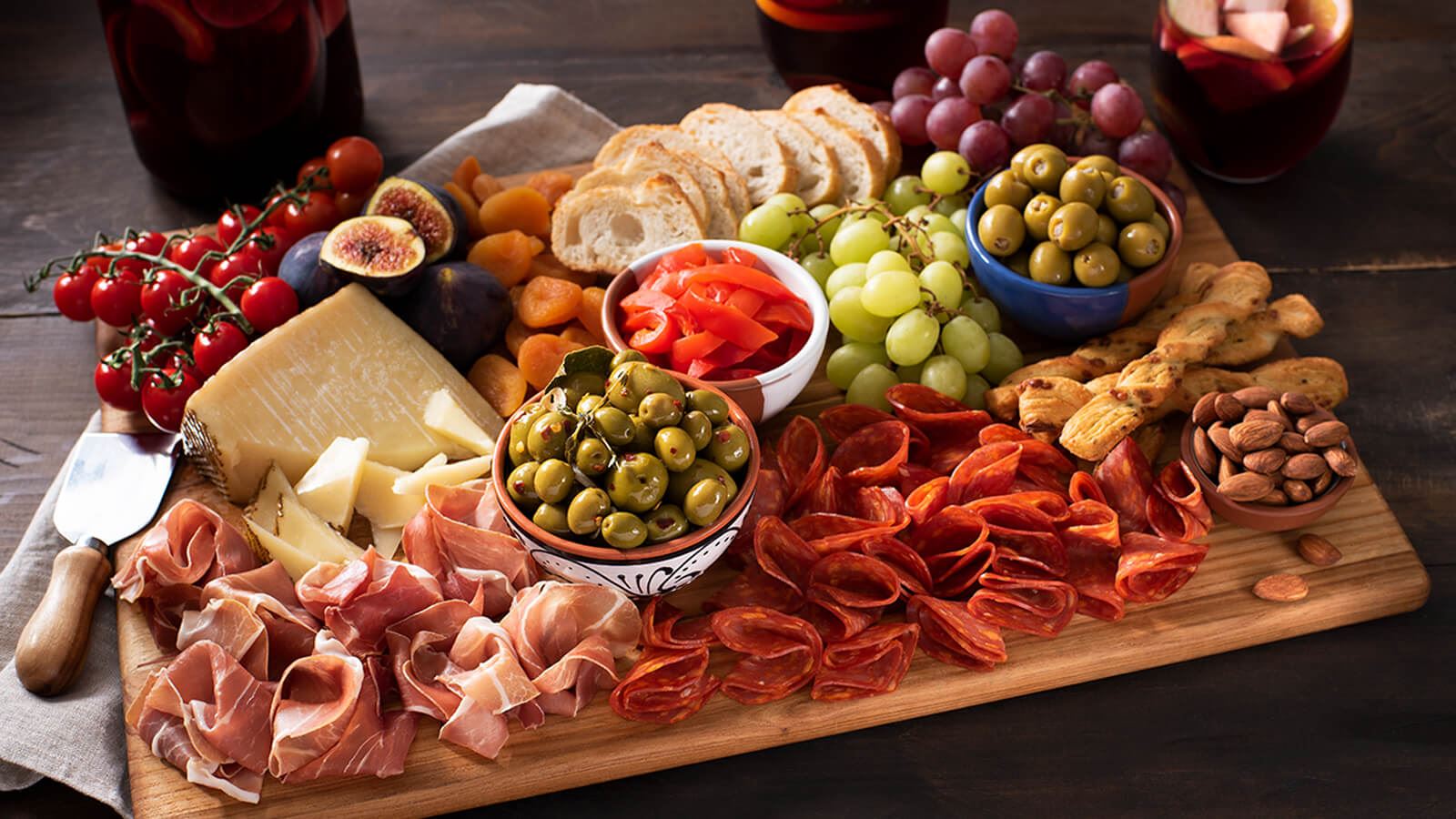
The modern charcuterie board (traditionally focused on prepared meats) has evolved from a simple appetizer into a powerful global trend. It perfectly embodies the Recipes Living philosophy: food as a centerpiece for gathering and storytelling.
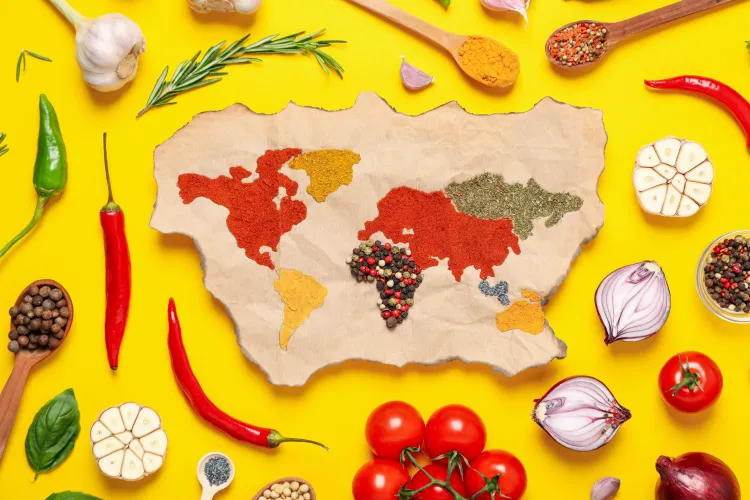
While the classic French charcuterie features cured meats like pâté, terrines, and rillettes, its essence—a communal platter of curated bites—has been adopted and transformed across continents. In the US and parts of Europe, it's often a grazing board featuring cheeses, fruits, nuts, and jams, designed for effortless entertaining.
Across the world, this concept takes on unique, region-specific forms:
1. Spain's Tabla de Embutidos y Quesos: Focuses on regional specialties like thinly sliced Ibérico ham (jamón ibérico), chorizo, and aged cheeses like Manchego. It's typically served with bread and olives as a prelude to a larger meal or as a part of tapas culture.
2. Italy's Tagliere: A platter built around Italian deli staples (salumi) such as prosciutto, capicola, and salami, paired with local cheeses and often rustic bread. This is the heart of the Italian aperitivo hour.
3. Greece's Meze Platter: The concept broadens to encompass a spread of small, shared dishes that include dips (tzatziki or hummus), stuffed vine leaves (dolmades), feta cheese, fresh tomatoes, and pita bread. The emphasis is on light, fresh, and savory bites that encourage lingering conversation.
4. South Africa's Braai Side Board: While the braai (barbecue) is the main event, the side board often features a variety of cured meats and traditional biltong (cured, dried meat), demonstrating a shared national love for preserved protein and communal snacking.
The enduring success of the grazing board lies in its simplicity, beauty, and function as a social bridge, allowing guests to graze, share, and discover new flavor pairings together—no matter what language the components speak.
Four Platter Ideas: Regional Step-by-Step Guides
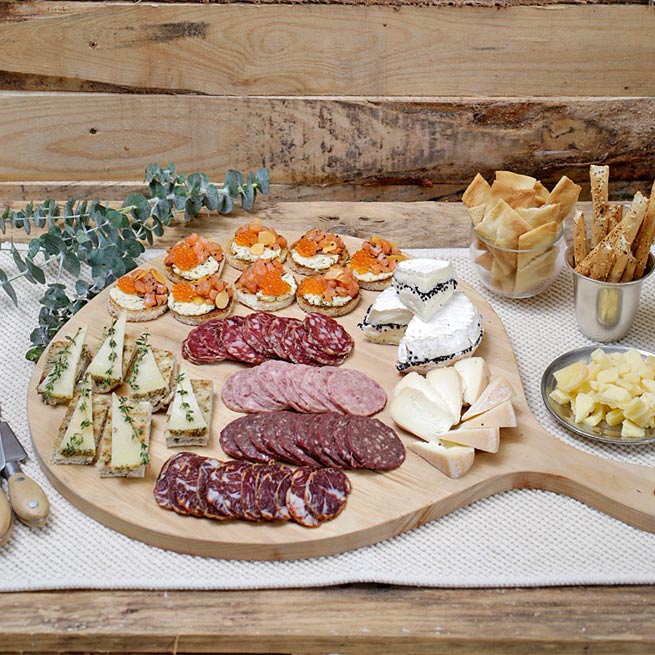
1. Spain: The Tabla de Embutidos y Quesos
Concept:
A savory, rustic, and cured platter designed for pre-dinner socializing (Tapas), emphasizing high-quality Spanish ingredients.
Ingredients:
1. Meats: Choose 2-3 oz per person of thinly sliced, high-quality Spanish cured meats.
- Favorites: Jamón Ibérico (or Serrano for a budget-friendly option), Chorizo (sliced, cured), and Salchichón (cured Spanish salami).
2. Cheese: Choose 2-3 oz per person of firm and semi-firm Spanish cheeses. Use an odd number of cheese (3 or 5) for visual appeal.
- Favorites: Aged Manchego (sheep's milk, sharp and firm), Idiazabal (a smoky, semi-firm cheese), and a soft Spanish goat cheese (like a soft Roncal).
3. Briny/Acidity: I choose at least one of each of the following to cut the richness of the meats:
- Olives & Briny: Spanish green olives (Manzanilla or Queen olives), cornichons (small pickles).
- Peppers: Piquillo peppers (sweet, roasted red peppers) or roasted Spanish red bell peppers.
4. Bread/Starch: Include a variety of plain starches to carry the flavors.
- Favorites: Slices of fresh baguette, and Picos (small, crunchy Spanish breadsticks).
5. Serving Oil: High-quality Spanish olive oil.
Steps:
1. Placement of Anchor Cheeses: Place the wedges of Manchego and Idiazabal cheese on the board first, leaving wide, clear gaps between them. This is done because the hard cheeses act as the foundational, non-moving elements of the board.
2. Arranging the Meats: Arrange the Jamón Ibérico in delicate, loose piles or folds (never lay it flat), and fan out the chorizo and salchichón slices nearby. This is crucial because Jamón should be served lightly piled to look artisanal and keep the thin slices from sticking, while fanning the chorizo makes it easy for guests to grab.
3. Integrating the Soft Cheese: Place the soft goat cheese on a small plate or section of the board and drizzle generously with a high-quality Spanish olive oil. This step enhances the flavor of the goat cheese and makes it easily spreadable, signaling to guests that it is meant to be scooped.
4. Filling with Briny Accents: Fill in the gaps between the cheeses and meats with the olives and cornichons. Place a small dish of the vibrant red piquillo peppers near the goat cheese. This is done to use the briny items as colorful "spacers" that also cleanse the palate between rich bites of meat and cheese.
5. Adding the Starch: Arrange the baguette slices and the Picos near the outer edge of the board, angled towards the main ingredients. This final step ensures the starches are the last thing added, making them easy to replenish without disturbing the artistic arrangement of the meats and cheeses.
2. Italy: The Tagliere di Salumi e Formaggi
Concept:
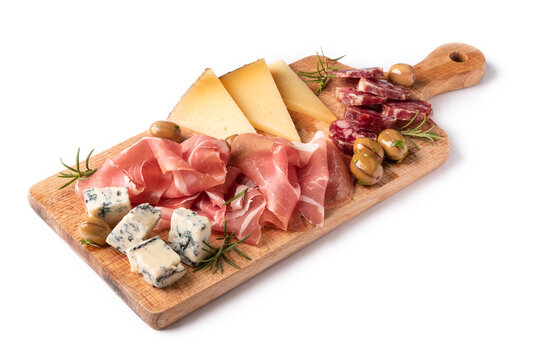
Elegant and rich, focusing on the high quality of cured Italian pork (Salumi) and regional cheese. This platter is ideal for the traditional Aperitivo hour.
Ingredients:
1. Meats (Salumi): Choose 2-3 oz per person of thinly sliced Italian cured meats.
- Favorites: Prosciutto di Parma (thinly sliced and delicate), Capicola (or Capocollo, a cured pork shoulder), and a hard Salami (such as Finocchiona with fennel).
2. Cheese: Choose 2-3 oz per person of a variety of soft, hard, and pungent Italian cheeses. Use an odd number of cheese (3 or 5) for aesthetic balance.
- Favorites: Fresh Mozzarella (small balls, marinated), Parmigiano Reggiano (aged, hard chunks), and a creamy Gorgonzola (a pungent, blue-veined cheese).
3. Sweet/Fruit: I choose at least one of each to balance the saltiness of the meats.
- Sweet Spreads: Fig jam or honey.
- Fresh & Dried Fruit: Fresh grapes (on the vine), and rich sun-dried tomatoes (marinated in oil).
4. Bread/Starch: Include a variety of plain starches to carry the intense flavors.
- Favorites: Thin Grissini (breadsticks), and slices of rustic Italian bread or ciabatta.
Steps:
1. Placement of Anchor Cheeses: Place the free-standing chunks of Parmigiano Reggiano and the bowl of soft, creamy Gorgonzola first, ensuring they are separated. This provides solid structure for the board, and separating them helps prevent the intense flavor of the Gorgonzola from mixing with the other foods.
2. Arranging the Meats: Artfully fold or gently roll the Prosciutto di Parma and Capicola. Arrange the hard salami slices in overlapping waves nearby. The meats are arranged this way to add texture and visual appeal, and they are placed apart from the cheeses to avoid mixing their oils.
3. Marinated Element: Place the marinated mozzarella balls in a small bowl to contain their oil and brine. Using a small bowl is essential to prevent the marinade from running onto and softening the crackers or hard cheeses.
4. Flavor Pop: Place the fig jam and fresh grapes close to the hard and soft cheeses as a sweet pairing. This arrangement encourages guests to try the classic salty-sweet combination, using the jam as a buffer between ingredients.
5. Adding the Starch: Lay the thin Grissini (breadsticks) and the slices of rustic Italian bread around the empty edges of the board. This ensures the bread is easily accessible and separates the main items, using the crackers to fill the final gaps without touching the wet ingredients.
3. Greece: The Meze Platter
:max_bytes(150000):strip_icc()/__opt__aboutcom__coeus__resources__content_migration__simply_recipes__uploads__2019__12__Mezze-Platter-LEAD-04-5850a1457fd845cc97d47b87cffe09bd.jpg)
Concept: A light, fresh, and expansive platter that is less meat-centric, emphasizing vibrant dips, crisp vegetables, and various breads. It's perfect for sharing and casual snacking.
Ingredients:
1. Dips: Choose 3-4 small bowls of classic Greek and Mediterranean spreads.
- Favorites: Tzatziki (yogurt-cucumber-garlic), Hummus (chickpea-tahini), and Taramasalata (fish roe dip).
2. Cheese: Choose 2-3 oz per person of distinct Greek cheeses.
- Favorites: Crumbled Feta cheese (drizzled with olive oil and a sprinkle of dried oregano) and Halloumi (sliced and grilled, if possible, for best flavor).
3. Vegetables: Choose a variety of crisp, fresh cold vegetables.
- Favorites: Sliced cucumbers, bright cherry tomatoes, and vibrant red bell peppers (sliced into strips).
4. Starches: Include a good amount of items for scooping and accompanying the dips.
- Favorites: Warm pita bread (sliced into triangles), and Dolmades (stuffed vine leaves, either rice or meat-filled).
5. Briny/Extra: Add a few flavorful Greek accents.
- Favorites: Kalamata olives.
Steps:
1. Dips First:
Anchor the board by placing the three dip bowls (Tzatziki, Hummus, Taramasalata) symmetrically across the center of the board.
This is done because the dips are the core of the Meze platter, and placing them first ensures they are easily accessible and visually central, also acting as natural dividers.
2. Cheese Arrangement:
Arrange the crumbled Feta in a small bowl or a dedicated section and the sliced Halloumi near the fresh vegetable slices.
Separating the cheeses ensures their distinct flavors and textures are appreciated, and the Halloumi looks appealing next to the colorful veggies.
3. Pita Placement:
Warm and cut the pita bread into triangles, arranging it in a fanned or layered shape next to the dips for easy scooping.
Pita is crucial for the dips, so placing it directly adjacent ensures convenience for guests and keeps it separate from the wetter elements.
4. Vegetable Medley:
Artfully arrange the sliced cucumbers, cherry tomatoes, and red bell peppers in appealing clusters around the dips and cheeses.
Clustering the vegetables adds color and freshness, and keeps them distinct from the softer dips, preventing any sogginess.
5. Final Touches:
Scatter the Dolmades and Kalamata olives around the board, tucking them into any empty spaces.
These final additions fill out the board, add contrasting textures and flavors, and provide a pleasant visual separation between other items without mixing flavors.
4. South Africa: Biltong and Savory Bites
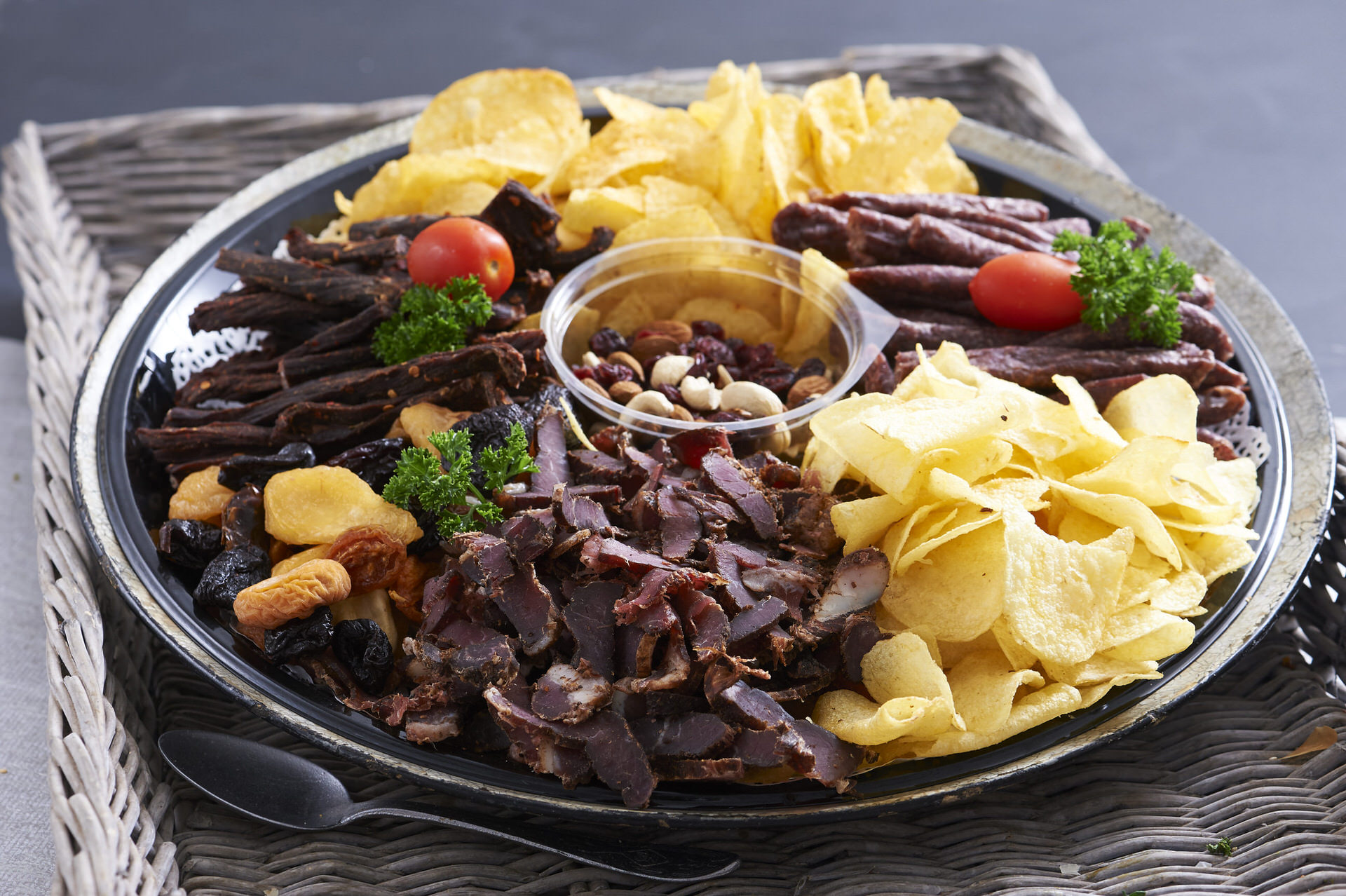
Concept: A robust, savory platter focusing on uniquely South African cured meats and high-protein snacks. This is the ideal grazing board for a social gathering around the Braai (barbecue).
Ingredients:
1. Meats: Choose a generous amount of uniquely South African dried and cured meats.
- Favorites: Sliced Biltong (a cured, dried meat often made from beef or game), dried Droëwors (cured dried sausage), and thin slices of cured game meat if available.
2. Cheese: Choose bold, savory cheeses to stand up to the cured meats.
- Favorites: Sharp Cheddar blocks and Boerenkaas (a semi-hard Farmer's Cheese).
3. Sweet/Spice: I choose at least one item for sweetness and one for texture.
- Spreads: Small bowl of mango chutney (sweet and tangy).
- Nuts: Toasted, salted nuts (peanuts or cashews) for crunch.
4. Starch/Bread: Include plain, savory carriers for the cheese.
- Favorites: Savory biscuits or crackers, and perhaps some Vetkoek (fried bread, if prepared fresh).
Steps:
1. Meat Piles:
- Arrange the Biltong and Droëwors in generous, rustic, high piles, showcasing their rich color and texture. This is done because Biltong is the hero of the board; piling it high makes it the focal point and easy to grab in rough, rustic handfuls.
2. Cheese Blocks:
- Place the blocks of Sharp Cheddar and Boerenkaas on the board, leaving a small gap between them. Using blocks, rather than slices, signals a communal, casual style and encourages guests to slice their own, ensuring separation of flavors.
3. Sweet and Spice:
- Place the small bowl of mango chutney near the cheese blocks. Placing the chutney in a bowl keeps its wetness contained and positions it perfectly for pairing with the sharp, savory cheeses.
4. Texture and Fillers:
- Fill in the spaces around the meat and cheese with the savory biscuits/crackers and the toasted, salted nuts. This step adds essential crunch and texture contrast to the chewy meats, using the crackers to fill the final gaps and separate the meat from the cheese.
Conclusion:
The charcuterie board's evolution from a simple French meat platter to a globally embraced grazing concept perfectly encapsulates the modern culinary spirit: food as a facilitator of gathering and storytelling. By seamlessly integrating the Tabla of Spain, the Tagliere of Italy, the Meze of Greece, and the robust Biltong boards of South Africa, this trend proves that the concept of a shared platter is a universal social bridge. Its enduring success lies not just in the curated flavors, but in its ability to offer a communal, low-stress centerpiece that encourages discovery, conversation, and shared joy, making it the perfect culinary language for the globally connected host.
FAQs:
Q1. What is the literal meaning of 'Charcuterie'?
The word is French, translating literally to "pork-butcher shop" or "delicatessen," focusing specifically on prepared and cured meat products.
Q2. What is the main difference between a Charcuterie Board and a Grazing Board?
A Charcuterie Board is strictly centered on cured meats. A Grazing Board is a broader term that includes meats, cheeses, fruits, nuts, crackers, and dips.
Q3. What are the five essential components of a well-balanced board?
A great board should include a variety of Meats, Cheeses, Crackers/Bread, Fruits/Jams (something sweet), and Olives/Pickles (something briny).
Q4. What is a Tagliere in Italian culture?
It is the Italian equivalent of a charcuterie board, typically a wooden cutting board (tagliere meaning "cutting board") piled high with regional salumi (cured meats) and cheeses.
Q5. How are boards used in Spanish Tapas culture?
A Spanish Tabla (platter) is used for sharing cured meats and cheeses as tapas—small, savory dishes served alongside drinks to encourage conversation before dinner.
Q6. Why is the concept of a shared board so popular globally?
The communal nature of the board encourages social interaction and conversation, making it the perfect centerpiece for low-stress entertaining and shared discovery.
Q7. What is Biltong, and what country uses it on platters?
Biltong is a form of cured, dried, and spiced meat (similar to jerky but prepared differently) that is often featured on platters in South Africa.
Q8. What is the best way to arrange food on a board for visual appeal?
Create a sense of abundance by placing items close together and using small bowls for dips and pickles. Grouping items by color and texture adds visual interest.
Reference :https://www.wisconsincheese.com/the-cheese-life/article/153/charcuterie-history
- Chithra (Digtial Marketing Executive)