The Cheese Chronicles: The Ultimate Guide to Cooking, Pairing & Storing
February 19, 2026
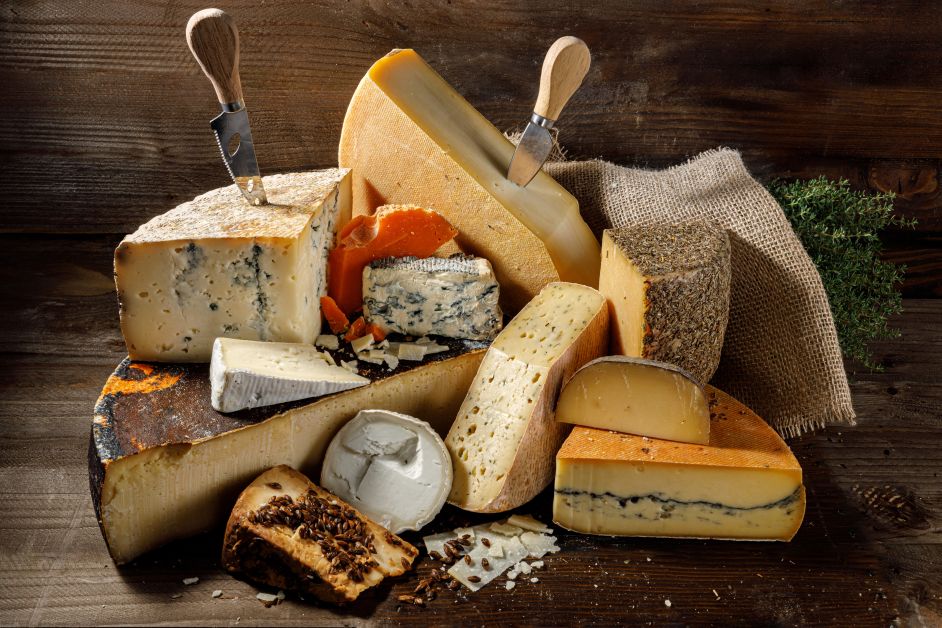
We often buy cheese from the market on the go to use, and if you are not familiar with the types of cheese, their taste, you just go with whatever is available in the market, mostly processed cheese. You get the slices or cubes and mozzarella if you want to make delicious pizza. But adding cheese to food is also an art of understanding culinary craft. Today, let's explore the global varieties of cheese, along with kitchen and cooking hack of cheese.
Cheese Goodness Flavourful Origins
Most historians believe cheese was discovered accidentally around 8000–7000 BCE, when humans first began domesticating animals and storing milk in containers made from animal stomachs. The milk curdled and separated, creating an early form of cheese. When they tasted the preserved curds, they realised it was edible, nutritious, and longer-lasting than fresh milk. This simple accident likely marked the birth of cheesemaking.
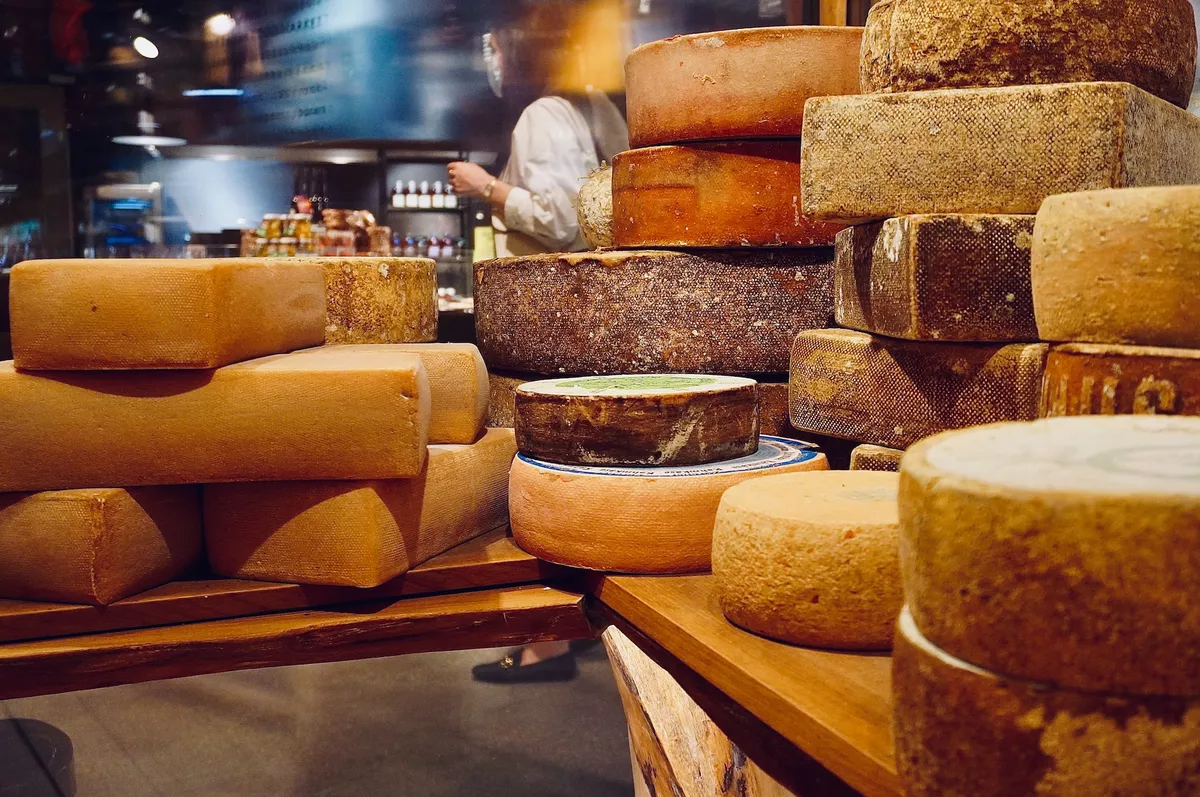
The Cheese which can be said as one of the oldest crafted foods in human history, is today a luxurious indulgence. This melting goodness we like to enjoy, be it the melting weeknight pasta or comforting in a grilled sandwich. Every cheese reflects geography, milk type, ageing, and technique. Once you understand how cheese behaves, how it melts, its texture, and salt levels, your everyday cooking instantly levels up, with you knowing what cheese to use in what food and how to pair it for enhanced flavours and nutritional value.
Cheese Types, Textures & Personality
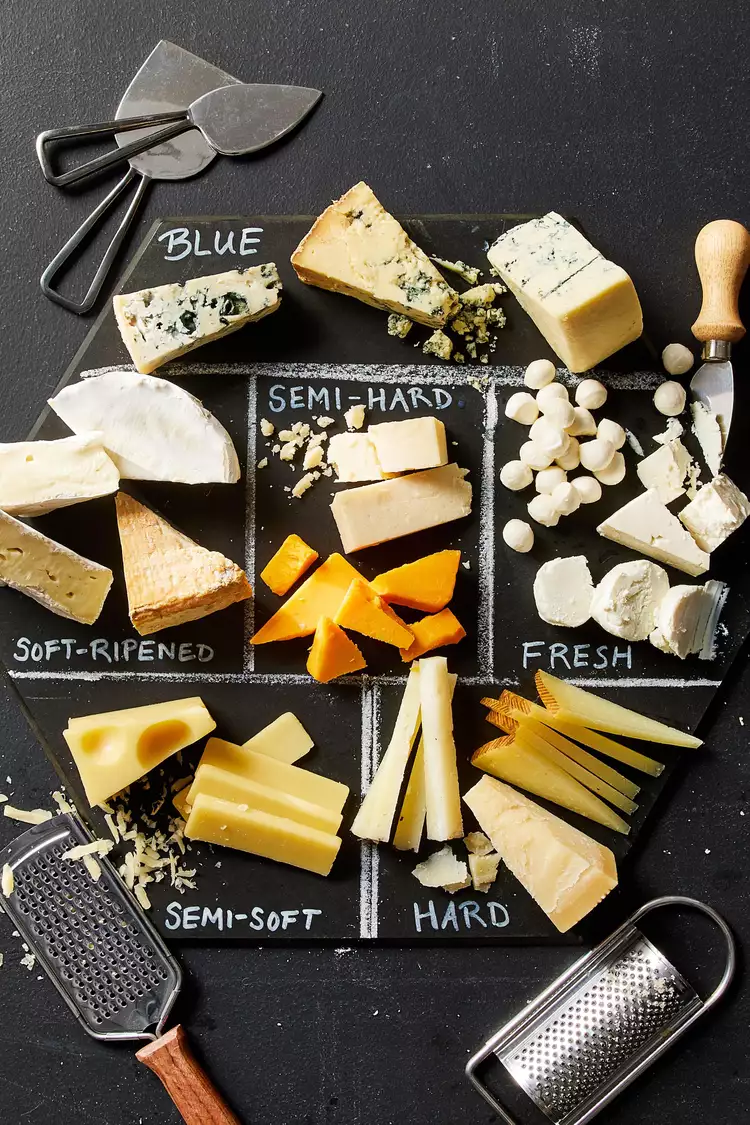
Fresh cheeses: (Mozzarella, Ricotta, Burrata)
Known for their soft texture, moist content, and milky flavours, these cheese types bring lightness to salads, pastas, and spreads. They are not aged, hence taste light, clean, and slightly sweet without overpowering other ingredients.
Soft-ripened cheeses: (Brie and Camembert)
This type of cheese develops a creamy, buttery interior beneath a thin, edible rind that becomes silkier and more complex in flavour as it ages. Ranging from mild and mushroomy to earthy and nutty, served on platters or baked whole, to create a luxurious, melt-in-the-mouth experience.
Semi-hard cheeses: (Gouda, Fontina, and Havarti)
The semi-hard cheese strikes a balance between firmness and meltability, making it extremely versatile in cooking. Their balanced texture makes them ideal for sandwiches, sauces, casseroles, and gourmet grilled dishes.
Hard-aged cheeses: (Parmesan and Pecorino)
They are dry, salty, and intense, matured for long periods, resulting in a dense, crumbly texture and deeply concentrated flavour. They add intensity to dishes even in small amounts and are commonly grated over pasta, risotto, and soups, where their sharpness enhances overall depth and savoury complexity.
Blue cheeses: (Gorgonzola and Roquefort)
Blue cheeses are characterised by their blue-green veining, bold aroma, and tangy, sharp flavour profile. They have a creamy yet crumbly texture with a distinctive punch often used sparingly; they add depth to salads, sauces, dressings, and cheese boards.
Global Cheese Traditions
Italian Cheese Indulgence (Parmigiano and Mozzarella)
Italy’s cheese culture is deeply rooted in regional craftsmanship and centuries-old dairy traditions. They value simplicity, so their cheeses are used to enhance dishes rather than overpower them, preserving balance and authenticity.
France Luxury Formage (Brie and Roquefort)
France is renowned for its refined cheesemaking heritage, where cheese is treated as both food and art. They use Brie and Roquefort, strongly reflecting terroir, an idea that means the region’s climate and pasture influence cheese flavour.
Switzerland’s Melting Comfort (Alpine Cheeses)
Swiss Alpine cheeses like Emmental and Gruyère are designed for melting, developed in mountainous regions where hearty, warming foods were essential. This makes them perfect for fondue, raclette, and baked dishes that require a stable, creamy consistency.
India’s Non-Melting Wonder (Paneer/Cottage Cheese)
Made by curdling milk with an acid Paneer holds a special place in Indian culinary tradition due to its non-melting nature. It has a firm yet soft texture that absorbs spices and sauces beautifully, also remains intact when heated, making it ideal for curries, stir-fries, and grilled dishes like tikka and kebabs.
Cooking Cheese Chronicles
Understanding Melt
- Moisture and Fat Role: Cheese melts based on its internal structure. High-moisture cheeses melt smoothly because their water content allows proteins and fats to loosen easily. High-fat cheeses become creamy when heated, while drier cheeses melt more slowly, needing added liquid for a smooth consistency.
- High-Moisture Cheese: Cheeses like mozzarella and fontina melt evenly due to higher moisture and flexible protein networks.
- Aged Cheeses Delicacy: Aged cheeses such as Parmesan or Pecorino have lower moisture and tighter protein structures, so they require low heat and gradual melting to avoid clumping or grainy textures.
- Patience is Key: While heating cheese, one needs to be patient as excessive heat causes fats to separate from proteins, leading to a greasy surface and gritty texture. Gentle, slow melting preserves creaminess and flavour integrity.

Cheese Cooking Pro-Tips: Best Uses Of Cheese
- Drop a Parmesan Rind into soups or sauces for deep umami flavour as it is packed with concentrated savoury compounds developed during ageing; slowly released without making the dish overly cheesy. Simply remove the rind before serving.
- Professional kitchens rarely rely on a single cheese, so blending them for better results, it creates balance in texture and flavour. It also ensures a more complex taste, better mouthfeel, and consistent melting in dishes like pasta bakes, pizzas, and sauces.
- Cheese proteins are sensitive to high temperatures; adding them over direct heat can cause curdling, graininess, or oil separation. Remove the pan from the heat and then gradually stir in the cheese. This allows it to melt gently, maintaining a silky texture and preventing the sauce from breaking.
- A small amount of starch (like flour, cornstarch, or pasta water) stabilises cheese sauces by binding fat and liquid together. This prevents separation and creates a glossy, cohesive consistency.
Cheesy Pairing Ideas
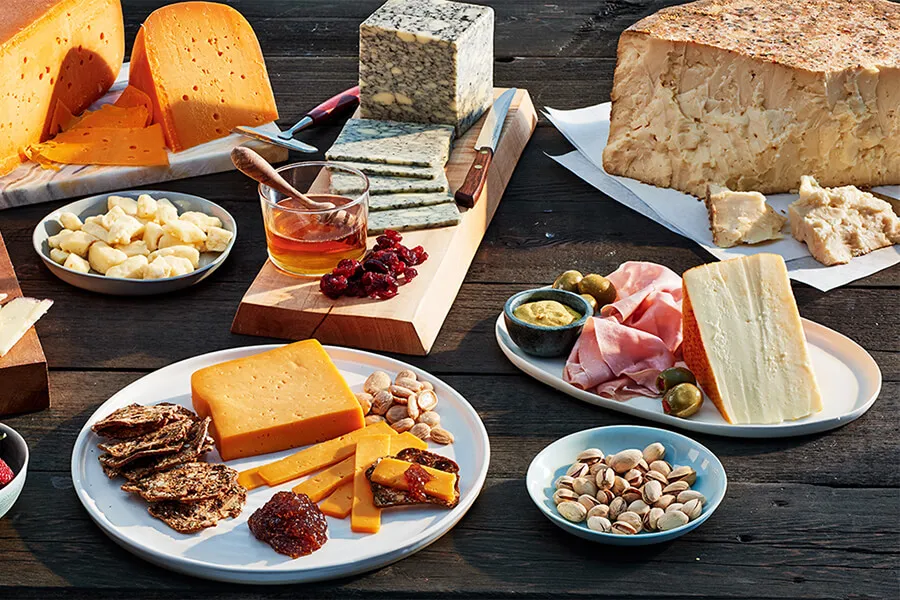
- Creamy Brie Loves Honey and Nuts: Brie’s buttery and mild profile pairs beautifully with sweet for richness and nut for contrast, crunchy elements creating an indulgent yet refined cheese board.
- Sharp Cheddar with Apples and Mustard: The tangy, bold flavour of cheddar complements the natural sweetness and acidity of apples, and mustard adds a subtle sharpness, making this pairing ideal for sandwiches, platters, or gourmet snacks.
- Blue Cheese with Pears and Walnuts: The strong, salty, and tangy cheese that balances well with the soft sweetness of pears and the earthy crunch of walnuts, often used in salads and elegant appetisers.
- Goat Cheese with Beetroot or Figs: This bright, tangy cheese pairs exceptionally well with earthy beetroot and naturally sweet figs, while maintaining a fresh, sophisticated palate experience.
- Salty Cheeses Complement Sweet Wines: Salt in cheese enhances the perception of sweetness in wines, making sweet wines taste more balanced and complex.
- Creamy Cheeses with Crisp Whites: Creamy cheeses pair well with crisp white wines because acidity cuts through richness, cleansing the palate and keeping each bite light and enjoyable.
Flavour Enhancer: Enriching Cheese Buds
- Flavour enhancers work by adding contrast, aroma, and complexity to cheese, such as;
- Freshly cracked black pepper adds warmth and subtle heat that balances creamy textures.
- Truffle oil introduces earthy luxury, especially with soft cheeses.
- Rosemary lends herbal depth, while roasted garlic provides sweet, mellow richness.
- Chilli flakes bring a gentle spice that cuts through fattiness.
- Citrus zest adds brightness and freshness, lifting the overall flavour profile.
Serving Suggestion: Cheese Presentation & Taste Optimisation
- Serve Cheese at Room Temperature for the Best Flavour: Allowing cheese to rest at room temperature for 20–30 minutes softens its texture, enhances its natural oils and retains flavour. Cold temperatures mute aroma and flavour compounds in cheese, making it taste less expressive.
- Combine Different Textures: Creamy, Firm, Sharp, and Mild for a Balanced Experience: A well-curated cheese selection focuses on contrast and harmony. Creamy cheeses provide richness, firm cheeses add structure, sharp varieties bring intensity, and mild cheeses offer balance. This variety keeps the palate engaged, prevents flavour fatigue, and creates a more sophisticated tasting experience, similar to how chefs design multi-texture dishes.
Storage Secrets: How to Store Different Cheeses Like a Pro
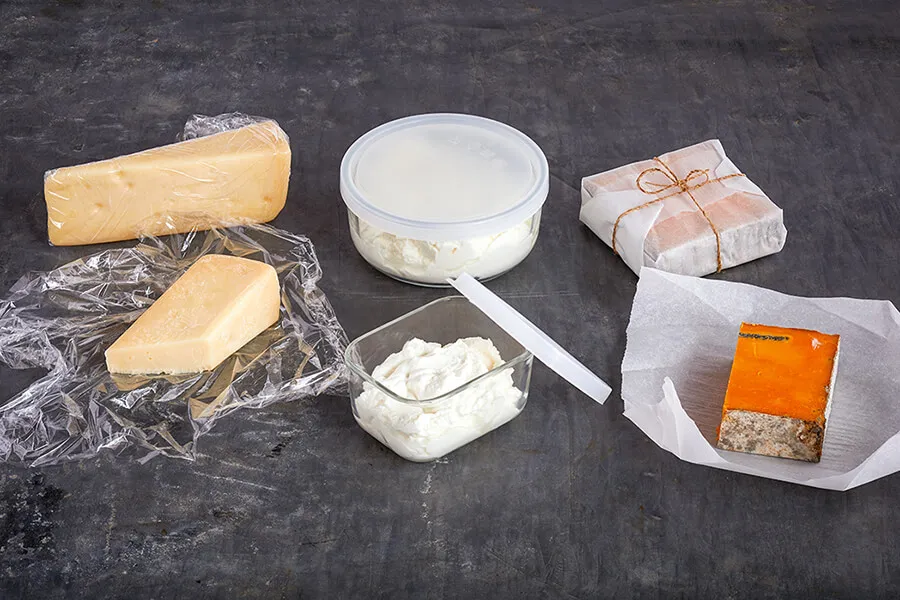
- Cheese is a living food that continues to age, breathe, and change over time, so the way you store it directly affects its taste and shelf life. Proper cheese storage is essential.
- Wrap Cheese in parchment or wax paper first to prevent moisture buildpu causing spoilage, then loosely in plastic to maintain humidity without suffocating; as it needs to breathe while still being protected from drying out.
- Avoid airtight plastic wrap directly on cheese for long storage, as it traps moisture and can lead to mould growth and ammonia-like smells.
- Store Cheese in the vegetable drawer, where humidity is balanced. This environment prevents excessive drying while also reducing condensation that can spoil delicate cheeses.
- Keep cheese away from strong-smelling foods like onions or garlic, as cheese easily absorbs surrounding odours.
Storage Suggestion for Different Types of Cheese
- Fresh Cheeses (Mozzarella, Ricotta, Burrata, Paneer)
- Keep them in their original liquid or in an airtight container lined with parchment in the coldest part of the fridge, not the freezer.
- Change the liquid of fresh mozzarella every 1–2 days to maintain freshness and prevent souring.
- Mozzarella stays fresh for 3–5 days after opening, Ricotta for 5–7 days, Burrata: 1–2 days, and Paneer for 5–7 days refrigerated.
- Soft-Ripened Cheeses (Brie, Camembert)
- Wrap in wax paper and place in a breathable container; avoid sealing too tightly, as these cheeses continue to ripen.
- If the rind develops a strong ammonia smell, it may be overripe, consume quickly or discard.
- Unopened soft cheese stays fresh for 1–2 weeks, and after opening, for 5–7 days for peak flavour.
- Semi-Hard Cheeses (Gouda, Havarti, Fontina, Cheddar)
- Wrap in parchment, then loosely in foil or plastic, and store in the crisper drawer to prevent drying and cracking.
- If the surface dries slightly, trim the outer layer instead of discarding the entire cheese.
- The block form cheese stays fresh for 2–4 weeks after opening, and sliced for 1–2 weeks
- Hard-Aged Cheeses (Parmesan, Pecorino):
- Wrap in parchment and store in a sealed container in the fridge; it prefers lower moisture environments.
- Save the rind instead of discarding it — it can be used in soups and sauces for deep umami flavour.
- The Whole wedge stays fresh for 4–8 weeks, and grated cheese for 1–2 weeks for the best flavour.
- Blue Cheeses (Gorgonzola, Roquefort, Stilton)
- Wrap in foil or wax paper and keep in a separate container to prevent the mould from spreading to other cheeses.
- Use dedicated wrapping for blue cheese to preserve its distinct aroma and prevent flavour transfer to milder cheeses.
- Unopened blue cheese stays fresh for 2–3 weeks, and opened for 1–2 weeks.
Extra Pro Storage Tips for Maximum Freshness
- Never freeze soft cheeses; it ruins their texture and creaminess.
- Label cheese with the opening date to track freshness.
- Rewrap cheese after each use to prevent drying and contamination.
- Store larger blocks instead of pre-shredded cheese for longer shelf life and better flavour.
- Let refrigerated cheese sit at room temperature before serving to restore its natural texture and taste.
Final Slices
Cheese might seem the simplest and easiest ingredient to add to whichever food we want to enhance the creaminess of. But each flavour, texture, and nature give distinct taste to your dish. So knowing your cheese, their perfect pairing and storage is important. Remember, properly stored cheese lasts longer and maintains its intended flavour profile, allowing you to enjoy it at its peak just as cheesemakers intended.
Cheese mastery is about balance: heat, pairing, texture, and storage. Treat cheese with care, and even the simplest meals turn gourmet. That was for diving into the insight of cheese. Next, we will learn how to make different types of cheese.
By P. Manika (Performist Content Writer)
