The Art of Lingering: Turning Holiday Meals into Mindful Moments
December 22, 2025

Winter has arrived, festivities are around the corner, and holidays don't come alone but arrive with warmth, celebration, and abundance, but they also bring busy schedules, crowded tables, and hurried meals. In the rush to host, attend, and celebrate, we often forget that holiday food is meant to be experienced and enjoyed with loved ones and not consumed in haste.
Holiday meals are more than seasonal recipes; they are stories passed down, moments shared, and memories created. Slowing down at the table allows us to reconnect with our senses, with loved ones, and with the traditions that make these meals meaningful. Learning to savour them mindfully transforms eating into an act of presence and gratitude. In this blog, let’s explore what mindful holiday eating entails.
Moving From Fast to Fulfilled: Rethinking How We Eat
We often put a schedule while hosting parties or dinner that at a certain time we need to serve, and at a certain time people need to have dessert. In this rush, the host is not really enjoying the feast; they have to run with the clock and serve. But on the contrary, it is about connecting with the guest and enjoying together. For that host can always try a proper Christmas or holiday meal prep ready.
Also, when the host has a steady pace, the guest would also savour with them, and mindful eating during the holidays satisfies the soul rather than just fills one's stomach. And when we eat slowly, we give our body and mind the time they need to respond. Calm eating supports better digestion, helps us recognise fullness, and allows flavours to unfold naturally. Beyond physical benefits, slowing down brings emotional nourishment, space for conversation, laughter, and connection.
In many cultures, meals were traditionally unhurried gatherings. Food was prepared with care and eaten with intention. Reclaiming this rhythm during the holidays helps us experience not just the taste of the food, but the meaning behind it. So, how to get into the practice of mindful eating during the holidays?
Ever Wonder:
1. What are some traditional holiday meal hosting mindful practices?
Ans) Traditional mindful hosting practices include cooking with intention, setting a calm and welcoming table, and beginning meals with gratitude or a shared blessing. Hosts often encourage unhurried dining, shared dishes, and meaningful conversation. Limiting distractions, honouring cultural rituals, and creating post-meal moments like tea or storytelling help guests feel present, connected, and truly nourished.
2. What are traditional holiday meals?
Ans) Traditional holiday meals are culturally rooted dishes prepared during festive seasons to celebrate heritage, family, and abundance. These meals often feature seasonal ingredients, slow-cooked recipes, and signature dishes passed down through generations, such as roast feasts, festive breads, rice-based dishes, or spiced sweets, symbolising warmth, togetherness, gratitude, and celebration across different cultures.
1. Atmosphere Meets Appetite: How to Set the Tone for Better Dining
Savouring a holiday meal begins even before the first bite. A thoughtfully prepared space signals the body to slow down. Soft lighting, simple table settings, and warm music create a sense of ease. It is essential to set the table or decor so one can immerse in the mood and feel the festivity, so try and upgrade your home to the festive atmosphere with holiday decor. There is another practice you can try, like
Putting phones aside and taking a moment of gratitude, silent or shared, helps everyone arrive fully at the table.
Eat seated and unhurried, avoiding standing or multitasking during meals.
Serve warm food on warm, preheated plates or covered dishes to maintain comfort and enjoyment.
Play soft background music or keep the space quiet to encourage relaxed conversation.
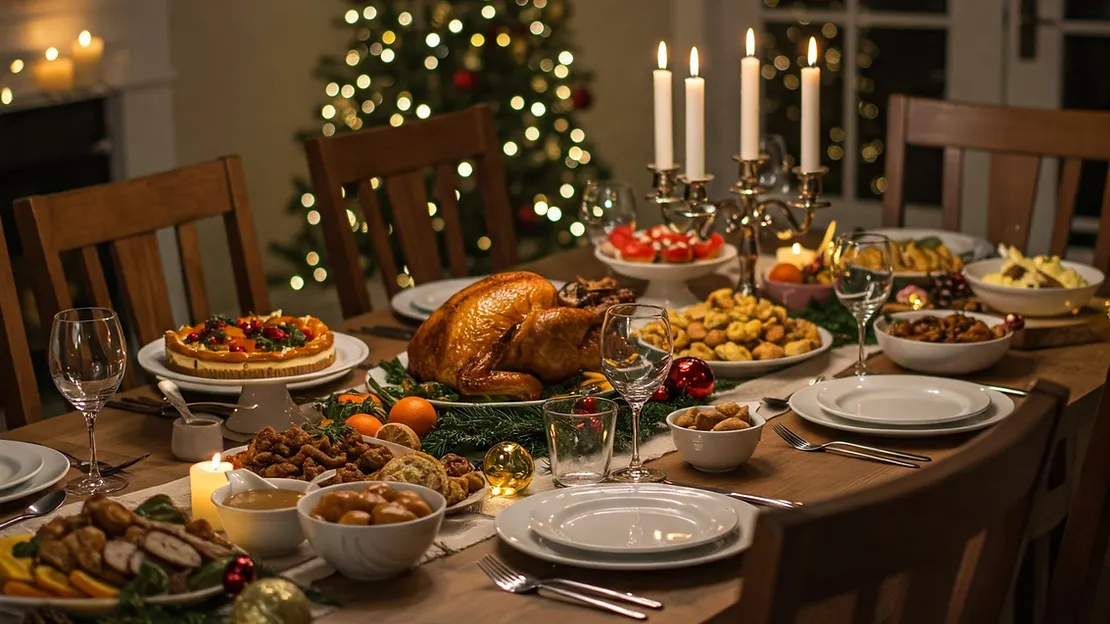
These small rituals mark the transition from busyness to presence.
2. Conscious Feasting: Savour Every Bite the Holiday Way
Mindful eating does not require rules or restrictions. It begins with awareness of the morsel we share. Some essential rituals for a mindful eating holiday foodie can be,
Taking a moment to notice the aroma of a dish, its warmth, texture, and flavour brings the senses into the experience.
Eating slowly, pausing between bites, and placing cutlery down occasionally encourages natural pacing.
Engaging in conversation while eating helps anchor the meal in connection rather than consumption.
Serving smaller portions allows room to truly enjoy what’s on the plate, instead of feeling overwhelmed by abundance.
3. Enjoying Tradition the Mindful Way: Indulgence with Intention
Holiday meals often carry emotional and cultural significance; these are crafted with the intention to connect people and deepen bonds over festivities. Slowing down and a mindful holiday eating plan allows us to choose dishes we genuinely love and appreciate their meaning. Mindful savouring shifts the focus from quantity to quality, allowing indulgence to feel joyful rather than excessive.
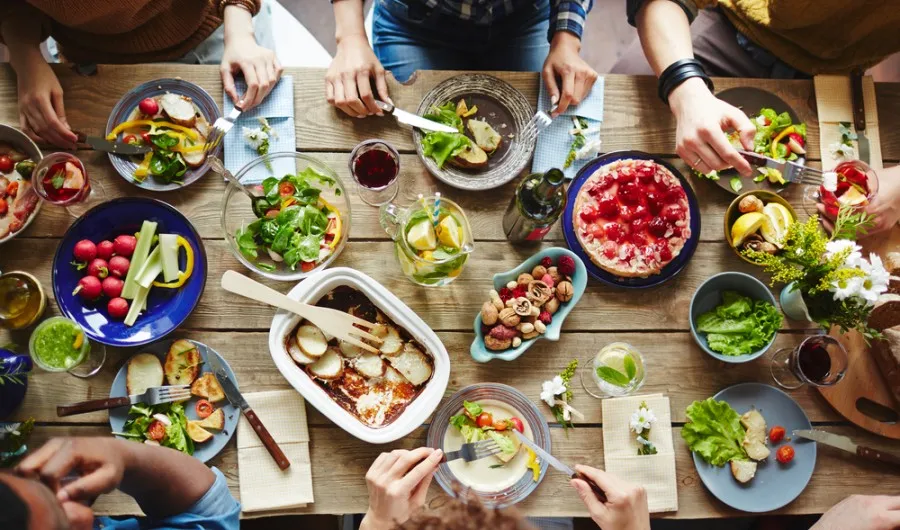
Having mindful meals allows one to enjoy festive treats without guilt. It becomes easier when we eat attentively, tasting fully rather than rushing. The most memorable part of holiday meals is often not the food itself, but the shared moments around it. Telling stories about family recipes, asking guests about their favourite holiday traditions, or simply sitting together in unhurried conversation strengthens bonds.
When attention is shared, meals become moments of belonging rather than routines to get through.
4. Soft Evenings: The Gentle Pause After The Feast
Savouring doesn’t end when the plates are cleared. The after-meal vibes where comfort seeps in are when the true connections build. If you want to complete the day with mindful meals, you can try to indulge in after-meal activities, which can help the guests and host connect, creating more memories. One can,

a. Linger over a cup of herbal tea, enjoying quiet conversation
b. Take a gentle walk that allows the body to settle and the experience to fully land.
c. Enjoy a small dessert mindfully, focusing on flavour rather than quantity.
d. Play a quiet game (cards, board games, puzzles) with family and friends.
4. Read a few pages of a book or poetry
These moments of pause help preserve the warmth of the meal long after it’s over.
Ever Wonder:
1. Why is mindful eating important during holidays?
Ans) Mindful eating during holidays helps prevent overeating while allowing you to truly enjoy festive foods. It supports better digestion, reduces guilt around indulgence, and encourages presence at the table. By eating slowly and attentively, you savour flavours, honour traditions, and stay connected with loved ones instead of rushing through meals.
2. What is the purpose of mindful eating?
Ans) The purpose of mindful eating is to build a healthier relationship with food by paying attention to hunger, fullness, and sensory experience. It encourages awareness rather than restriction, helping improve digestion, emotional well-being, and satisfaction. Mindful eating transforms meals into intentional moments of nourishment and balance.
Conclusion: Redefining Holiday Feasting
Slowing down during holiday meals is not about doing less, it’s about being more included, indulgent and present. In a season defined by generosity and togetherness, mindful eating practices offer a way to truly receive what’s being shared.
When we eat with awareness, we transform holiday meals into moments of comfort, connection, and calm. And in doing so, we discover that the true richness of the season isn’t found in full plates, but in fully lived moments at the table.
So this season indulge with awareness, and you will make more memorable moments to look back to.
By P. Manika (Performist Content Writer)
