Spice Routes & Sweet Traditions: Vindaloo, Bibingka & Goa’s Global Kitchen
January 20, 2026
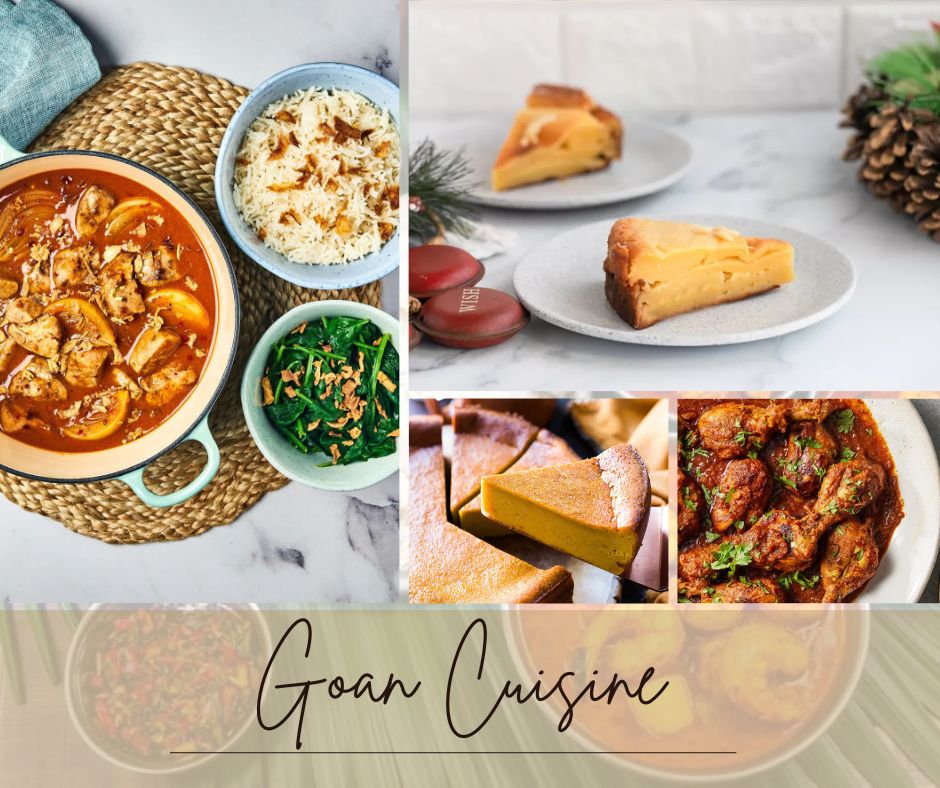
In India, the taste of delicacy varies by region, and one such example is Goan cuisine. It is a mix of many tastes and cultures, and few truly understand its depth. It is one of India’s most globally influenced foods, shaped by Portuguese colonial history, coastal trade routes, and local Konkani ingredients.
Being a Konkani myself, I am well acquainted with coastal flavours and native spices. Yet Goan cuisine, in particular, stands apart as a graceful meeting point of Indian spice wisdom and European culinary techniques, enriched by tropical produce and Christian food traditions. Being a bustling port for centuries, this culinary delicacy was shaped as Goa absorbed foreign influences like a sponge, allowing global tastes to gently mould local cooking, resulting in a cuisine that is layered, soulful, and irresistibly distinctive.
Two classic examples of this cross-cultural legacy are Vindaloo and Bibingka, both Goan at heart, yet born from global inspiration. They have become a traditional favourite where vindaloo is made on special occasions like marriage and major celebrations, and Bibingka is a festive favourite made on Christmas, religious feasts, and family celebrations. Coming from Portugal, they settled in the Goan soil.
Vindaloo: From Portugal to Goa
Vindaloo recipe traces its roots to the Portuguese dish carne de vinha d’alhos, meat marinated in wine (vinho) and garlic (alhos). When the Portuguese arrived in Goa in the 15th century, Goan cooks adapted the recipe using palm vinegar instead of wine and added local spices and red chillies. Originally, vindaloo was made because the vinegar-and-garlic marinade helped preserve meat in Goa’s humid coastal climate. Over time, it became a bold, tangy, slow-cooked curry, most traditionally made with pork.

Authentic Goan Pork Vindaloo Recipe
- Ingredients:
- For the Meat
- 1 kg pork/chicken (with some fat), cubed (use any meat or vegan meat/tofu/cottage cheese if you are vegetarian or vegan)
- Palm vinegar or wine vinegar – 3–4 tbsp
- Salt – to taste
- For Vindaloo Masala
- Dried red Kashmiri chillies – 15–18 (soaked in hot water)
- Garlic cloves – 8–10
- Ginger – 1-inch piece
- Cumin seeds – 1 tsp
- Black peppercorns – 1 tsp
- Cloves – 4
- Cinnamon stick – 1 inch
- Mustard seeds – ½ tsp
- Turmeric powder – ½ tsp
- Soaked chilli water – as needed for grinding
- For Cooking
- Oil – 2–3 tbsp (traditionally, pork fat is used)
- Onions – optional (authentic versions skip onions)
- Vinegar – extra, to adjust tang
- Water – only if needed
- Method:
Prepare Vindaloo Masa:
Before starting to cook, prepare the ingredients. Grind chillies (soaked for 30 minutes in warm water), garlic, ginger, spices, turmeric, and vinegar into a thick paste. For authentic taste, use the stone grinder, but for an easy result, use a hand grinder or mixer. It should be deep red and aromatic.
Marinate the Meat:
Take any meat you like; traditionally, pork is used. And if you want the Goan vindaloo chicken adapted from the Portuguese vindaloo version, use chicken. For a vegan or vegetarian version, use vegan meat, tofu or cottage cheese. Marinate the meat with the paste and salt for at least 8 hours, but overnight or 24 hours is ideal so the spices can seep into the meat.
Start Cooking:
Heat oil (or pork fat) in a heavy-bottomed pan. Add the marinated meat you have selected, along with all the masala. Sauté on medium heat until the meat releases fat and the masala turns glossy. Vindaloo is not something you get instantly; it needs to be cooked on low heat without adding water; the meat releases its own juices, which enhances the taste. Simmer until tender and the oil separates. Pork would take more time, whereas chicken and other vegan alternatives would not take much time. Rest for a few hours before serving.
Balance Flavours:
Taste and adjust salt and vinegar. The final dish should be fiery, tangy, and garlicky, with no sweetness. If you notice some having potatoes or onion and garlic added in the oil, and want to add the same, you can. The authentic vindaloo has no potatoes; that’s a later global adaptation, and if you want to try the Goan chicken vindaloo curry version taste good with potatoes.
People Are Curious About:
1. What is traditional Goan soup?
Ans) Traditional Goan soups are simple, home-style preparations rather than thick, restaurant-style soups. A common example is Kadi or Sol Kadhi, made with kokum and coconut milk, lightly spiced with garlic and green chillies, served with rice. It’s refreshing, aids digestion, and is often served with rice, especially during hot coastal weather. Then you have Tambde Ros and Tondak, which are herbal, seasonal preparations, while Caldo Verde, influenced by the Portuguese, reflects Goa’s colonial culinary legacy.
2. What is traditional Goan food?
Ans) Traditional Goan cuisine reflects a blend of Konkani, Portuguese, and coastal influences. It prominently features rice, fish, coconut, kokum, vinegar, and spices. Popular dishes include Fish Curry Rice, Pork Vindaloo, Sorpotel, Xacuti, and Bebinca. Seafood is central, with bold flavours that balance spice, tang, and richness.
3. What is the difference between Vindaloo and curry?
Ans) Vindaloo is a specific Goan dish known for its sharp, tangy heat from vinegar and dried red chillies, originally influenced by Portuguese cuisine. Curry is a broader term covering many gravies across India, usually milder and made with onions, tomatoes, and spices. Vindaloo is bolder, sourer, and more intense.
4. Which meat is best for Vindaloo?
Ans) Pork is the most traditional and best meat for Vindaloo, as its fat absorbs the vinegar and spice beautifully, creating deep flavour. However, chicken, lamb, and even beef versions are popular today. Pork Vindaloo remains the gold standard in Goa for its richness and authentic taste.
Bibingka: A Sweet with Shared Seas
While Bibingka is a sweet that is widely known as a Filipino rice cake, Goa has its own version, introduced through Portuguese trade networks linking Goa, Macau, and Southeast Asia. So this culinary craft is an amalgamation of various traditions and embodies the local Goan or Kokani taste. Goan Bibingka is typically prepared for Christmas and church feasts, blending rice flour, coconut, eggs, and jaggery, often baked or steamed.

Goan Bibingka Recipe (Coconut Rice Cake)
- Ingredients:
- 1 cup rice flour/all-purpose flour
- 1 cup thick coconut milk
- ½ cup jaggery (grated)
- 2 eggs
- 1 tsp baking powder
- 2 tbsp melted butter or ghee
- ½ tsp cardamom powder
- A pinch of salt
Method:
Prepare The Caramel:
In a baking dish, heat 2 tbsp sugar on a low flame until it melts and turns golden brown. Quickly tilt the dish to spread the caramel evenly on the base. Set aside.
Preheat the Oven:
Preheat oven to 180°C (350°F). Grease the sides of the baking dish lightly with butter.
Mix the Batter:
Whisk eggs and jaggery in a bowl until dissolved, and add coconut milk, butter, and cardamom or nutmeg. Either one of the masalas, and while using nutmeg, make sure you use mostly a pinch, as it causes dizziness and sleep if overconsumed.
Slit the rice or all-purpose flour, baking powder, and salt, and fold in the wet batter. Once mixed lump-free, pour into a greased pan.
Bake and Unmold:
Start baking the bibingka cake at 180°C for 30–35 minutes or steam until set. If you are making rice flour cake, it would take 30–35 minutes, and all-purpose flour would take about 40–45 minutes. Cool completely before slicing, or you can unmold it together.
Traditionally, it was cooked in earthen pots or banana-lined pans for aroma and additional taste and hence was not unmolded but rather savoured directly.
People Are Curious About:
1. Is Bibingka a delicacy?
Ans) Yes, Goan Bibingka is considered a delicacy, especially in the region. This is a traditional Indo-Portuguese dessert is rich, festive, and often made for special occasions. Prepared with coconut milk, eggs, sugar, and flour, it reflects Goan culinary heritage and is valued for its soft texture and caramelised top.
2. Is bibingka cake or bread?
Ans) Bibingka is best described as a cake rather than bread. It has a soft, moist, custard-like texture and is sweet, enriched with eggs and coconut milk. Unlike bread, it doesn’t rely on yeast and isn’t airy; instead, it resembles a dense, baked dessert cake.
3. What is the queen of Goan sweets?
Ans) Bebinca is widely known as the “Queen of Goan sweets.” This iconic layered dessert is made from coconut milk, eggs, sugar, flour, and ghee. Traditionally featuring seven or more layers, Bebinca is a festive favourite during Christmas and celebrations, symbolising patience and culinary skill.
4. What is famous in Goa to eat?
Ans) Goa is famous for its vibrant coastal cuisine, especially seafood and Portuguese-influenced dishes. Popular foods include Fish Curry Rice, Pork Vindaloo, Sorpotel, Prawn Balchão, Xacuti, and Bebinca. Street favourites like fish cutlets and chorizo pav also reflect Goa’s bold, spicy flavours.
The Ending Note
Vindaloo and Bibingka are more than famous Goan recipes; they’re edible histories. They tell the story of Goa’s open ports, cultural exchange, and ability to transform foreign influences into something deeply local.
Adapted with different ingredients but the same authentic taste of spice and culture, each bite carries spice, sweetness, and centuries of global connection, true proof that Goan cuisine belongs to the world and has evolved from the world's influence.
Written by P. Ragini (Performist Content Writer)
