Salads Around the World: A Global Crunch You’ll Love
October 24, 2025
By Marium Arsalan (Content Contributor for Performist Pte Ltd)
There’s something so comforting about a good salad — fresh, colorful, and full of life. For some people, it’s a side dish. For others (like me), it’s a whole mood. Whether it’s a quick lunch, a summer picnic bowl, or that “I’ll eat healthy today” promise we make to ourselves, salads fit just about anywhere in our lives.
But here’s the fun part: salads aren’t the same everywhere. Travel across continents, and you’ll find that each country has its own version — shaped by its culture, climate, and creativity. Some are light and leafy, others hearty enough to be a full meal. So, grab your imaginary passport — we’re going on a world tour of salads!
European Salads: Simplicity with Sophistication
Europeans take their salads seriously — and deliciously.
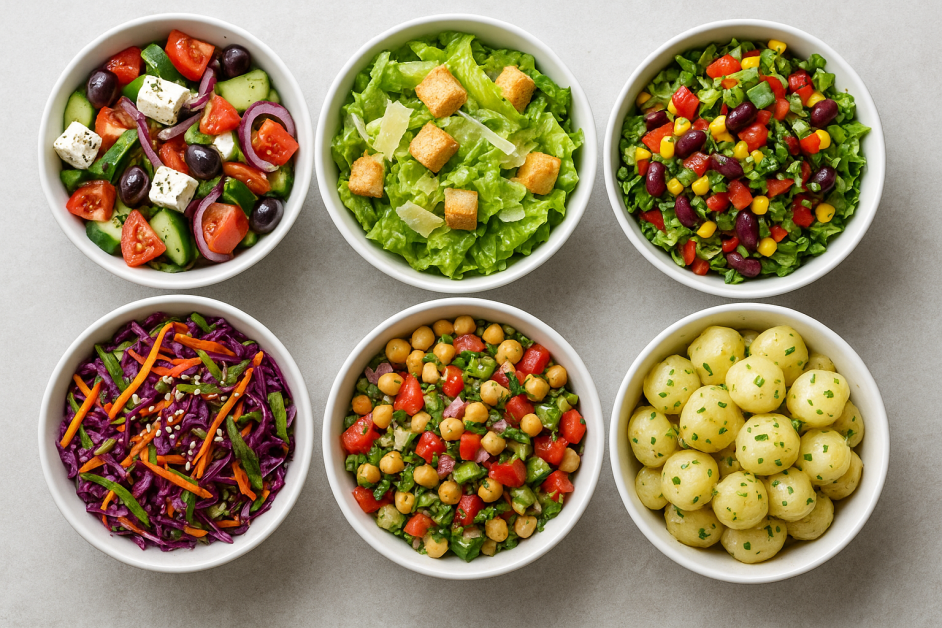
The Greek Salad is probably the poster child here: tomatoes, cucumbers, olives, feta, and a drizzle of olive oil. It’s sunshine in a bowl, simple yet perfect.
Then there’s the French Nicoise Salad, a colorful mix of tuna, boiled eggs, and crisp vegetables that somehow feels effortlessly elegant (because, well, it’s French).
And we can’t forget the Caesar Salad — creamy, crunchy, and satisfying. Fun fact: it was actually invented by an Italian chef in Mexico before becoming America’s favorite!
European salads often celebrate freshness, relying on high-quality produce and simple seasonings that let natural flavors shine.
Middle Eastern Salads: A Celebration of Herbs and Flavor
In the Middle East, salads are more than sides—they’re essential parts of the meal, served with bread, grilled meats, or on their own.
Tabbouleh, with its finely chopped parsley, bulgur, tomato, and lemon juice, is a bright, refreshing favorite packed with texture.
Then there’s Fattoush, a colorful mix of vegetables tossed with crispy pita pieces and a tangy dressing—a true celebration of crunch.
Middle Eastern salads focus on fresh herbs, citrus, and bold spices. They’re refreshing, healthy, and full of soul.
Asian Salads: Bold, Spicy, and Full of Life
Asian salads take a different approach—they’re all about contrasts and bold flavors.
In Thailand, Som Tam, the spicy green papaya salad, blends sweet, sour, and spicy notes in one punchy bite.
In Korea, salads often include fermented vegetables like Kimchi, known for its tangy kick and probiotic goodness.
And in Japan, the Seaweed Salad offers a dose of umami and texture, pairing perfectly with sushi or rice dishes.
Asian salads are vibrant and exciting, balancing flavor and texture in every bite.
Salads from the Americas: Wholesome and Hearty
Across North and South America, salads take on a heartier role—sometimes even stealing the spotlight from the main dish.
The Cobb Salad from the United States is a complete meal on its own, loaded with chicken, eggs, avocado, and bacon.
In South America, you’ll find Quinoa Salad, inspired by ancient Andean grains, offering a protein-rich, healthy option that’s now popular worldwide.
Meanwhile, Ensalada Chilena from Chile keeps things simple with tomatoes, onions, and cilantro—light yet full of character.
From wholesome to indulgent, American salads show that “healthy” doesn’t have to mean “boring.”
African Salads: Colorful and Bold
African cuisines bring a new level of spice and creativity to salads.
In Morocco, the Carrot Salad is lightly spiced with cumin and coriander, turning a humble vegetable into something exotic.
Egypt offers the Beet Salad, beautifully vibrant and slightly sweet, often served with a touch of vinegar or lemon.
African salads prove that flavor doesn’t need to be complicated—it’s about knowing how to make every ingredient shine.
Conclusion: A Universal Dish with Local Flavor
No matter where you go, salads bring people together. They’re light enough for summer days, nutritious enough for clean eating, and versatile enough to fit every table in the world.
From the citrusy freshness of Tabbouleh to the creamy comfort of a Caesar, salads are a reminder that food connects us—one colorful plate at a time.
So, the next time you prepare a salad, think globally. You might just find your new favorite dish from a country you’ve never visited.
FAQs:
1. Why are salads different around the world?
Salads reflect local ingredients, climate, and culinary traditions. For example, Mediterranean salads often include olive oil and cheese, while Asian salads feature tangy dressings, herbs, and spice.
2. Which country is most famous for its salads?
Greece is world-famous for its fresh Greek salad, but countries like Thailand (Som Tam), Lebanon (Tabbouleh), and the U.S. (Caesar Salad) are also known for their unique versions.
3. Are salads a meal or a side dish?
They can be both! In many cultures, salads serve as light appetizers, but hearty ones like Caesar, Cobb, or quinoa salads can be full meals.
4. What are the healthiest salads in the world?
Mediterranean and Middle Eastern salads — such as Greek, Tabbouleh, and Fattoush — are known for using heart-healthy olive oil, fresh vegetables, and herbs.
5. What makes a salad truly international?
An international salad brings together global ingredients or inspirations — for example, mixing Asian sesame dressing with European greens, or using Middle Eastern spices in a Western-style salad.
6. How can I make my salads more exciting?
Experiment with dressings, textures, and toppings — add fruits, seeds, grilled proteins, or global-inspired sauces for a burst of flavor and color.
7. What is the trend in salads today?
Modern salads focus on fusion flavors — like Korean kimchi salads or Mexican quinoa bowls — and highlight fresh, plant-based ingredients for a balanced lifestyle.
