Ramen Diaries: Tonkotsu, Shoyu & Everything Between Bowls for Every Mood
January 25, 2026
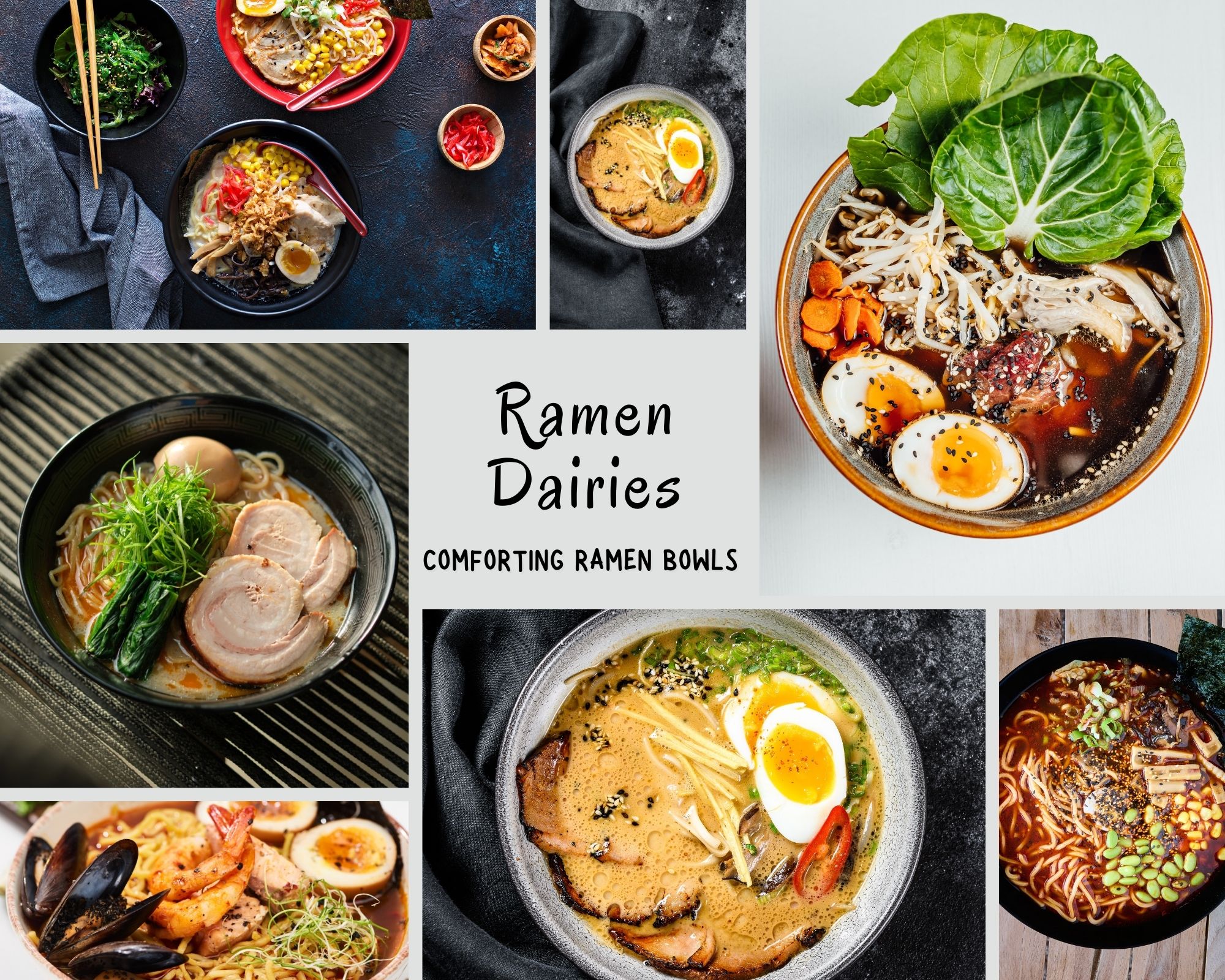
Food is always a comfort, and the reason ramen feels less like food and more like a warm companion is its soothing taste and wholesome ingredients. One bowl can comfort, calm, energise, or quietly sit with you when words fall short. From late-night anime scenes to tiny ramen-ya counters glowing under paper lanterns, ramen has become a global love language, deep, soulful, and endlessly adaptable with different types of Ramen.
So let's dive into the world of ramen, how to make it and where this bowl of comfort was invented.
Introducing Ramen: The Japanese National Favourite Bowl
Ramen is a Japanese noodle soup made with wheat noodles, a deeply flavoured broth (tonkotsu, shoyu, miso, shio), tare (seasoning base: soy, salt, miso), the aroma oil (sesame, scallion, chilli), and toppings (eggs, meat, vegetables, seaweed).
But culturally, it’s more than that; it’s an everyday ritual, a post-work indulgence, a midnight saviour, where every bowl is a balanced amalgamation of the ingredients, creating a culinary masterpiece.
The Origins of Ramen: Born Abroad and Splurged in Japanese History
You know the funny part of Japanese Ramen is that it did not originate in Japan. Its root traces back to China, where wheat noodles served in meat-based broths were common. In the late 19th century, Chinese immigrants brought these noodle soups to Japan.
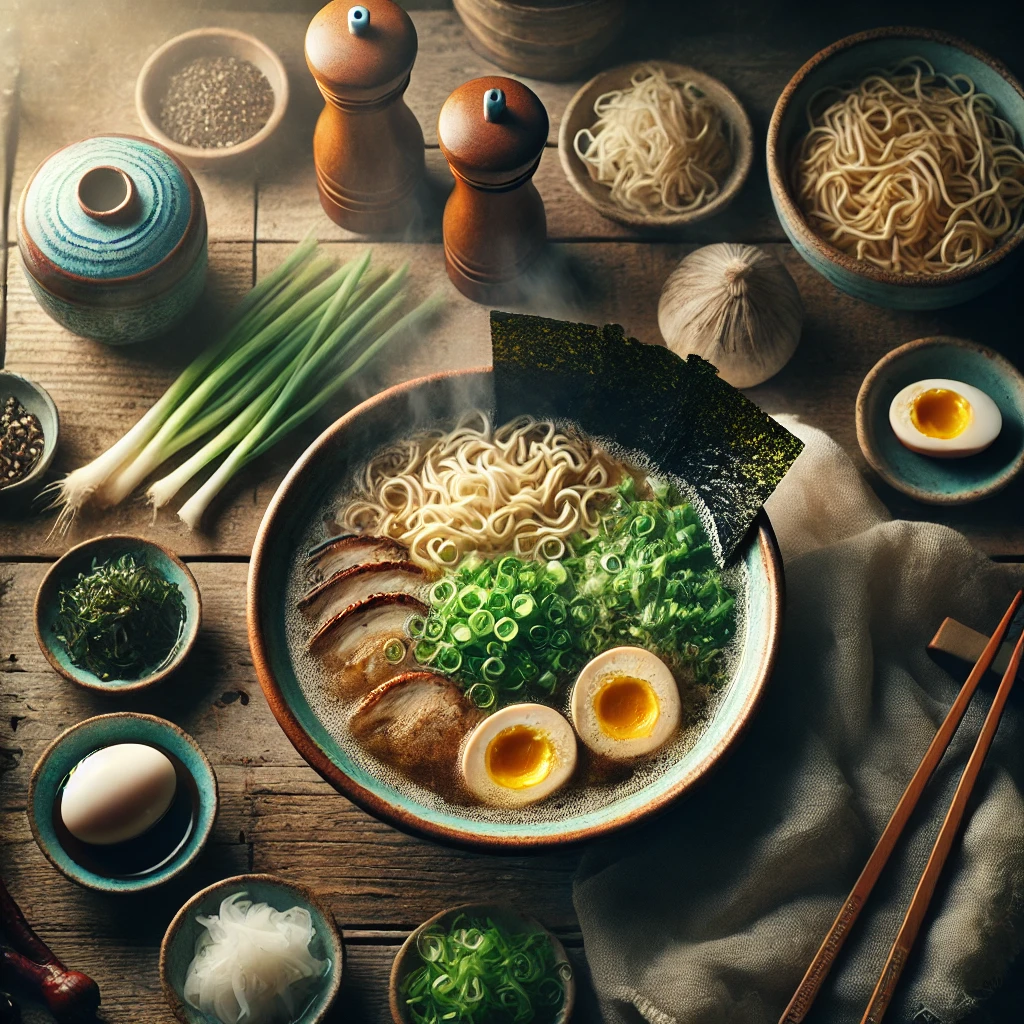
Previously, it was not widely consumed, but it became popular after World War II, when Japan faced a food shortage, and wheat flour became widely available, making noodles inexpensive and accessible, and street stalls made ramen accessible to the masses.
Over time, regions developed their own styles, turning ramen into a national obsession. By the time instant ramen was invented in 1958, ramen had cemented itself as both comfort food and cultural icon.
Slurp Therapy: Mood Food From Comfort to Celebration
Let’s start where ramen truly shines: matching the comforting ramen bowls to your mood.
The Comforting Tonkotsu Bowl
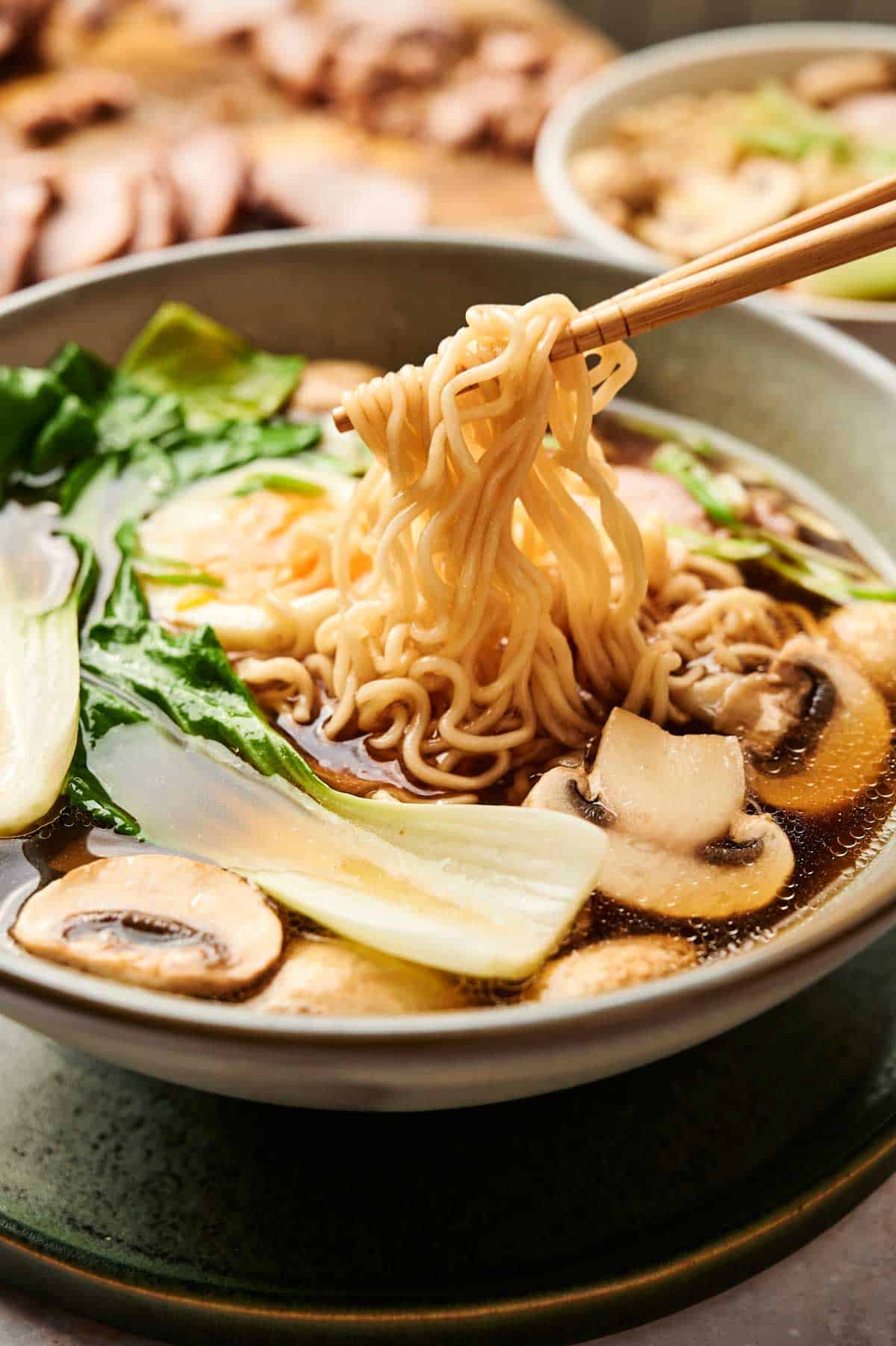
When you are sad, this rich and creamy ramen is deeply soothing; this is a hug in a broth. Tonkotsu’s ramen is a slow-simmered pork bone broth, collagen-rich and velvety, known for its comforting depth. It’s the kind of bowl Naruto slurps down after a hard day, quietly healing, bite by bite, and you can surely have it on a rainy evening, slowly savouring the taste.
Ingredients (Serves 2):
- Pork bones (1 kg)
- Water (to cover)
- Garlic (6 cloves)
- Ginger (2-inch piece)
- Ramen noodles
- Soft-boiled eggs
- Chashu pork (or slow-cooked pork belly)
- Spring onions
- Sesame oil
Method:
- Prepare the meat for broth by blanching pork bones for 10 minutes, and discard the water.
- Refill the pot, add fresh water, garlic, and ginger. Simmer 8–10 hours until milky.
- Strain broth, season with salt and a dash of sesame oil.
- Cook noodles separately.
- Assemble: Set the noodles in a bowl, pour the broth, add the pork, egg, and spring onions.
The Calming Shoyu & Veggie Ramen
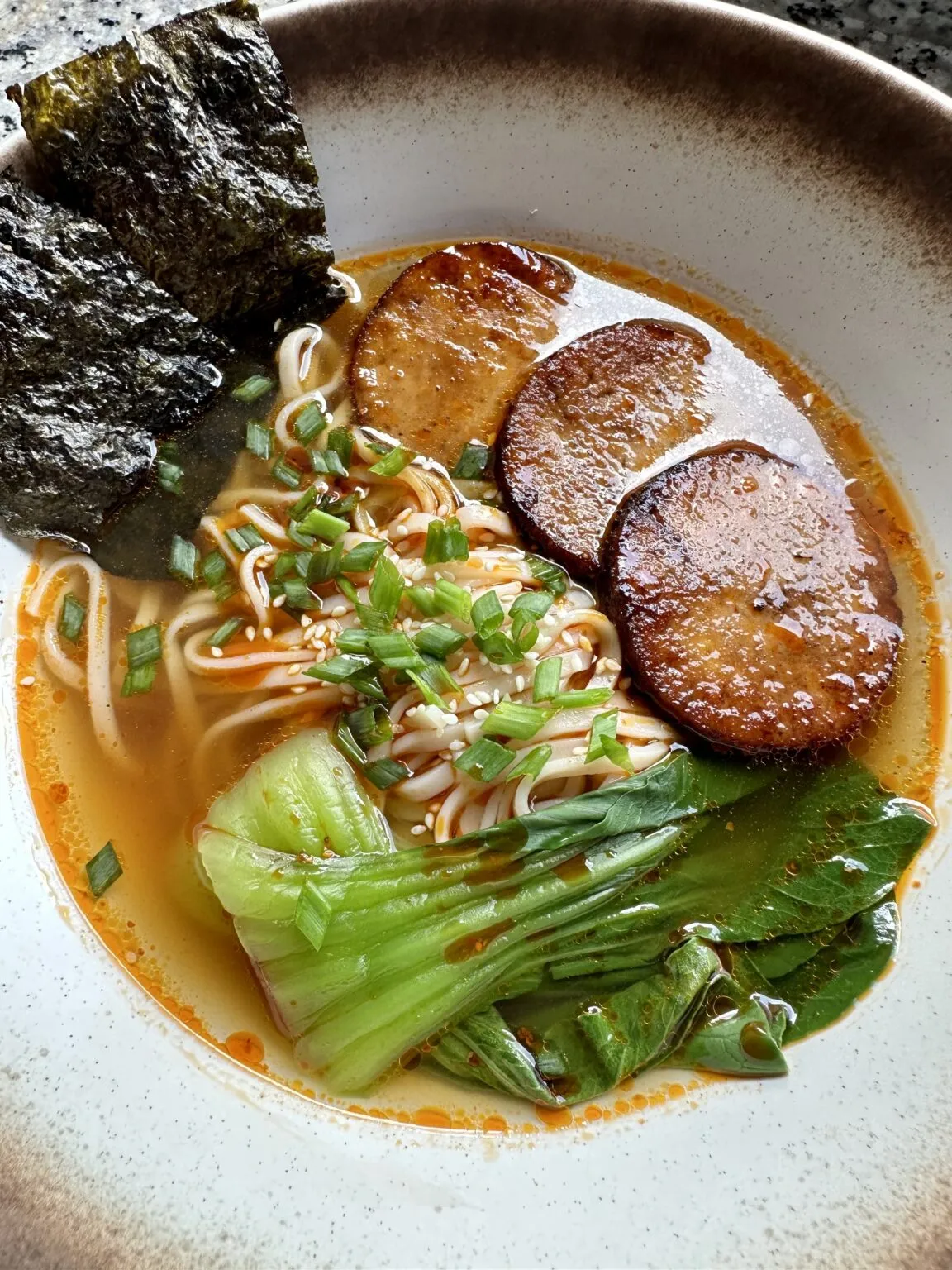
The light, balanced, and grounding ramen bowl, when you are anxious to restore equilibrium. Shoyu ramen is a soy-sauce-based, clear yet flavourful bowl of gentle umami, with plant-forward toppings, so inhale the steam, calming the nervous system like the quiet ramen moments in Your Name or Spirited Away.
Ingredients (Serves 2):
- Vegetable stock (4 cups)
- Soy sauce (2–3 tbsp)
- Garlic (2 cloves, crushed)
- Ginger (1 tsp grated)
- Ramen noodles
- Mushrooms (shiitake preferred)
- Spinach or bok choy
- Corn kernels
- Sesame seeds
Method:
- For the broth, heat the stock with garlic and ginger; simmer 10 minutes.
- Add soy sauce, adjust to taste.
- Sauté mushrooms lightly. Shiitake mushrooms need to be soaked for 5-10 mins before preparing
- Cook noodles separately.
- Assemble: Set noodles in the bowl, pour the broth, add mushrooms with greens and corn.
The Heartful Miso Butter Ramen
Bold, indulgent, and joyful, bowl to celebrate your good days. Miso brings fermented depth, butter adds richness, and the whole bowl feels playful and satisfying like festival scenes in Food Wars! or celebratory ramen after a win, best shared with loud slurps.
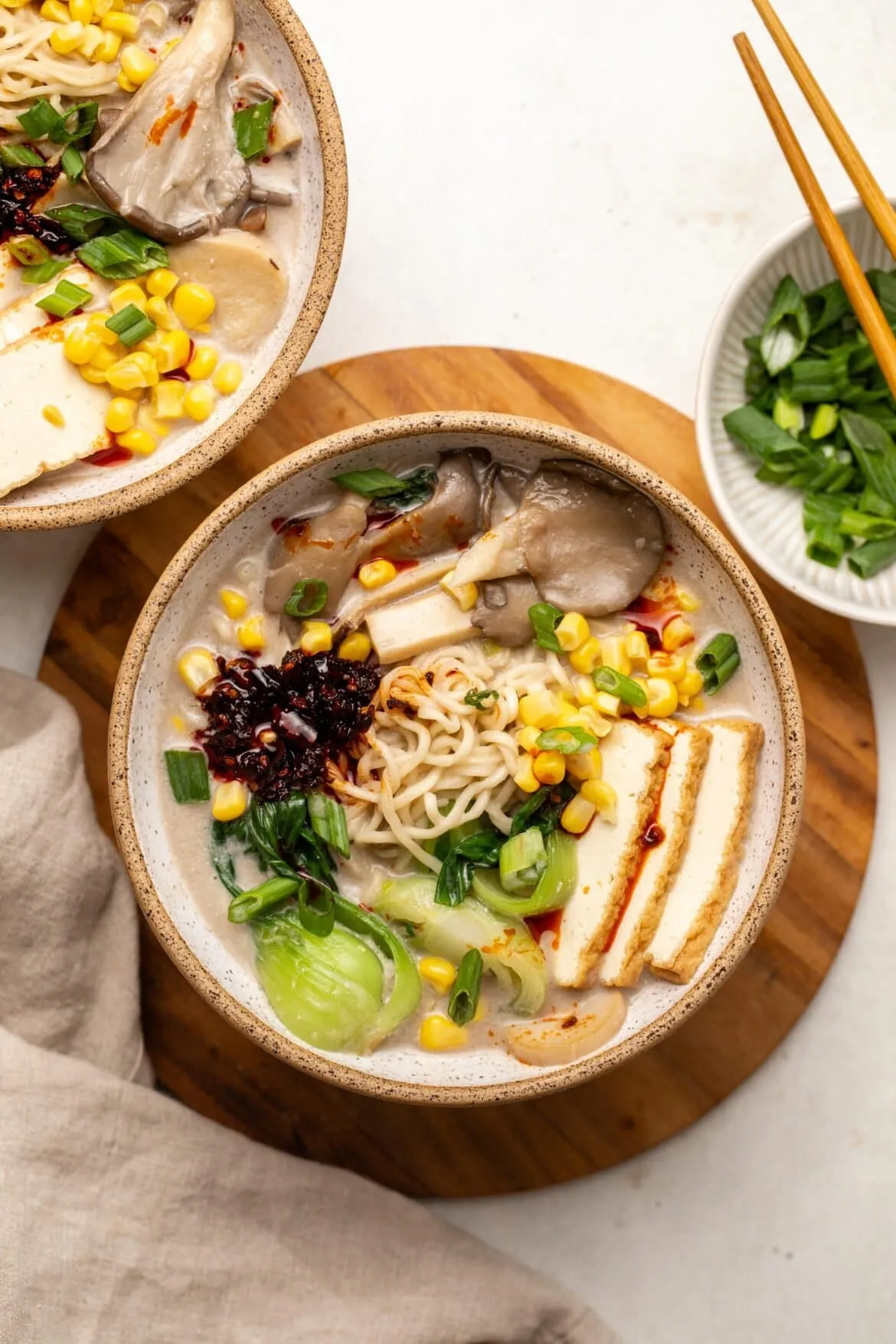
Ingredients (Serves 2):
- Chicken or veg stock (4 cups)
- White or yellow miso paste (2 tbsp)
- Butter (1 tbsp)
- Ramen noodles
- Sweet corn
- Baby corn or bamboo shoots
- Jammy eggs (boiled hard on the outside and soft on the inside)
- Nori sheets
Method:
- For broth, heat the stock and whisk in miso gently (don’t boil), let it settle subtly
- Stir in butter in broth for richness.
- Cook noodles separately.
- Assemble: Set noodles in the bowl, pour the broth and top generously with corn, bamboo shoots, egg prepared and nori.
The Uplifting Spicy Shoyu Ramen
This fiery, energising, and impossible to ignore, this bowl wakes you up when you are demotivated or down. When you need momentum, not comfort, this spicy ramen bowl calms your cravings. Spice stimulates dopamine, warmth boosts circulation, and bold flavours remind you that you’re still very much alive. Think late-night ramen scenes in Tokyo Ghoul, intense, grounding, transformative.
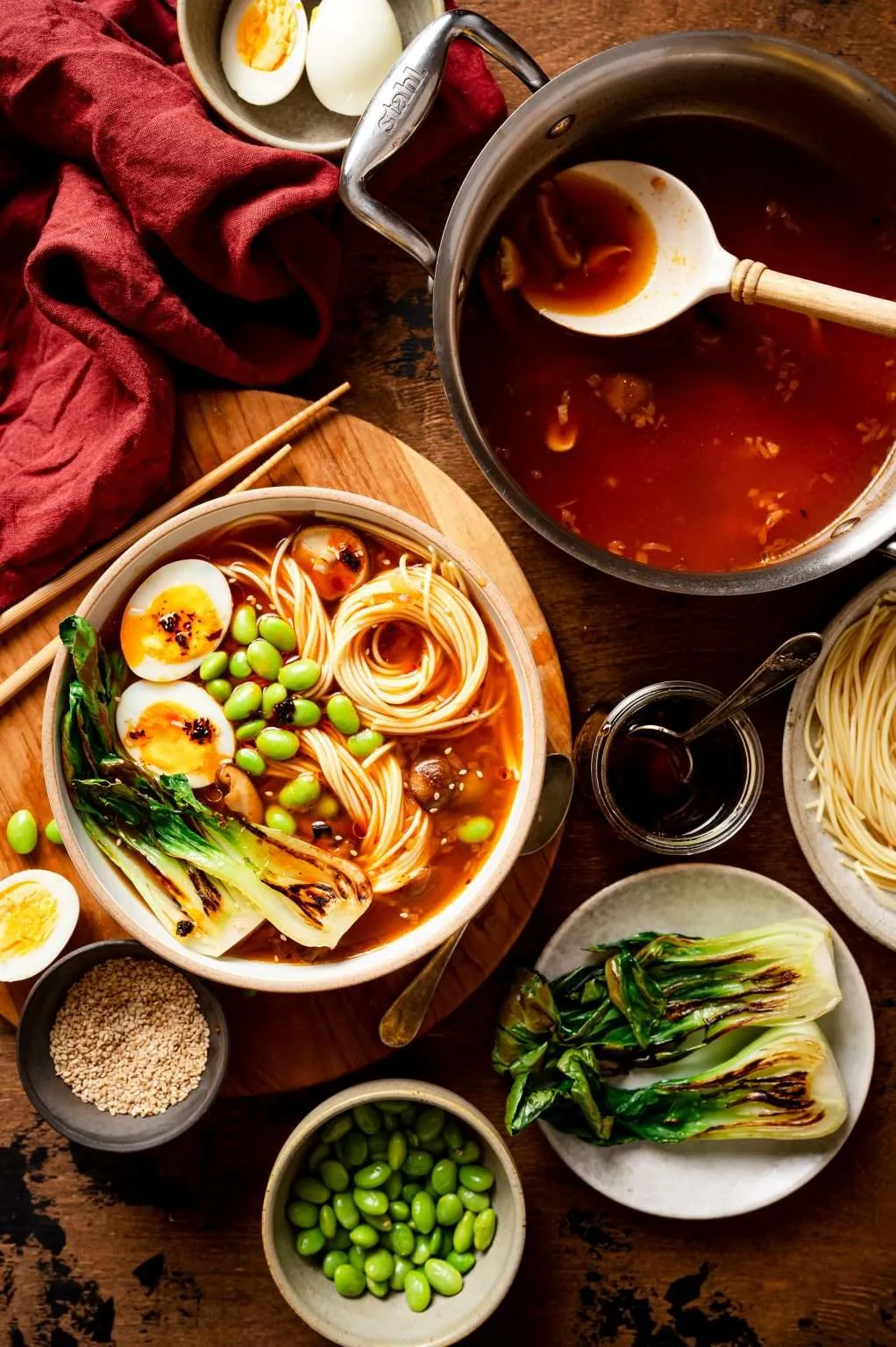
Ingredients (Serves 2):
- Chicken stock (4 cups)
- Soy sauce (2 tbsp)
- Chilli oil (1–2 tbsp)
- Garlic (3 cloves)
- Gochujang or chilli paste (1 tbsp)
- Ramen noodles
- Bean sprouts
- Spring onions
- Soft-boiled eggs
Method:
- For broth, simmer stock with garlic and chilli paste or Gochujang.
- For umami taste, add soy sauce and chilli oil, adding more spice.
- Cook noodles separately.
- Assemble: Set noodles in the bowl, pour the broth, and flavour it with crunchy bean sprouts, spring onion and eggs.
People Are Curious About:
Which is the best ramen for cold weather?
Ans) Tonkotsu ramen is ideal for cold weather. Its rich, slow-simmered pork bone broth is creamy, deeply savoury, and extremely warming, making it perfect for chilly days when you want comfort and nourishment in one hearty bowl.
Which Ramen is the lightest and most favourable for summer?
Ans) Shio ramen is the lightest and most summer-friendly option. Made with a clear, salt-based broth, it feels clean, refreshing, and easy on the stomach, especially when topped with light proteins and fresh vegetables.
Is it ok to consume Rames during weight loss?
Ans) Yes, ramen can be enjoyed during weight loss if eaten mindfully. Opt for lighter broths like shio or shoyu, add vegetables and lean protein, control portion sizes, and avoid excessive oils or fatty toppings.
What is Naruto Ramen called?
Ans) The ramen famously associated with Naruto is miso ramen, typically topped with narutomaki (fish cake with a pink swirl), inspired by the ramen served at Ichiraku Ramen in the anime series.
Which Ramen is not spicy?
Ans) Shio ramen and traditional shoyu ramen are usually not spicy. These broths focus on umami and balance rather than heat, making them ideal for those who prefer mild, flavourful bowls.
The Rise of Ramen: From Street Bowls to Global Soul Food
Ramen’s global rise isn’t accidental. It thrives because it’s endlessly customisable, with many different types of Ramen available, and fitting every budget and mood. Another factor would be the digital exposure where Anime and pop culture romanticised it; it’s deeply comforting yet exciting, not wrong it is comforting.
From Naruto’s favourite Ichiraku Ramen to quiet anime nights and viral food reels, ramen has become emotional food, something people turn to when they need grounding.
Final Slurp
Ramen isn’t just something you eat, it’s something you feel. Whether you’re sad, anxious, happy, or searching for motivation, there’s a bowl waiting to meet you exactly where you are.
Because sometimes, healing doesn’t come in words. It comes in broth.
By P. Manika (Performist Content Writer)
