Preserving History: 5 Traditional Recipes Passed Down Through Generations
February 11, 2026

Food is more than mere sustenance; it is a living archive and a profound food tradition that connects us to our roots. Every time we knead dough or grind spices, we are participating in a ritual that stretches back centuries, ensuring each traditional food remains a vibrant part of our daily lives. These recipes are the "edible ghosts" of our ancestors, preserved not in museums, but in the steam of a kitchen as a cherished heritage food.
Passing down a recipe is an act of love and cultural preservation. This enduring food tradition ensures that even as the world changes, the flavours that defined civilizations—from the mountains of Lebanon to the bustling streets of Mexico—remain unchanged. Below, we explore five iconic examples of traditional food that have survived the test of time, carrying the soul of their heritage food into the modern kitchen to be savoured by new generations.
Food is more than mere sustenance; it is a living archive. Every time we knead dough or grind spices, we are participating in a ritual that stretches back centuries. These recipes are the "edible ghosts" of our ancestors, preserved not in museums, but in the steam of a kitchen.
Passing down a recipe is an act of love and cultural preservation. It ensures that even as the world changes, the flavors that defined civilizations—from the mountains of Lebanon to the bustling streets of Mexico—remain vibrant and unchanged.
Below, we explore five iconic dishes that have survived the test of time, carrying the soul of their heritage into the modern kitchen.
1. The Levantine Soul: Lebanese Tabbouleh
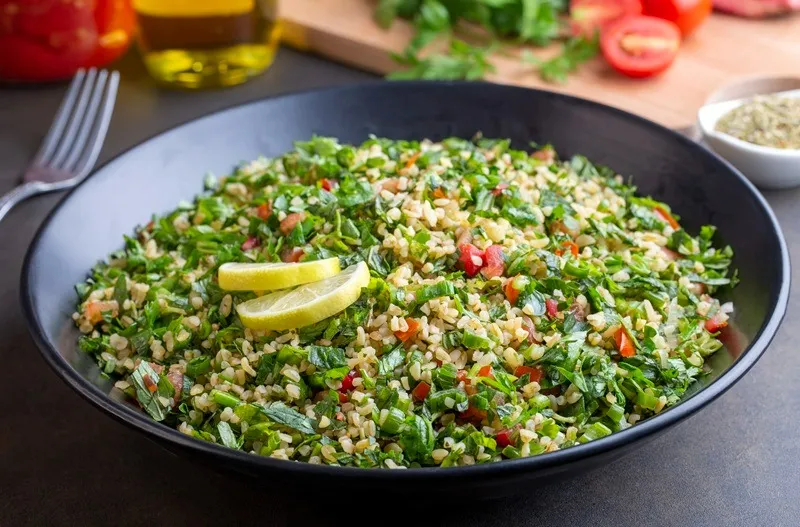
Tracing back over 4,000 years to the mountains of Lebanon and Syria, Tabbouleh was originally a key source of vitamins for the Phoenicians. It isn't just a salad; it is a symbol of hospitality. Traditionally, the quality of a household was judged by how finely the parsley was chopped—a skill passed from mother to daughter for millennia.
Category | Details |
Preparation Time | 25 Minutes |
Cooking Time | 0 Minutes |
Total Time | 25 Minutes |
Difficulty Level: Medium (Requires precise knife skills)
Servings: 4
Calories: 160 kcal per serving
Nutrition: High in Vitamin K, C, and Fiber.
Ingredients & Measurements:
2 bunches flat-leaf parsley (very finely minced)
1/3 cup fine bulgur (Substitute: Quinoa for gluten-free)
3 medium tomatoes (firm, finely diced)
1/2 cup fresh mint (finely chopped)
1/4 cup extra virgin olive oil
3 tbsp fresh lemon juice
1/2 tsp salt (to taste)
Method:
Soak bulgur in lemon juice until soft.
Pat parsley completely dry before chopping to avoid bruising.
Toss all ingredients gently in a wooden bowl.
Serve with romaine lettuce heart leaves as scoops.
2. The Fermented Legacy: Korean Kimchi
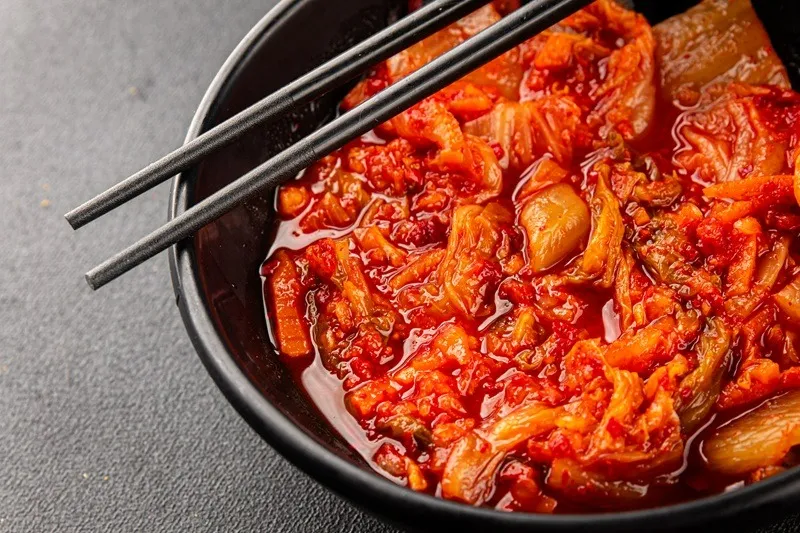
With roots dating back 3,000 years, Kimchi began as a way to preserve vegetables during Korea’s harsh winters. The tradition of Gimjang—the collective making and sharing of Kimchi—is so vital it is recognized by UNESCO. It represents the Korean spirit of "Jeong" (communal attachment).
Category | Details |
Preparation Time | 1 Hour (+ 12 hours salting) |
Cooking Time | 0 Minutes (Fermentation takes 2-5 days) |
Total Time | 13 Hours + Fermentation |
Difficulty Level: Hard
Servings: 1 large jar (approx. 10 servings)
Calories: 25 kcal per serving
Nutrition: Probiotics, Vitamin A, B, and C.
Ingredients & Measurements:
1 large Napa cabbage
1/2 cup sea salt
1 tbsp grated ginger
5 cloves garlic (minced)
1/2 cup Gochugaru (Korean chili flakes)
2 tbsp fish sauce (Substitute: Soy sauce for vegan version)
1 bunch scallions (cut into 2-inch pieces)
Method:
Salt the cabbage leaves and let sit for 12 hours until wilted; rinse thoroughly.
Mix garlic, ginger, sugar, fish sauce, and Gochugaru into a paste.
Rub the paste into every cabbage leaf.
Pack tightly into a glass jar and ferment at room temperature for 48 hours.
3. The Silk Road Treasure: Chinese Dumplings (Jiaozi)
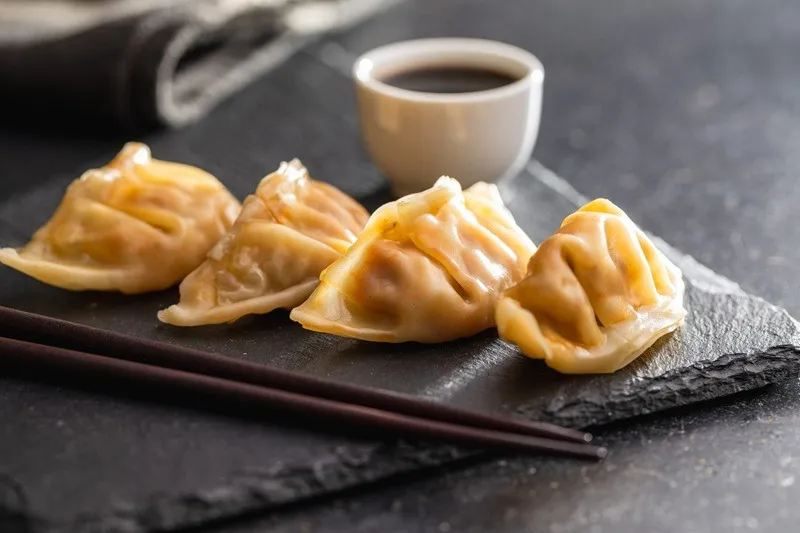
The tradition of the Jiaozi dates back to the Han Dynasty (3rd Century), credited to the physician Zhang Zhongjing. Originally created to cure frostbitten ears by wrapping medicinal herbs in dough, they evolved into a symbol of wealth because their shape resembles ancient silver ingots. Today, families gather to wrap them every Lunar New Year.
Category | Details |
Preparation Time | 45 Minutes |
Cooking Time | 10 Minutes |
Total Time | 55 Minutes |
Difficulty Level: Medium
Servings: 4 (approx. 24 dumplings)
Calories: 280 kcal per serving
Nutrition: Balanced protein and carbohydrates.
Ingredients & Measurements:
1 lb ground pork or chicken (Substitute: Minced mushrooms and tofu)
2 cups Napa cabbage (finely shredded)
1 pack circular dumpling wrappers
2 tbsp soy sauce
1 tbsp sesame oil
1 tsp grated ginger
Method:
Squeeze excess water out of the cabbage.
Mix meat, cabbage, soy sauce, oil, and ginger.
Place 1 tbsp of filling in the center of the wrapper.
Moisten edges and pleat to seal.
Boil in water for 5-7 minutes or pan-fry until golden.
4. The Artisan’s Craft: Italian Egg Pasta
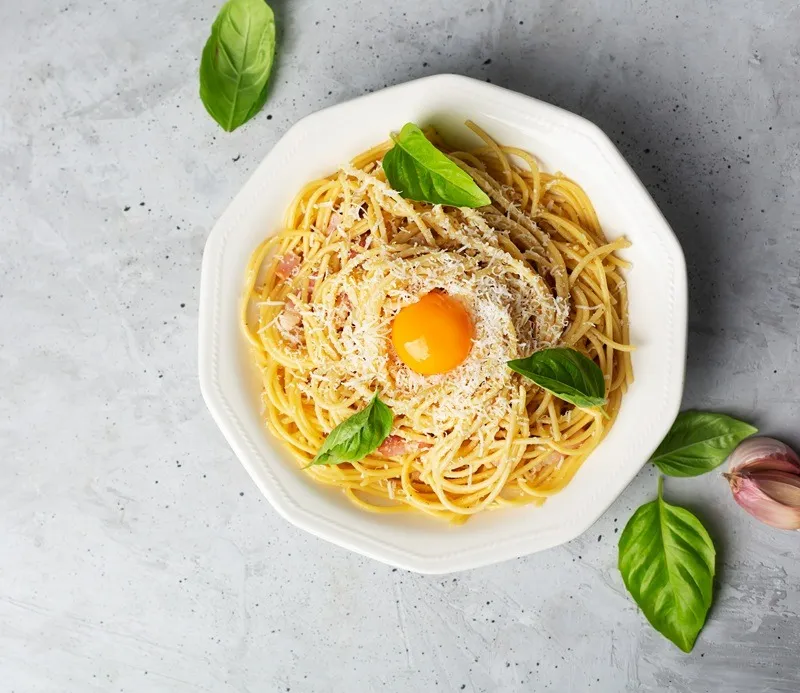
While dried pasta has ancient roots, the "Pasta Fresca" (fresh egg pasta) of Northern Italy became a refined culinary art during the Middle Ages. Passed down through the "Sfogline" (traditional pasta makers), the secret lies in the ratio of "one egg per 100g of flour," a mantra whispered in Italian kitchens for centuries.
Category | Details |
Preparation Time | 30 Minutes (+ 30 mins resting) |
Cooking Time | 3 Minutes |
Total Time | 1 Hour 3 Minutes |
Difficulty Level: Medium
Servings: 4
Calories: 350 kcal per serving
Nutrition: High protein and complex carbs.
Ingredients & Measurements:
400g "00" Flour (Substitute: All-purpose flour)
4 large eggs (room temperature)
Pinch of salt
Method:
Create a flour mound with a "well" in the center.
Crack eggs into the well and beat gently with a fork.
Incorporate flour slowly until a shaggy dough forms.
Knead by hand for 10 minutes until smooth and elastic.
Rest for 30 minutes, then roll thin and cut into ribbons.
5. The Street Classic: Mexican Tacos (Al Pastor Style)
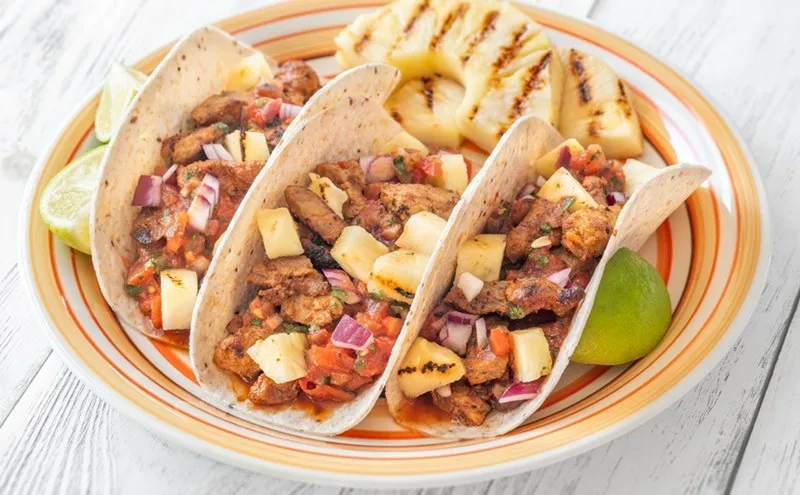
While the taco itself dates back to pre-Hispanic times, the "Al Pastor" style emerged in the 18th and 19th centuries via Lebanese immigrants to Mexico. This fusion of Middle Eastern spit-roasting techniques with Mexican chilies and pineapple represents the evolving nature of heritage—how cultures blend to create something legendary.
Category | Details |
Preparation Time | 30 Minutes (+ marinating) |
Cooking Time | 15 Minutes |
Total Time | 45 Minutes |
Difficulty Level: Easy
Servings: 6
Calories: 210 kcal per taco
Nutrition: High protein, Vitamin C from pineapple.
Ingredients & Measurements:
1 lb pork shoulder (thinly sliced)
3 Dried Guajillo chilies (Substitute: 1 tbsp chili powder + 1 tsp smoked paprika)
1/2 cup pineapple juice
12 corn tortillas
1 cup fresh pineapple (diced)
Fresh cilantro and onion for garnish
Method:
Rehydrate chilies and blend with pineapple juice and spices to make a marinade.
Marinate pork for at least 4 hours.
Sear pork in a very hot skillet until charred at the edges.
Serve on warmed tortillas topped with raw onion, cilantro, and a slice of pineapple.
Conclusion
These five recipes—Lebanese Tabbouleh, Korean Kimchi, Chinese Dumplings, Italian Pasta, and Mexican Tacos—are more than just meals; they are cultural blueprints. Each dish tells a story of survival, migration, and the enduring power of family. By bringing these authentic flavors into your own kitchen, you aren't just cooking; you are keeping history alive.
Don't let these traditions fade! Pick one recipe this weekend and invite a friend or family member to help you prepare it.
Which of these heritage dishes is a staple in your home?
FAQS
1. What exactly defines a dish as a food tradition?
Ans) A food tradition is more than just a popular recipe; it is a culinary practice passed down through at least three generations. It usually involves specific techniques, local ingredients, and a connection to a specific cultural identity or celebration that reinforces a sense of belonging.
2. Is Kimchi considered a heritage food if I buy it at the store?
Ans) While store-bought Kimchi provides the flavor, the heritage food aspect truly lives in the process of Gimjang—the communal act of making it. To truly experience the heritage, try making a batch at home using the traditional fermentation methods passed down for 3,000 years.
3. Does traditional food have better nutritional value than modern recipes?
Ans) Often, yes. Many traditional food items rely on natural preservation (like fermentation in Kimchi) or whole grains (like bulgur in Tabbouleh). These methods were designed to maximize shelf-life and nutrient density long before chemical preservatives existed.
4. Why do many heritage food recipes, like Chinese Dumplings, have symbolic meanings?
Ans) In many cultures, heritage food served as a visual language. Dumplings were shaped like gold ingots to represent wealth, while long noodles represent a long life. These symbols helped illiterate or disparate populations maintain shared values through their meals.
5. What is the difference between "authentic" and "traditional" food?
Ans) "Authentic" refers to how close a dish is to its origin in a specific time and place. Traditional food, however, focuses on the transmission of the recipe. A dish can be traditional to your specific family even if it has been slightly modified from the "authentic" national version.
6. How did migration affect the food tradition of the Mexican Taco?
Ans) The Taco Al Pastor is a perfect example of how a food tradition evolves through migration. It combined the Lebanese technique of vertical spit-roasting with Mexican spices. This proves that heritage is not stagnant; it grows as people move across the globe.
7. How can I teach my children to appreciate heritage food?
Ans) The best way to pass on a food tradition is through "sensory storytelling." Let children touch the dough, smell the spices, and tell them stories about the people who made these dishes before them. Making it an interactive, fun experience ensures the chain remains unbroken.
By Chithra Sooraj (Content Contributor)
