One-Pot Magic: Kung-Pao Rice Bowl For Your Quick Meal Night
November 04, 2025
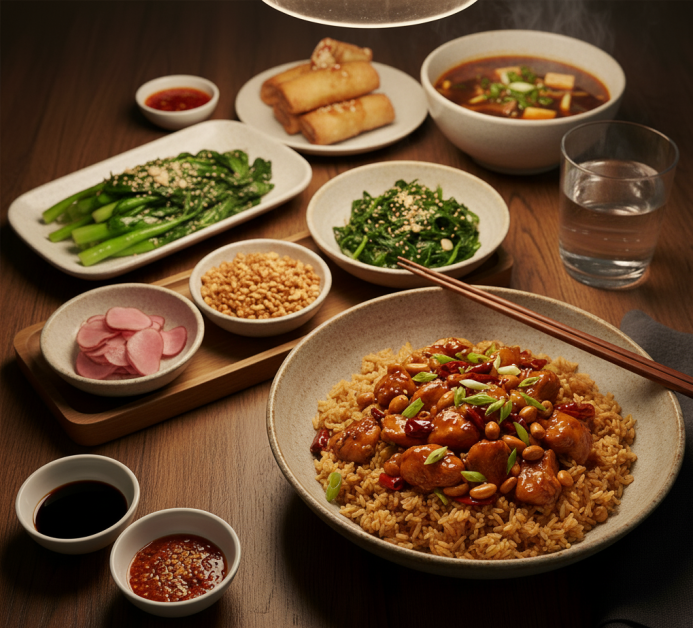
When hunger strikes, cooking feels like a task, but for such meals, this one-pot wonder swoops in like the weeknight wizard. One toss here, another stir there, and your quick one-pot Kung-Pao Rice Bowl is ready. Be it a dinner night, gathering, any party, or your easy-cook mood, Chinese cuisine is perfect for a quick and fulfilling meal spread without any hassle. Today, we will learn how to make a comforting and mood-lifting one of my favorite quick Kung-Pao Chicken at home. Well, to tell you a secret, I make a veg version most of the time, being a paneer fan, but the Chicken Kung Pao is a dish you must try. Before that, let’s have a quick look at why and how I like it more
Exploring The Essence of Kung Pao Recipes:
For one, Kung Pao is made with a special blend of sauces, giving it the perfect harmony of flavors and textures. It is an amalgamation of spicy, sweet, tangy, and savory in every bite. And two, I can substitute the base protein or ingredient, but the taste remains the same, owing to the sauce mix. Originating from Sichuan, China, it’s known for its signature heat from dried chilies and the numbing tingle of Sichuan peppercorns, balanced by a glossy, caramelized sauce. And with certain ingredients added, it becomes a flavor philosophy, capturing the art of wok cooking: quick, fiery, and perfectly balanced.
Now, to truly indulge, let’s learn how to cook up the meal-time magic with the kung pao recipe at home, and for vegetarians and vegans, adding in the options they can use and prep for
How to Make Kung Pao Chicken Rice Bowl One-Pot Style at Home?
Ingredients (Serves: 3–4)
For the Chicken Marinade
Boneless chicken (500 g breast or thighs, cut into bite-sized cubes/ Paneer or Tofu for vegetarian and Vegan versions)
1 tbsp soy sauce
1 tsp rice vinegar (or white vinegar)
1 tsp cornstarch
½ tsp sesame oil
¼ tsp white pepper
For the Stir-Fry Sauce
2 tbsp light soy sauce
1 tbsp dark soy sauce
1½ tbsp rice vinegar
1½ tbsp hoisin sauce
1 tbsp chili garlic sauce (or Sriracha for a twist)
1½ tsp sugar or honey
1 tsp cornstarch
¼ cup water or chicken broth
For the Dish
2 tbsp vegetable or peanut oil
3–4 dried red chilies (broken)
1 tbsp Sichuan peppercorns (optional for authentic heat)
1 medium onion, diced
1 bell pepper (any color), diced
2 cloves garlic, minced
1 tsp grated ginger
½ cup roasted peanuts or cashews
1 cup jasmine rice or basmati rice (uncooked, rinsed)
2 cups chicken broth or water
Salt to taste
Spring onions for garnish
Method:
Marinate the Chicken
In a bowl, combine the chicken pieces with soy sauce, vinegar, cornstarch, sesame oil, and white pepper. Mix well and let it rest for 15–20 minutes. This ensures tender, flavorful chicken.
If you have taken tofu or paneer, select a firm, non-crumbly one and cut it into cubes, and marinate it
Prepare the Sauce
In a small bowl, whisk together light and dark soy sauce, rice vinegar, hoisin sauce, chili garlic sauce, sugar, cornstarch, and water. Set aside, this sauce is the key ingredient that brings the perfect Kung Pao balance of sweet, spicy, and tangy.
You can even make a batch of kung pao sauce and store it, or get it from the market. You get one readymade nowadays, it can come in handy while making quick meals
Sear the Chicken
Heat 1 tablespoon of oil in a large pan or wok. Add the marinated chicken and stir-fry until golden brown and half-cooked; it takes about 4–5 minutes. Remove and keep aside.
Build the Flavor Base
In the same pan, add the remaining oil. Toss in dried chilies and Sichuan peppercorns. Let them sizzle for 30 seconds to release aroma. Add garlic, ginger, onions, and bell peppers. Stir-fry for 2 minutes until they slightly soften.
Rice and Broth and Final Assembly
Add the rinsed rice to the pan, stir gently with the veggies, and pour in chicken broth or water. Bring it to a boil, then lower the heat and let it simmer.
Return the cooked chicken to the pot. Pour in the prepared Kung Pao sauce. Stir well so the rice, chicken, and vegetables are evenly coated. Cover and cook on low heat for 15–18 minutes, until rice is fluffy and the sauce is thoroughly absorbed in rice, veggies, and chicken.
Add Crunch & Finish
Once the rice is cooked, toss in roasted peanuts or cashews. Mix lightly. Adjust seasoning if needed. Garnish with chopped spring onions. Add chili oil drizzle before serving hot straight from the pot, each spoonful bursting with bold umami flavors, tender chicken, soft rice, and nutty crunch. Pair it with a light cucumber salad or Chinese-style chili vinegar for a complete meal.
So this is a detailed step-by-step recipe for a quick Kung-Pao Chicken Rice Bowl at home. With a few prep beforehand, this meal is easy to make and hefty to serve. Do try, and if you are an authentic Chinese recipe fan, this would surely strike the flavor note. Until next time, keep indulging and keep cooking up a storm.
FAQs:
1. What does Kung Pao sauce taste like?
Ans) Kung Pao sauce is a bold mix of sweet, spicy, tangy, and savory flavors. It balances soy sauce, vinegar, sugar, and chili heat with a hint of garlic and sesame. The peanuts add a nutty crunch, while the sauce itself has a glossy, caramelized depth that clings beautifully to chicken or veggies.
2. Which Chinese food sauce is healthier?
Ans) Among Chinese sauces, light soy sauce, oyster sauce, and hoisin can all be part of a healthy meal when used moderately. However, Kung Pao sauce made at home with less sugar and oil is often healthier than takeout versions. It’s rich in flavor yet lower in sodium and fat when freshly prepared.
3. Is Kung-Pao Chicken Rice healthy?
Ans) Yes, when made thoughtfully, Kung Pao Chicken Rice is a balanced and wholesome dish. It includes lean protein from chicken, healthy fats from peanuts, and fiber-rich vegetables. Using brown rice, low-sodium soy sauce, and minimal oil makes it even healthier — a complete meal that’s filling, energizing, and packed with bold Chinese flavors.
4. Is Kung-Pao Chicken Chinese or Japanese?
Ans) Kung Pao Chicken is authentically Chinese, originating from Sichuan Province. It’s named after Ding Baozhen, a Qing Dynasty official titled “Gong Bao,” meaning “palace guardian.” The dish became popular worldwide for its spicy, sweet, and nutty taste, though milder Western variations have evolved from the traditional Sichuan version.
5. Can you buy Kung-Pao sauce?
Ans) Yes, Kung Pao sauce is widely available in stores and online, often sold in bottled or packet form. Brands like Lee Kum Kee and Kikkoman offer ready-to-use versions. However, homemade sauce tastes fresher and allows you to adjust spice, sweetness, and salt levels to your liking, keeping it authentic and balanced.
6. What does Kung-Pao actually mean?
Ans) “Kung Pao (Gong Bao)” literally means “Palace Guardian,” referring to Ding Baozhen, a Qing Dynasty official honored with the title “Gong Bao.” The dish was named after him to commemorate his love for this spicy chicken stir-fry. So, Kung Pao isn’t just a flavor — it’s a tribute to Chinese culinary history.
7. What dishes pair well with Kung-Pao?
Ans) Kung Pao pairs beautifully with steamed jasmine rice, egg fried rice, or garlic noodles. For sides, try stir-fried greens like bok choy or Chinese broccoli, spring rolls, or hot and sour soup. Its bold flavors complement mild dishes, creating a satisfying, balanced Chinese meal full of texture and aroma.
– P. Manika (Performist Content Writer)
