One Nation, Endless Cups: A Brew Steeped in History and Emotion
June 09, 2026
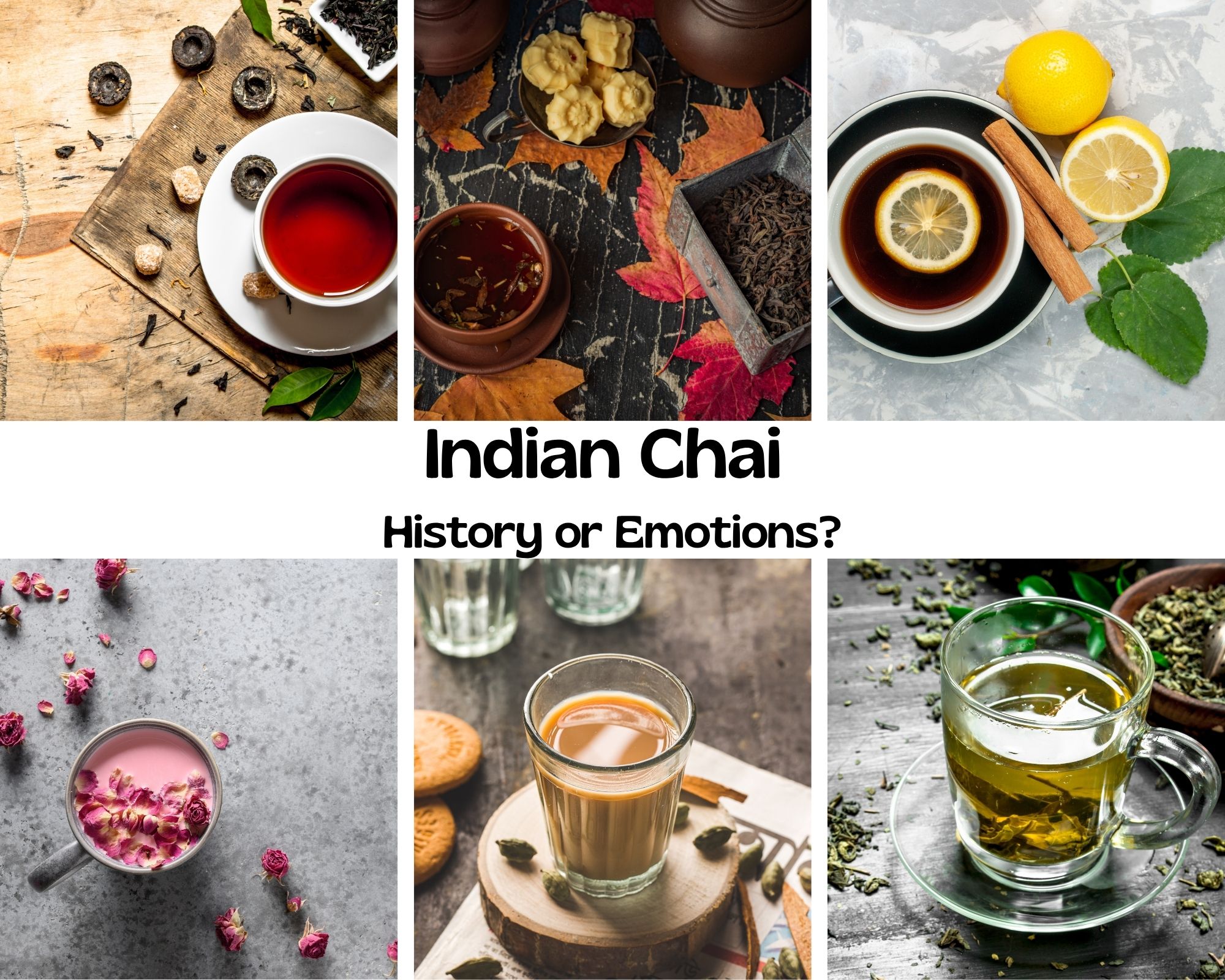
Tea is one of the most consumed beverages in the world, enjoyed across continents in countless forms. From China's ancient tea ceremonies and Japan's matcha traditions to Britain's afternoon tea culture with Earl Grey tea, this beverage has transcended geography to become a global ritual.
And surprisingly, India today ranks among the world's largest producers and consumers of tea, where consuming tea was never a culture; today it's more of an emotion than a beverage. Walk through any Indian city, village, railway station, office, or marketplace, and you will find tea at the center of daily life. It accompanies morning newspapers, office breaks, family conversations, celebrations, heartbreaks, and late-night discussions. In fact, whenever I travel through India, there is not a single place devoid of Chai; be it an early-morning train or a late-night train, tea is readily available. Yet this seemingly timeless tradition is not as ancient as many assume.
That is strange for a country so deeply associated with chai; India is not the birthplace of tea. In fact, for a nation that now has six different teas featured among the world's top-rated teas on TasteAtlas's Top 100 Tea List, the story of how chai became India's emotional beverage is far more fascinating than most people realize.
So, how is a tea not native to the land so popular? Why is this non-traditional beverage so popular among the timeless classic grandma recipes? Today, let’s explore this irony hidden within this relationship.
The History of Tea in India: From Plantations to Chai Stalls
Historically, India was not a land of tea; ancient India had varied beverages like Buttermilk, Kanji, Sattu drinks, Lime sherbets, Herbal infusions, and Seasonal cooling beverages. And Chai, or tea, was intricately related to Chinese traditions, and they held a near-monopoly over tea production and trade. Tea became enormously popular in Europe during the 17th and 18th centuries, particularly in Britain. British traders developed a growing appetite for tea, but dependence on the Chinese supply made the trade expensive and strategically difficult. There is a whole history of how Britishers obtained a trade pass for tea from China, yet it was not enough for them.
Seeking an alternative source, the British began exploring cultivation opportunities within their colonies. Then came a discovery that would change India's culinary landscape forever. Wild tea varieties were found growing in the Assam region. Though local communities had long used tea plants, commercial cultivation had not yet been developed on a large scale. Recognizing the opportunity, the British established tea plantations in Assam and later in Darjeeling.

The East India Company aggressively promoted tea cultivation, transforming India into one of the world's largest tea-producing regions. What began as a colonial agricultural project eventually became an inseparable part of Indian identity.
From Tea to Chai: How Indians Redefined The Drink As Their Own
While the British introduced tea cultivation, there was a problem: the tea that grew in China was more flavourful and on the sweeter side compared to the variety grown in India, which was not so flavourful and bitter.
It was not accepted back in Britain, so they started selling free samples in Indian railway stations and other crowded places with working people. It was promoted as a luxury beverage with samples and methods of making, but with the bitter taste, Indians could hardly consume it, so they transformed tea into chai. Indian palates were already accustomed to bold flavors, sweetness, spices, and aromatic ingredients. And with time, it became a part of Indian culture, lifestyle, and a boon to the working class; it is easily the recipes you can double, and with milk it became fulfilling for the time and a quick refreshing boost with caffeine it had.
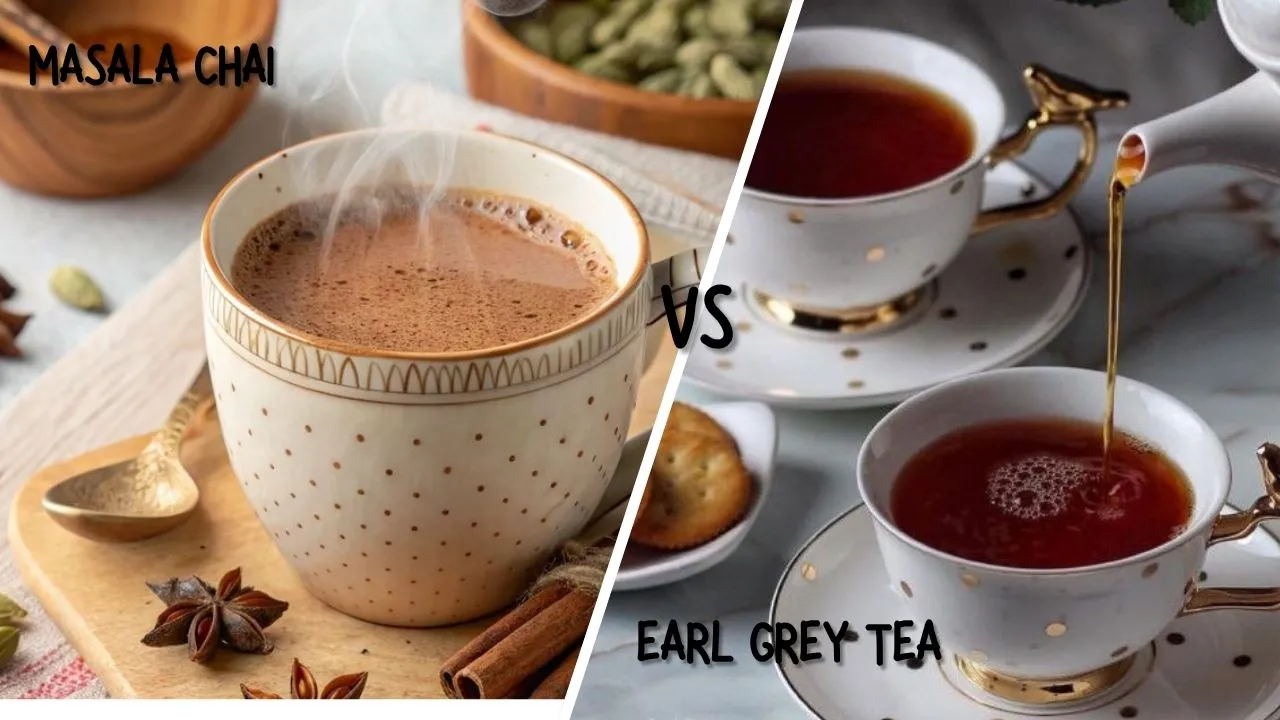
Rather than adopting British-style black tea, Indians reinvented it. The traditional and raw beverage, milk, was added; sugar became essential to cut the heavy, bitter taste. To enhance the flavours, spices entered the brew: ginger, cardamom, cloves, pepper, fennel, cinnamon, and countless regional ingredients found their way into teacups. The result was something entirely different from its colonial predecessor. Hence, Chai became an Indian beverage promoted through colonization and accepted as the nation's own over time.
Over time, regional variations emerged, namely: Masala Chai, Adrak Chai, Elaichi Chai, Kashmiri Noon Chai, Sulaimani Chai, Darjeeling Tea, Assam Tea, Kangra Tea. Today, many of these teas enjoy international recognition. Let's explore six iconic Indian teas that have earned global acclaim.
Classic Indian Chai Recipes:
Masala Chai
The tea most synonymous with India, the heart of many Indian households, and a cure for headache and heartbreak altogether, mostly consumed in India during winters.
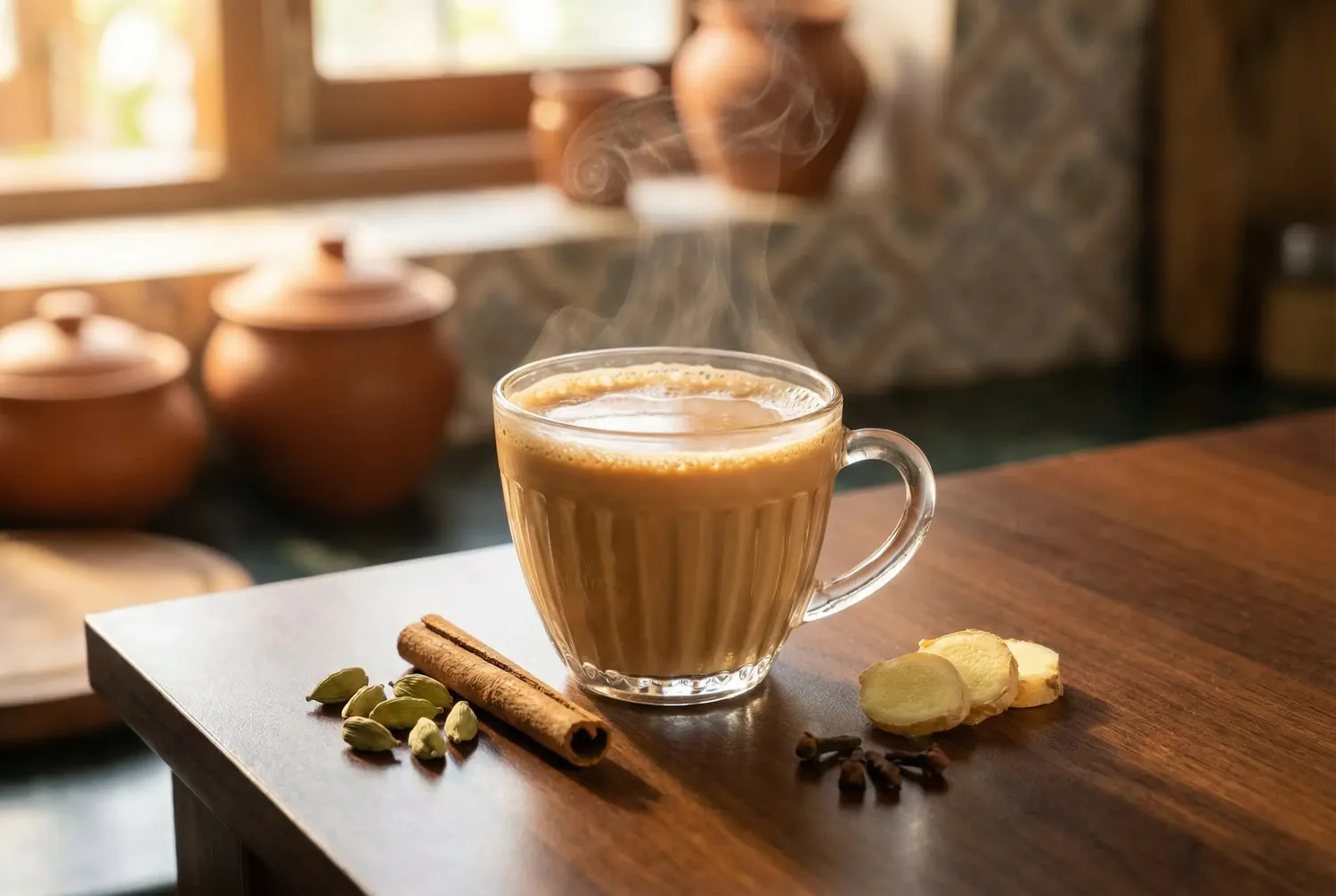
Ingredients:
- 2 cups water
- 1 cup milk
- 2 tsp Assam tea leaves
- 2 green cardamom pods
- ½ inch ginger
- 1 small cinnamon stick
- 2 cloves
- Sugar to taste
Method:
- The key to any Indian chai is first integrating spices, then adding tea, so start by boiling the water with ginger and spices.
- Add tea leaves and simmer for 2 minutes.
- Add milk and sugar.
- Simmer until rich and aromatic.
- Strain and serve the bold, creamy, spicy, warming, and comforting tea.
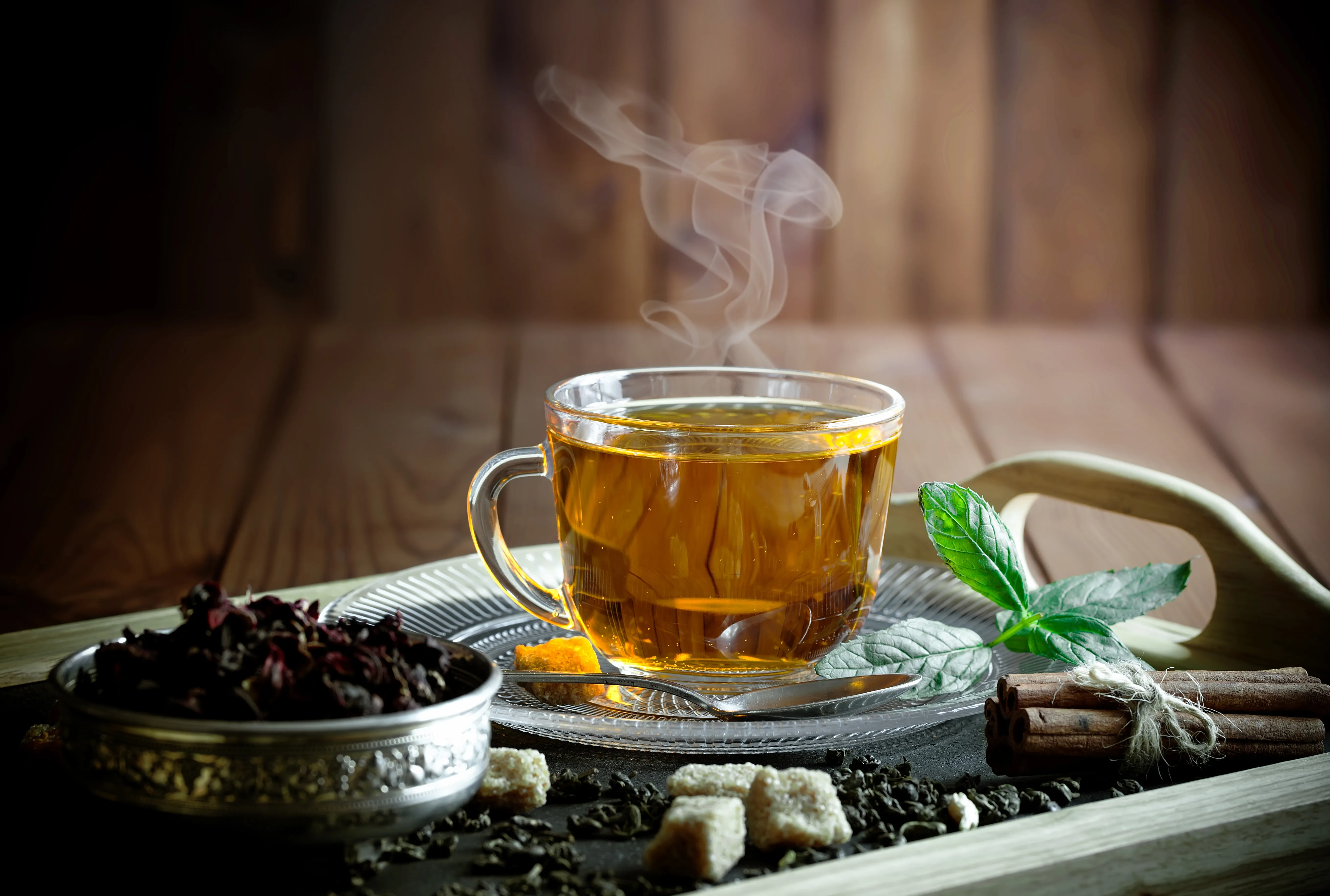
Darjeeling Tea
It is also known as the "Champagne of Teas." Grown in the mist-covered hills of West Bengal, Darjeeling tea is prized for its delicate floral aroma and muscatel notes. The Darjeeling tea is light, floral, fruity, and elegant; it is subtly sweet, so it doesn't need sweetener or milk.
Ingredients:
- 1 tsp Darjeeling tea leaves
- 1 cup water
Method:
- Heat water until just below boiling.
- Steep tea leaves for 3–4 minutes.
- Strain and serve without milk.
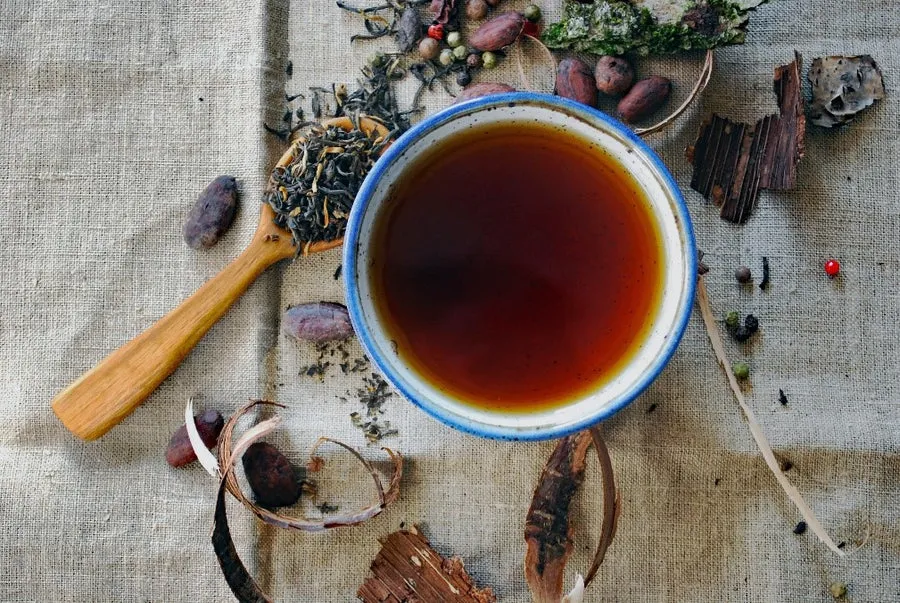
Assam Tea
India's most robust tea with strong flavours, mostly consumed without milk and tastes best like that. It is malty, bold, rich, and full-bodied; some add sugar if they like sweet tea.
Ingredients
- 1 tsp Assam tea leaves
- 1 cup water
- Optional milk and sugar
Method:
- Bring the water to a boil, add tea leaves, and steep for 4–5 minutes.
- You can serve it plain or with milk.
Sulaimani Chai (Kerala)
Popular in Kerala's Malabar region, especially among Mappila Muslim communities. This is a light, citrusy, refreshing, and aromatic concoction consumed throughout India, believing nice option to cure headaches or acidity.
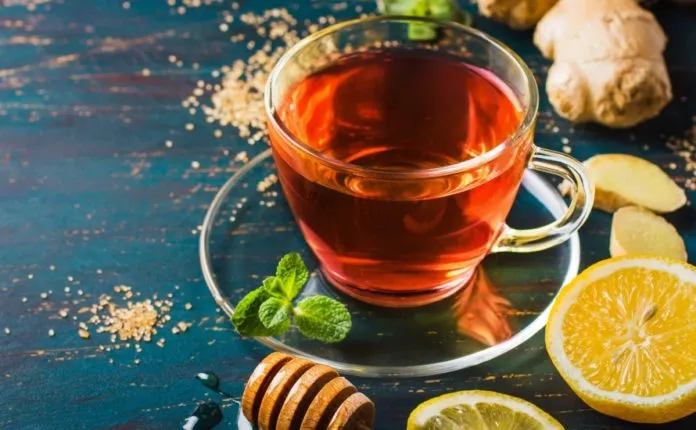
Ingredients
- 1 tsp black tea
- 1 cup water
- Lemon juice
- Sugar
- Cardamom
Method:
- Start by brewing strong black tea.
- Strain the tea of leaves.
- Add sugar, lemon juice, crushed cardamom, and serve hot.
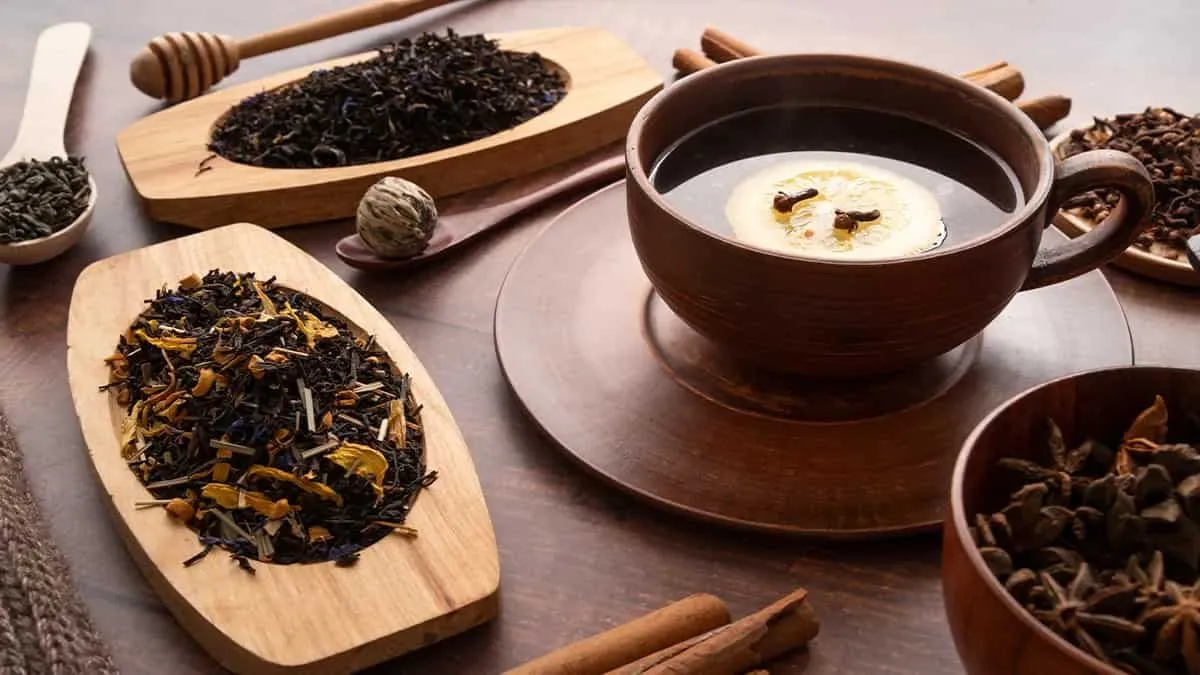
Kangra Tea (Himachal Pradesh)
Produced in the scenic Kangra Valley, this is smooth, floral, mildly grassy, and delicate tea filled with flavours; hence, no additives are needed.
Ingredients:
- 1 tsp Kangra tea
- 1 cup water
Method:
- Heat water below the boiling point.
- Steep leaves for 3 minutes.
- Strain and serve, making it as simple as it can get.
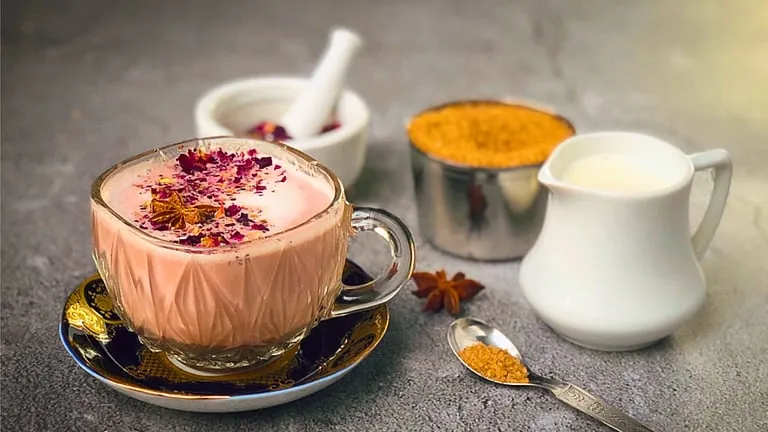
Noon Chai (Kashmir)
Also called Kashmiri Pink Tea. This has gone viral on Instagram for its unique preparation: creamy, savory, nutty, and comforting flavours
Ingredients:
- 2 tsp green tea leaves
- 2 cups water
- Pinch baking soda
- Milk
- Salt
- Crushed pistachios
Method:
- Simmer tea leaves and baking soda until concentrated.
- Add cold water and whisk vigorously.
- Add milk and simmer.
- Finish with salt and nuts.
Frequently Asked Questions
1. What is Indian Tea called?
Ans) Indian tea is commonly known as Chai, a word derived from the Chinese term for tea. In India, chai usually refers to black tea brewed with milk, sugar, and spices. It is more than a beverage, serving as a daily ritual and social connector.
2. Which tea is best for gastritis?
Ans) For gastritis, ginger tea, chamomile tea, and mild green tea are often preferred because they may help soothe the stomach and reduce discomfort. Avoid very strong, highly caffeinated, or overly spiced teas, as they can sometimes irritate sensitive stomach lining.
3. What is a type of Indian Tea?
Ans) One popular type of Indian tea is Masala Chai, made by brewing black tea with milk, sugar, and aromatic spices such as cardamom, ginger, cinnamon, and cloves. Other famous varieties include Assam Tea, Darjeeling Tea, Sulaimani Chai, and Kashmiri Noon Chai.
4. What is special about Indian Tea?
Ans) Indian tea is special because it combines rich tea-growing heritage with diverse regional traditions. From robust Assam Tea to delicate Darjeeling Tea and flavorful Masala Chai, Indian tea offers unique aromas, tastes, and cultural experiences that vary across the country.
Why is Tea a Memory More Than a Beverage?
What makes chai special is not simply its flavor. It is the memories linked to it, since it was included in Indian society through the working class in the 1820s; it became an intricate part of Indian households for decades until we gained freedom. Till then, Chai had become another obvious beverage consumed; given its caffeine content, the relaxation it provided worked next to coffee.
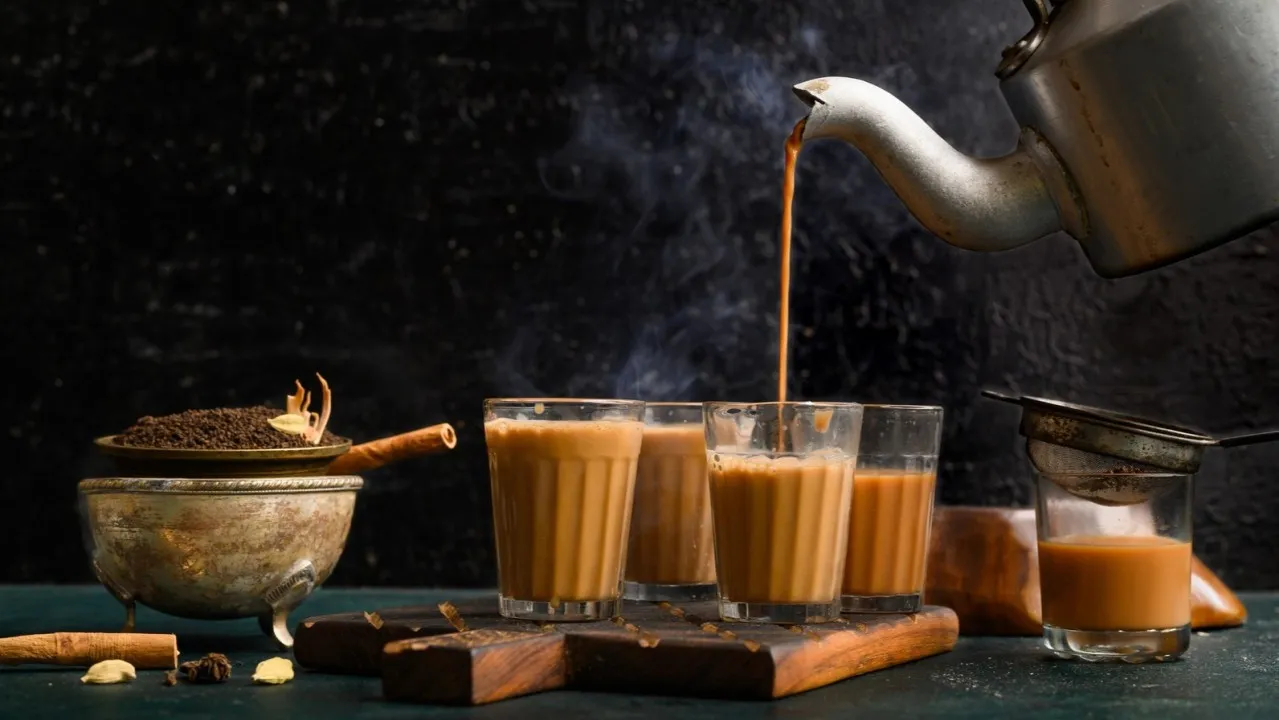
The Chinese chai was meant to be medicinal and beneficial, as it was traditional practice, and in India, through our own way, we made it close to the medicinal qualities, providing us a boost. And many of us remember the Chai served by grandparents on winter mornings, which made it a popular vintage classic grandma’s recipe or healing concoction, the desi nuske. Or the Chai that we consumed together with our family during vacations or slow mornings. The roadside tea shared with friends after school. The cutting chai enjoyed during monsoon rains. The cup offered to guests without asking. The tea stall conversations that last longer than the tea itself. Few beverages become woven into the emotional fabric of a nation, and Chai has.
Conclusive Chai Culture
Tea may not have originated in India, but few countries have embraced and reinvented it as completely. Introduced during colonial rule, tea found fertile ground not only in India's plantations but also in its culture, kitchens, and communities.
From the refined elegance of Darjeeling Tea and the strength of Assam Tea to the spiced warmth of Masala Chai, the citrus notes of Sulaimani Chai, the delicate character of Kangra Tea, and the distinctive pink richness of Noon Chai, these became the timeless grandma’s recipes you can double and consume throughout the day. Each cup tells a story of a region and its people. Perhaps that is why chai remains more than a beverage in India.
It is comfort, hospitality, nostalgia, conversation, and identity served one cup at a time. Today, tea is a global favourite and star of many ladies' tea parties globally, a companion to their conversations and snacks with varied flavours. To know more such facts about foods and cultural traditions is culinary keep following Recipesliving.
By P. Manika (Performist Content Writer)
