Mindful Morning Plate: Indian Breakfast Ideas for PCOS Wellness
March 10, 2026
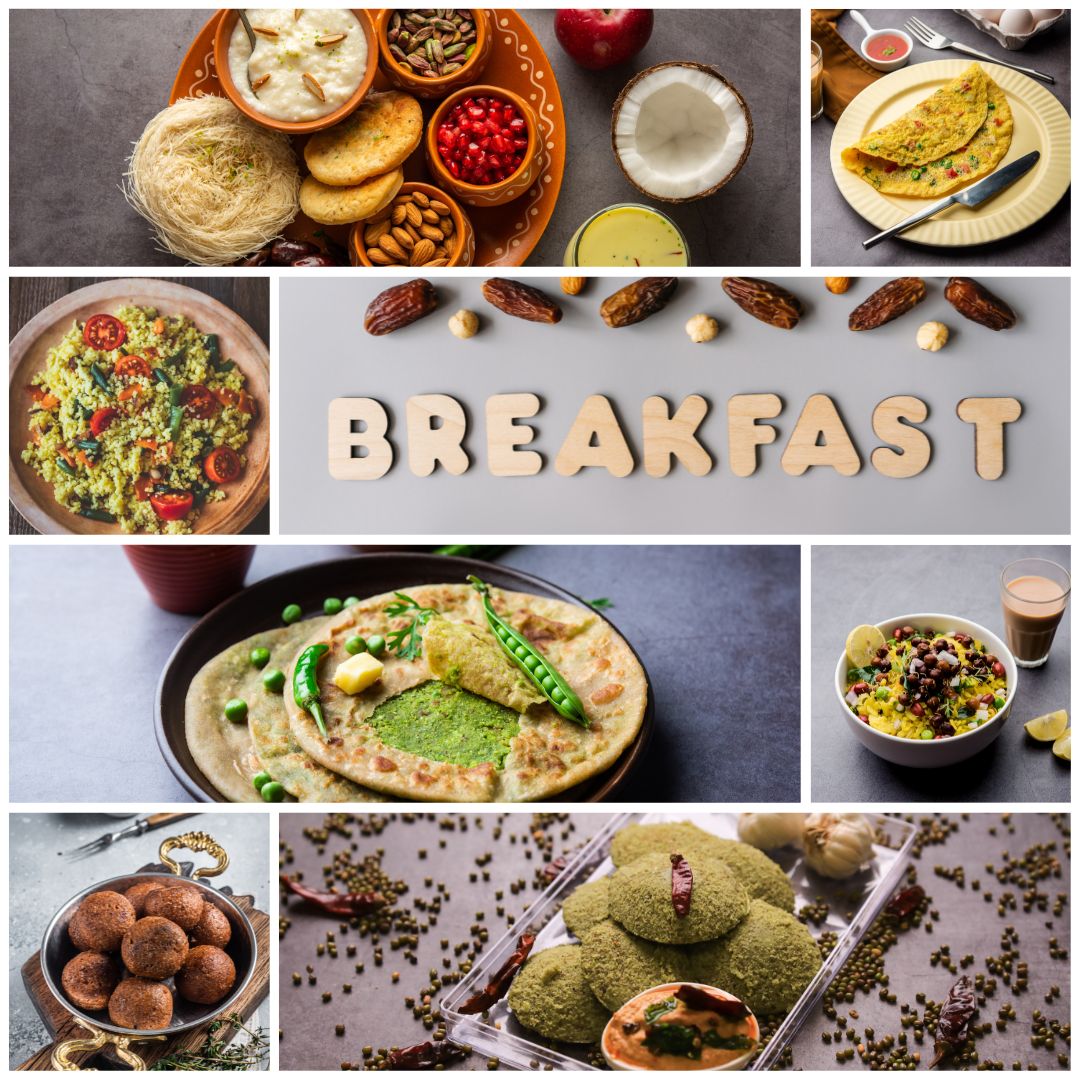
Lifestyle is becoming hectic and stressful with a fast-paced schedule, meetings, and sustenance, and admits that healthy eating has become a luxury. Stress is leading to various medical issues, and for womens Polycystic Ovary Syndrome (PCOS) is becoming increasingly common across urban and semi-urban regions across the globe. Sedentary lifestyles, stress, irregular sleep cycles, and highly processed food habits are contributing to rising hormonal imbalances.
PCOS is not just a reproductive condition; it is a metabolic and hormonal issue that affects insulin sensitivity, weight regulation, mood, and menstrual health. While medical guidance is essential, one truth stands strong: lifestyle and food choices play a foundational role in managing PCOS. Because PCOS is closely linked to insulin resistance and inflammation, dietary shifts can significantly improve symptoms over time.
Being diagnosed with the same last summer, it was alarming and changing my food habits became a must. As a food chef, overindulgence is in nature, but now it has to be mindful. I know Food cannot “cure” PCOS overnight, but it can support hormonal balance, stabilise blood sugar, and reduce inflammation when approached consistently and mindfully.
How Food Changes Can Aid PCOS Management
PCOS is often associated with Insulin resistance, Chronic low-grade inflammation, Elevated androgens (male hormones), and Irregular ovulation. The goal of a PCOS-friendly breakfast is to stabilise blood sugar, provide adequate protein, include fibre, reduce refined carbs, and support gut health.
People Are Curious About
1. What is the pcos diet?
Ans) A PCOS diet focuses on stabilising blood sugar and reducing inflammation. It emphasises whole grains, lean proteins, healthy fats, vegetables, and fibre-rich foods. Low-glycaemic foods help regulate insulin levels, which is important in managing Polycystic Ovary Syndrome and supporting hormone balance, energy levels, and long-term metabolic health.
2. Does food change help PCOS weight loss?
Ans) Yes, dietary changes can significantly support weight management in people with Polycystic Ovary Syndrome. Choosing low-glycaemic carbohydrates, increasing protein, and eating fibre-rich foods can improve insulin sensitivity. Balanced meals reduce blood sugar spikes, support metabolism, and help maintain steady energy levels, making sustainable weight loss more achievable.
3. What is the best diet to reduce inflammation?
Ans) An anti-inflammatory diet focuses on whole foods such as fruits, vegetables, nuts, whole grains, fatty fish, and olive oil. A well-known example is the Mediterranean Diet. It limits processed foods and sugar while promoting antioxidants and healthy fats that help lower chronic inflammation in the body.
4. Are eggs anti-inflammatory?
Ans) Eggs can be part of an anti-inflammatory diet when eaten in moderation. They provide high-quality protein, vitamins, and antioxidants such as lutein and zeaxanthin. For most people, eggs do not trigger inflammation and can support balanced nutrition, especially when paired with vegetables, whole grains, and other nutrient-dense foods.
5. What is the best breakfast for inflammation?
Ans) A good anti-inflammatory breakfast combines protein, fibre, and healthy fats. Options include oatmeal with berries and nuts, vegetable omelettes, yoghurt with seeds, or smoothies with leafy greens. These foods provide antioxidants and steady energy, helping reduce inflammation while supporting digestion, metabolism, and overall health throughout the day.
Key Ingredients That Support PCOS-Friendly Eating
- Millets (Ragi, Jowar, Bajra): Low glycemic index, high fibre — they prevent blood sugar spikes.
- Moong Dal & Lentils: Plant-based protein stabilises insulin and keeps you full longer.
- Seeds (Flax, Chia, Pumpkin): Rich in omega-3 fats that reduce inflammation and support hormone health.
- Nuts (Almonds, Walnuts): Healthy fats + protein help balance blood sugar.
- Leafy Greens: Iron, magnesium, and fibre support metabolic health.
- Fermented Foods: Idli batter, curd, buttermilk improve gut microbiome, essential for hormonal balance.
5 PCOS-Friendly Indian Breakfast Recipes (For the Week)
These recipes are best as PCOS breakfast ideas as they are balanced, protein-forward, and blood sugar supportive. They aid in hormone and blood sugar spikes, aiding healthy weightloss for PCOS.
Moong Dal Chilla with Mint Chutney
It works owing to the high protein content, low glycemic levels, keeping you full for hours.
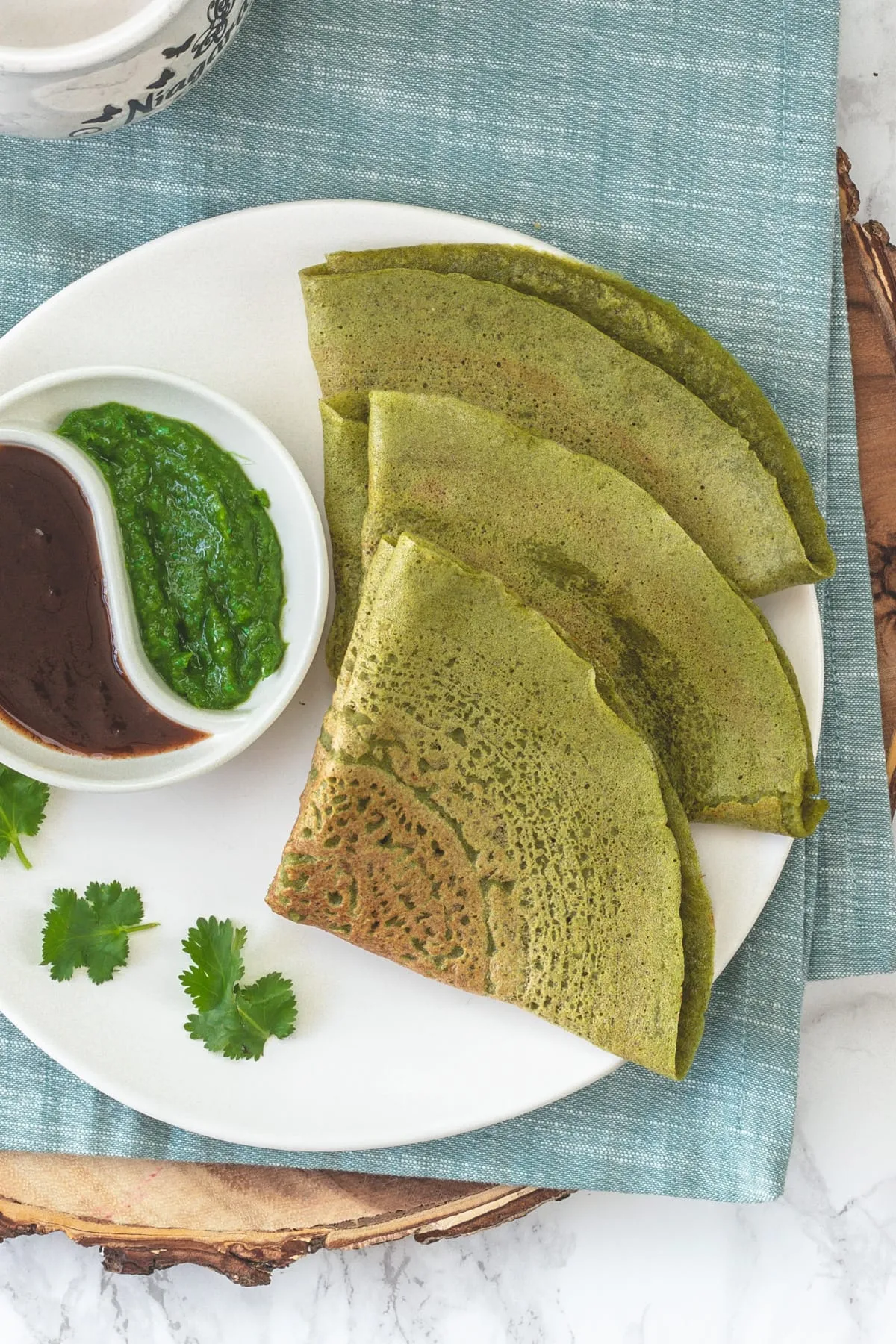
Ingredients: Soaked yellow moong dal, ginger, cumin, spinach (optional).
Method:
- Blend soaked dal with spices. Spread on a hot pan like a dosa. Cook until golden.
- Serve with mint chutney (avoid sugary sauces).
- Add grated carrot or methi for a fibre boost.
Vegetable Millet Upma
Millets digest slowly, preventing sugar spikes; they are high in fibre and low in carbohydrates, so best for breakfast.
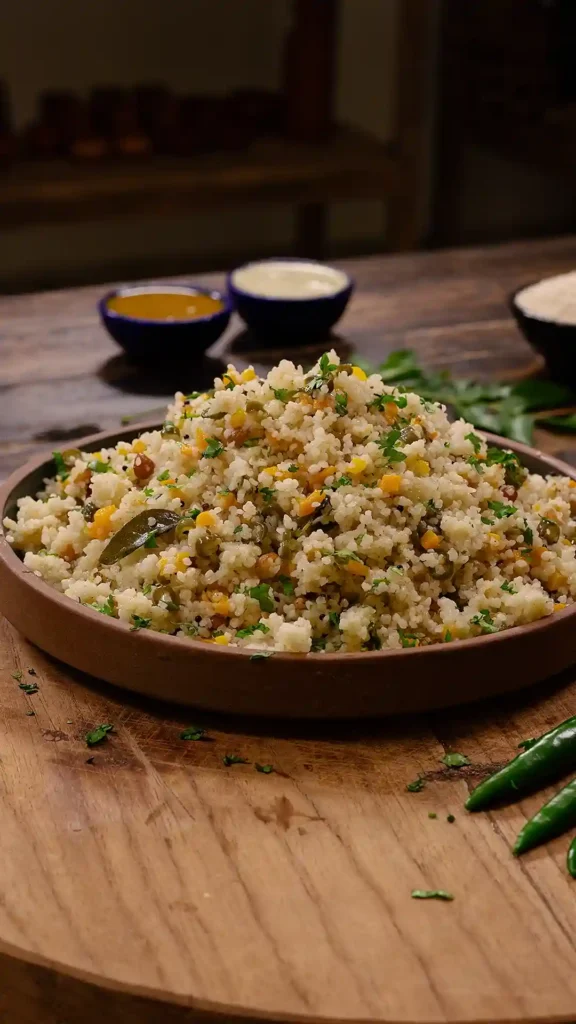
Ingredients: Foxtail millet (can use any millets available, soak according to the introduction), mustard seeds, curry leaves, carrots, French beans, sprouts, peas.
Method:
- Dry roast millet. Heat a pan strifry vegetables with tempered spices, and add the millets. Add the required amount of water and let it cook.
- Once cooked, garnish with roasted peanuts for protein and crunch.
Greek Yoghurt Parfait – Indian Style
It works because it's a mix of protein and probiotics, making it hormone-friendly.
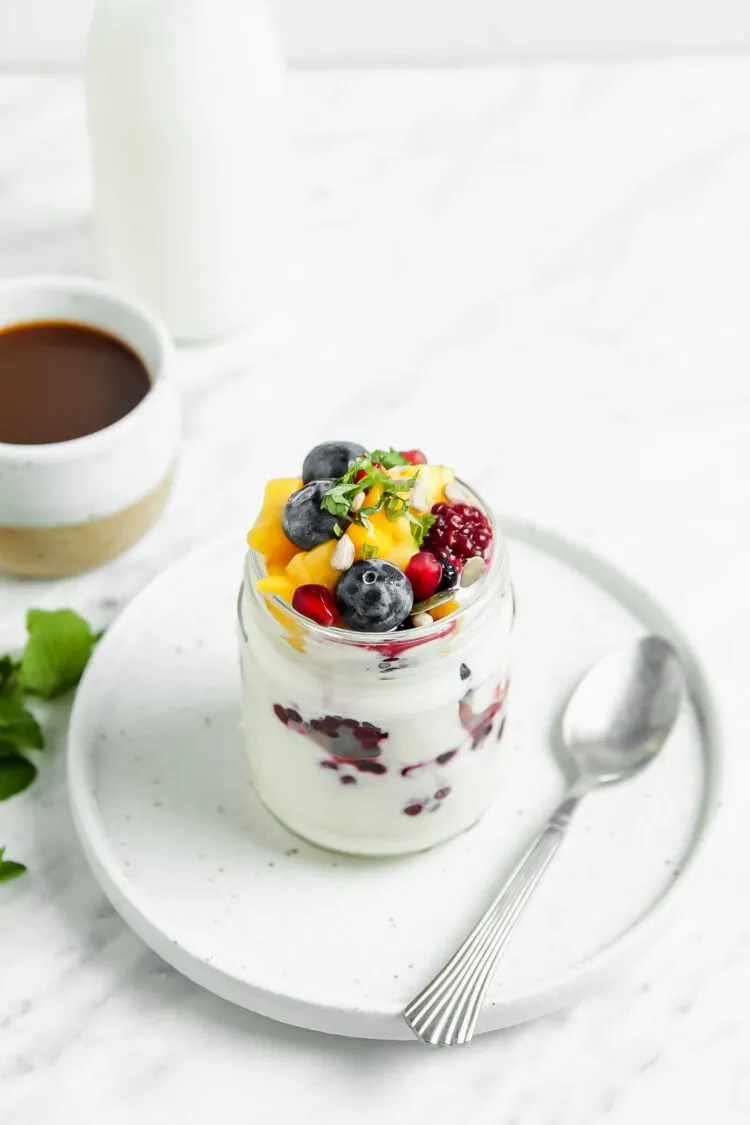
Ingredients: Hung curd, chia seeds, flax seeds, nuts, seasonal low-GI fruits (berries, apple).
Method:
- Layer yoghurt with seeds and chopped nuts. Add fruit lightly.
- Avoid honey or refined sugar.
Besan & Vegetable Pancake
It works because Chickpea flour is protein-rich and gluten-free. And vegetables add the required fibre in the mix.
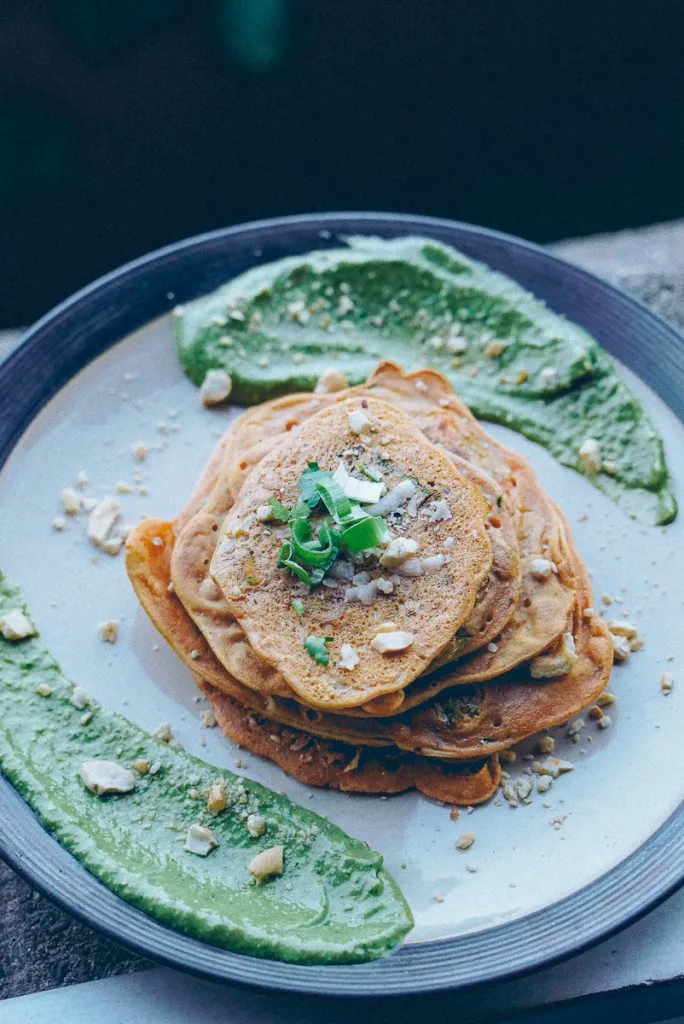
Ingredients: Besan(chickpea flour), chopped onions, tomatoes, grated carrot/beetroot, broccoli/cauliflower (boiled and mashed, coriander, and ajwain.
Method:
- Mix into thick batter. Adjust salt and spices according to taste.
- Cook on a tawa with minimal oil.
- Pair with curd for added protein.
Sprouted Moong Salad Bowl
Starting your morning with this high-fibre, enzyme-rich food would help support insulin sensitivity.
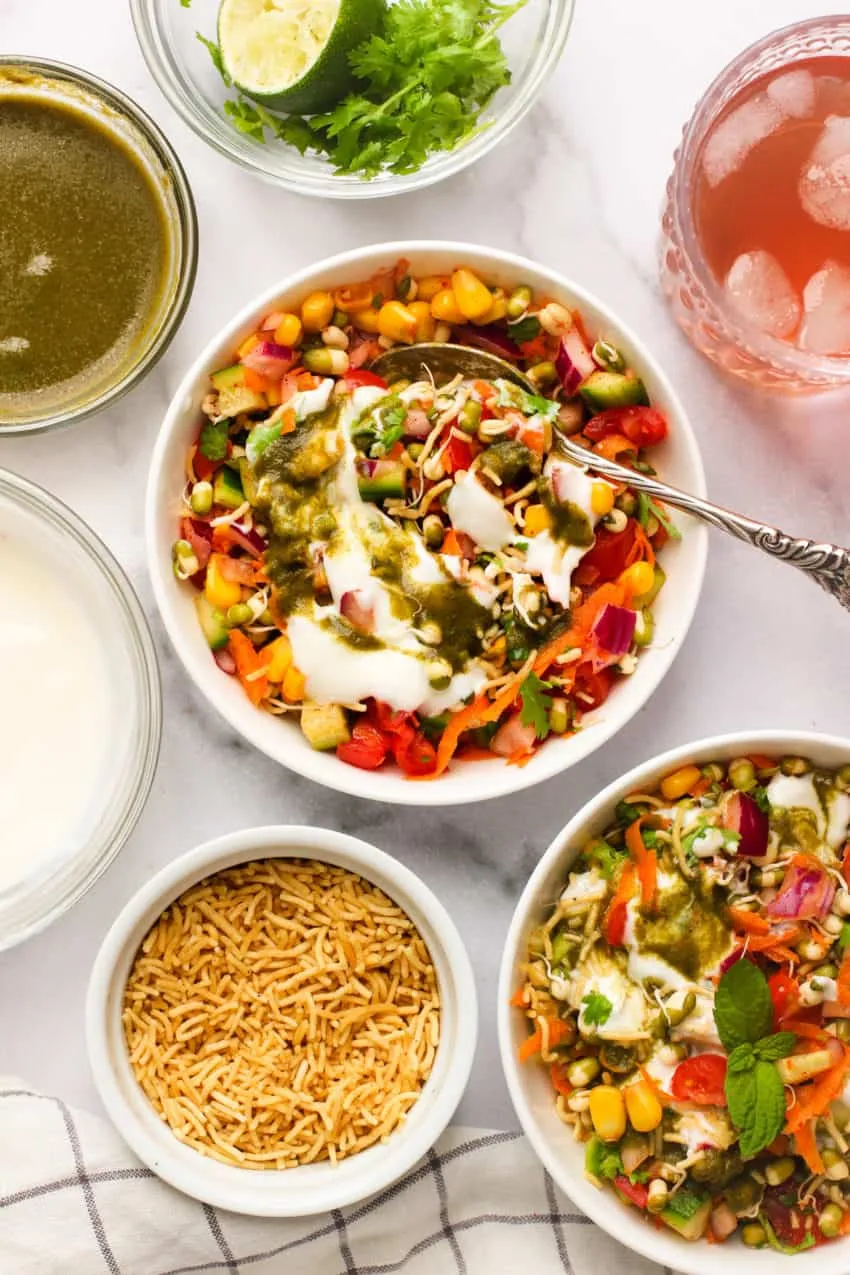
Ingredients: Steamed sprouts, cucumber, pomegranate, lemon, roasted seeds, Greens (optional lettuce/iceberg/kale)
Method:
- Lightly steam sprouts for digestibility with salt and turmeric with light blackpepper sprinckle.
- Toss with veggies and lemon.
- Add paneer cubes for extra protein.
Simple PCOS Breakfast Rules
- Always include protein; it supports metabolism, balances hormones, improves satiety, and stabilises blood sugar levels.
- Avoid refined white bread & sugary cereals, these foods cause rapid blood sugar spikes and crashes, increasing hunger, inflammation, and insulin resistance, especially problematic for hormonal balance.
- Combine carbs with fibre & fats to slow digestion, maintain steady glucose levels, support gut health, and keep you fuller longer.
- Eat within 1 hour of waking, it helps activate metabolism, stabilise blood sugar, and prevent energy dips or overeating later in the day.
- Stay hydrated; enough water supports digestion, hormone balance, nutrient absorption, and helps reduce fatigue, cravings, and unnecessary snacking during the day.
- Sustainable healthy habits practised daily are more effective for long-term health than occasional strict dieting or temporary food restrictions, so maintain consistency.
People Are Curious About
1. What are the best Indian snacks for PCOS?
Ans) Healthy Indian snacks for managing Polycystic Ovary Syndrome include roasted chana, sprouts chaat, paneer cubes, boiled peanuts, vegetable poha, and yoghurt with seeds. These options provide protein, fibre, and healthy fats that help control blood sugar levels, reduce cravings, and support hormone balance while keeping energy steady between meals.
2. Can I have paneer in PCOS?
Ans) Yes, paneer can be included in a PCOS-friendly diet. It is rich in protein and healthy fats that help keep you full longer and stabilise blood sugar. When eaten in moderate portions and paired with vegetables or whole grains, paneer supports balanced nutrition for those managing Polycystic Ovary Syndrome.
3. What are the best foods to eat for PCOS weightloss?
Ans) For weight management with Polycystic Ovary Syndrome, focus on high-fibre vegetables, whole grains like millets and oats, lean proteins such as eggs and legumes, and healthy fats from nuts and seeds. These foods improve insulin sensitivity, reduce inflammation, and help maintain steady energy levels throughout the day.
4. What are healthy recipes for PCOS weightloss?
Ans) Healthy PCOS-friendly recipes include vegetable millet upma, moong dal chilla, paneer vegetable stir-fry, oats vegetable cheela, and quinoa salad bowls. These meals combine complex carbohydrates, protein, and fibre, helping regulate blood sugar and support sustainable weight management for people dealing with Polycystic Ovary Syndrome.
Why Mindful Breakfast Matters
Morning meals influence blood sugar patterns, cortisol rhythm, cravings throughout the day, and energy stability. A balanced breakfast reduces binge eating and hormonal stress. Eating slowly, chewing properly, and avoiding screens while eating improves digestion and insulin response.
Having a healthy and fulfilling breakfast in the morning means you have no unnecessary craving controlled body nutrients to take you through the day. And when you are facing PCOS and hormonal issues, this makes it even more necessary.
A Healthy Final Note
Managing PCOS is not about extreme dieting; it is about sustainable lifestyle alignment. When breakfast becomes nourishing instead of rushed, the body responds with better energy, improved cycles, and steadier moods. Food is not just fuel; it is hormonal communication.
Stay tuned as we continue exploring practical, Indian-friendly meal ideas designed to support everyday health and common metabolic concerns. Because healing begins at the table, one mindful meal at a time.
By P. Manika (Performist Content Writer)
