Mexico’s True Tradition: The Mole Making Real Magic Heritage on a Plate
November 24, 2025
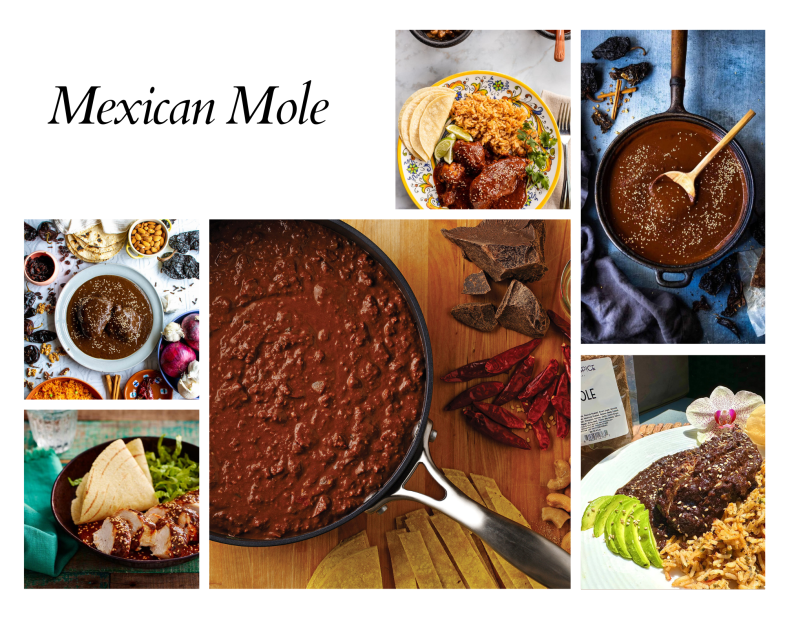
When you talk of Mexican Mole, it's not just a recipe but a storybook that emits the aromas of the country’s cultural heritage; it's a slow-simmered blend of tradition, ritual, and pure culinary magic. Being interested in making various cuisines, concocted in the ancient kitchen of Mexico, this is the most iconic sauce perfected through generations. In this blog, let's understand what a mole is and its detailed recipe.
Ancient Flavour Reborn: Authentic, Rich, and Truly Mexican
Served on special or notable days like weddings, quinceañeras, Día de los Muertos altars, or festive family gatherings, mole has always held the power to turn an ordinary moment into a memorable feast. Its origin traces to ancient Mesoamerican kitchens, where Aztecs and other Indigenous cultures blended cacao, chiles, and ground seeds into sacred ceremonial sauces. Over centuries, Spanish influences introduced nuts, spices, and new cooking techniques, shaping the complex mole we know today. It is an amalgamation of around 10-20 different spices, with multi-layered preparation, prepared with care and love.
With every toasted spice, stone-ground seed, and velvety swirl, it’s not just cooking, but passing down the centuries-old tradition that honors community, gratitude, and the joy of sharing. This mole recipe invites you into that delicious history, bringing the heart and soul of Mexico’s most iconic celebratory dish right into your kitchen. Mole is one of Mexico’s most celebrated delicacies, an ancestral blend that is rich, complex, and true to its traditional cooking methods. It takes time but delivers unforgettable depth.
People are Curious About:
1. How is Mole made?
Ans) Authentic Mexican Mole recipe is made by toasting dried chiles, nuts, seeds, and spices to release deep aromas, then blending them with tomatoes, garlic, onions, and broth into a thick, smooth paste. This mixture is simmered slowly and enriched with a hint of chocolate for balance. The long cooking time creates the signature layered, complex, sweet-savory flavor of traditional Mexican mole.
2. How many ways is Mole prepared?
Ans) Mole is prepared in many regional styles, traditionally over 7 classic varieties in Mexico, with countless local variations. The most famous include Mole Poblano, Mole Negro, Mole Rojo, Mole Amarillo, Mole Verde, Mole Coloradito, and Mole Chichilo. Each version uses a unique blend of chiles, spices, seeds, nuts, and herbs, creating distinct colors, textures, and flavors rooted in regional culture and tradition.
3. Is Mole a sauce or a dish?
Ans) Mole is primarily a sauce, but in Mexican cuisine, it’s also considered a complete dish when served over meats like chicken, turkey, or pork. Its rich blend of chiles, spices, nuts, and chocolate makes it more than just a topping; mole transforms any plate into a full, flavorful, culturally rooted meal.
4. Is Mole healthy to eat?
Ans) Yes, moles can be healthy to eat, depending on the ingredients and portion size. Traditional mole is rich in antioxidants from chiles and healthy fats from nuts and seeds. It also contains minerals and fiber from spices and cacao. However, it can be calorie-dense due to nuts, chocolate, and oil, so moderation is key for a balanced meal.
That being said, let’s dive into the authentic Mexican mole recipe, how it is made, and how you can indulge in the flavour of this traditional dish.
From Ancestral Kitchen To Your Table: The Classic Mexican Mole
You need to understand that to make authentic Mexican mole, you need to have these ingredients, per se, to maintain the authentic taste. If you want to increase the servings, you can increase the proportion. But try and use the traditional methods to retain the same flavours.
• Ingredients (Serves 6-8)
• Chiles (Essential Base)
4 dried ancho chiles
4 dried guajillo chiles
3 dried pasilla chiles
2 dried chipotle chiles (optional for smokiness)
• Nuts & Seeds
¼ cup almonds
¼ cup peanuts
¼ cup sesame seeds (reserve 1 tbsp for garnish)
¼ cup pumpkin seeds (pepitas)
• Aromatics & Vegetables
1 large onion, chopped
4 garlic cloves
2 Roma tomatoes
1 tomatillo (the Mexican husk tomato is optional but traditional)
1 ripe plantain, sliced and fried OR 2 slices of stale bread OR 2 corn tortillas (thickener)
• Spices
1 cinnamon stick
4 whole cloves
6 black peppercorns
1 star anise (optional)
1 tsp cumin seeds
1 tsp coriander seeds
• Sweetness & Depth
¼ cup raisins
2 oz Mexican chocolate (Ibarra or Abuelita)
1 tbsp brown sugar or piloncillo (adjust to taste)
• Broth & Oils
4–5 cups chicken broth
3 tbsp lard or vegetable oil
• Protein (traditionally served with)
Boiled chicken pieces OR turkey
• Method: This is a traditional mole sauce recipe made with particular ingredients and method, so try to follow it to maintain the same for authentic consistency
• Prepare and Toast the Dried Chiles
For this, you need to remove stems and seeds from all chiles.
Heat a skillet and lightly toast the chiles (10–15 seconds each side).
Soak toasted chiles in hot water for 20 minutes until soft.
Be careful not to burn the chiles, or the mole will taste bitter.
• Toast Nuts, Seeds & Spices
In a dry skillet, first toast almonds, peanuts, pepitas, and sesame seeds until golden, and then remove them from the skillet
In the same skillet, toast cinnamon, cloves, peppercorns, cumin, and coriander lightly. Once both are done, keep them aside.
• Cook Aromatics
The aromatics are what give the sauce its lovely flavors, for sautéing onion and garlic in oil until caramelized.
Once onions are done, add tomatoes and tomatillo; cook until soft.
Then add raisins until they puff.
• Fry the Thickener
Fry plantain slices until golden, OR toast bread/tortillas until browned.
• Blend the Mole Base
Now you need to start the blend, but in batches and separately
First, the soaked chiles, Nuts & seeds
Then blend the fried aromatics
Next, move ahead and grind the Plantain/bread/tortilla
The roast spices cinnamon, cloves, peppercorns, cumin, and coriander come next for the paste
Now take 2-3 cups of chicken broth, blend all the mole sauce until extremely smooth. It should be silky, not grainy.
P.S. Traditionally, it is ground on a stone grinder to get the authentic taste, but if you find it a hassle, you can use a blender
• Cook the Mole
Now, to make the sauce for the final blend, heat 2 tbsp oil or lard in a heavy pot.
Add the blended mole and cook on medium until it thickens (10–15 minutes).
Once the sauce thickens, add the chocolate and stir until melted.
Add 1-2 cups of broth until the consistency is thick but pourable.
While stirring consistently, simmer 45–60 minutes.
• Taste and adjust:
Taste it and add salt for balance
If you want sweetness, add more Chocolate or sugar
The Broth should not be too thick; maintain a basic runny yet holding consistency
• Serving: Eat along with
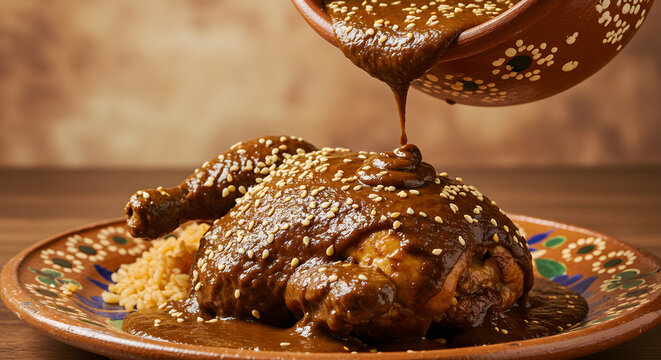
To serve the mole sauce, you can pour it over boiled or roasted chicken
Traditionally, it can be served with Turkey
Tamales
Enchiladas (“Enmoladas”)
Eat with Warm tortillas or Mexican rice
• Garnish with:
Toasted sesame seeds
Garnish with fresh cilantro
• Tips for Authentic Flavor
To get the authentic flavour, simmer it for a longer time; the longer it simmers, the deeper it tastes (up to 2 hours).
It's a fact that Mole tastes the next day, so you can make this and store the Mole sauce for 1 or 2 days.
Use Mexican chocolate for true authenticity.
Again, a reminder to avoid burning chiles and spices, as they turn the sauce bitter.\
Frequently Asked Questions:
1. What is the Secret of the mole sauce recipe?
Ans) The secret of mole lies in its layered complexity—built by slow-toasting chilies, nuts, seeds, spices, and aromatics until they release deep, smoky flavor. Each ingredient is added in stages to develop depth, then blended into a velvety sauce. Time, patience, and careful balancing of sweetness, heat, bitterness, and spice create mole’s signature harmony. The magic is in the process, not just the ingredients.
2. What do I use mole sauce for? What accompaniment can I have with the mole?
Ans) Mole is incredibly versatile. It’s most commonly served over chicken, turkey, or pork, but also pairs beautifully with roasted vegetables, enchiladas, tamales, rice bowls, quesadillas, or grilled tofu for vegetarian options. It can be spooned over rice, used as a marinade, or enjoyed with warm tortillas. Mole works best with simple accompaniments that let its rich, complex flavor shine.
3. Do all mole sauces have chocolate?
Ans) No, chocolate is included only in certain regional styles, such as Mole Poblano. Many traditional moles, like Mole Verde, Mole Amarillo, Mole Coloradito, and Mole Negro—may use little or no chocolate. The depth of mole comes from toasted chilies, nuts, spices, and seeds, not sweetness. Chocolate, when used, adds subtle bitterness and body, not a dessert-like flavor. Each region’s mole varies widely.
4. Is mole a curry?
Ans) Mole is not a curry, though both are slow-cooked sauces with layered spices. Mole originates from Indigenous Mexican and Mesoamerican culinary traditions, combining chilies, seeds, nuts, and spices to create a thick, complex sauce. Curries, however, come from South and Southeast Asia and rely on distinct spice blends like masalas. While similar in concept, rich, warm, aromatic sauces, their ingredients, history, and flavor profiles differ completely.
5. What meat is used in mole?
Ans) Chicken and turkey are the most traditional meats served with mole, especially Mole Poblano and Mole Negro. Pork is also popular, especially in Oaxaca and regional home-style cooking, because it absorbs the sauce beautifully. Some modern variations pair mole with beef, duck, seafood, or plant-based proteins. The key is choosing proteins that allow the deep, complex mole flavors to take center stage.
– P. Manika (Performist Content Writer)
