Japan’s Winter Food Magic: Soul-Warming Street Food, Warm Taste of Winters
December 22, 2025
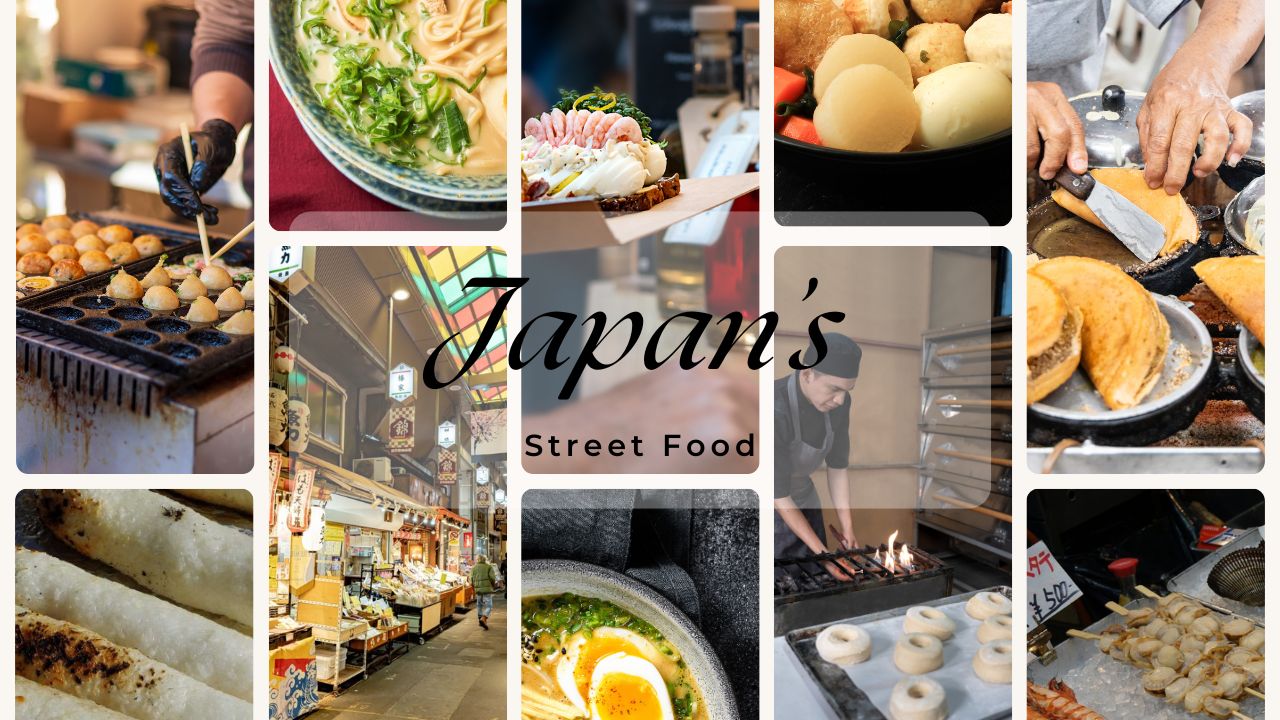
If you are an anime or food fan, when ‘winter is coming’, you'll surely want a comforting bowl of ramen that's nutritious, cozy, warm, and tasty. Well, the same scene unfolds in Japan’s winters, transforming streets, alleys, and Japan’s food stalls into cosy sanctuaries of steam and comfort.
As temperatures drop, locals gather around yatai (street stalls) and neighbourhood eateries to enjoy hot, soul-soothing dishes that celebrate simplicity, balance, and tradition. Japanese winter street food is not just about warmth; it’s about community, seasonal ingredients, and quiet joy served in a bowl.
Japanese Culinary Philosophy: Why Winter Cuisine Feels Both Comforting and Healthy
Japanese cuisine is carved out of tradition, and even though modernisation has infused many cuisines with fusion dishes is Japanese food is deeply rooted in balance, seasonality, and respect for ingredients. Guided by the concept of washoku, Japan’s traditional culinary philosophy, meals are designed to nourish the body while maintaining harmony between taste, nutrition, and presentation.
Rather than relying on heavy spices or fats, Japanese cooking highlights natural flavours through careful techniques such as simmering, steaming, and slow boiling. Warm broths, fermented seasonings like miso and soy sauce, and umami-rich ingredients help retain body heat and support digestion.
Japanese winter cuisine prioritises warmth without heaviness, making it both soothing and health-supportive. The focus on hydration through soups, gut-friendly fermented foods, and mindful portioning turns each meal into a restorative experience, ideal for colder months when the body craves comfort without excess.

Japan’s Most Loved Winter Street Food
Ramen: Rich broths with noodles, meat, and toppings
Oden: A light, simmered hot pot with daikon, eggs, and tofu
Takoyaki: Hot octopus balls, especially popular in winter evenings
Yakiimo: Roasted sweet potatoes sold from street carts
Nikuman: Steamed pork buns
Yakitori: Grilled chicken skewers
Taiyaki: Warm fish-shaped cakes filled with sweet red bean paste
People Are Curious About:
1. What is Japanese street food called?
Ans) Japanese street food is commonly called yatai food, named after the mobile food stalls known as yatai that line streets during festivals and winter evenings. These stalls serve quick, comforting dishes such as takoyaki, yakitori, ramen, and oden. Yatai culture is especially popular in cities like Fukuoka and reflects Japan’s love for fresh, seasonal food enjoyed casually yet with great attention to quality and flavour.
2. What is Japan’s famous food to eat?
Ans) Japan is famous for dishes that balance flavour, nutrition, and presentation. Iconic foods include sushi, ramen, tempura, udon, takoyaki, and oden. These dishes highlight fresh ingredients, umami-rich broths, and precise techniques. Whether enjoyed at street stalls or fine restaurants, Japanese food is celebrated worldwide for its simplicity, seasonal focus, and comforting yet refined taste.
Japan’s Winter Bowl Recipes: Comfort Served From Broth to Bliss
Classic Japanese Ramen Bowl: The Soul-warming Pure Umami
A steaming ramen bowl is winter comfort at its finest, deeply savoury, nourishing, and endlessly satisfying. Ramen delivers warmth, umami richness, and balance, making it the ultimate winter street-food experience.
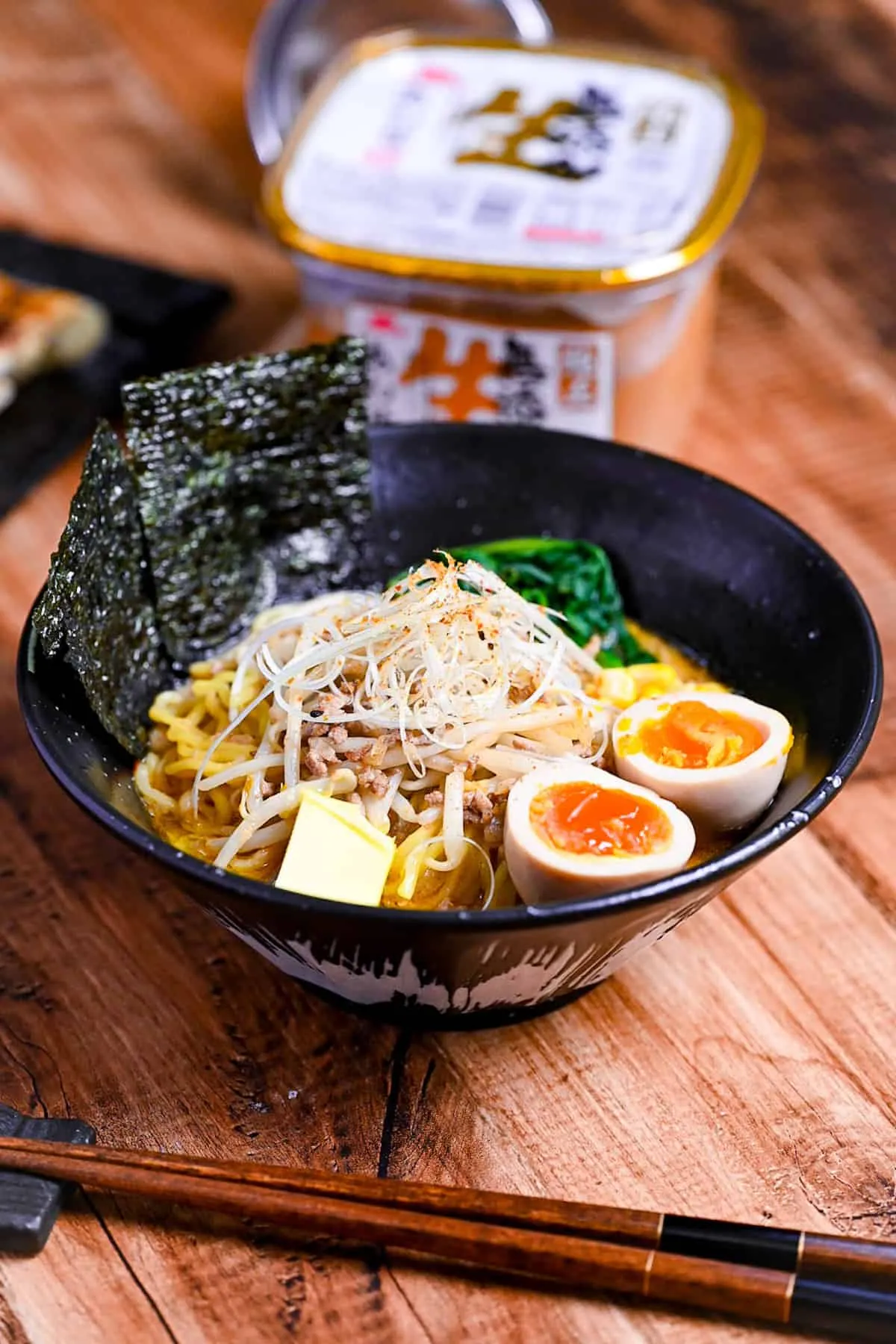
Ingredients (Serves 2):
2 portions of ramen noodles
4 cups chicken or vegetable broth
1 tbsp soy sauce
1 tbsp miso paste
1 tsp sesame oil
1 clove garlic (minced)
1 tsp grated ginger
Toppings: soft-boiled eggs, sliced scallions, nori, mushrooms, corn
Method:
Heat sesame oil in a pot; sauté garlic and ginger until fragrant.
Add broth, soy sauce, and miso paste. Simmer for 10–15 minutes.
Cook ramen noodles separately according to package instructions.
Divide noodles into bowls, and pour hot broth over them.
Add toppings and serve immediately.
People Are Curious About:
1. What is Japanese ramen called?
Ans) In Japan, ramen is generally called “ramen”, but it appears in many regional styles and flavour-based names, depending on broth, seasoning, and preparation. Here are the main ways ramen is called and categorised: Shoyu Ramen: Soy sauce–based, clear and savoury, Miso Ramen: Miso-based, rich and hearty, Shio Ramen: Salt-based, light and delicate, Tonkotsu Ramen: Pork bone broth, creamy and rich. Based on regional style, Sapporo Ramen: Famous for miso broth (Hokkaido), Hakata Ramen: Thin noodles, tonkotsu broth (Fukuoka), Tokyo Ramen: Shoyu-based chicken-fish broth, Kitakata Ramen: Thick, curly noodles with soy broth
2. Is ramen healthy or unhealthy?
Ans) Ramen can be both healthy and indulgent, depending on ingredients and portion size. Broth, vegetables, and protein offer nourishment, but high-sodium and fatty broths can make it heavy if consumed often.
3. Is ramen veg or non-veg?
Ans) Traditionally, ramen is non-vegetarian, using chicken, pork, or fish-based broth. However, vegetarian and vegan ramen made with vegetable or kombu broth are widely available today.
Traditional Japanese Oden: The Slow-Stewed Comfort
Oden is a gentle, comforting stew often enjoyed from street stalls and convenience stores during the winter months. Kouzuki Oden from One Piece made my curiosity for this grow and taste, and it is light yet deeply comforting, designed to warm the body without heaviness.
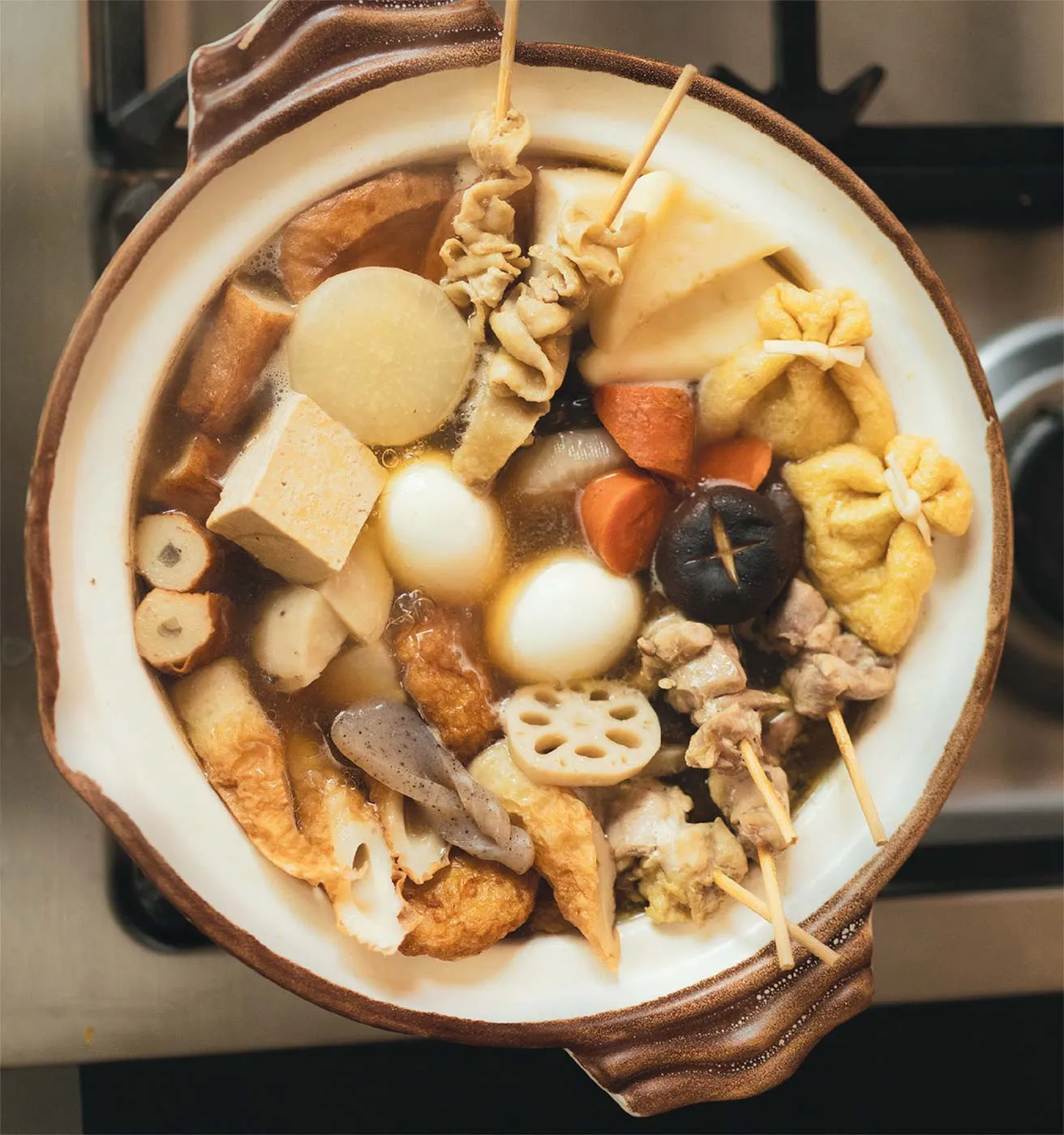
Ingredients (Serves 2–3):
4 cups dashi stock (Japanese soup stock made of Kombu (dried kelp), Katsuobushi (dried, fermented bonito flakes)
2 tbsp soy sauce
1 tbsp mirin
1 daikon radish (sliced thick)
2 boiled eggs
Tofu or fried tofu (atsuage)
Konnyaku (optional)
Method:
Bring dashi stock to a gentle simmer.
Add soy sauce and mirin.
Add daikon and simmer for 20–25 minutes until tender.
Add eggs, tofu, and konnyaku; simmer gently for another 15 minutes.
Serve hot, allowing flavours to deepen with time.
People Are Curious About:
1. Is Japanese Oden healthy?
Ans) Yes, Japanese oden is considered a healthy winter dish. It is simmered in light dashi broth, low in oil and gentle on digestion. Oden includes nutrient-rich ingredients like daikon radish, tofu, eggs, and seaweed, making it warming yet not heavy.
2. Is Oden high in protein?
Ans) Oden offers moderate protein, mainly from eggs, tofu, and fish cakes. While not extremely high-protein, it provides balanced nourishment when paired with other dishes.
Closing with Comforts: Winter Dishes the Japanese Way
Japan’s winter street foods are a lesson in simplicity and care. From rich ramen bowls to delicate oden broths, these dishes offer warmth beyond temperature; they bring people together, slow time, and turn cold nights into moments of comfort. Recreating them at home is more than cooking; it’s an invitation to experience winter the Japanese way, one warm bowl at a time.
By P. Manika (Performist Content Writer)
