How to Store Herbs So They Last Longer
February 25, 2026
Introduction: Stop Throwing Away Half Your Herbs
You buy a fresh bunch of coriander for one recipe, use a handful, and three days later it’s limp, blackened, and headed for the bin. Sound familiar? Fresh herbs are one of the most wasted ingredients in home kitchens. They’re delicate, moisture-sensitive, and often poorly stored.
But here’s the good news: with the right storage method, most fresh herbs can last one to three weeks, not just a few days.
In professional kitchens and serious home cooking setups, herbs are treated almost like flowers — trimmed, hydrated, protected from excess moisture, and stored with airflow in mind. This guide breaks down exactly how to do that at home, step by step, using simple tools you already have.
First: Understand Why Herbs Go Bad
Fresh herbs spoil quickly because of three main factors:
Too much moisture – causes rot and sliminess.
Too little moisture – causes wilting and dryness.
Cold damage – some herbs blacken in very cold fridge zones.
The goal is balance: gentle hydration without soaking, airflow without drying.
Two Types of Herbs (And Why It Matters)
Herbs fall into two storage categories.
Soft, Tender Herbs | Hardy, Woody Herbs |
Parsley | Rosemary |
Cilantro | Thyme |
Mint | Oregano |
Dill | Sage |
Basil* | Bay leaves |
*Basil is soft but prefers room temperature, not the fridge.
Each group needs a slightly different method.
How to Store Soft Herbs (Parsley, Cilantro, Mint, Dill)
These herbs behave like leafy greens. They need moisture at the stems and airflow around the leaves.
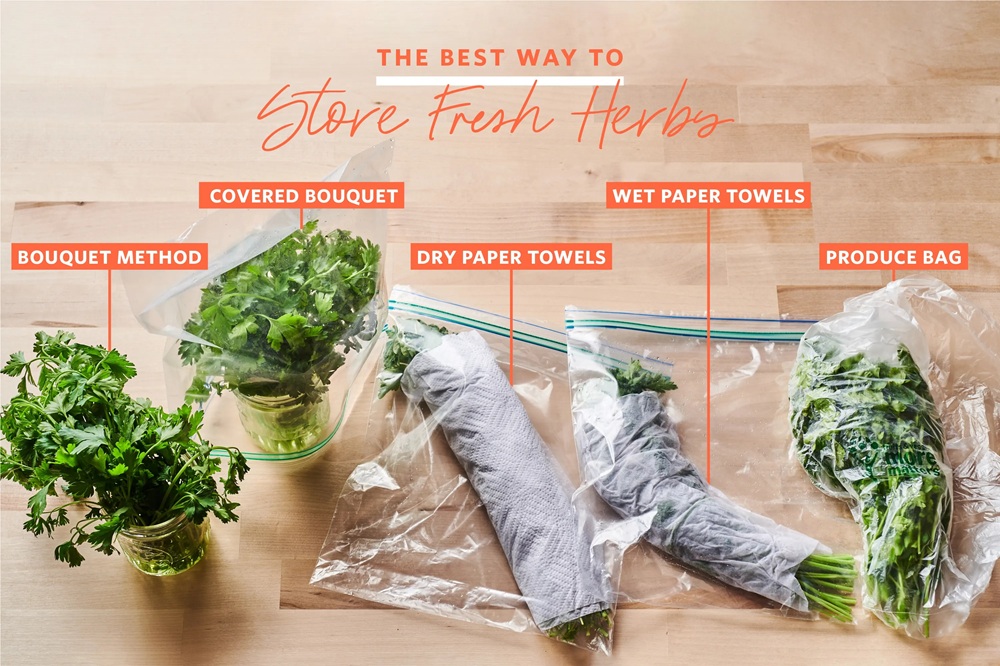
Method 1: The “Bouquet in a Jar” Technique (Best for Longevity)
This is the most reliable method used in professional kitchens.
Step-by-step:
Trim the bottom of the stems slightly.
Remove any damaged or yellow leaves.
Fill a glass jar with 2–3 cm of water.
Place herbs upright in the jar like flowers.
Loosely cover the leaves with a plastic bag.
Store in the fridge (except basil).
Why this works:
Water keeps stems hydrated.
Loose covering reduces moisture loss.
Air circulation prevents rot.
Shelf life: 7–14 days (sometimes longer for parsley).
Method 2: Paper Towel Wrap (Low-Maintenance Option)
If fridge space is tight, this method works well.
Gently wash herbs only if dirty.
Dry completely using a salad spinner or towel.
Wrap loosely in a slightly damp paper towel.
Place inside a breathable produce bag or container.
Store in the crisper drawer.
Important: The towel should be damp, not wet.
Shelf life: 5–10 days.
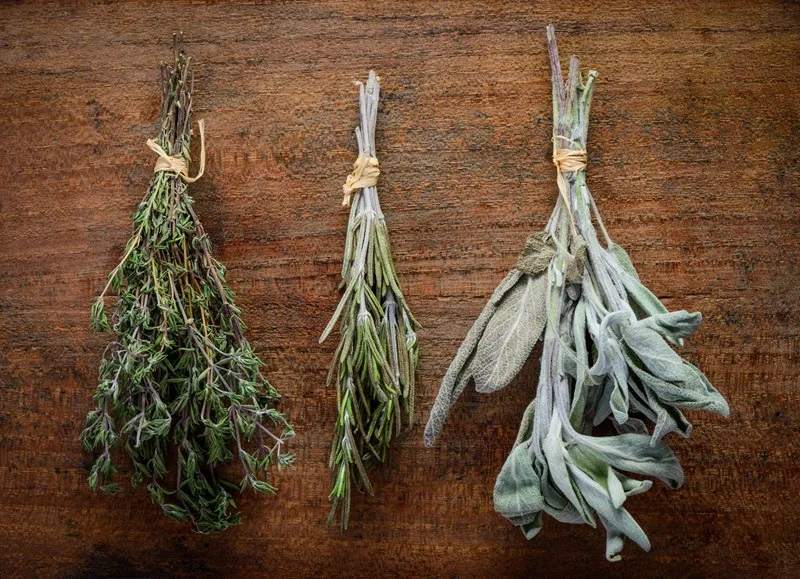
How to Store Hardy Herbs (Rosemary, Thyme, Oregano, Sage)
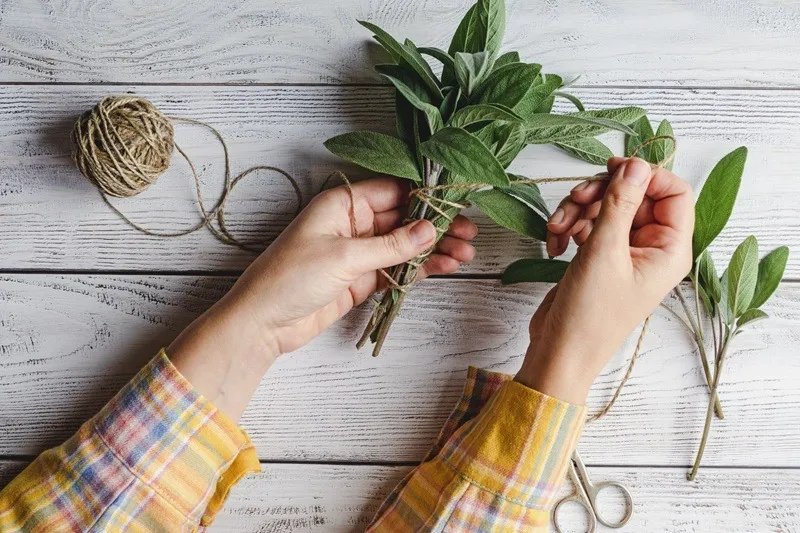
Woody herbs prefer less moisture.
Best Method: Dry Wrap Storage
Do not wash before storing.
Wrap loosely in a dry paper towel.
Place inside a sealed container or zip bag.
Store in the fridge drawer.
Why this works:
Hardy stems retain moisture naturally.
Too much water causes mold.
Controlled dryness extends life.
Shelf life: 2–3 weeks for rosemary and thyme.
Special Case: Basil
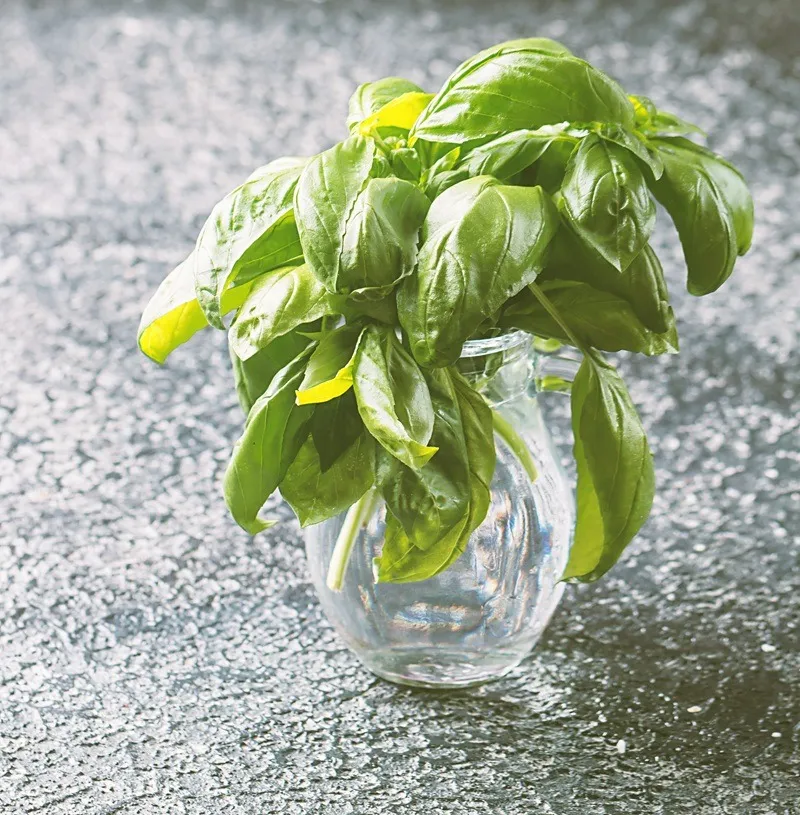
Basil hates the refrigerator. Cold temperatures cause black spots and rapid spoilage.
How to Store Basil Properly
Trim stems slightly.
Place in a jar of water at room temperature.
Keep away from direct sunlight.
Do not refrigerate.
Change the water every two days.
Shelf life: 5–7 days at room temperature.
If basil starts drooping, trim stems again and refresh water.
Should You Wash Herbs Before Storing?
Short answer: Only if necessary.
Washing adds moisture.
Excess moisture speeds up rot.
If washing is needed, dry thoroughly.
A salad spinner is highly effective for proper drying.
How to Freeze Herbs for Long-Term Storage
If you can’t use them in time, freezing preserves flavor.
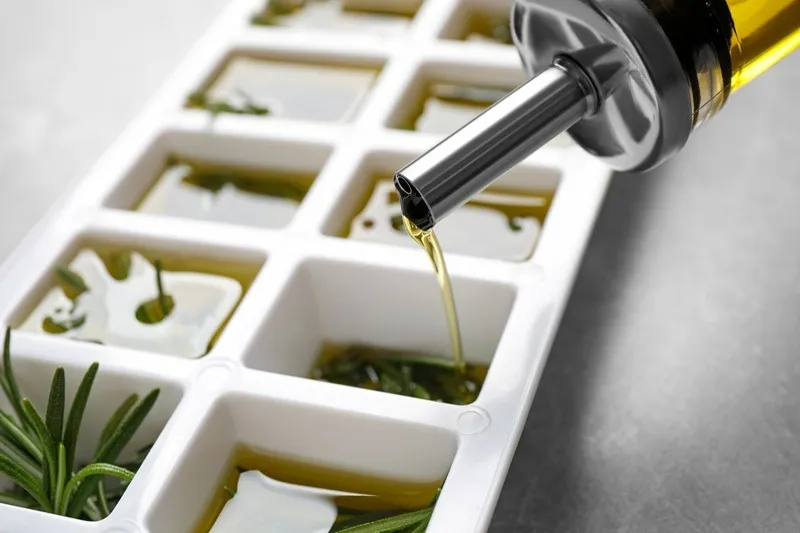
Option 1: Freeze in Oil (Best for Cooking)
Chop herbs finely.
Place in ice cube trays.
Cover with olive oil.
Freeze and transfer cubes to freezer bags.
Perfect for soups, sauces, and sautéing.
Option 2: Freeze Dry
Spread herbs on a tray.
Freeze individually.
Transfer to airtight container.
Best for rosemary and thyme.
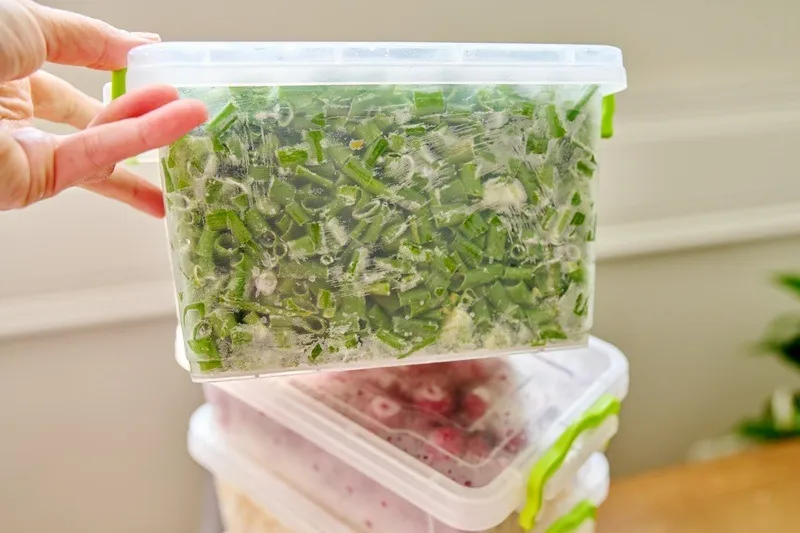
Frozen herbs last 3–6 months.
Common Mistakes That Ruin Herbs
Avoid these habits:
Storing wet herbs in sealed bags.
Crushing herbs in overcrowded drawers.
Keeping basil in the fridge.
Leaving rubber bands tightly wrapped.
Ignoring damaged leaves.
Small corrections make a big difference.
Quick Storage Reference Table
Herb | Best Storage Method | Location | Expected Life |
Parsley | Jar with water | Fridge | 10–14 days |
Cilantro | Jar with water | Fridge | 7–10 days |
Mint | Jar with water | Fridge | 10–14 days |
Dill | Damp towel wrap | Fridge | 5–7 days |
Basil | Jar with water | Countertop | 5–7 days |
Rosemary | Dry towel wrap | Fridge | 14–21 days |
Thyme | Dry towel wrap | Fridge | 14–21 days |
How to Tell When Herbs Are No Longer Good
Look for these signs:
Slimy stems.
Strong sour smell.
Black or translucent leaves.
Sticky texture.
When in doubt, discard. Food safety matters more than saving a few leaves.
Reduce Waste with Smarter Buying
Better storage starts before you get home.
Buy smaller bunches if possible.
Choose vibrant green leaves.
Avoid wilted or dark spots.
Check stems for firmness.
Fresh herbs stored correctly can reduce food waste by nearly half in a typical household kitchen.
Professional Kitchen Insight
In commercial kitchens, herbs are:
Processed immediately after delivery.
Trimmed and sorted the same day.
Stored upright whenever possible.
Checked daily for damaged leaves.
This routine prevents rapid spoilage and maintains flavor integrity.
You can apply the same logic at home with minimal effort.
Conclusion: Treat Herbs Like Living Ingredients
Fresh herbs are not just garnish; they are flavor builders. When stored properly, they stay vibrant, aromatic, and ready to elevate your cooking for days or even weeks.
The key principles are simple:
Balance moisture carefully.
Store upright when possible.
Avoid excess water.
Respect temperature sensitivity.
With these kitchen life tips, you’ll waste less, save money, and always have fresh herbs ready for your next meal.
Once you adopt the right storage habit, you’ll never look at a wilting bunch of coriander the same way again.
FAQS
Q1️. How do I keep fresh herbs from going bad quickly?
To keep fresh herbs from spoiling quickly, trim the stems, place them upright in a jar with a little water, loosely cover the leaves, and store them in the fridge. This keeps them hydrated without trapping excess moisture.
Q2️. What’s the easiest way to store herbs so they last longer?
The easiest method is to treat herbs like flowers—trim the stems, stand them in water, and refrigerate them loosely covered. Hardy herbs like rosemary should be wrapped in a dry paper towel instead.
Q3️. Can I store fresh herbs in a plastic bag?
You can, but avoid sealing them tightly. Wrap herbs in a slightly damp paper towel first, then place them in a breathable bag to prevent moisture buildup and sliminess.
Q4️. Why do my fresh herbs wilt so fast?
Fresh herbs wilt quickly because they lose moisture through the stems. Keeping the stems in water or wrapping them in a damp towel slows dehydration and extends freshness.
Q5️. Is it better to store herbs in water or in the fridge drawer?
Soft herbs last longer stored upright in water inside the fridge, while hardy herbs do better wrapped in a dry towel in the fridge drawer. Basil should stay at room temperature.
Q6️. How can I make cilantro last longer in the fridge?
Trim the stems, remove damaged leaves, place the bunch in a jar with water, loosely cover it, and refrigerate. Change the water every few days to keep cilantro fresh for up to two weeks.
Q7️. What is the best way to freeze fresh herbs?
Chop herbs and freeze them in olive oil using ice cube trays for easy cooking portions. You can also freeze them dry in airtight containers for later use in soups and sauces.
By Chithra Sooraj (Digital Marketing Executive)
