Home Style Luxury: The Classic Dal Makhni Meal Made Right at Home
November 25, 2025
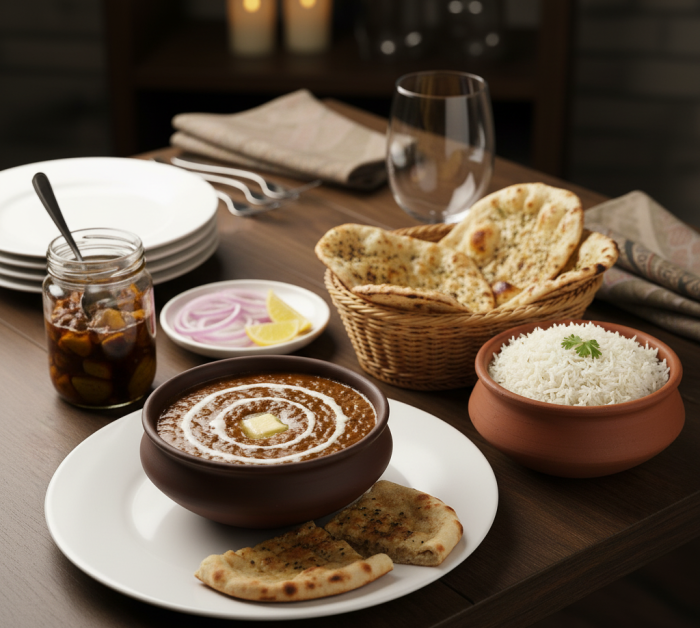
When you think of rich, creamy flavours for meals, people often turn to Italian cuisine; yet this is one Indian meal recipe people usually overlook. Originally not so Makhni, this is one of my favourite and absolutely luxurious comfort meals, Dal Makhani. This is another version of Lentil soup from Punjab, a part of India, and has become quite famous across the country. I had this at my friend's home and became a total fan. They made the traditional Dal Makhni and Naan for one dinner night, and I had to know the recipe. That day, it was not only the recipe I discovered but also some interesting facts about this dal. In this blog, let's learn how to make Authentic Punjabi Dal Makhani, along with the restaurant-style touch for your comfort Indian meal cravings.
Winter has settled in, and Dal Makhani is a warm bowl of comfort wrapped in cream and butter, perfect for your chilly dinner nights. And I make it often with some twists, I want to share some tips to enhance the flavour. So, please keep this easy dal makhani recipe in mind.
Where Butter Meets Magic: The Tale of Dal Makhani
Dal Makhani, the name itself suggests butter (makhan in Hindi). This delicacy is known for its creamy texture and flavour that are gained from an upgrade of added malai (cream). Previously known as Maa ki Dal or Kali Dal in Punjab, this is a very humble Dal (lentil soup), a staple food of Indian meals. It is said that it evolved to be today's version in the kitchen of Moti Mahal Restaurant.
Traditionally rich with spicy flavours, this dish was upgraded by the owner of Moti Mahal restaurant when he added butter and malai, giving it a luxurious makeover as an alternative to their famous dish, butter chicken. So let’s know how to make this indulgent dish from the streets of India and the kitchen of Punjab.
Rich Somky Soulful: Dreamy Dal Makhani’s Creamy Craft

Making Dal makhani is as simple as any other Indian lentil soup, as this is basically the same, with some buttery upgrades. The dal makhani ingredients are easily available in supermarkets, so it would be a quick deal, now to truly indulge in the creamy goodness.
Ingredients (Serves 4)
• For Dal
• Whole black urad dal 1 cup (sabut urad or Black gram only, do not split for true earthy texture)
• Red kidney beans (rajma): 2 tbsp
• Water (for soaking & cooking): as required
• Salt: to taste
• For Masala (Tadka)
• Ghee: 2 tbsp (authentic Punjabi flavour)
• Butter (unsalted preferred): 2 tbsp
• Oil: 1 tsp (prevents butter from burning)
• Onion (finely chopped): 1 large
• Tomatoes (pureed): 2 large or 3 medium
• Ginger-garlic paste: 2 tsp
• Green chillies (slit): 1–2
• Kashmiri red chilli powder: 1 tsp
• Turmeric powder: ¼ tsp
• Coriander powder: 1 tsp
• Garam masala: 1 tsp
• Kasuri methi (crushed): 1 tsp
• Salt: to taste
• For Creaminess
• Fresh cream (malai or store-bought): ¼ cup
• Butter: 2 tbsp more for finishing
• Optional: Milk (¼ cup) if you prefer a lighter texture
• Optional Smoky Flavour (Dhungar)
• Charcoal piece: 1 small
• Ghee: ½ tsp
Method:
• Prepare Your Lentils: Soak and Boil the Dal
• Rinse urad dal and rajma thoroughly in water 3 to 4 times. Soak overnight (8–10 hours) in enough water. Next morning, drain and rinse once again. Pressure cook with 4 cups water, ½ tsp salt, and ½ tsp turmeric powder for 6–7 whistles on medium flame (or cook for 40–50 mins until soft). A step for your easy dal makhani recipe, the dal should be soft enough to mash easily between fingers.
• In the traditional method, when people used to make food on a wood stove, this dal was slow-cooked overnight. Once soaked and ready, this dal was kept on the wood stove at night on very low to no flame, which gave it a woody and charcoal flavour. But in a modern setting, pressure cooking is fine, but ensure you cook it until the Rajma and dal are easily mashable with your hands without effort.
• If you ever have a setting with a wood or charcoal stove, try this method once the flames have died down. And guarantee that it will enhance the flavours of Dal makhani.
• Masala Magic: Prepare the Tadka Base
• In a heavy-bottomed kadai or handi, heat ghee + butter + oil. Use ghee generously; it enhances flavour. Add ginger-garlic paste and green chillies; cook until the raw smell disappears. Add tomato puree, cook until ghee starts separating from the masala (8–10 minutes). Avoid too much tomato. It should balance with cream and butter. Add red chilli powder, turmeric, coriander powder, garam masala, and salt. Mix well and cook for another 2–3 mins.
• I generally fry the ginger, garlic, tomatoes, onion, coriander, mint leaves, and fennel seeds, and make a fine paste of them, and then fry them with ghee and finely chopped onion. It might add an extra step, but trust me, this also adds another layer of flavour.
• Diving in Lentils: Add the Cooked Dal
• Once the base masala starts exuding aroma, add the boiled dal and rajma along with their stock into the masala. Mix well; simmer on low flame for 1.5–2 hours, stirring occasionally. Add more hot water, ideally ½ cup at a time, if it thickens too much. Yet you can adjust it according to your preference and the consistency you are expecting. During slow cooking, mash some dal with the back of the spoon for a creamy texture.
• Makhan Masti: Add Cream and Butter
• Once thick and smooth, add cream and butter(makhan). Remember, add cream only toward the end, never during boiling. Stir gently and simmer for another 10–15 minutes. Taste and adjust salt or spice.
• Smoke in the Flavour: Dhungar, Optional but Authentic
• As previously mentioned, the smoky flavour is the essence of the Authentic Punjabi Dal Makhani recipe, which is obtained by slow cooking on wood or charcoal. That can be achieved in this step. Heat a small piece of charcoal on an open flame until red-hot. Place a small bowl in the dal pot. Put the hot charcoal in the bowl, add ½ tsp ghee, and immediately cover the pot tightly. Let it infuse for 5 minutes, then remove the bowl. This gives a signature “dhabha-style smoky aroma.”
• Dress Up for Dance: Serving and Garnish
• Garnish with a swirl of cream, butter as per your preference, I would say, and sprinkle kasuri methi (you can add kasuri methi along with spices if you want to infuse the flavour or use it as garnish)
• Dal Makhni with naan is soul, but one can also have it with basmati rice, jeera rice, bhature (Indian Fried naan), or tandoori roti. Serve along a side of onion salad, lemon wedge, and pickle.
Dal Makhani is a recipe one needs to indulge in and savour in luxury. For more such recipes, stay tuned. Until then, keep indulging, keep healthy, and keep cooking up a storm.
FAQs:
1. Which dal is used in Dal Makhani?
Ans) Dal Makhani is traditionally made with whole black urad dal (black gram), also known as sabut urad dal. Sometimes a small portion of rajma (kidney beans) is added for extra texture and flavour. These lentils are slow-cooked for hours to achieve the dish’s signature creamy and buttery consistency.
2. Is Dal Makhani healthy or not?
Ans) Dal Makhani can be nutritious yet indulgent. It’s rich in protein, fibre, and essential minerals from lentils, but high in calories due to butter and cream. Eaten occasionally, it’s wholesome and satisfying; made with less fat, it can fit a balanced diet without losing its authentic Punjabi flavour.
3. Is restaurant-style dal makhani better than the traditional?
Ans) Restaurant-style Dal Makhani tends to be richer and creamier, using generous butter and cream for a luxurious taste. Traditional home-style versions are lighter and more rustic, focusing on slow-cooked flavour. Both are delicious — the restaurant style pampers the palate, while the traditional reflects everyday Punjabi comfort.
4. What are traditional Dal makhani ingredients?
Ans) Classic Dal Makhani includes whole black urad dal, rajma, butter, cream, tomatoes, ginger, garlic, onions, green chillies, and aromatic spices like cumin, garam masala, and kasuri methi. Slow cooking over low heat enhances the smoky flavour and silky texture that make it Punjab’s most beloved comfort dish.
5. Why is it called Dal Makhani?
Ans) The name Dal Makhani literally means “buttery lentils” in Hindi. Dal refers to lentils, while Makhani comes from makhan, meaning butter. The dish earned its name because of the generous use of butter and cream that gives it its signature rich, velvety texture and flavour.
6. Who first made Dal Makhani?
Ans) Dal Makhani was first created by Kundan Lal Gujral, the founder of Moti Mahal restaurant in Delhi, shortly after India’s partition in 1947. Known for inventing Butter Chicken, he used leftover black lentils, butter, and cream to craft this now-iconic Punjabi delicacy loved across the world.
– P. Manika (Performist Content Writer)

