Giving India's Biryani a Global Twist: The 2026 Guide to Modern Fusion Flavors
February 16, 2026
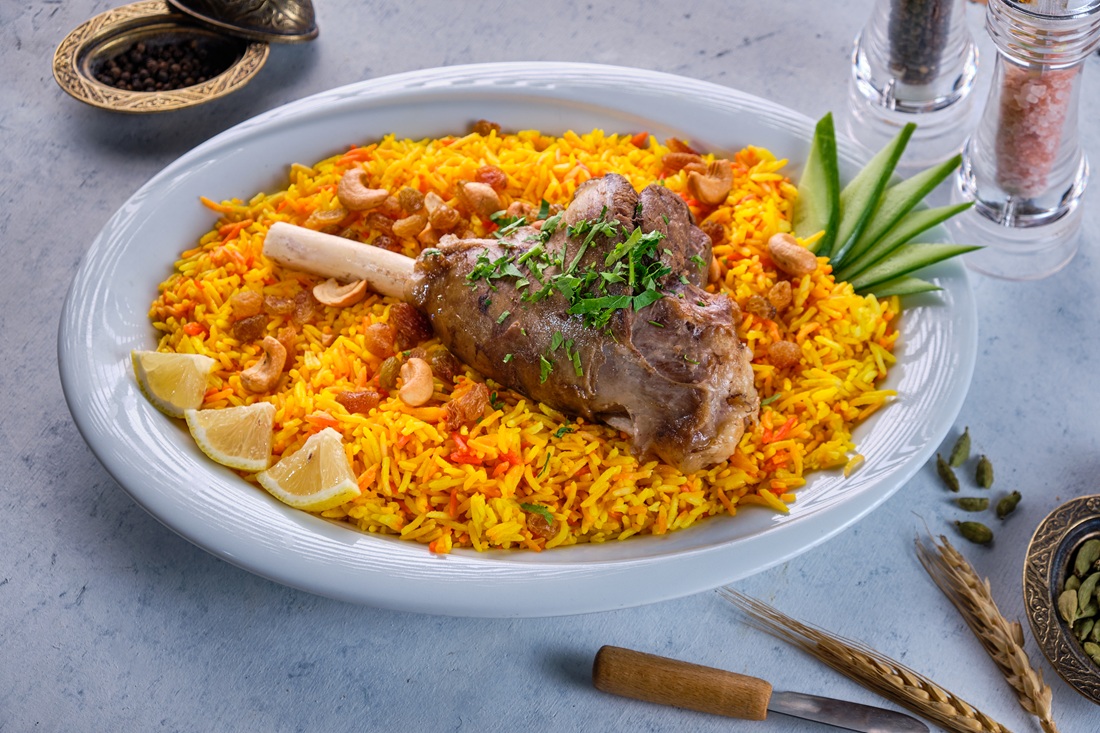
Introduction
The humble Biryani, often called the "crown jewel" of Indian cuisine, is no longer just a local favorite—it’s a global phenomenon. While its roots are deeply embedded in the royal kitchens of the Mughals and the Nizams, the dish is currently undergoing a modern evolution. By blending traditional Indian spices with international techniques and ingredients, we are seeing the rise of a "Global Biryani" that respects its heritage while speaking a universal culinary language.
The Evolution of the Grain
The traditional Biryani—whether it’s the spicy Hyderabadi Biryani or the subtle, potato-laden Kolkata version—relies on the Dum (slow-cooking) method. However, as it travels across borders, we see fascinating fusions. In London, chefs are experimenting with Truffle Biryani, while in New York, the Quinoa Biryani has become a health-conscious staple.
According to culinary historian Lizzie Collingham in her book Curry: A Tale of Cooks and Conquerors, Biryani has always been an adaptable dish, born from the fusion of Persian pilaf and spicy Indian rice traditions. Today, that adaptability is being pushed further by incorporating premium global ingredients like Wagyu beef, Spanish saffron, or even Mexican chipotle peppers to add a smoky depth.

Image: A western man eating biriyani
Recipe: The Indo-Mediterranean Saffron & Lamb Biryani
A sophisticated twist using Mediterranean herbs and slow-roasted lamb shank techniques.
Detail | Duration / Level |
Preparation Time | 45 Minutes |
Cooking Time | 1 Hour 15 Minutes |
Total Time | 2 Hours |
Servings | 4 People |
Difficulty Level | Medium |
Nutritional Profile (Per Serving)
Calories: 650 kcal
Protein: 35g
Carbohydrates: 58g
Fats: 28g
Fiber: 4g
Ingredients & Measurements
Protein: 750g Lamb Shank (cut into 2-inch chunks).
Rice: 500g Extra-long grain Basmati rice (soaked for 30 mins).
The Global Twist: 1 tsp Spanish Saffron threads soaked in warm milk.
Aromatics: 2 large onions (thinly sliced), 1 tbsp Ginger-Garlic paste.
Herbs: 1/2 cup fresh Mint, 1/2 cup fresh Parsley (replaces some cilantro for a Mediterranean zest).
Fat: 3 tbsp Ghee or Olive oil.
Spices: 2 Cinnamon sticks, 4 Green Cardamoms, 1 tsp Cumin seeds, 1 tsp Smoked Paprika (for a global smoky note).
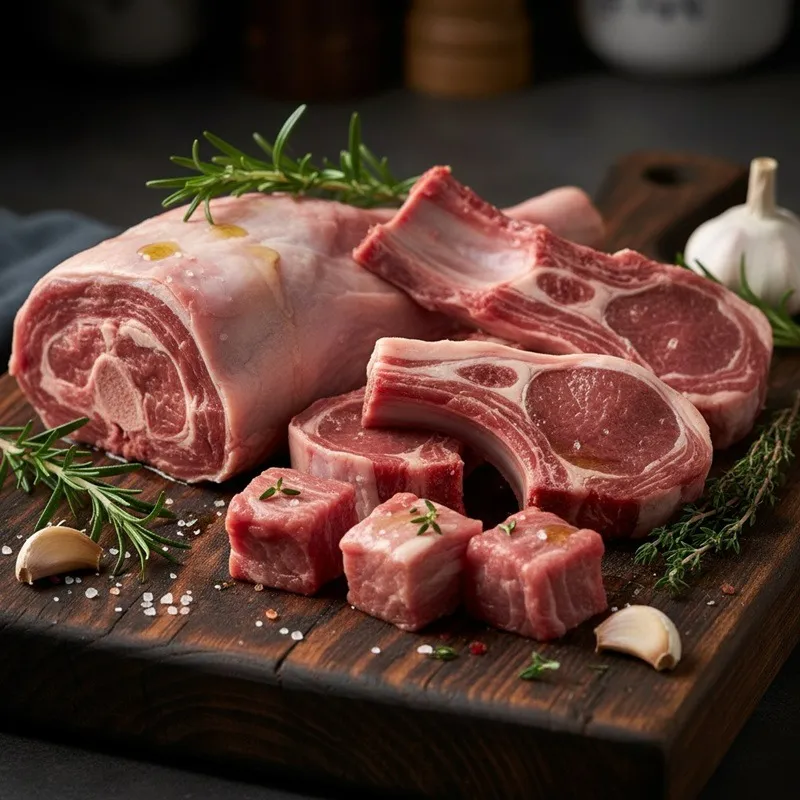
Image : Fresh Lamb
Best Practices & Substitutes
Rice Quality: Always use aged Basmati; if unavailable, Jasmine rice can work but will be stickier.
Meat Substitutes: For a vegetarian version, use 500g of King Oyster mushrooms or Halloumi cheese.
Saffron: If Spanish Saffron is too expensive, use a pinch of turmeric for color and a drop of Kewra water for aroma.
Measurement: Use a standard measuring cup (240ml) for rice and water ratios.
The Crust: To get the perfect Tahdig (Persian-style crispy bottom), add a thin layer of yogurt and rice at the very base of the pot.
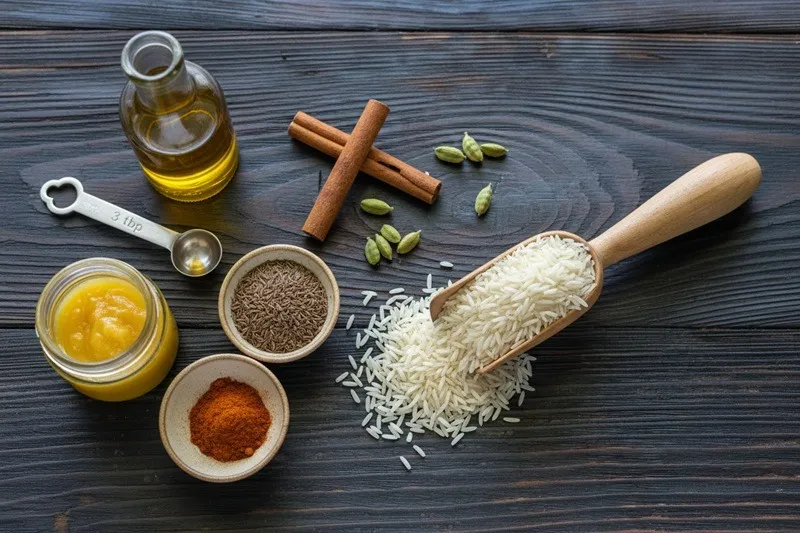
Image : Spices and basmati rice
Step-by-Step Instructions
Marination: Coat the lamb in yogurt, ginger-garlic paste, smoked paprika, and salt. Let it rest for at least 30 minutes.
The Base: Heat ghee in a heavy-bottomed pot. Fry onions until golden brown (Barista). Remove half for garnish.
Searing: Add the lamb to the pot and sear on high heat until browned. Add a splash of water, cover, and cook until 80% tender.
Par-boiling: In a separate pot, boil water with whole spices and salt. Cook rice until it is 70% done (it should still have a bite).
Layering: Spread a layer of meat, followed by a layer of rice. Sprinkle parsley, mint, and the saffron-milk infusion.
The Dum: Seal the lid with dough or foil. Cook on very low heat for 20 minutes.
Resting: Let the pot sit unopened for 10 minutes before fluffing the rice.
Conclusion
This Indo-Mediterranean Saffron & Lamb Biryani is a testament to how traditional flavors can be elevated with global influences. By swapping standard chili for smoked paprika and adding parsley for freshness, the dish retains its soul while offering a profile that appeals to a modern, international palate.
It’s time to take your Biryani game beyond the local takeaway style and experiment with these premium textures. Have you ever tried adding a non-traditional ingredient to your rice dishes? Tell us your favorite fusion experiments in the comments, and don't forget to share a photo of your creation if you try this recipe!
FAQs
Q1. What exactly makes a Biryani "Global"?
Ans) A global twist involves incorporating non-traditional ingredients (like quinoa, truffle oil, or smoked paprika) or using international cooking techniques (like French sous-vide for meat or Persian-style Tahdig for a crispy rice crust) while maintaining the layered structure of the dish.
Q2. Can I use brown rice or quinoa instead of Basmati?
Ans) Yes. To make it a "Global Health" twist, you can use quinoa or brown rice. However, since these grains have different water absorption rates, you must cook them separately until fully tender before layering them with the meat or vegetables.
Q3. What is a good substitute for Spanish Saffron?
Ans) While Spanish Saffron is prized for its floral aroma, you can achieve a similar golden hue using a small amount of high-quality turmeric or "Safflower." For the aroma, a drop of rose water or Kewra essence is a common alternative.
Q4. Why is smoked paprika used in this global version?
Ans) Traditional Biryani uses red chili powder for heat. Smoked paprika (pimentón) adds a mild warmth and a deep, woody smokiness reminiscent of Mediterranean and Spanish cuisine, which complements the charred flavor of the meat.
Q5. How do I prevent the rice from becoming mushy?
Ans) The "70% rule" is vital. Par-boil your rice in plenty of salted water and drain it the moment the grain breaks when pressed between your fingers but still feels firm in the center. It finishes cooking during the Dum (steaming) phase.
Q6. Is it possible to make a vegan version of a Global Biryani?
Ans) Absolutely. Replace the meat with protein-rich substitutes like Tempeh, Seitan, or King Oyster mushrooms. Use coconut oil or vegan butter instead of ghee, and use almond or soy milk for the saffron infusion.
Q7. Why add Parsley instead of just Cilantro (Coriander)?
Ans) Parsley is a staple in Mediterranean cooking. It offers a cleaner, more peppery finish compared to the citrusy, pungent notes of cilantro, giving the Biryani a fresh, "fusion" flavor profile.
Q8. What is the best way to store and reheat fusion Biryani?
Ans) Store it in an airtight container for up to 3 days. To reheat, avoid the microwave if possible; instead, steam it in a covered pan with a sprinkle of water to restore the moisture to the grains.
Q9. Can I make this in an Instant Pot or Pressure Cooker?
Ans) Yes, though the "twist" often relies on the texture of layered cooking. For an Instant Pot, use the "Sauté" function for the meat and then the "Pressure Cook" function for the rice, but reduce the water ratio to 1:1.25 to avoid sogginess.
Q10. What global side dishes pair well with this?
Ans) Instead of a standard Onion Raita, try a Greek Tzatziki (cucumber and garlic yogurt) or a Turkish Sumac Salad (onions, parsley, and sumac). These provide a bright acidity that cuts through the richness of the lamb.
-By Chithra Sooraj (Content Contributor)
