From Rome With Flavor: Cacio e Pepe Done Right
February 19, 2026
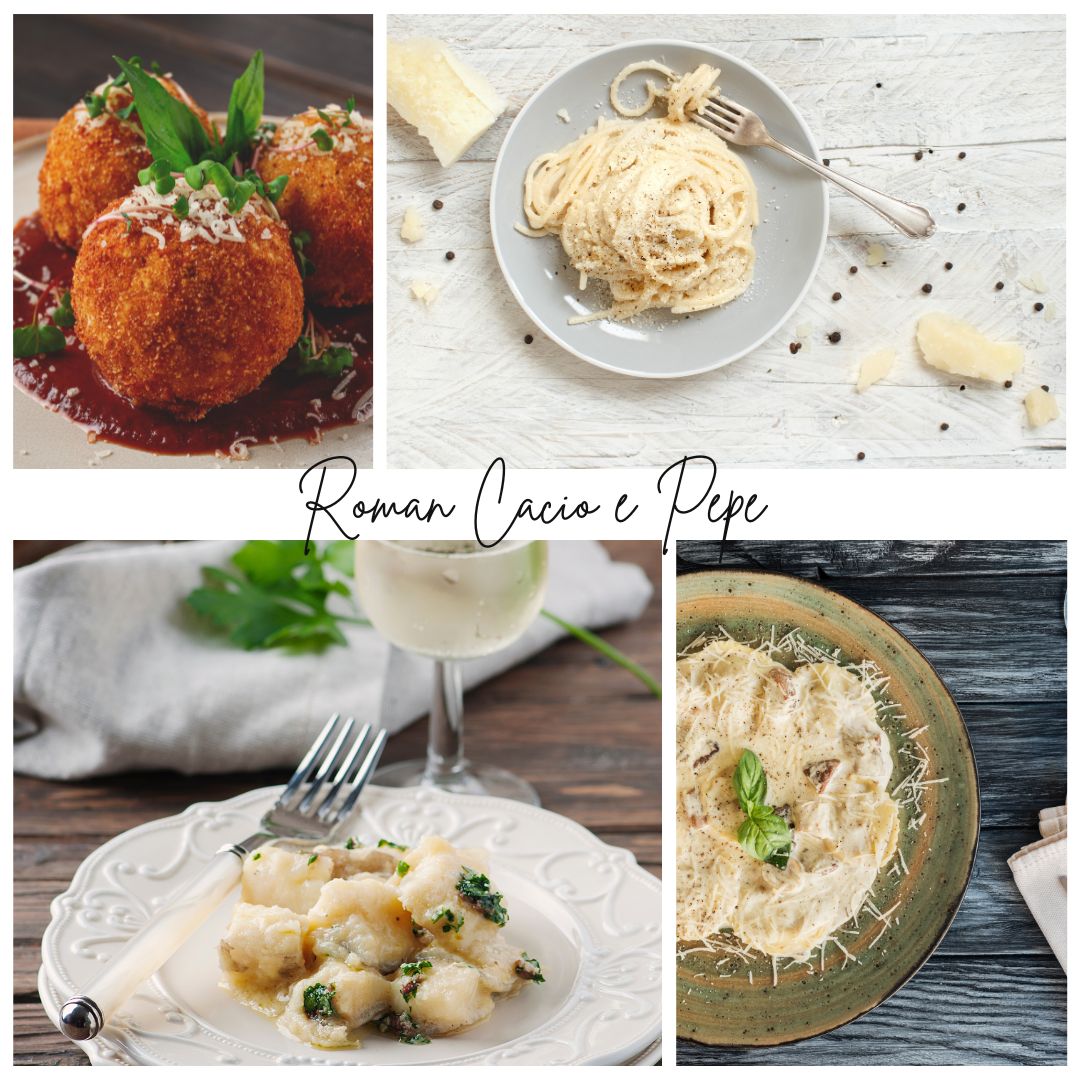
Pasta has always been my comfort food; when I’m down and need an instant mood-booster, a cheesy pasta should be on its way. While I get into preparation and assembling the whole pasta recipes its like therapy ahead. And if you are making a pasta that is coming all the way from Roman routes, you need to make it the right way. Today, we will learn a very basic but flavourful pasta recipe, Cacio e Pepe.
As a passionate culinary artisan, I often like to indulge in authentic flavours, and this pasta recipe with three simple ingredients will give you the opportunity to indulge in creamy, cheesy delights. Let's know more about it.
Cacio e Pepe: The History and Origin of Rome’s Classic
Long before Cacio e Pepe turned into a global restaurant darling and social media sensation, it was a humble survival meal of Roman shepherds. The name “Cacio e Pepe” translates directly to “cheese and pepper” in the Roman dialect, with “cacio” referring to aged sheep’s milk cheese and “pepe” meaning pepper. The name itself captures the soul of the dish: simplicity with intention.

The three ingredients used in Cacio e Pepe are dried pasta, aged pecorino cheese, and black pepper, and they can withstand long journeys. As they moved across the Lazio countryside tending their flocks, they relied on these simple, non-perishable ingredients. These require no refrigeration, are easy to carry, and could be transformed into a nourishing meal over a fire, reflecting practicality shaped by pastoral life.
With just a handful of ingredients, the pasta recipe showcases the Roman culinary philosophy of restraint, where technique and balance elevate basic components into something deeply flavorful, comforting, and timeless. Now, to truly indulge lets know how to make this Roman classic cacio e pepe pasta.
People Are Curious About
1. What restaurant in Rome is famous for Cacio e Pepe?
Ans) One of the most famous places for Cacio e Pepe in Rome is Felice a Testaccio, known for preparing the dish tableside with traditional technique. Another iconic spot is Roscioli, celebrated for its rich, authentic Roman flavors and perfectly balanced cheese and pepper emulsion loved by locals and visitors.
2. What is Italy’s oldest cheese?
Ans) Pecorino Romano is considered one of Italy’s oldest cheeses, dating back over 2,000 years to Ancient Rome. Roman soldiers consumed it for nutrition and long shelf life. Made from sheep’s milk, it remains a staple in traditional Italian cuisine, especially in classic pasta dishes like Cacio e Pepe.
3. Are Pecorino Romano and Parmesan the same?
Ans) Pecorino Romano and Parmigiano Reggiano are not the same. Pecorino Romano is made from sheep’s milk and has a sharper, saltier taste, while Parmesan comes from cow’s milk and tastes nuttier and milder. Their textures and aging processes also differ significantly.
4. Is cheese good for health?
Ans) Cheese can be healthy in moderation as it provides protein, calcium, and essential nutrients that support bone and muscle health. However, it is also high in saturated fat and sodium, so portion control is important. Choosing natural, minimally processed cheeses and balancing them with a varied diet supports better overall health.
5. What are the 5 most healthy and popular cheeses?
Ans) Some of the healthiest and most popular cheeses include Mozzarella, Feta, Ricotta, Cottage Cheese, and Parmesan. They offer protein, calcium, and beneficial nutrients while varying in fat content, making them suitable for balanced diets when consumed mindfully.
Cacio e Pepe: Rome’s Humble Pasta That Conquered the World
Ingredients (Serves 2–3)

- 250g spaghetti or tonnarelli (traditional Roman choice)
- 1½ cups finely grated Pecorino Romano (freshly grated)
- 1½–2 teaspoons freshly cracked black pepper
- Salt (for pasta water)
- Reserved pasta water (about 1 cup)
Method:
- Toast the Pepper
- In a large pan, dry-toast the freshly cracked black pepper over medium heat for about 1 minute until fragrant. This enhances its aroma and adds depth.
- You can even roast whole black pepper corns first and then crush them, make sure use a stone grinder, it retains the authentic taste. Your pepper crush texture should be according to your liking. I like fine powder, so I make it accordingly.
- Cook the Pasta
- Boil pasta in well-salted water until al dente. Before draining, reserve at least 1 cup of starchy pasta water; this is key to the creamy sauce.
- Use any type of pasta you like. I prefer gnocchi for the extra flavours it adds.
- Create the Sauce
- In a bowl, mix grated Pecorino with a few tablespoons of warm pasta water to form a smooth paste.
- In a pan on low heat, add crushed pepperand some pasta water. Let it simmer briefly. Add drained pasta and toss well.
- Remove the pan from direct heat and gradually toss in the cheese mixture, stirring continuously. Add more pasta water as needed to create a silky, creamy coating, without clumps.
- Serve Immediately
- Plate quickly. Finish with extra Pecorino and a sprinkle of black pepper.
- You can garnish it with parsley.
- You can serve it warm right from the pan and devour it.
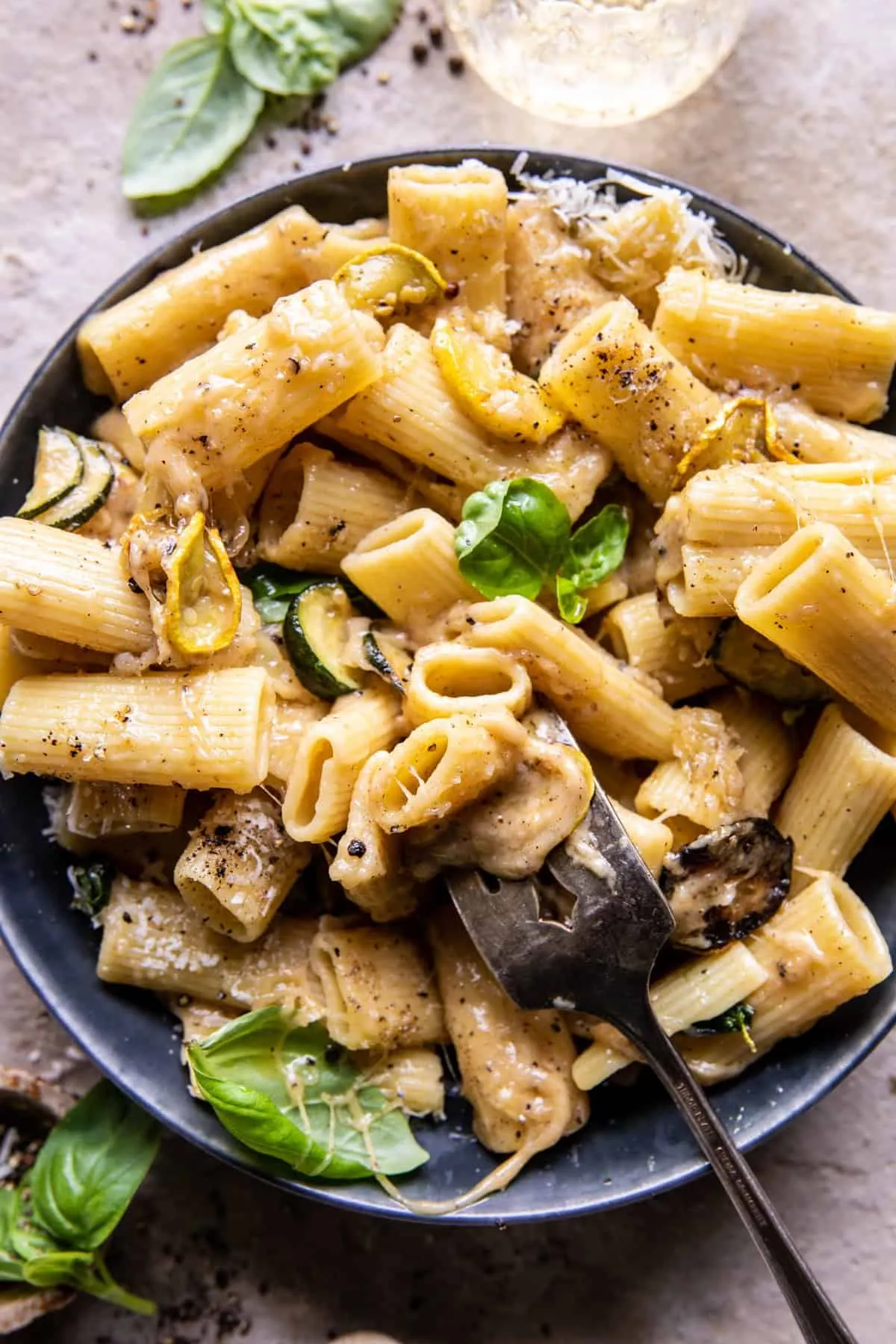
- If you want any extra flavour additions, are possible; I like to add caramelized onions and mushrooms to add additional flavour. You can use spinach, mushrooms, zucchini, or broccoli.
- One time, I even tried the Ravioli Cacio e Pepe; the procedure is the same, just the base ravioli makes it decadent.
- If you want to experiment and are in the mood, you can try Cacio e Pepe Arancini, the classic fusion of Roman cacio e pepe and Sicilian fried risotto balls.
- For non-veg topping, you can use becan, salami, or fried/roasted chicken.
People Are Curious About
1. How to perfectly make cacio e pepe?
Ans) Use high-quality Pecorino Romano, freshly cracked black pepper, and starchy pasta water. Cook pasta until al dente, toast pepper lightly, and emulsify grated cheese with warm pasta water off the heat. Toss pasta vigorously to create a creamy sauce without clumping. Temperature control and constant mixing are key to perfection.
2. What is special about Cacio e Pepe?
Ans) Cacio e Pepe is special for its minimalist ingredients and technique-driven flavor. Made with just pasta, Pecorino Romano, and black pepper, it reflects Roman culinary simplicity. The magic lies in emulsifying cheese and pasta water into a creamy sauce without cream, showcasing how restraint and skill transform basic ingredients into an iconic dish.
3. Best cheese to use in Cacio e Pepe?
Ans) The best cheese for Cacio e Pepe is Pecorino Romano, a sharp, salty sheep’s milk cheese that melts smoothly when emulsified with pasta water. Its bold flavor defines the dish’s authenticity. Finely grated, high-quality Pecorino ensures a creamy texture and balanced taste without needing additional dairy or heavy ingredients.
4. Do Italians put oil in their pasta water?
Ans) Traditionally, Italians do not add oil to pasta water. Oil can coat the pasta surface, preventing sauces from clinging properly. Instead, they rely on salted boiling water and proper stirring to avoid sticking. This method preserves texture and helps the sauce adhere better, especially in classic dishes like Cacio e Pepe.
5. Why put salt in pasta water?
Ans) Salt is added to pasta water to season the pasta from within as it cooks. Properly salted water enhances flavor and balances the final dish, especially in simple recipes. It also slightly raises the boiling point and improves taste consistency, ensuring the pasta itself is flavorful rather than relying only on the sauce.
6. Should one rinse pasta after boiling it?
Ans) Pasta should generally not be rinsed after boiling because rinsing removes the surface starch that helps sauces stick. Keeping that starch is essential for creamy emulsified sauces like Cacio e Pepe. Rinsing is only useful for cold pasta salads or stopping overcooking, not for traditional hot pasta dishes.
Garnishing Final Thoughts
Cacio e Pepe proves that simplicity is powerful. With just pasta, cheese, and pepper, this Roman classic delivers bold, comforting flavor. When you are not in the mood to make extravagant dishes yet wanna feel comfortable indulgent, Cacio e Pepe Roma is the best option. It’s a lesson in technique over complexity. When done right, it’s pure culinary magic in every bite.
Hope this helps you make a perfect Italian delicacy. Stay tuned for more such recipes.
By P. Manika (Performist Content Writer)
