Festive Slices: The Traditional Tales of Christmas Dessert Worldwide
December 11, 2025
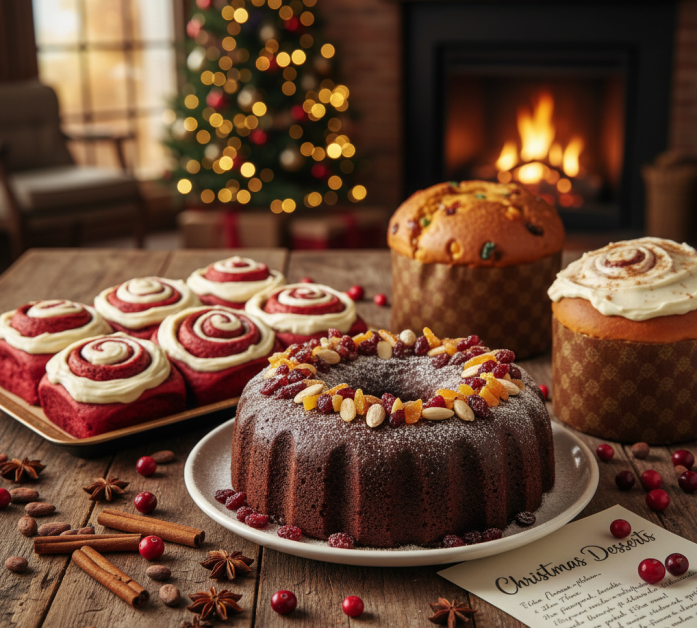
Christmas is a celebration of Jesus Christ’s birth, a season of joy, family, and indulgence, and nothing captures the festive spirit quite like sweets and cakes. Across centuries and continents, desserts became a symbol of celebration, gratitude, and togetherness. Over the years, every culture has developed its own sweet traditions, each with meaning and magic.
Today, we will delve into the world of Christmas sweets, indulge in its rich history, Christmas desserts around the world. We will also learn how to make the perfect Christmas dessert with recipes.
From Plum Cake to Panettone: The Global Stories on The Origin of Christmas Cakes
Sweets naturally found their way into celebration, and Christmas dessert traditions around the world represent warmth and togetherness during the cold winter months. Spices like cinnamon, nutmeg, and cloves, once rare, were used to “sweeten” blessings for the year ahead.
In medieval Europe, dried fruits, spices, and sugar were highly valued commodities reserved for special occasions, and they became a staple of Christmas luxury desserts. In England, people prepared a spiced porridge called frumenty made with oats, dried fruits, and honey. Over time, as ingredients like butter, eggs, and wheat flour became more accessible, this porridge evolved into a richer, baked treat, eventually becoming the iconic Christmas plum cake, named not for plums but for the dried fruits that filled it. By the 16th and 17th centuries, Christmas cake had become a celebratory bake across Europe, symbolizing abundance, warmth, and festive joy.
Different cultures soon developed their own versions, each shaped by local flavors and traditions. In Germany, the famous Stollen, dusted with sugar like a snowy blanket, became a symbol of the Christ Child. Italy’s Panettone originated in Milan as a tall, airy bread enriched with citrus peel and raisins, representing abundance. Across the Channel, Britain’s Christmas Fruitcake remains a classic, often fed with brandy for weeks to deepen its flavors. In Latin America, Pan de Pascua in Chile and Pão de Mel in Brazil feature a unique combination of spices, honey, and dried fruits. The Caribbean celebrates with Black Cake, a dark, rum-soaked fruitcake bursting with intense flavor.
In Japan, Christmas is marked not by fruitcakes but by a bright, fluffy Strawberry Shortcake, now synonymous with holiday cheer. India, too, has its beloved Kerala Plum Cake, rich, spiced, and often made with caramelized sugar and rum-soaked fruit—a beautiful blend of colonial influence and local tradition. At the same time, Puerto Rico’s Coquito desserts, Sweden’s saffron buns, and the Philippines’ bibingka each tell their own festive story.
Today, whether it's a classic fruitcake or a modern red velvet creation, Christmas dessert names may be different, but they remain a universal language of love and celebration. In this blog, you will find the Christmas cake recipe in detail.
The Dessert Wonderland: Christmas Dessert Recipes
Classic Christmas Plum Cake
Without the classic Christmas plum cake, the celebration feels incomplete; it feels like the amalgamation of all things Christmas. Here is the classic Christmas plum cake recipe.
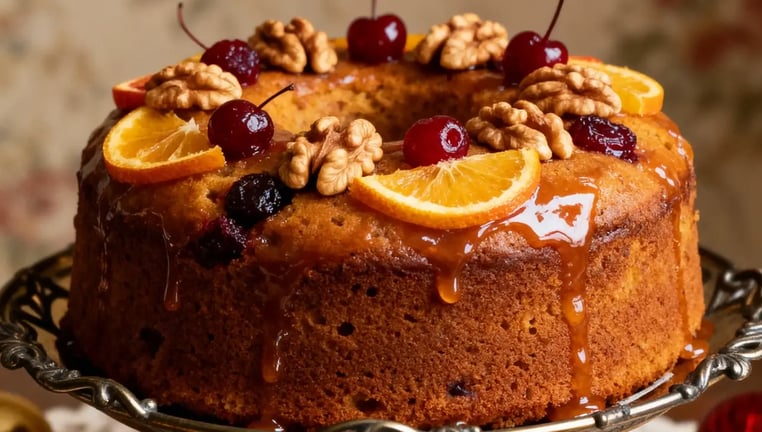
Ingredients:
For Soaking the Fruits (1night-1 week)
½ cup raisins
½ cup black currants
¼ cup chopped dates
¼ cup candied orange peel
¼ cup cherries
¼ cup prunes (optional)
½ cup rum/brandy/orange juice (non-alcoholic option)
For Caramel
½ cup sugar
2 tbsp water
¼ cup hot water (to dilute caramel)
Dry Ingredients
1 ½ cups all-purpose flour
1 tsp baking powder
½ tsp baking soda
1 tsp cinnamon powder
½ tsp nutmeg powder
½ tsp clove powder
Pinch of salt
Wet Ingredients
½ cup butter (softened)
½ cup brown sugar
2 large eggs
1 tsp vanilla extract
Zest of 1 orange
Method:
Soak Fruits: Mix all dry fruits in a bowl and pour rum/brandy/orange juice over them. Cover and soak overnight can be anywhere from 1 night to 1 week; the longer, the better flavor.
Make the Caramel: Heat sugar with 2 tbsp water until it melts and turns a deep amber color. Carefully add ¼ cup of hot water to dilute the mixture. Cool completely.
Prepare the Batter: Mix and beat the remaining cream, butter, and brown sugar until fluffy. Add eggs one at a time. Stir in vanilla, orange zest, and cooled caramel. (for a vegetarian option, instead of egg, add yoghurt
Combine Dry Ingredients: Sift flour, baking powder, baking soda, salt, and spices. Fold gently into the wet mix.
Add Soaked Fruits: Mix the soaked fruits with 1 tbsp of flour, then fold them into the batter.
Bake and mature the Cake: Pour into a lined cake tin. Bake at 160°C for 55–70 minutes, or until a skewer comes out clean. Brush with rum/brandy and store wrapped for 3–7 days for a deeper flavor.
People Are Curious About:
1. What is Christmas plum cake?
Ans) Christmas plum cake is a traditional holiday dessert made with soaked dried fruits, nuts, warm spices, and a moist batter enriched with caramel or brown sugar. Despite its name, modern versions rarely use actual plums. The cake is deeply aromatic, slightly dense, and often contains rum or brandy, soaked fruits, giving it a rich, festive flavor perfect for Christmas celebrations.
2. Which Christmas cake is best?
Ans) The “best” Christmas cake depends on taste and tradition. Classic plum cake remains the most popular for its rich, fruity flavor. Italian Panettone is loved for its airy texture and citrus notes, while British Christmas pudding is cherished for its dense, boozy warmth. Lighter options like Yule logs (Bûche de Noël) appeal to those who prefer creamy, chocolate-filled desserts.
3. How long does one need to soak fruit and dry fruit for perfect flavouring?
Ans) For the best flavor, soak dried fruits for at least 24 hours, but longer soaking, 1 to 4 weeks, creates deeper richness. Traditional recipes soak fruits for 1 to 3 months in rum, brandy, wine, or juice. If short on time, quick-soaking by gently heating fruits with liquid for 10–15 minutes also works, though the flavor is milder.
Red Velvet Cinnamon Roll
A modern, festive twist on a classic, rich red velvet sponge rolled with a cinnamon-kissed cream cheese filling.

Ingredients
For the Dough
3¼ cups all-purpose flour
½ cup warm milk
½ cup buttermilk
⅓ cup sugar
⅓ cup unsalted butter, softened
1 large egg
1 tablespoon cocoa powder
1 teaspoon red gel food color
2¼ teaspoons active dry yeast
½ teaspoon salt
For the Filling
½ cup unsalted butter, softened
¾ cup brown sugar
1 tablespoon cinnamon
1 tablespoon cocoa powder (optional)
For the Cream Cheese Frosting
4 ounces cream cheese, softened
3 tablespoons butter, softened
1 cup powdered sugar
1 teaspoon vanilla extract
1–2 tablespoons milk
Method:
Prepare the Dough: Warm the milk and buttermilk, making sure it’s not too hot. Add yeast and 1 tablespoon sugar; let it foam for 5 minutes. In a bowl, combine butter, egg, the rest of the sugar, cocoa powder, food color, and salt. Add the yeasted milk mixture, then gradually add flour and knead for 8–10 minutes until smooth. Cover and let rise for 1 hour or until doubled.
Prepare the Filling: Mix softened butter, brown sugar, cinnamon, and cocoa powder. Set aside.
Shape the Rolls: Punch down the dough and roll it into a large rectangle. Spread the cinnamon filling evenly. Roll tightly and cut into 12 equal rolls. Place in a greased baking pan, cover, and let rise 30–40 minutes.
Bake: Bake at 180°C (350°F) for 22–25 minutes, until fluffy and lightly golden.
Frosting: Beat cream cheese and butter until smooth. Add powdered sugar and vanilla. Adjust consistency with milk. Spread over warm rolls for a gooey glaze.
People Are Curious About:
1. What are the different toppings used in Cinnamon rolls?
Ans) Cinnamon rolls can be topped with a variety of delicious finishes. The classic choice is cream cheese frosting, rich and tangy. Other popular options include vanilla glaze, caramel drizzle, maple icing, chocolate ganache, or brown sugar–butter glaze. Some add toppings like crushed pecans, walnuts, sprinkles, or cinnamon sugar dust for extra texture and festive flair.
2. Can cinnamon rolls be made without red velvet flavour?
Ans) Absolutely, cinnamon rolls are traditionally made without red velvet flavor. The classic recipe uses a soft, buttery dough rolled with cinnamon, sugar, and butter. Red velvet is simply a creative variation. You can make cinnamon rolls in other flavors too, like orange zest, chocolate, cardamom, pumpkin spice, or maple pecan. The basic cinnamon roll remains deliciously timeless on its own.
Traditional Panettone Recipe
This is the traditional Italian Christmas bread, made in a signature dome shape, with a buttery, slightly sweet flavor, making it a festive favorite

Ingredients (Makes 1 large panettone 1 kg)
For the Starter (Biga)
½ cup all-purpose flour
¼ cup warm water
½ teaspoon active dry yeast
For the Dough
3 cups all-purpose flour
½ cup sugar
½ teaspoon salt
2 teaspoons active dry yeast
4 large eggs (room temperature)
1 egg yolk
⅓ cup warm milk
1 tablespoon honey
1 teaspoon vanilla extract
Zest of 1 orange
Zest of 1 lemon
½ cup unsalted butter, softened
For the Fruit Mixture
½ cup raisins
½ cup candied orange peel
2 tablespoons rum or warm water
1 tablespoon orange juice
For Finishing
Extra butter for brushing
Powdered sugar (optional)
Method:
Make the Starter: Mix flour, water, and yeast in a small bowl. Cover and let rise for 6–8 hours or overnight until bubbly and doubled. This helps develop classic panettone flavor and texture.
Prepare the Fruit: Soak raisins and candied peel in rum (or warm water + orange juice). Let sit for at least 30 minutes, then drain and pat dry. This keeps the fruits soft and fragrant.
Make the Dough: In a large bowl or stand mixer, combine flour, sugar, salt, and yeast. Add eggs, egg yolk, warm milk, honey, vanilla, citrus zest, and the starter. Mix on low until the dough comes together. Increase speed and knead for 8–10 minutes until smooth and elastic.
Add Butter: Add the softened butter, a tablespoon at a time. Keep kneading until fully incorporated, about 10 minutes. Dough should be glossy, stretchy, and slightly sticky. This long kneading is key to the signature airy, stretchy layers.
Add Fruit: Gently fold in the raisins and candied peel. Mix until evenly distributed.
First Rise: Transfer dough to a greased bowl. Cover and let rise for 2–3 hours until doubled.
Shape the Panettone: Punch down the dough gently. Shape into a smooth ball. Place in a 1 kg panettone mold or tall cake tin lined with parchment.
Second Rise: Let rise for 1–2 hours until the dough reaches the top of the mold. Preheat oven to 175°C (350°F).
Score and Bake: Score a cross on top. Add a small pat of butter in the center. Bake for 40–45 minutes. If the top browns too fast, cover loosely with foil.
Cool Upside Down (Important): Traditional panettone is cooled upside down to prevent collapsing. Insert two metal skewers through the base. Hang it upside down between two tall objects for 6 hours. This ensures the iconic tall, airy structure.
Serve: Slice into tall wedges and enjoy with coffee, hot chocolate, or wine. Panettone stays fresh for 5–7 days when wrapped tightly.
People Are Curious About:
1. What is the original Panettone?
Ans) The original Panettone is a traditional Milanese Christmas bread dating back to the 15th century. It’s made from a slow-fermented dough enriched with butter, eggs, sugar, and natural yeast, giving it a tall, airy texture. Classic Panettone includes candied orange peel, citron, and raisins, creating a fragrant, subtly sweet loaf enjoyed across Italy during the festive season.
2. Why is the Christmas dessert Panettone so expensive?
Ans) Panettone is expensive because it requires high-quality ingredients, skilled craftsmanship, and an extremely long fermentation process, sometimes up to 72 hours. Authentic artisan Panettone is made with natural sourdough, handcrafted shaping, and multiple proofing stages. The meticulous method, combined with premium butter, eggs, and candied fruits, increases production time and cost, making it a luxury Christmas dessert.
So whether it’s the heritage of a fruitcake or the modern charm of a red velvet cinnamon roll, Christmas desserts bring warmth, nostalgia, and joy. These sweet creations carry stories from the past and flavors that fill the season with magic. This Christmas season, indulge in these sweet treats.
By P. Manika (Performist Content Writer)
