Crunch Spice and Soul: Korean Comfort Classics Food You Must Try
January 25, 2026
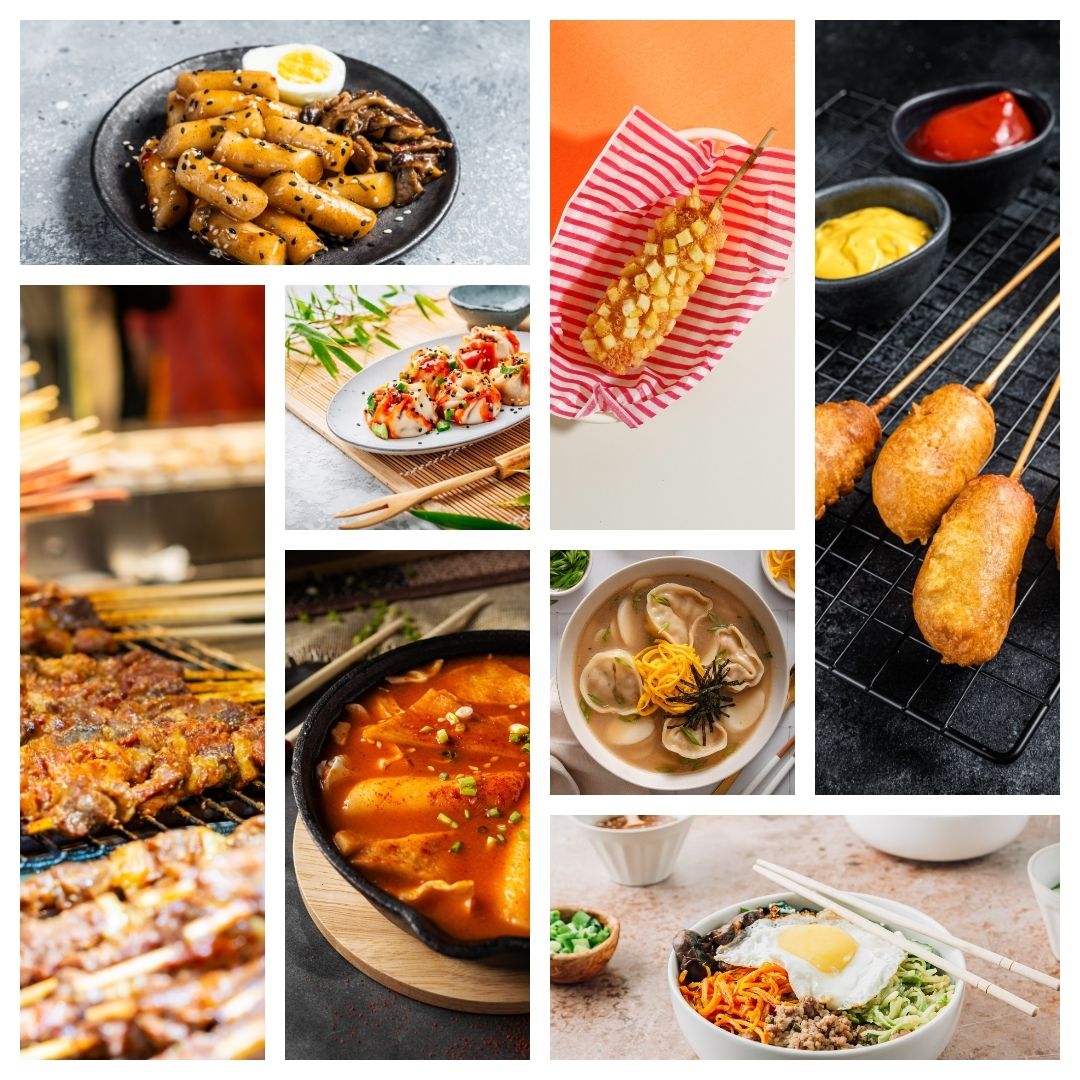
The explosive global rise of K-pop and K-dramas has done more than redefine music charts and streaming platforms; it has transformed the way the world consumes entertainment. From binge-watching late-night ramen scenes in Crash Landing on You to street-food moments in idol vlogs, Korean food has become a cultural obsession.
Fans no longer just want to listen or watch; they want to experience Korea. Social media, mukbangs, and food reels have turned Korean dishes into comfort foods far beyond Seoul, sparking curiosity and cravings worldwide.
Inside Korean Cuisine: Bold Balanced Flavours With Story
Korean cuisine is deeply rooted in balance, tradition, and bold flavours. It’s known for its harmonious mix of spicy, sweet, savoury, fermented, and umami elements. Staples like gochujang (chilli paste), doenjang (soybean paste), sesame oil, garlic, and fermented vegetables define its soul. What sets Korean food apart is,
- Fermentation: This helps the flavours to seep in, giving the dish depth, and aids gut health
- Communal eating: South Korean food culture is rich with community cooking and shared dishes. Preparing food is not just a culinary art but a communal ritual
- Contrast: You would find Korean dishes vary in textures; they are crunchy, chewy, soft, and silky in one meal
- Comfort factor: food that feels hearty, warming, and nostalgic
Now, let’s dive into the making of some iconic comfort classics, soul Korean food you absolutely must try.
Recipe for Classic Korean Dishes
Korean Mandu (Dumplings)
The most favourite Korean street foods Mandu, is a Korean dumpling that is enjoyed steamed, pan-fried, boiled, or added to soups. They’re filled with meat, tofu, vegetables, or kimchi.
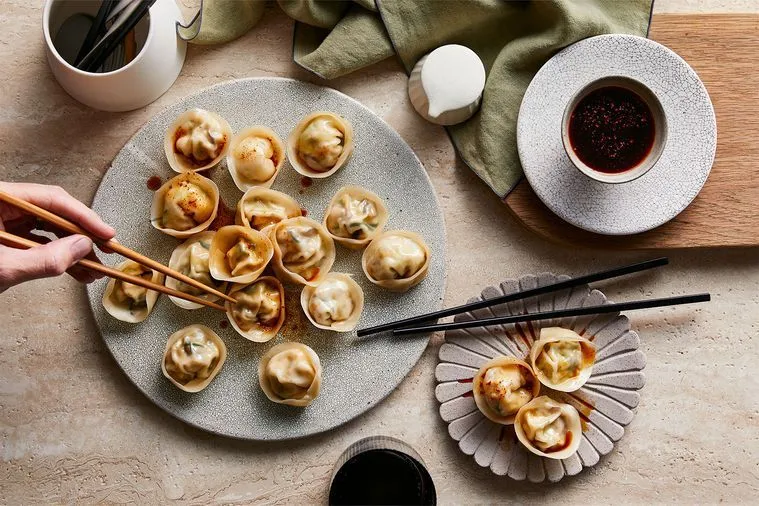
Ingredients:
- Dumpling wrappers (readymade or handmade)
- 200g minced chicken/pork (or mushrooms for veg)
- ½ cup finely chopped cabbage
- ½ cup tofu (crumbled, water squeezed out)
- 2 spring onions (chopped)
- 2 cloves garlic (minced)
- 1 tbsp soy sauce
- 1 tsp sesame oil
- Pepper to taste
Method:
- Start by getting your filling ready. Mix all the ingredients in a bowl.
- Then take the dumpling sheets and place a spoonful of filling in each wrapper, and seal the edges with water.
- Prepared your steamer and steam the dumplings for 8 to 10 minutes or pan-fry until golden. (while pan frying, coat the oil in the pan, place the dumpling and then add 2 tables spoon water, close it with a transparent lid and cook until the water evaporates and the dumplings turn golden brown)
- Once done, serve with soy sauce, vinegar, and chilli oil.
Korean Corn Dog
This is a popular Korean food recipe, a street snack that is crispy, cheesy, and slightly sweet corn dogs coated in batter, often dusted with sugar.

Ingredients:
- Mozzarella cheese sticks
- Sausages (optional)
- 1 cup rice flour/all-purpose flour
- 1 tbsp sugar
- 1 tsp baking powder
- 1 egg
- ¾ cup milk
- Panko breadcrumbs
- Oil for frying
Method:
- For the covering, mix flour, sugar, baking powder, egg, and milk into a thick batter.
- Skewer cheese or sausage, whatever you are using. (While using a skewer, be careful if it is steel, as it heats up early)
- Dip into batter and coat generously, then roll in breadcrumbs.
- Deep fry until golden brown.
- Sprinkle sugar, drizzle ketchup or mustard sauce.
- Do note to make Korean corn dog more crunchy, some use fine potato bites, or cereals on the batter in place of breadcrumbs.
People Are Curious About:
1. What is the difference between a corn dog and a Korean corn dog?
Ans) A traditional corn dog is coated in a simple cornmeal batter and deep-fried, usually filled with a hot dog. A Korean corn dog uses a yeast-based or rice flour batter, giving it a crispier, fluffier texture, and often includes fillings like mozzarella, potatoes, sugar coating, and creative toppings.
2. Is korean corn dog healthy?
Ans) Korean corn dogs are not considered healthy, but a popular indulgent Korean street food. They are deep-fried, high in refined carbohydrates, and often topped with sugar and sauces. While they can be enjoyed as an occasional indulgence, they are best eaten in moderation rather than as a regular meal.
3. What is the difference between Korean mandu and gyoza?
Ans) Korean mandu are generally larger with thicker wrappers and diverse fillings including kimchi, tofu, and vegetables. Japanese gyoza have thinner wrappers, a stronger garlic flavour, and are usually pan-fried. Mandu can be steamed, boiled, fried, or added to soups.
4. Are dumplings Chinese or Korean?
Ans) Dumplings originated in China, where they have been part of the culinary tradition for centuries. Over time, many countries adopted and adapted them, including Korea and Japan, each creating their own versions like mandu and gyoza with unique flavours and cooking styles.
5. What is the healthiest Korean dish?
Ans) Bibimbap is considered one of the healthiest Korean dishes. It features a balanced mix of vegetables, lean protein, rice, and fermented gochujang. When prepared with less oil and controlled sauce, it offers fibre, nutrients, and flavour in a wholesome meal.
Bibimbap
Bibimbap, if you are a K-drama fan, you might know the all time eatable bowl of Bibimbap. It means “mixed rice,” a colourful bowl considered among the spicy Korean recipes made of rice topped with vegetables, protein, egg, and gochujang.
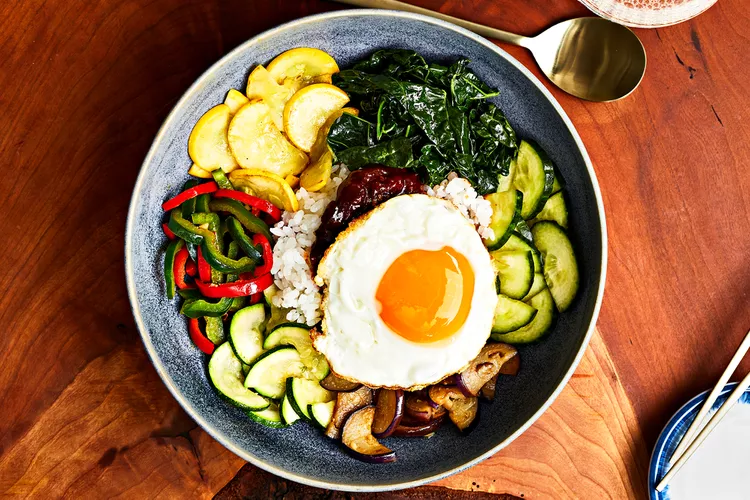
Ingredients:
- Steamed rice
- Carrots (julienned)
- Spinach (blanched)
- Mushrooms (sautéed)
- Bean sprouts
- Fried egg
- Gochujang sauce
Method:
- To start with, prepare your vegetables, stir-fry each separately with light seasoning.
- Once done, place the rice in a bowl, and arrange toppings neatly on top.
- Add a fried egg and a spoonful of gochujang sauce. If you are a fan of spice, add chilli oil
- Mix well before eating.
Tteokbokki (Spicy Rice Cakes)
Well, even though pronouncing it for non-Koreans is a task, making it is not as much. This is another beloved street-food classic, soul Korean food, the chewy rice cakes simmered in a fiery, slightly sweet sauce. So let's dive into this spicy Korean tteokbokki recipe.
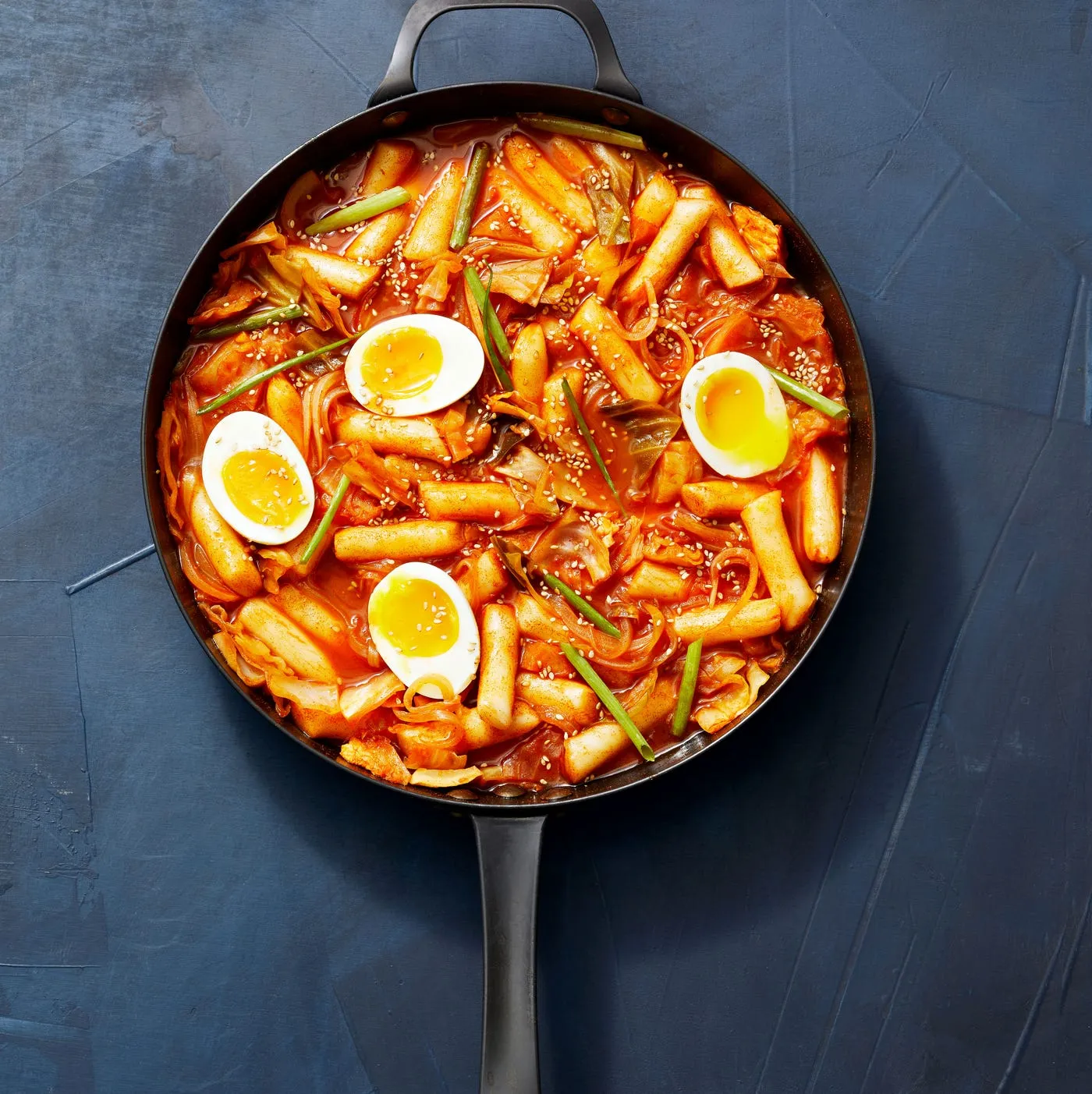
Ingredients:
- Korean rice cakes (tteok)
- 2 tbsp gochujang
- 1 tbsp soy sauce
- 1 tsp sugar
- 1 cup water or anchovy stock/ vegetable stock
- Fish cakes (optional)
- Fried egg (optional)
- Tofu (optional)
- Spring onions
Method:
- You can get the tteok ready-made or make it with rice flour. Just boil water, add rice flour, mix well and knead a dough, roll then cylindrical small shapes. You can even add flavours to the rice cake if you make it at home. You can find ready-made tteok in a nearby Korean food store or online
- Now to start preparing Tteokbokki. Boil water and add gochujang, soy sauce, and sugar, and if you want to enhance the flavour, anchovy stock is used. If you want to make a veg or vegan version of Korean Tteokbokki, use the vegetable stock.
- Add rice cakes and fish cakes. If you are making a vegetarian version of the tteokbokki recipe, add tofu instead of fish cake.
- Simmer until the sauce thickens and rice cakes soften.
- Garnish with spring onions and sesame seeds.
People Are Curious About:
1. Is Korean Bibimbap healthy?
Ans) Yes, bibimbap is generally healthy when prepared in a balanced way. It includes a variety of vegetables, lean protein, rice, and fermented gochujang, offering fibre, vitamins, and probiotics. Using moderate oil and sauce keeps it nutritious and satisfying.
2. How many calories are in 1 serving of Bibimbap?
Ans) One standard serving of bibimbap contains approximately 500–700 calories, depending on portion size, type of protein, amount of oil, and sauce used. Vegetarian versions are usually on the lower end, while beef or fried egg versions are higher.
3. Are Tteokbokki (Spicy Rice Cakes) healthy?
Ans) Tteokbokki is not considered very healthy. This one of the spicy Korean recipes that is high in refined carbohydrates and often cooked in a sugary, spicy sauce. While filling and flavourful, it is best enjoyed occasionally rather than as a regular meal.
4. What are the key flavours of Tteokbokki (Spicy Rice Cakes)?
Ans) Tteokbokki is known for its bold balance of spicy, sweet, and savoury flavours. Gochujang provides heat and depth, sugar adds sweetness, and anchovy-kelp broth brings umami, creating its addictive taste profile.
Final Bite
Korean comfort food is more than a trend; it’s a cultural experience shaped by music, storytelling, and tradition. Whether you’re recreating a K-drama dinner moment or exploring new flavours, these dishes bring together crunch, spice, and soul in every bite.
One taste, and you’ll understand why the world is getting hooked on classic Korean dishes, especially among the Indian people, as they are flavourful, with rich ingredients and spicy.
By P. Manika (Performist Content Writer)
