Comforting Monsoon Recipes: Vintage Grandma’s Recipes Passed Down Through Generations
June 19, 2026
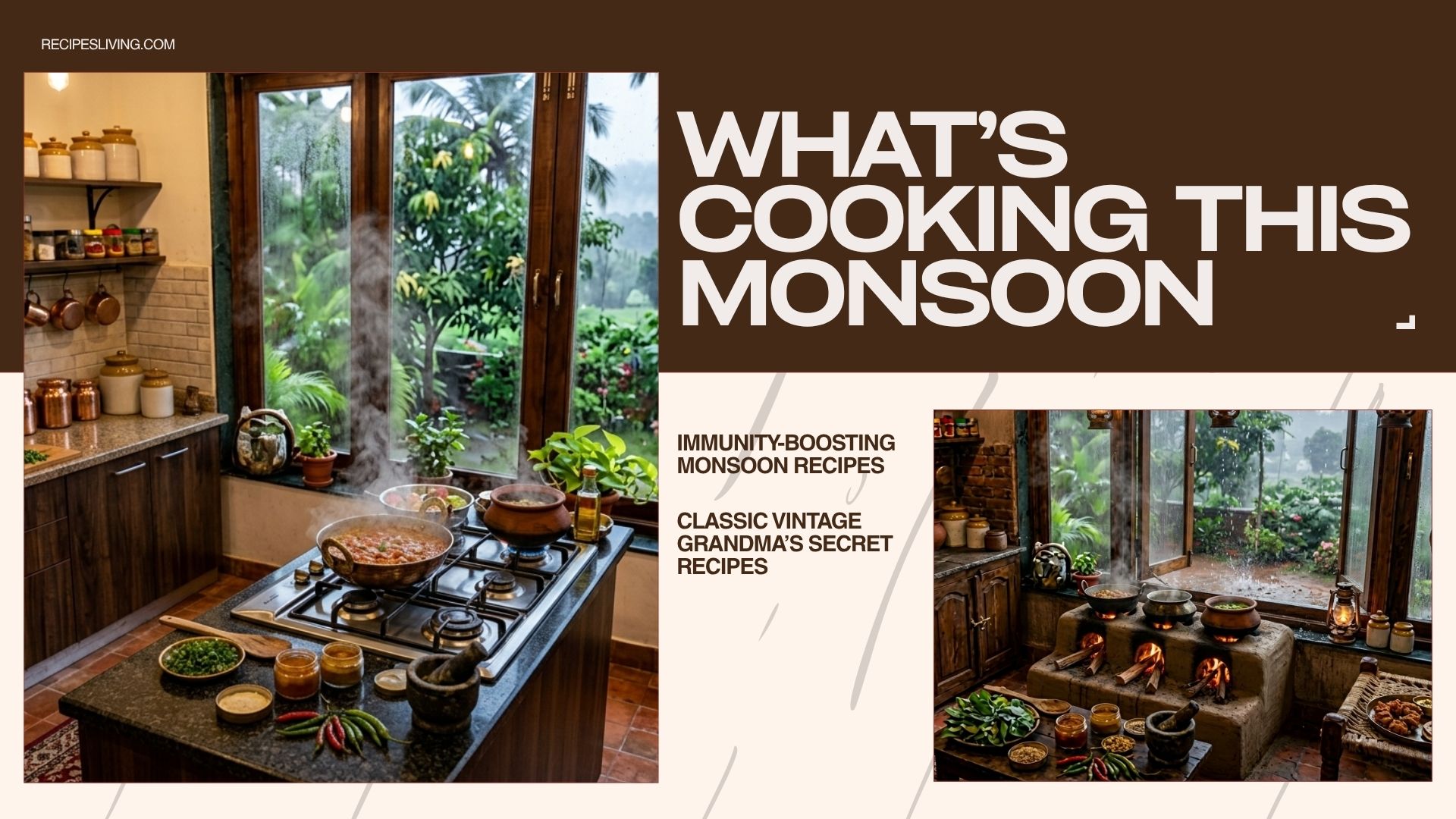
Monsoon in India is variedly received. At one end, it means the earthy aroma of wet soil, steaming cups of chai, a platter full of delicious snacks to complement, family gatherings by the window, and childhood memories of paper boats floating in puddles. For others, it means traffic snarls, damp clothes, seasonal infections, and the struggle to stay healthy amidst changing weather. Here, medicines are a cure, but what if I tell you that ages ago, that was not the case; tweaking food would do the trick most of the time.
Long before immunity shots, supplements, and wellness trends entered our lives, Indian grandmothers had their own way of preparing for the rainy season. Monsoon cuisine of India varied by region and had recipes specifically designed for the monsoon. These dishes were not merely main-course meals, but remedies passed down through generations.
Made with digestive spices, seasonal herbs, wholesome grains, and nourishing ingredients, they provided warmth, comfort, and protection against common monsoon ailments. Unfortunately, many of these recipes have slowly disappeared from modern kitchens, replaced by convenience foods and takeaway meals. This monsoon, let's revisit four forgotten treasures from Indian households that offer both nostalgia and nourishment.
Rainy Season Superfood: Immunity-Boosting Vintage Grandma’s Recipes for Better Health
Tulsi and Pepper Rasam: South India's Monsoon Elixir
Well, before herbal teas became fashionable, Indian Ayurveda recognised Tulsi and pepper as highly medicinal ingredients, and many recipes were built around them. Many classic vintage recipes across South India relied on rasam as a natural remedy during seasonal transition, and this version is a comforting broth that warms the body from within.
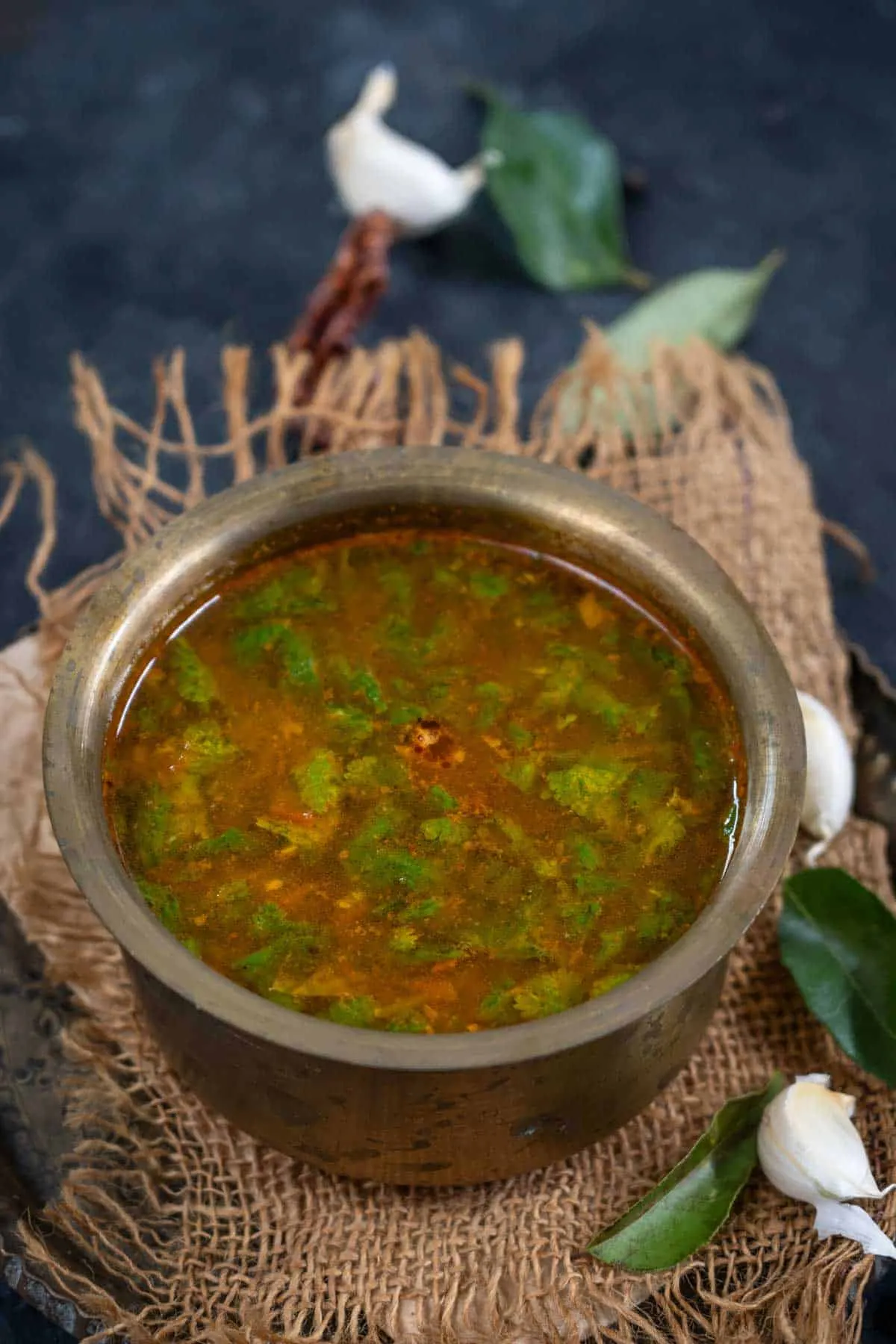
Ingredients:
For the Rasam
- 1 lemon-sized ball tamarind (or 2 tbsp tamarind pulp)
- 2 medium tomatoes, chopped
- 8–10 fresh tulsi (holy basil) leaves
- 4 garlic cloves, crushed
- 1 tsp black peppercorns
- 1 tsp cumin seeds
- ¼ tsp turmeric powder
- 8–10 curry leaves
- 3 cups water
- Salt to taste
For Tempering
- 1 tsp ghee
- ½ tsp mustard seeds
- A pinch of asafoetida (hing)
Method:
- Before starting anything else, soak tamarind in warm water for 15 minutes; remove the pulp.
- Crush peppercorns and cumin coarsely using a mortar and pestle.
- In a pot, combine tamarind water, tomatoes, garlic, turmeric, salt, and crushed spices.
- Bring to a gentle boil and simmer for 12–15 minutes.
- Add tulsi leaves and curry leaves; let it simmer for another 2–3 minutes.
- In a small pan, heat ghee; add mustard seeds and hing.
- Pour the tempering over the rasam and let it simmer for another 1 min
- Serve hot as soup, but unlike modern soups, rasam is often enjoyed as a main course meal with steamed rice, ghee, and roasted papad as a complete comfort food for rainy days.
Shepu Moong Dal: Maharashtra's Forgotten Rainy-Day Comfort
In traditional Maharashtrian households, shepu (dill leaves) appeared frequently during monsoon. In my home, even today, it is everybody’s favourite along with the Shevgyachi bhaji. Add some dal to make it tastier, healthier, and hearty, yet light on the stomach. Today, it remains one of the most underrated traditional comfort foods.
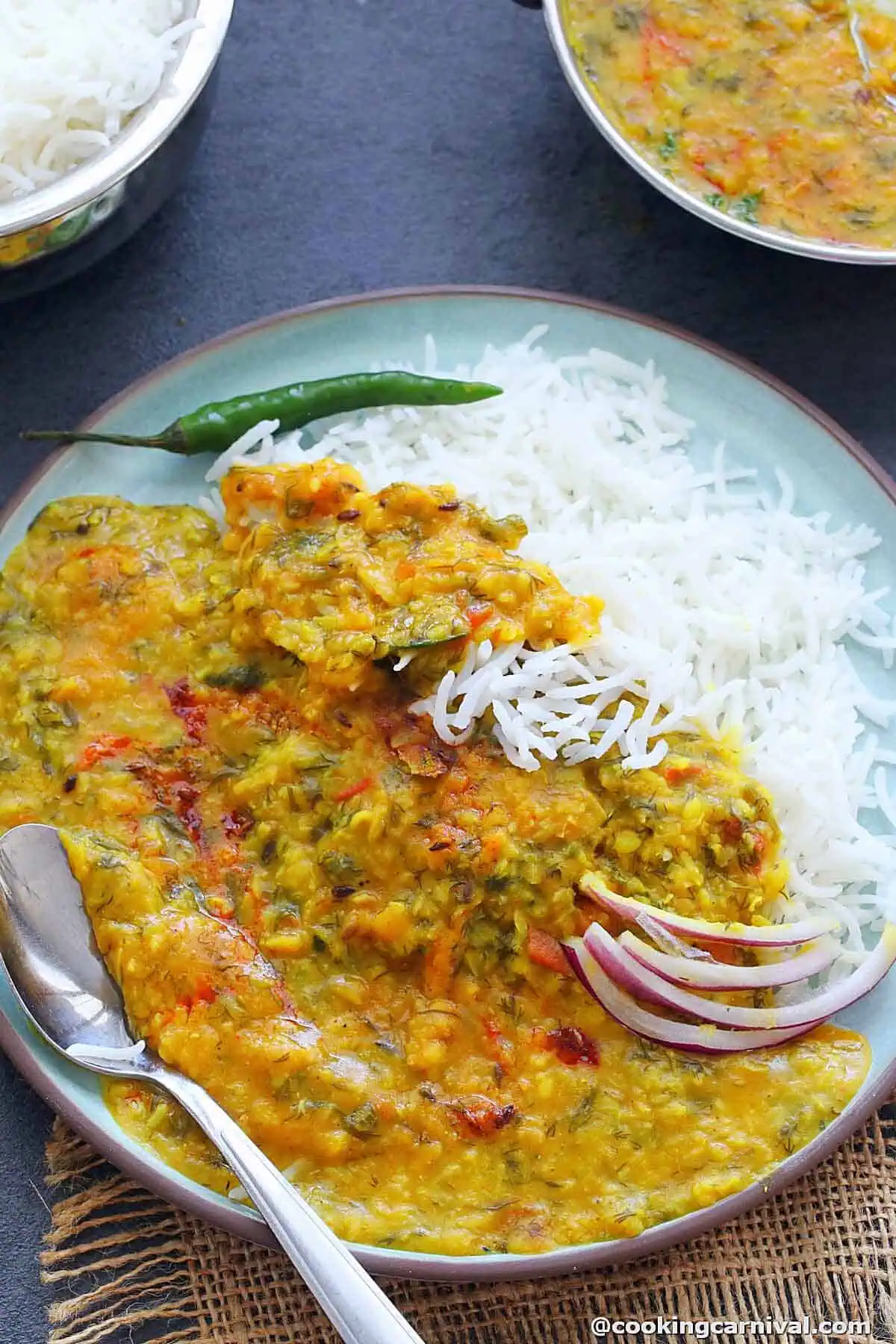
Ingredients:
- 1 cup yellow moong dal (chana dal)
- 2 cups finely chopped shepu (dill leaves)
- 1 medium onion, finely chopped
- 3 garlic cloves, minced
- 1 green chilli, chopped
- ¼ tsp turmeric powder
- 1 tsp cumin seeds
- 1 tbsp ghee or oil
- Salt to taste
- 2½ cups water
Method:
- Wash moong dal or Chana dal thoroughly; pressure cook with turmeric and water for 2 whistles.
- For chana dal, the step is good, but I like moong dal a little crunchy, so instead of pressure cooking, I soak the moong dal overnight and roast it, giving slightly nutty aroma. Then cook.
- Heat ghee in a pan, add cumin seeds and let them crackle.
- Add onion, garlic, and green chilli. Sauté until soft. Adjust these according to your preference; I like lots of onion caramelised.
- At this stage, I add my roasted moong daal and the chopped shepu and cover it to cook for about 10-15 minutes.
- If you have boiled the dal, add chopped shepu and cook for 5–6 minutes, then add cooked dal and salt.
- Mix well and simmer for 10 minutes.
- Serve hot with bhakri and steamed rice, making it your perfect low-fat, high-carb main course meal.
Harira: The Ancient Healing Bowl
While Harira has two faces one a sweet traditional Indian concoction and other is often associated with Moroccan and Bohra communities. Today, we will see the traditional household variations of this hearty soup during monsoon and winter. Unlike modern packaged soups, Harira is simmered for hours, allowing flavours to deepen and ingredients to become incredibly comforting.
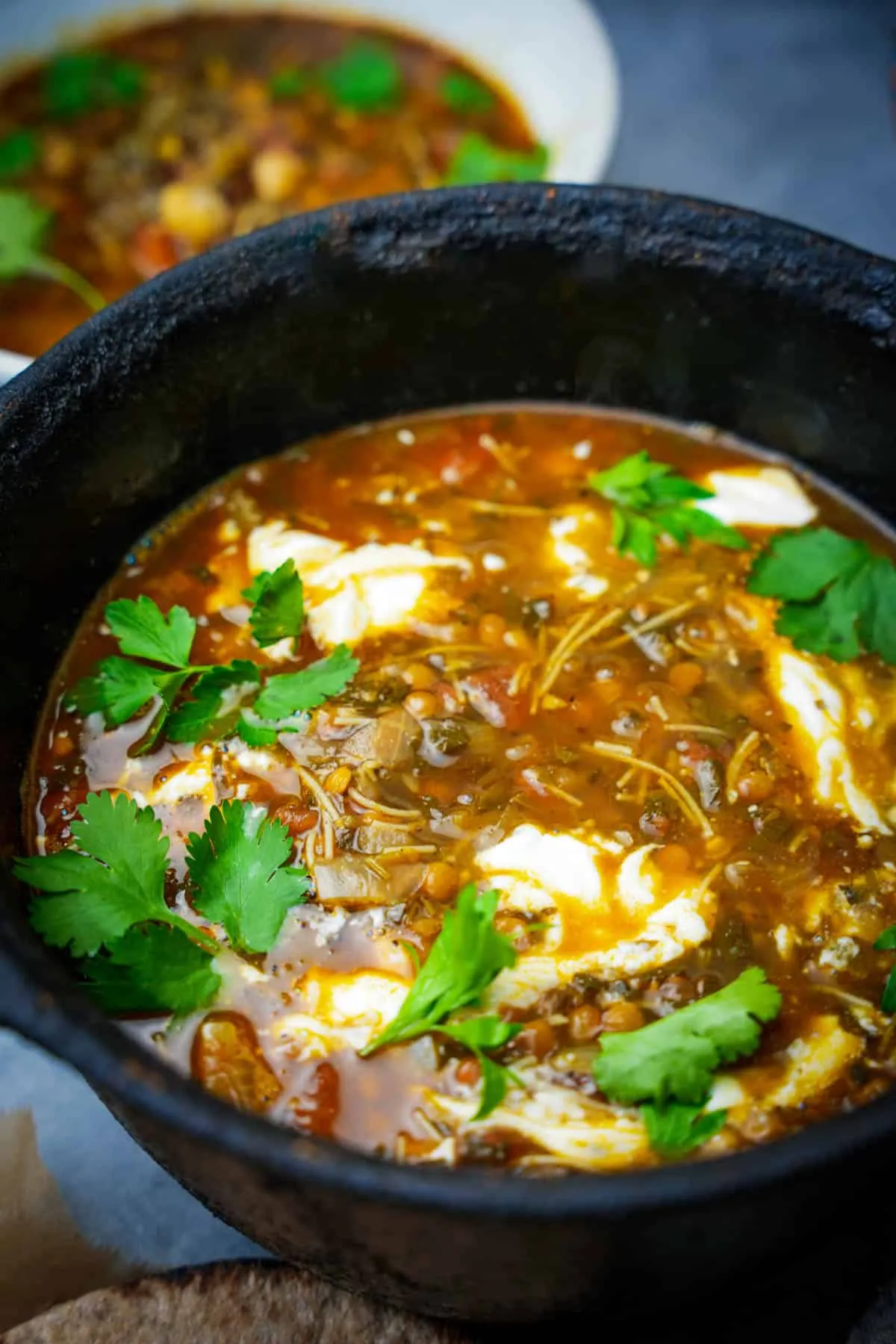
Ingredients:
- ½ cup masoor dal (red lentils)
- ¼ cup chana dal
- 1 onion, finely chopped
- 1 tomato, chopped
- 2 garlic cloves, minced
- 1-inch ginger, grated
- ½ tsp black pepper
- ½ tsp cumin powder
- ¼ tsp cinnamon powder
- ¼ tsp turmeric powder
- 1 tbsp coriander leaves
- 1 tbsp ghee
- 5 cups water
- Salt to taste
- Juice of half a lemon
Method:
- Wash and soak lentils for 30 minutes.
- Heat ghee in a large pot, sauté onion until golden, then add ginger and garlic. Cook for 1 minute.
- Add tomato and spices; once slightly roasted, add lentils and water.
- Simmer for 35–40 minutes until lentils are soft. If you want to make it quick, pressure cook, but the traditional method is more enriching.
- Blend lightly if a smoother texture is desired.
- Add lemon juice and coriander leaves.
Serve piping hot with rice or chapati to make it a perfect main course meal. - Some households add shredded chicken or broth for a richer meal.
Lapsi: The Sweet Memory of Rainy Afternoons
Many may not know this, but this is my ultimate comfort food; a traditional dish that was commonly served during festivals, recovery periods, and rainy days. And still is in many Maharashtrian homes; it is included in traditional festive thali. While often thought of as a dessert, many households considered it a nourishing meal because of its wholesome ingredients. Served warm during a rainy afternoon, Lapsi offers comfort that few modern desserts can match.
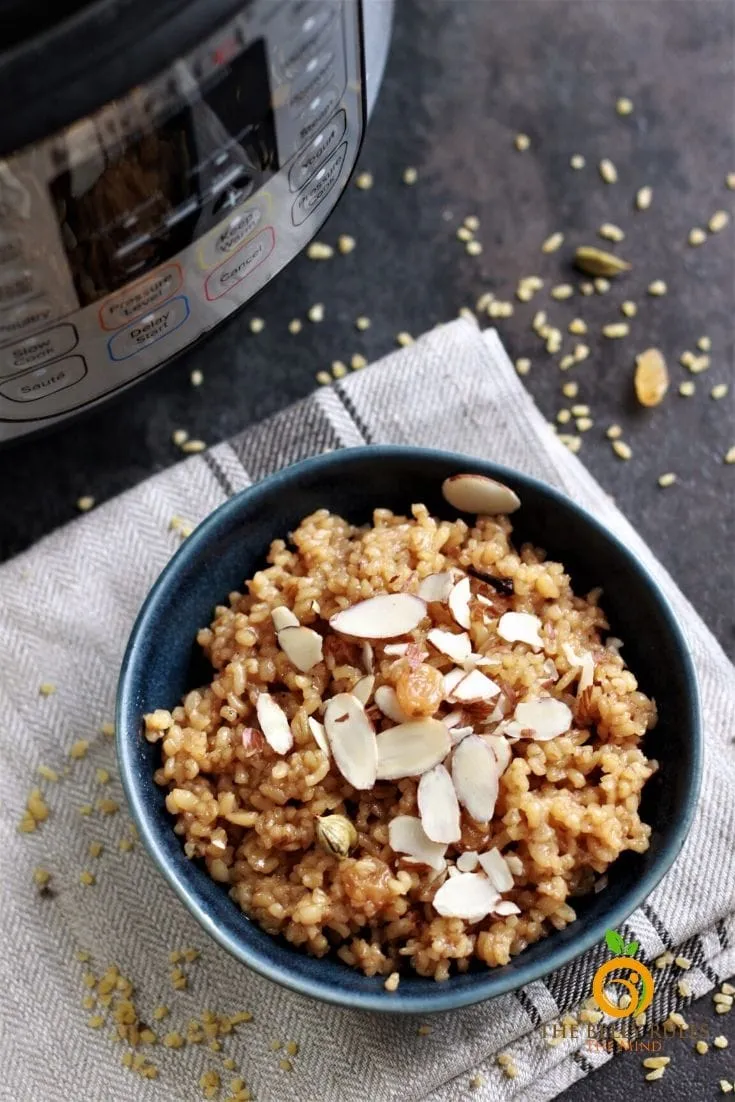
Ingredients:
- 1 cup coarse broken wheat (dalia)
- 3 tbsp ghee
- ¾ cup jaggery powder
- 2½ cups water
- ¼ tsp cardamom powder
- 8–10 almonds & cashews, chopped
- 1 Cup Peanut (Alternate nut)
- 1 tbsp raisins
Method:
- Heat ghee in a heavy-bottomed pan.
- Roast broken wheat on low heat for 8–10 minutes until aromatic and golden.
- Add water carefully and stir, cover and cook until the wheat softens.
- Add jaggery and mix well; cook for another 5 minutes until absorbed.
- I generally melt the jaggery in water and add it to lapsi and cook it until soft.
- Add cardamom, nuts, and raisins.
- I like to use peanuts instead of others, and if you are using them, roast them separately or along with lapsi.
- Stir gently and serve warm; this can be your evening snacks in monsoon and winters, warm and comforting.
Why These Monsoon Vintage Grandma’s Recipes Matter Today
What makes these monsoon cuisines of India special is not just their flavour, but their immunity-aiding property. They represent a time when food was deeply connected to the seasons, and each recipe was an immune-boosting meal.
Our grandparents understood that monsoon required meals that were warm rather than cold, freshly prepared rather than processed, and easy to digest rather than overly rich. Hence came these immunity booster recipes for monsoon that are nutrient-dense rather than empty calories. Their recipes reflected centuries of practical wisdom; every ingredient had a purpose, every spice had a role, and every meal was designed to nurture both body and soul.
Frequently Asked Questions:
1. What food is eaten in monsoon season in India?
Ans) During the monsoon, Indians often enjoy warm, freshly cooked meals such as khichdi, rasam, dal, pakoras, soups, steamed snacks, and seasonal vegetables. Traditional kitchens also prepare dishes with ginger, garlic, turmeric, pepper, and tulsi to provide comfort, aid digestion, and support overall wellness during rainy weather.
2. What to cook in monsoon season?
Ans) Monsoon is ideal for preparing comforting and nourishing dishes such as Tulsi and Pepper Rasam, Shepu Moong Dal, Harira, vegetable soups, millet khichdi, steamed idlis, and warm porridges. These meals are easy to digest, rich in nutrients, and help the body cope with changing weather conditions.
3. What is the monsoon food combo?
Ans) A classic monsoon food combo often includes hot chai and pakoras, but healthier traditional combinations include rasam with rice, Shepu Moong Dal with bhakri, Harira with whole-grain bread, or Lapsi paired with warm milk. These combinations provide comfort, warmth, and balanced nutrition during rainy days.
4. What are the best monsoon immunity-boosting recipes?
Ans) Some of the best monsoon immunity-boosting recipes include Tulsi and Pepper Rasam, ginger-turmeric soups, Shepu Moong Dal, Harira, millet khichdi, and herbal kadhas. These dishes feature ingredients like tulsi, garlic, pepper, turmeric, lentils, and whole grains that support wellness while providing comfort during the season.
Bringing Back the Taste of Tradition
As rain taps against our windows and the world outside slows down, there is perhaps no better time to revisit the forgotten vintage grandma’s recipes of Indian kitchens. These immunity-booster recipes can do more than satisfy hunger. They reconnect us with traditions that valued seasonal eating, mindful cooking, and family care.
In an age of instant meals and fast food, these recipes remind us that comfort often comes from the simplest ingredients and the oldest wisdom. So this monsoon, instead of reaching for another packet of instant soup or fried snack, try bringing one of these classic monsoon recipes back to your table.
You may discover that the most powerful immunity booster meal isn't found in a supplement bottle at all, but is hidden in a grandmother's recipe book, waiting for the rain to return. Follow Recipesliving for more such healthy food anecdotes, traditional recipes, wholesome main course meal recipes, and world cuisine.
By P. Manika (Performist Content Writer)
