Beyond Supplements: Myths and Facts of Vitamins And Diet
February 12, 2026
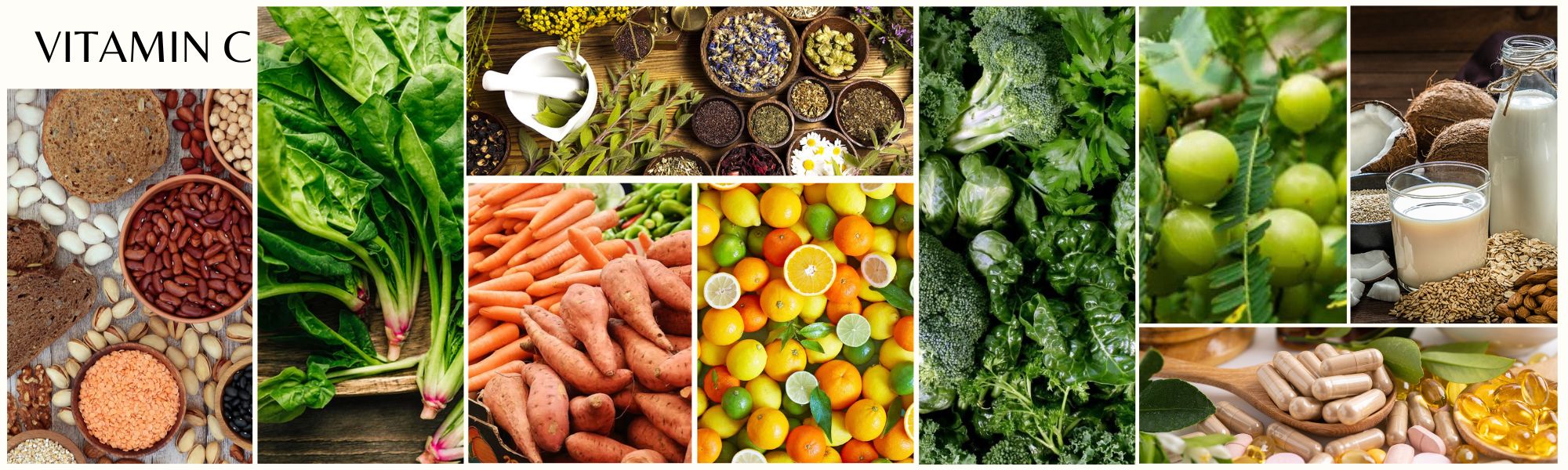
With a stressful lifestyle and increasing ailments, people are learning the essentials of healthy living and consuming healthy foods. In such scenarios, a complete diet is a must, then enter complete carbs, fibres, and glucose, balanced so that one can curate a healthy diet. Generally, people focus on the amount of carbs and fibre, and in this, vitamins take a back seat. From personal experience with weight loss, you start having low vitamins if you don't include them properly in your meals.
And Vitamin food in diet has been a controversy for a long time, regarding how to consume a proper amount, regarding vitamin supplements, or natural food options. While I was facing a deficiency, vitamin supplements were an option, but I wanted a proper solution through a healthy meal. So today, let's explore vitamins, the role of supplements in your diet, whether they are necessary and how your food aids in the same.
What Actually Is a Vitamin?
To start with, you need to understand that vitamins are essential organic nutrients the body needs in small amounts to function properly. They support immunity, energy metabolism, cell growth, vision, bone strength, blood formation, and healing. Most vitamins must come from food because the body cannot produce enough on its own. They are classified as:
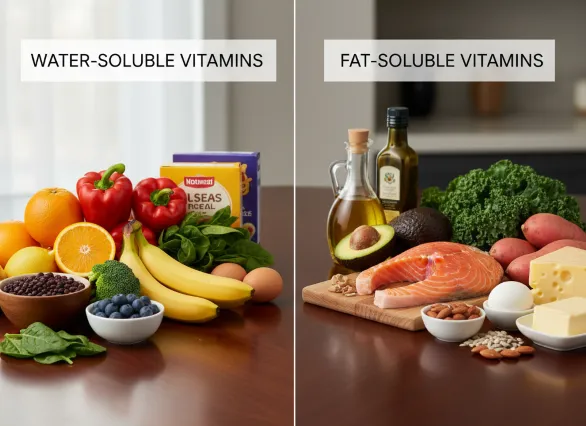
Fat-soluble vitamins (A, D, E, K): Support vision, immunity, skin health, calcium absorption, bone strength, antioxidant protection, and blood clotting. Stored in body fat and liver.
Water-soluble vitamins (B-complex, C): Aid energy metabolism, brain function, red blood cell formation, immunity, collagen production, and healing. Not stored much; need regular intake.
Each plays their specific role in maintaining overall health and preventing deficiencies. And knowing how they function can help one curate a diet accordingly.
How To Curate a Balanced Diet: Foods Rich in Vitamins
Knowing vitamins is one thing, and curating a diet is another thing, nutritionist and dieticians generally advice to maintain rich omega-3 foods and B12 vitamin foods as they are water-soluble. So let's know which food is rich in what vitamin and how it can be included in your diet.
- Vitamin A: Carrots, spinach, sweet potatoes.
- Vitamin C: Citrus fruits, guava, bell peppers, amla.
- B-complex: Whole grains, lentils, seeds, leafy greens.
- Vitamin D: Sunlight, fortified dairy or plant milks.
- Vitamin E: Nuts, seeds, vegetable oils.
- Vitamin K: Leafy greens like kale and broccoli.
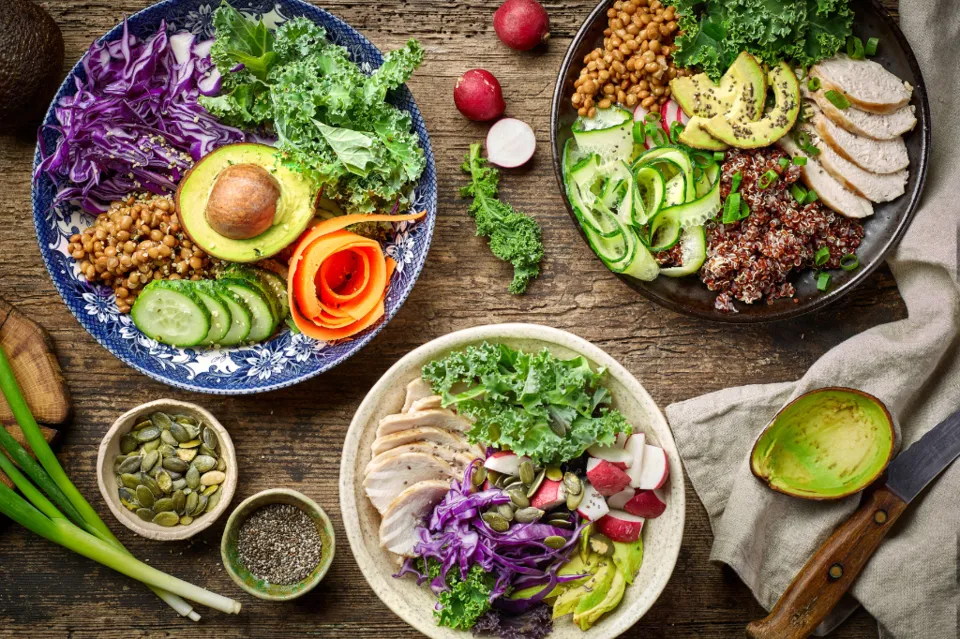
Eating a variety of colourful fruits, vegetables, whole grains, nuts and seeds daily helps cover most vitamin needs naturally. So one can create healthy bowls for meals, including the right amount of carbohydrates, fibre, vitamins, and minerals.
Vitamin Supplements: Facts & Myths Involving Vitamins
Myths Vs Facts
- ‘Vitamins give you direct energy’ is not the complete truth; they don't give energy, but rather vitamins help your body use energy from food; they don’t produce energy themselves.
- ‘You need high doses to be healthy. ’ The fact is your body does not need a high dose of energy; it needs only the Recommended Dietary Allowance (RDA) for each vitamin. Excess fat-soluble vitamins (A, D, E, K) accumulate in the body and can cause toxicity. Health depends on meeting recommended daily amounts, not megadoses.
- ‘Organic supplements are always better.’ The truth is, synthetic vs. “natural” doesn’t matter biologically; your body absorbs both. “Organic” doesn’t guarantee superior absorption. Chemically, many natural and synthetic vitamins are identical. Bioavailability depends on form, dose, and your body’s absorption ability, not marketing labels.
- ‘You can’t get enough from food.’ The truth is, many vitamins are easily obtained from a varied diet; foods offer additional beneficial compounds beyond isolated nutrients that supplements cannot provide.
- “More is better.” The fact is that an excess of anything can be harmful. Excess supplementation can disrupt nutrient balance and even harm organs. Optimal health comes from balanced intake, not overloading the body with unnecessary or high-dose vitamins.
What Ayurveda Says About Vitamin Consumption
In the age of modern science, when vitamin supplements are available and recommended by doctors for health recovery. What one does not understand is that they are suggested as a temporary solution and not the way.
Here, Ayurveda completely align with one mantra, naturally obtaining and increasing vitamins in food and diet. It doesn’t focus on isolated “vitamin pills.” Instead, it emphasizes a balanced diet that strengthens Agni (digestive fire) so the body naturally absorbs all nutrients from foods. Strong digestion is key because no matter how nutritious your diet is, poor digestion means poor absorption.
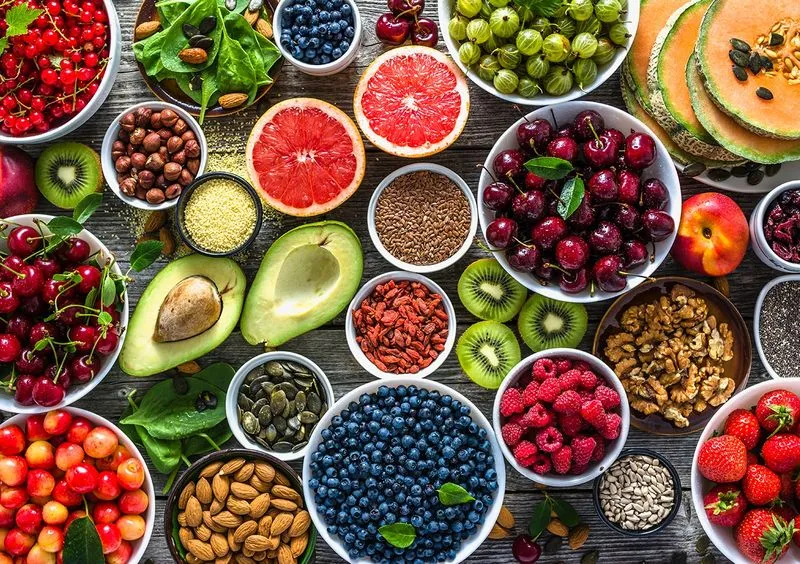
Ayurveda prefers whole foods and herbs that support the body instead of synthetic pills alone. Seasonal, fresh, well-prepared foods are favoured over isolated supplements.
Balancing Vitamins Rich Food the Ayurvedic Way
Ayurveda historically leans toward natural methods and herbs enriching human body. So when it comes to vitamin supplements, they emphasize combining foods to maximize absorption, for example:
- Pairing fat-soluble vitamins (A, D, E, K) with healthy fats (ghee, nuts, seeds) enhances uptake.
- Strengthening Agni (digestive fire) with spices like ginger, black pepper and herbs like Triphala improves nutrient utilization.
- Herbs such as Trikatu (black pepper, long pepper, ginger) are traditionally used for digestion and better nutrient absorption.
Herbs That Are Vitamin-Rich or Support Nutrition
Ayurveda uses many plants that naturally provide vitamins or help the body use them in case of deficiency at an extreme level:
- Amalaki (Indian gooseberry): Extremely rich in vitamin C.
- Triphala: A mix of three fruits high in antioxidants and vitamin C.
- Tulsi (Holy basil): Contains vitamins A, C, and K and antioxidants.
- Ashwagandha & Brahmi: Provide vitamin E and support overall health.
- Guduchi (Giloy), Shatavari: Contain vitamins A, C, E and support immunity.
These herbs are often included in rasayana (rejuvenative) formulas that nourish tissues and support immunity holistically.
People Are Curious About:
1. What does vitamin B12 do?
Ans) Vitamin B12 supports red blood cell formation, DNA synthesis, and proper nerve function. It helps prevent anemia, reduces fatigue, and maintains brain health. B12 is essential for neurological signalling and energy metabolism. Deficiency can cause weakness, memory issues, and nerve damage, especially in vegetarians, older adults, or people with absorption problems.
2. Is it good to take a vitamin supplement daily?
Ans) Daily supplements can help when diet gaps or deficiencies exist, such as vitamin D, B12, or iron. However, not everyone needs them. A balanced diet usually provides enough nutrients. Overuse may cause toxicity or imbalances. It’s best to take supplements based on medical advice and personal nutritional needs.
3. What foods are high in vitamins?
Ans) Fruits and vegetables like oranges, spinach, carrots, bell peppers, and berries are vitamin-rich. Nuts, seeds, whole grains, eggs, dairy, fish, and legumes also provide essential vitamins. Eating a colourful, varied diet ensures intake of vitamins A, B-complex, C, D, E, and K naturally, along with beneficial fibre and antioxidants.
4. Which food has all 13 vitamins?
Ans) No single food contains all 13 essential vitamins in adequate amounts. However, eggs come close, providing A, D, E, K, and several B vitamins. Combining foods like leafy greens, fruits, whole grains, dairy, and proteins ensures complete vitamin coverage. Variety, not one “superfood,” is key to balanced nutrition.
Do You Need Vitamin Supplements or Is Vitamin-Rich Food Enough?
Not necessarily. Supplements are additional intake to address the body’s deficiencies, and if you eat a balanced, whole-food diet with plenty of fruits, vegetables, whole grains, nuts, and seeds, you’re likely meeting most vitamin needs naturally.
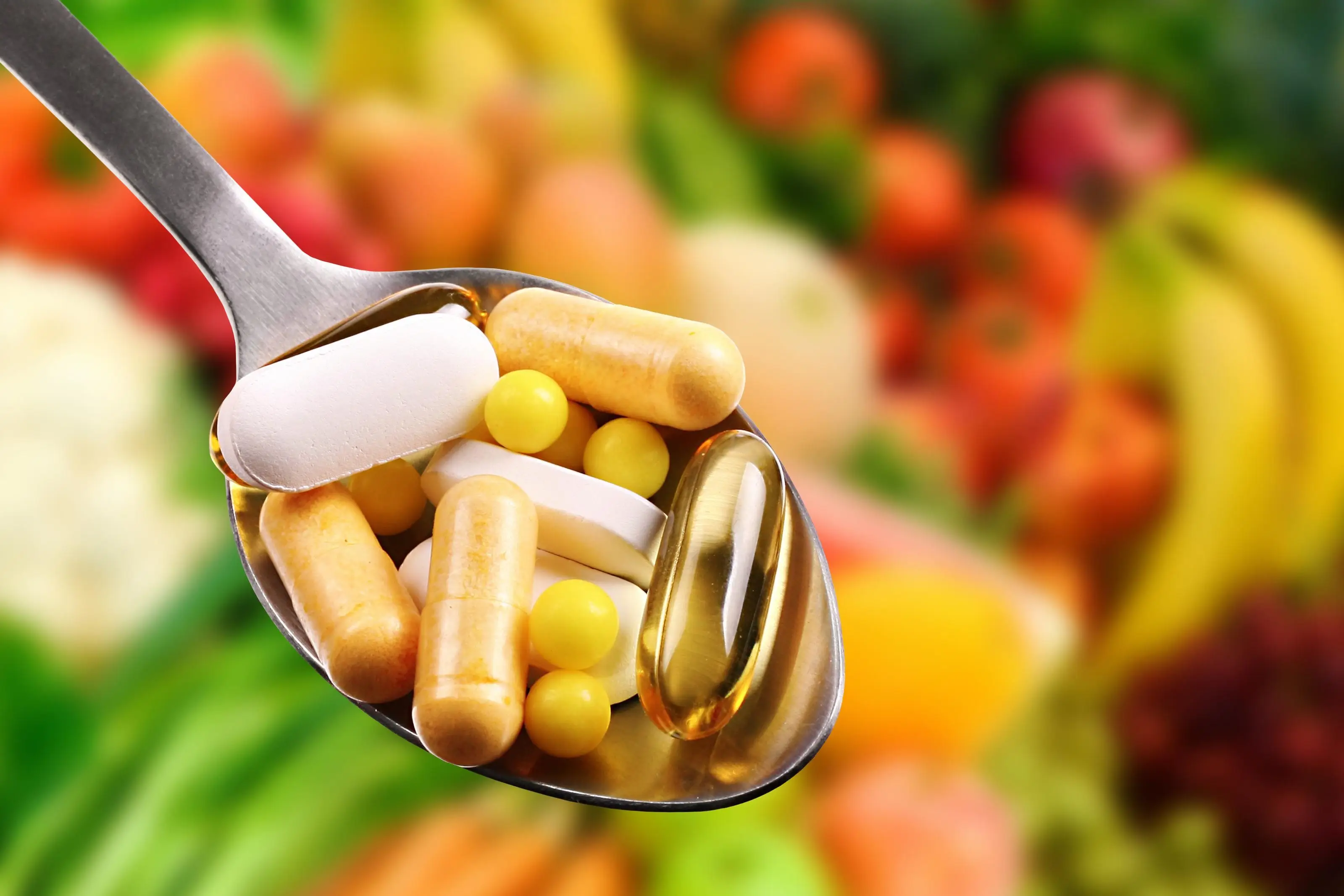
Supplements are most useful when a deficiency is diagnosed (e.g., vitamin D in low-sunlight regions, B12 for strict vegans, iron for anemia) or in specific life stages (pregnancy, aging). But more isn’t always better; excessive supplementation can lead to toxicity. Always check with a healthcare practitioner before starting them.
Conclusion
Vitamin supplements have a place, but many claims around them are exaggerated. The best foundation is a nutrient-rich, balanced diet that feeds your body naturally and supports digestive health, the Ayurvedic way. When needed, supplements or herbal rasayanas can help fill gaps, but they should complement, not replace, wholesome food and lifestyle habits.
By P. Manika (Performist Content Writer)
