Authentic Khao Soi Recipe: A Taste of Northern Thailand
February 19, 2026
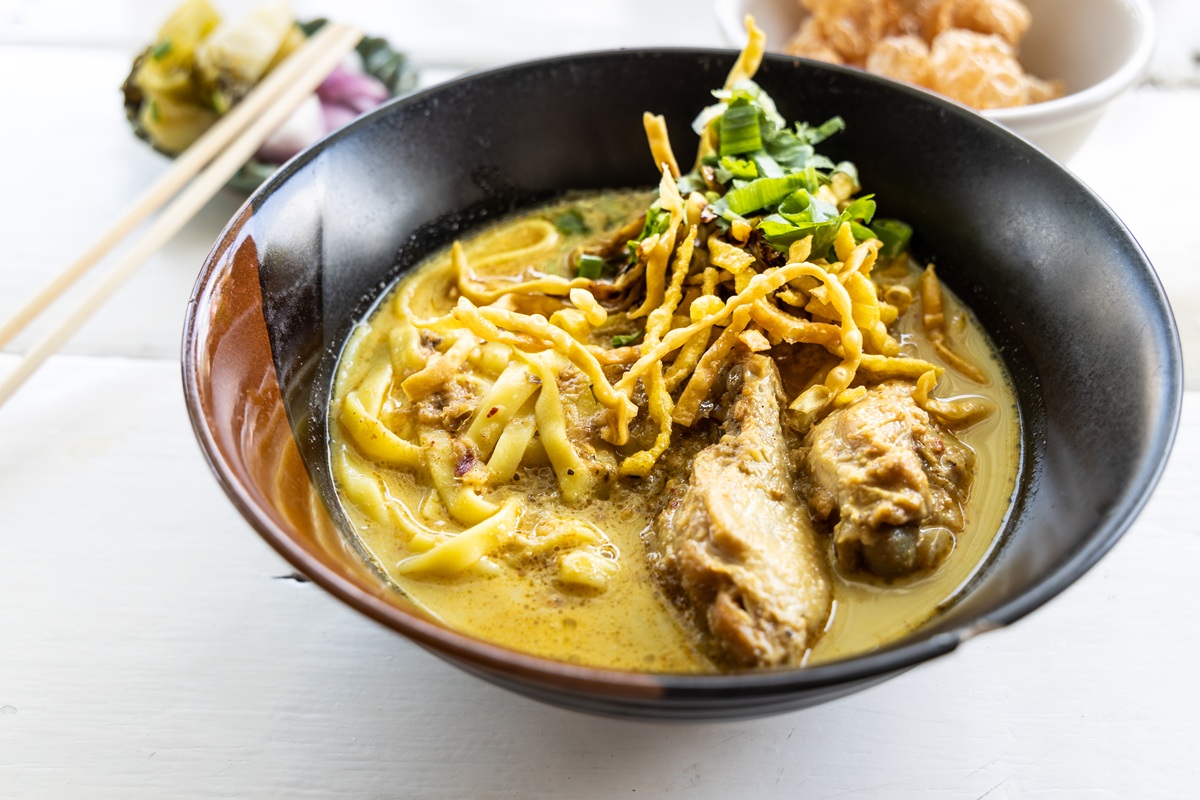
Discover the secrets to crafting Authentic Khao Soi, the legendary Northern Thai coconut curry noodle soup that defines Chiang Mai’s vibrant food scene. This recipe bridges the gap between professional Thai techniques and home cooking, ensuring every spoonful is packed with rich, aromatic "Lanna" flavors. Master the balance of creamy coconut milk, tender braised chicken, and that iconic crispy noodle topping today.
Experience the Soul of Chiang Mai
Khao Soi Gai (Chicken Khao Soi) is more than just a meal; it is a complex masterpiece reflecting the historical trade routes between Myanmar, Laos, and Thailand. This dish is characterized by a deeply fragrant yellow curry broth that is notably richer and less sweet than the green or red curries found in Southern Thailand. Achieving true authenticity requires a commitment to sourcing black cardamom and fresh turmeric, which provide the earthy undertones essential to its unique DNA.
Cooking Difficulty & Essential Skills
While the flavors are complex, the difficulty level is intermediate because it involves multi-tasking across different heat zones. You will need to master flavor balancing, as the perfect Khao Soi relies on the harmony between spicy chili, salty fish sauce, and sour lime. Additionally, deep-frying techniques are required to create the signature golden nest of crispy egg noodles that garnish the dish.
Essential Skills Required:
- Paste Emulsification:
Using a mortar and pestle or high-speed blender to create a smooth, integrated aromatics base.
- Coconut Milk "Cracking":
Heating coconut cream until the oil separates to fry the curry paste effectively.
- Protein Braising:
Slow-cooking the chicken drumsticks until the meat is fall-off-the-bone tender while remaining juicy.
Nutrition, Prep, and Portions
Detail | Information |
Prep Time | 20 Minutes |
Cook Time | 40 Minutes |
Total Time | 60 Minutes |
Servings | 4 Large Bowls |
Calories per Serving | ~620 kcal |
Protein | 35g |
Difficulty | Intermediate |
Ingredients:
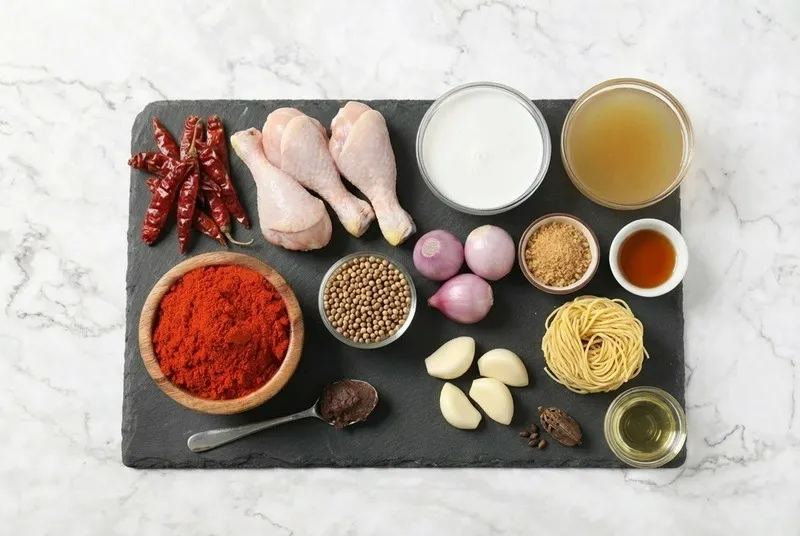
1. The Khao Soi Paste (The Foundation)
4-6 Dried Red Chilies (soaked in warm water)
2 tbsp Fresh Turmeric, chopped (or 1 tbsp powder)
2 tbsp Fresh Ginger or Galangal, sliced
3 small Shallots, peeled
4 cloves Garlic
1 tbsp Coriander Seeds, toasted
1 tsp Cumin Seeds, toasted
1 Black Cardamom Pod (seeds only)
1 tsp Shrimp Paste (Kapi)

2. The Soup & Protein
4-6 Chicken Drumsticks (bone-in, skin-on)
800ml Full-Fat Coconut Milk (divided into cream and thin milk)
500ml Chicken Stock (low sodium)
2 tbsp Palm Sugar (or brown sugar)
3 tbsp Fish Sauce
500g Fresh Chinese Egg Noodles (divided for boiling and frying)
2 tbsp Neutral Oil (for frying)
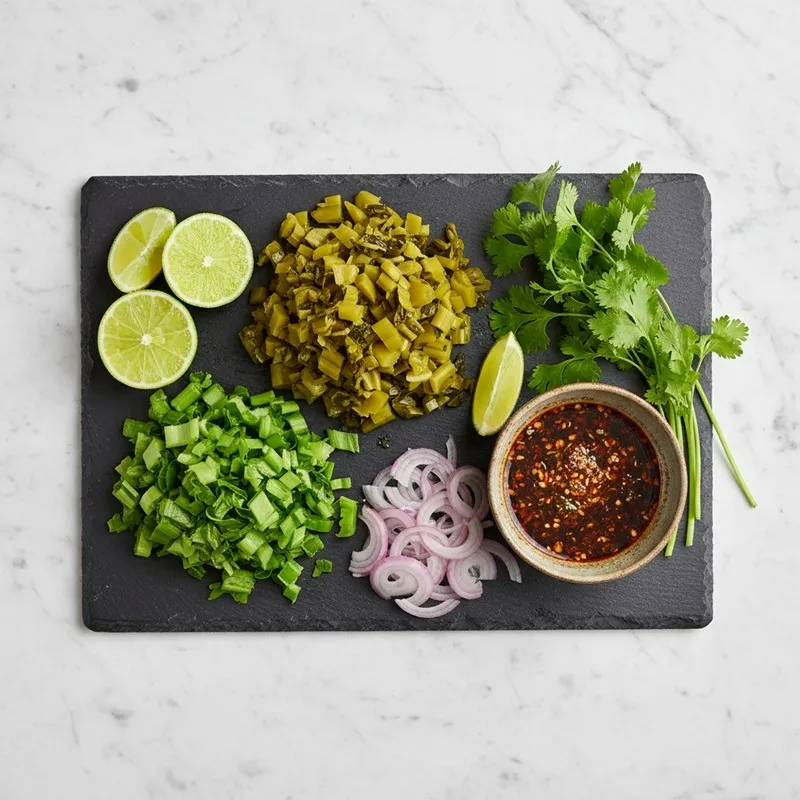
3. The Essential Toppings
Pickled Mustard Greens (Phak Kat Dong), sliced
Fresh Lime Wedges
Thinly Sliced Shallots
Homemade Chili Oil
Fresh Cilantro (Coriander)
Preparation Steps
Step 1: Create the Aromatic Paste
Begin by pounding the toasted coriander, cumin, and cardamom seeds in a mortar until they form a fine powder. Add the soaked chilies, ginger, turmeric, garlic, and shallots, pounding vigorously until a thick, uniform purple-red paste emerges. Incorporate the shrimp paste at the very end to ensure the pungent flavor is evenly distributed throughout the mixture.
Step 2: Crack the Coconut Cream
Heat half a cup of the thick coconut cream in a large pot over medium heat until it begins to bubble and the oil separates from the solids. Add your homemade Khao Soi paste to this oil and sauté for 3–5 minutes until the kitchen is filled with a fragrant, spicy aroma. This "frying" step is critical for unlocking the fat-soluble flavors of the spices and chilies.
Step 3: Braise the Chicken
Add the chicken drumsticks to the pot, coating them thoroughly in the fried curry paste to sear the outside slightly. Pour in the remaining coconut milk and chicken stock, then bring the mixture to a gentle simmer for approximately 30 minutes. Season the broth with palm sugar and fish sauce, adjusting until you achieve a rich, savory-sweet profile.
Step 4: Prepare the Two-Texture Noodles
While the chicken simmers, bring a pot of water to a boil and cook 3/4 of the egg noodles until al dente, then drain. Heat a small amount of oil in a wok and deep-fry the remaining 1/4 of the dry noodles until they puff up into a golden, crispy nest. This contrast between the soft, slippery noodles and the crunchy topper is the hallmark of a professional Thai recipe.
Conclusion
Mastering Khao Soi at home allows you to enjoy the most iconic flavors of Northern Thailand without a plane ticket to Chiang Mai. By focusing on a high-quality homemade paste and the traditional "two-texture" noodle approach, you create a dish that is both comforting and sophisticated. This recipe is a guaranteed crowd-pleaser that showcases your culinary expertise and appreciation for authentic Southeast Asian cuisine.
FAQs
Q1. Can I make Khao Soi vegan or vegetarian?
Ans) Yes, you can easily adapt this recipe by substituting the chicken with firm tofu or king oyster mushrooms. Replace the fish sauce with light soy sauce and use a vegan-friendly red curry paste that excludes shrimp paste (Kapi).
Q2. What kind of noodles are best for Khao Soi?
Ans) Authentic Khao Soi requires flat, yellow egg noodles (Chinese-style Ba Mee). You use the same noodle for both boiling (the base) and deep-frying (the crispy garnish) to achieve the dish's signature dual-texture.
Q3. Is Khao Soi very spicy?
Ans) The spice level is moderate but highly customizable depending on the amount of dried chilies in your paste. Traditional Khao Soi is served with a side of roasted chili oil, allowing each diner to adjust the heat to their personal preference.
Q4. Can I use store-bought curry paste instead of making it from scratch?
Ans) While homemade paste offers the most E-E-A-T (Experience/Expertise) value, you can use a high-quality store-bought Red Curry Paste. To make it "Khao Soi style," simply stir in extra turmeric powder and ground black cardamom.
Q5. How do I store and reheat leftovers?
Ans) Store the curry broth and boiled noodles in separate airtight containers in the refrigerator for up to three days. Reheat the broth on the stovetop until simmering before adding the noodles; however, the crispy noodle garnish should always be made fresh for the best texture.
By Chithra Sooraj (Digital Marketing Executive)
