A True Tale of Italian Pesto: All The Way From Nonna’s Kitchen
January 22, 2026
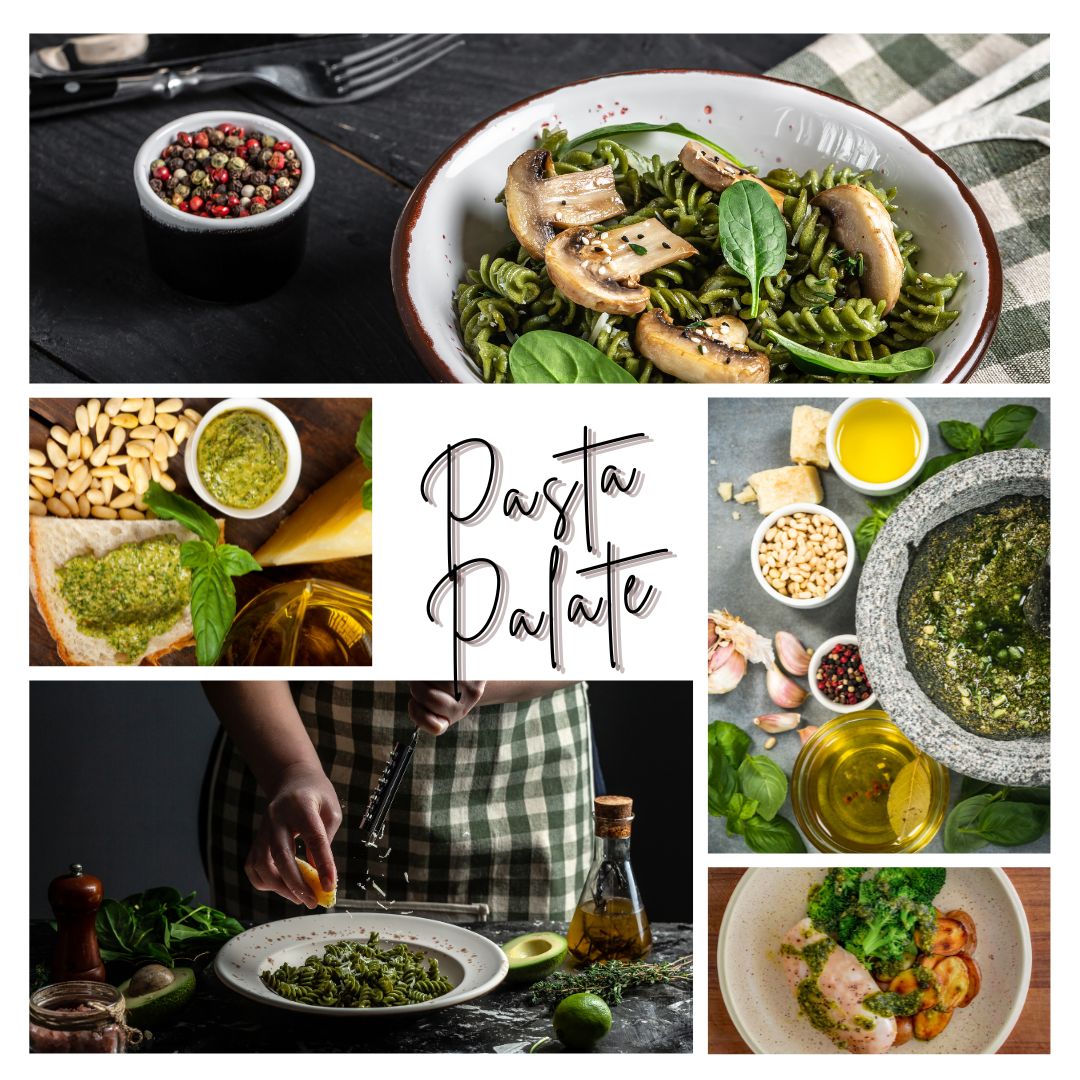
Italian cuisine can make your meal more enriching and mindful, owing to its indulgent nature and ability to mould in your flavours seamlessly with authenticity. Making food is my therapy, and when I want indulgence, freshly made Pasta and Pizza are my favourites. Today, let me share with you the authentic pesto recipes my favourite coz once you go green, there is no going back.
Now close your eyes for a moment. Can you hear the clink of a mortar, smell fresh basil warming under the sun, and imagine a Nonna just like your granma telling you, “Piano, piano, slowly.” One thing about Italian cuisine is the Nonna’s take their recipes seriously, and they don't like people messing with them. These quick-fix pasta and pizzas are not the solution; you need to take time and make them slowly, immersing yourself in the process to taste the authenticity.
Pesto the way it was meant to be made, by hand, with patience and love. Before blenders and shortcuts, pesto was a ritual. And today, you’re invited to take part in it. So let’s see how you can make the authentic pesto recipe and how it was invented.
The Pesto Genovese: Origin and Evolution Of Italian Pesto Recipe
The name Pesto comes from the Italian word “pestare,” meaning “to pound,” referring to the traditional method of grinding ingredients with a mortar and pestle. While pesto sauce spread globally in the 20th century, evolving into many variations, it can be made with various herbs like basil, parsley, arugula, or even sun-dried tomatoes. Yet the original Pesto Genovese remains a protected and celebrated Italian classic.
Its origins are linked to ancient Roman sauces like moretum, a paste made from herbs, garlic, cheese, and olive oil. By the 19th century, pesto as we know it today became firmly established in Genoa, Ligurian cuisine in northern Italy, also known as Genovese Pesto, using locally abundant basil, olive oil, pine nuts, and hard cheeses. No cream. No lemon. No heating.
The authenticity of this pesto sauce recipe is guaranteed by grinding it on the stone mortar slowly, with patience, with a light hand, adding ingredients one after another and mixing them with care so it shapes in perfect texture and taste.
Nonna’s Hand-Made Pesto Recipe (Traditional Method)
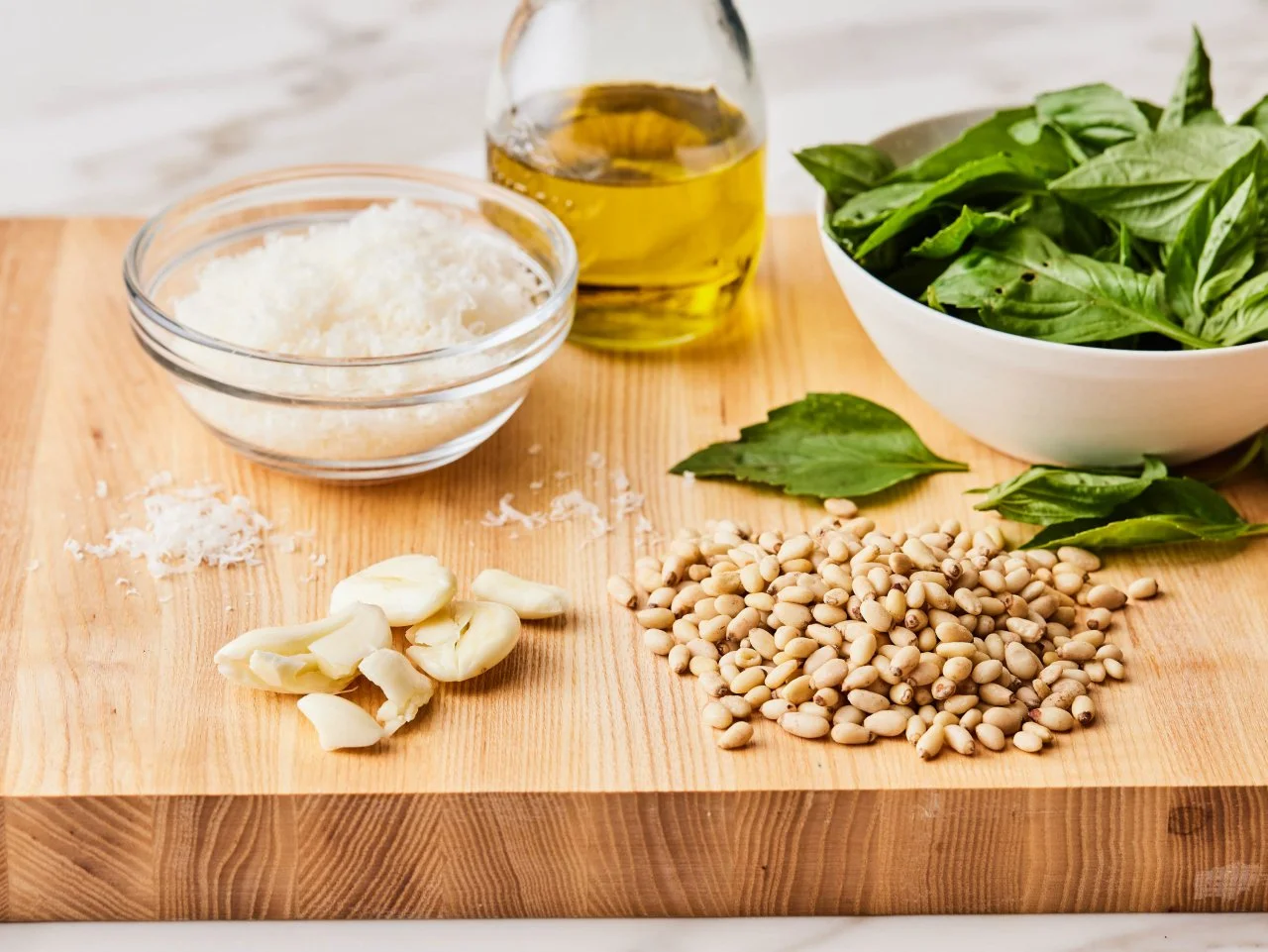
Ingredients (Serves 4):
- 1 small garlic clove
- 2 tbsp pine nuts
- ½ cup freshly grated Parmigiano Reggiano
- 2 tbsp grated Pecorino Romano
- ½ cup extra virgin olive oil (or as needed)
- Coarse sea salt, to taste
How to Make Basil Pesto Without a Food Processor
- Start with garlic & salt: In a mortar, crush garlic with a pinch of sea salt until creamy.
- Add pine nuts: Grind gently until you get a smooth paste.
- Basil goes in slowly: Add basil leaves a few at a time. Use a twisting motion—not pounding—to preserve aroma and colour.
- Incorporate cheese: Mix in Parmigiano and Pecorino until blended.
- Finish with olive oil: Slowly drizzle olive oil while stirring until you get a silky, spoonable sauce.
People Are Curious About:
1. What does pesto taste like?
Ans) Pesto has a fresh, herbaceous flavour dominated by basil, balanced with the richness of olive oil and cheese. It tastes slightly peppery, nutty from pine nuts, and gently garlicky. The overall profile is vibrant yet smooth, making it both refreshing and savoury without being overpowering.
2. What is pesto?
Ans) Pesto is a traditional Italian sauce originating from Genoa, made by crushing fresh basil, garlic, pine nuts, cheese, and olive oil. The name comes from “pestare,” meaning to pound. While Pesto Genovese is classic, many modern variations use different herbs or nuts.
3. How to make pesto chicken?
Ans) To make pesto chicken, coat chicken breasts or thighs with pesto sauce, salt, and pepper. Pan-sear or bake until fully cooked and juicy. The pesto infuses the chicken with herbaceous flavour while keeping it moist. Serve with pasta, salad, or roasted vegetables for a complete meal.
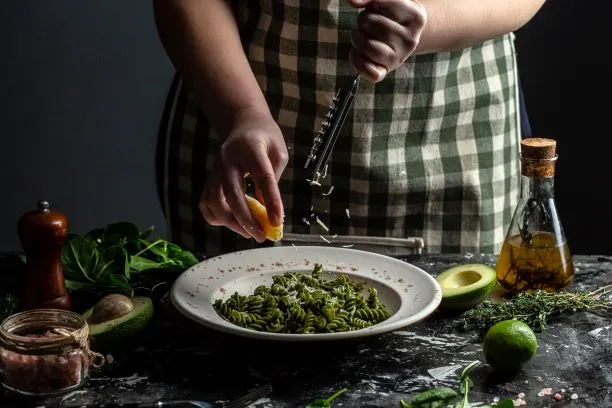
Classic Pesto Pasta (Nonna-Approved)
Best pasta choices for pest past recipe can be, Trofie (traditional), Linguine, Spaghetti
Ingredients:
- 400 g pasta (freshly made/packed)
- Fresh pesto sauce
- Reserved pasta water
- Add-ons: Roasted sliced potatoes & green beans (Liguria style)/mushroom//broccoli/sundried tomatoes
Method:
- Cook pasta in well-salted water until al dente.
- Reserve ½ cup of pasta water before draining.
- In a bowl (never on heat), mix pesto with a splash of pasta water to loosen.
- Add pasta and gently toss until coated.
- Finish with extra cheese or olive oil if desired.
- If you want to make it more flavourful, get your favourite veggies par-boil and roast with garlic and butter until they emit aroma
- Nonna’s Rule: Pesto never touches direct heat; it stays vibrant, fragrant, and alive.
- My Touch: I like to add spinach paste along with the pesto paste to make it more enriching, add generous garlic and freshly made cream cheese to add my touch to the pesto pasta recipe, enhancing its flavours. I mean, if we are going green, why not just make it more green?
Final Garnishing
Pesto sauce isn’t just a recipe; it’s an experience. When you make pesto by hand, you slow down, connect with tradition, and taste Italy the way generations have. No machines. No rush. Just basil, oil, and love.
So tell me, will you try it the Nonna way? Well, I like to make it authentic, being from an Indian home, I enjoy the authentic stone mortar taste and try to make many pastes and curry bases with them. And not kidding, it does enhance the taste of your dishes, and to this, thought along with my granny, the Italian Nonna’s would nod in approval. So be ready to indulge in the pesto goodness with this authentic method, and enjoy.
Written by - P. Manika (Performist Content Writer)
