Elevate Your No-Carb Challenge With Traditional Plant-Based Thai Recipes
May 22, 2026
Being a South Indian food fan and belonging to the Konkan region, Thai cuisine felt close to my taste buds with coconut milk and herby flavour. And one thing I found interesting on my exploration of Thai cuisine is that it is highly vegan with its bold flavors, fragrant herbs, creamy curries, and perfectly balanced taste combinations.
Today, we will explore one such Thai main course meal recipe that is easy to make even during your busy days. And with proper meal prep, you can have it ready in less than 30 minutes, so lets dive into these poured flavours.
The Vegan Story of Thai Cuisine
Well, I am not a vegan because I love cheese, yet for my vegan friends, I keep on looking for what can be best for them and keep trying to find restaurants serving Vegan foods near me. And on this expedition, I realized that vegan Thai food may be really underrated. Many even think that a vegan cannot have a trip to Thailand, but the variety of Vegan foods on the streets of Thailand will blow your mind.
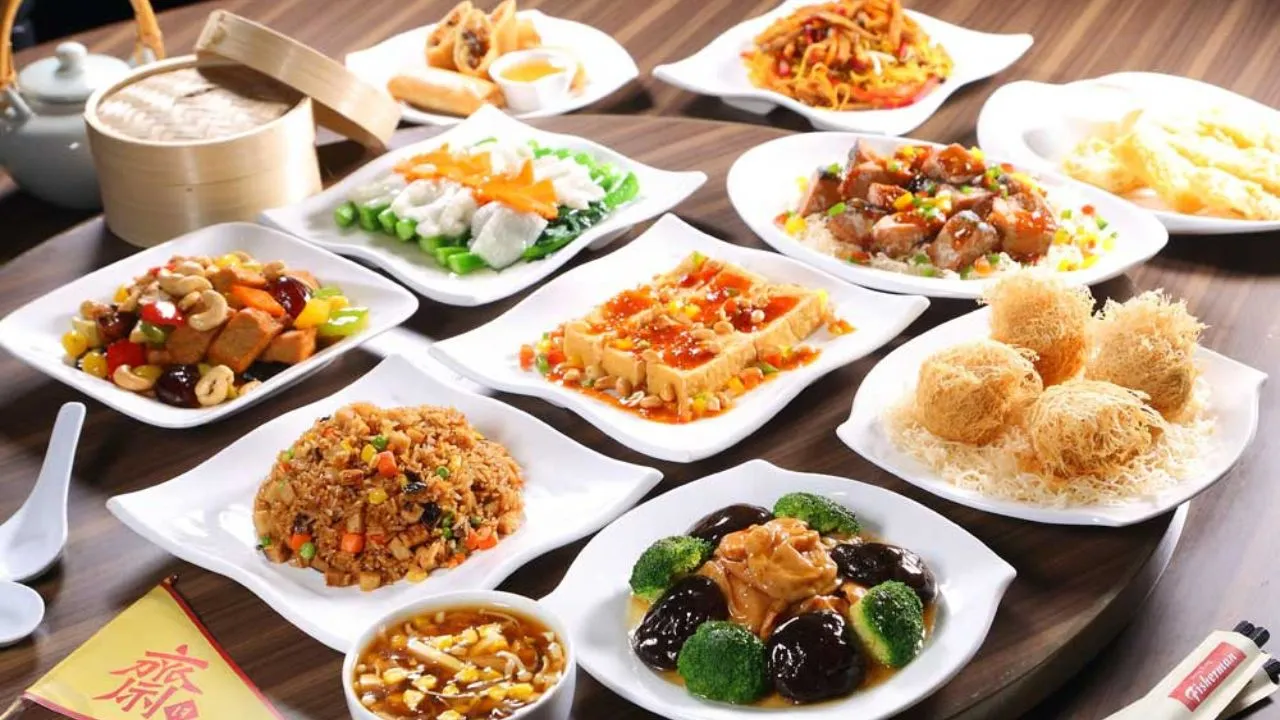
What makes Thai food especially fascinating is how naturally adaptable it is to vegan cooking. At its heart, traditional Thai cuisine relies heavily on fresh vegetables, herbs and roots, coconut milk, rice and noodles, aromatic spices, citrus, and fermented flavors. With a few thoughtful tweaks like replacing fish sauce or shrimp paste with plant-based alternatives, many Thai dishes become beautifully vegan without losing their authentic depth and comfort.
Unlike many cuisines where vegan substitutions can feel limiting, Thai food remains rich, layered, spicy, creamy, and deeply satisfying even in its plant-based form. The balance of sweet, salty, spicy, sour, and umami flavors ensures that vegan Thai cooking never feels like a compromise.
So let’s dive into a Thai dish that feels indulgent, nourishing, and restaurant-worthy while remaining completely plant-based.
Creamy Vegan Thai Green Curry: The Main Course Meal Comfort
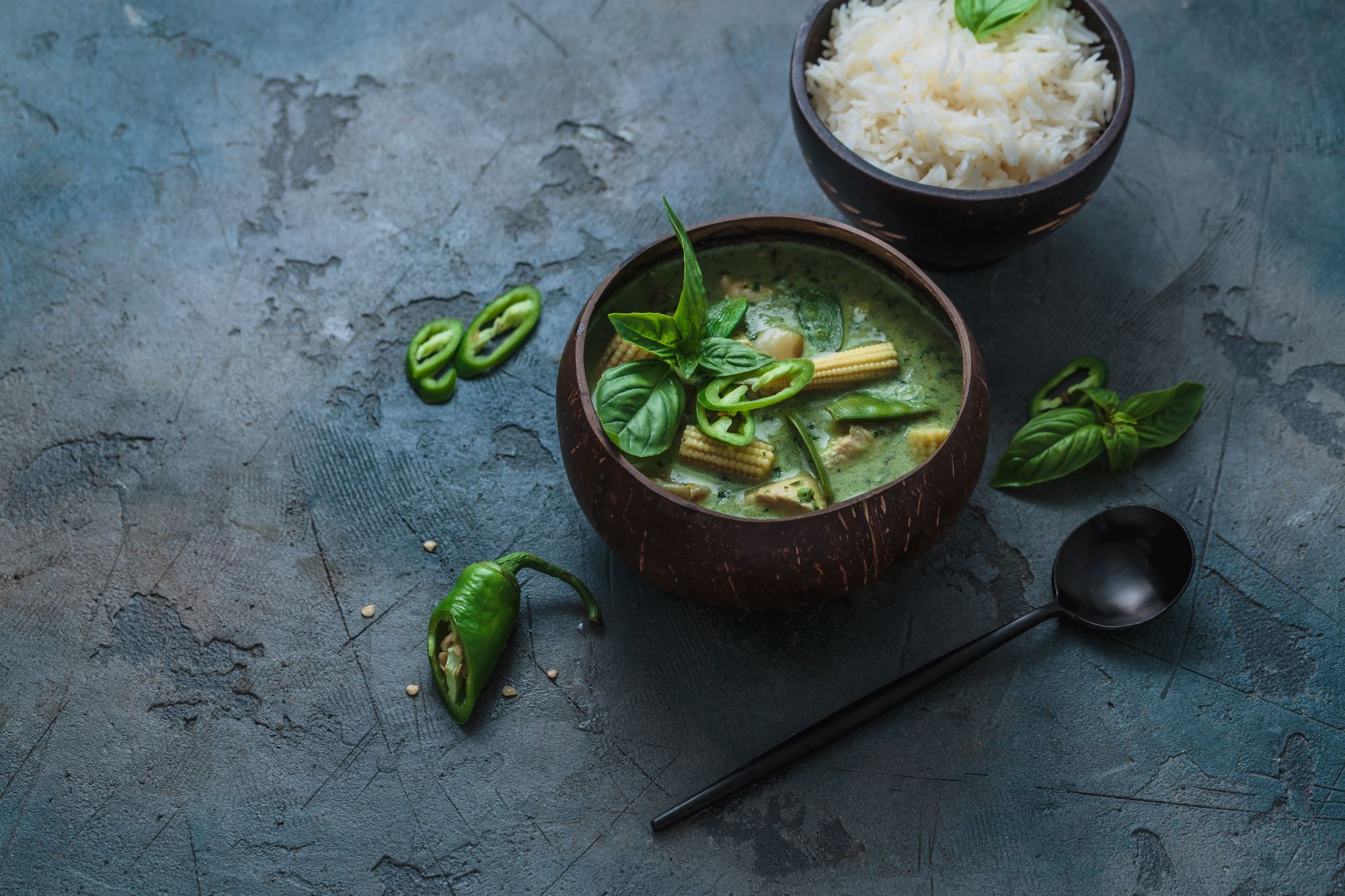
Thai Green Curry is a main course meal recipe that naturally adapts to vegan cooking because its richness already comes from coconut milk, herbs, and vegetables. The curry remains aromatic and luxurious even without meat or seafood, which can fit perfectly with your no-carb challenge meal. You just need to prepare a few Thai pantry staples, and you can have authentic restaurant-style Thai dishes anytime in your kitchen.
Vegan Thai Curry Detailed Recipe:
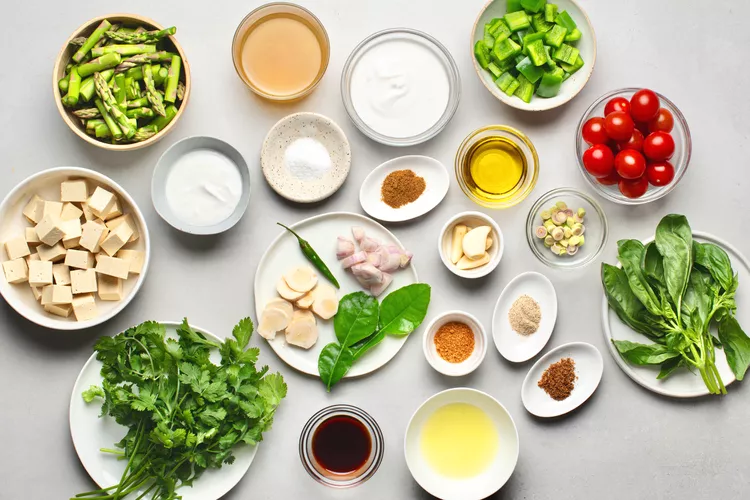
Ingredients
For the Curry
- 2 tbsp vegan Thai green curry paste (10–12 fresh green Thai chilies, 4 garlic cloves, 2 shallots, 1 tbsp chopped lemongrass, 1 tbsp galangal/ginger as substitute, 4–5 kaffir lime leaves, 1 tsp lime zest, 1 tbsp fresh coriander roots or stems, 1 tsp cumin seeds, 1 tsp coriander seeds, ½ tsp white pepper, 1 tsp soy sauce or vegan fish sauce substitute, 1 tbsp coconut oil or neutral oil, Salt to taste)
- 1 tbsp coconut oil
- 400 ml coconut milk
- 1 cup vegetable broth
- 1 zucchini, sliced
- 1 bell pepper, sliced
- 1 cup broccoli florets
- 100 g mushrooms
- 1 small carrot, sliced
- ½ cup tofu cubes
- 1 tbsp soy sauce
- 1 tsp brown sugar or jaggery
- Juice of ½ lime
- Thai basil leaves
Optional Aromatics
- Lemongrass stalk
- Kaffir lime leaves
- Fresh green chilies
Method
Prepare the Curry Base
- Heat the coconut oil in a deep pan.
- Add vegan green curry paste and sauté gently for 2–3 minutes until aromatic. The kitchen should smell intensely herbal and spicy.
Add Coconut Milk
- Pour in coconut milk slowly and stir continuously.
- Allow the curry paste to dissolve fully into the creamy base.
Add Vegetables
- Add zucchini, broccoli, mushrooms, carrots, and bell peppers.
- Pour vegetable broth and simmer gently.
Add Tofu
- Add tofu cubes and cook for another 8–10 minutes until vegetables soften slightly but still retain texture.
Balance the Flavors
- Add soy sauce, brown sugar, and lime juice. Thai cuisine is all about balancing flavors, so adjust according to taste.
Finish with Herbs
- Add Thai basil and optional kaffir lime leaves before turning off the heat.
Serving Suggestions
- Traditionally, it is served hot with jasmine rice, sticky rice, or rice noodles.
- Put a fresh cucumber salad as a side.
- If you want to upgrade your meal to a no-carb challenge dish, pair it with millets or quinoa.
Meal Prep For Vegan Thai Curry
- Chop the vegetables and store them in an air-tight container. It stays in the fridge for 3-4 days.
- You can prepare the green Thai curry paste and store it for up to 1 month.
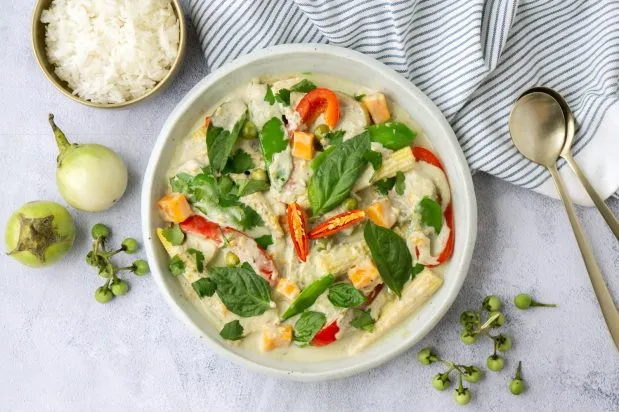
Why Vegan Thai Cuisine Feels So Flavorful
Thai cooking relies less on heaviness and more on flavor layering. The cuisine naturally builds depth using herbs, fermentation, citrus, spice, coconut richness, and aromatics. That is why vegan Thai food rarely feels “missing” anything.
Even simple vegetable curries feel indulgent, warming, complex, and satisfying without requiring dairy or meat-heavy ingredients.
Frequently Asked Questions:
1. What are common vegan Thai curry ingredients?
Ans) Common vegan Thai curry ingredients include coconut milk, lemongrass, galangal, kaffir lime leaves, Thai basil, garlic, chilies, ginger, tofu, mushrooms, bamboo shoots, and vegetables. Curry pastes may also contain coriander roots, cumin, and turmeric. Vegan versions avoid shrimp paste and fish sauce, traditionally used in Thai cooking.
2. What Thai dishes are usually vegan?
Ans) Popular vegan Thai dishes include vegetable Pad Thai, tofu green curry, mango sticky rice, spring rolls, Tom Yum with mushrooms, basil tofu stir-fry, papaya salad without fish sauce, and coconut soup with vegetables. Many Thai dishes can easily be customized into vegan-friendly meals with plant-based ingredients.
3. What Thai sauces are vegan?
Ans) Many Thai sauces can be vegan, including sweet chili sauce, peanut sauce, tamarind sauce, soy sauce, black bean sauce, and vegan curry pastes. Traditional fish sauce is not vegan, but plant-based alternatives made from soy, seaweed, or mushrooms are commonly used in vegan Thai cuisine.
Final Thoughts
So if you are also a food fanatic, finding vegan options, Thai cuisine can be your best partner; it can be bold, comforting, and full of personality without sacrificing flavor. With just a few ingredient swaps, traditional recipes become beautifully plant-based while still retaining the soul of authentic Thai cooking.
This Vegan Thai curry captures everything people love about Thai food: creamy coconut richness, vibrant herbs, warming spice, and balanced flavors in every bite. And perhaps that is the beauty of Thai cuisine; even the simplest bowl of curry can feel both nourishing and unforgettable at the same time.
Follow Recipesliving to explore more such cuisine, vegan food options, and find places to explore culinary indulgence.
– P. Manika (Performist Content Writer)